Federal prosecutors allege Abdulrahman Alfozan secretly placed an encrypted audio recorder behind a television in a San Francisco conference room used for highly confidential technical and strategic meetings.
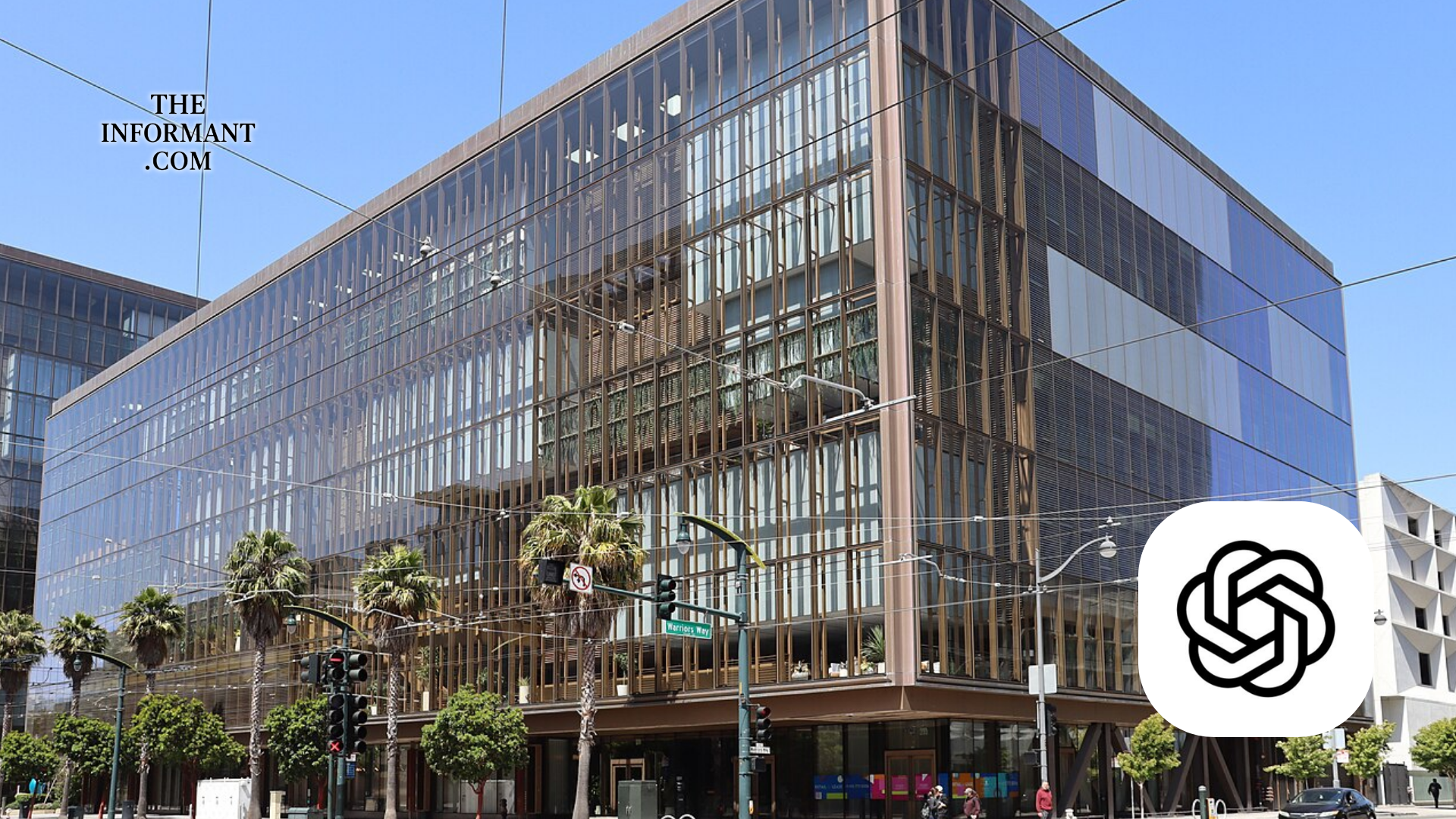
A security sweep inside OpenAI’s San Francisco offices has led to the arrest of one of the company’s engineers after federal prosecutors alleged that he secretly installed an audio-recording device inside an executive conference room used for highly confidential meetings.
Abdulrahman Alfozan, a 35-year-old Saudi national, was arrested by the FBI on October 9, 2026, and appeared in federal court on October 13. The Justice Department charged him with using or attempting to use an electronic device to intercept oral communications. He remains in federal custody, with a detention hearing scheduled for October 19.
According to the criminal complaint, OpenAI security personnel discovered the first device on September 30. It had been inserted into a USB port behind a television in an executive conference room and concealed with toilet paper. OpenAI determined that it had apparently been installed around September 28 and that its stored contents were encrypted.
The room was used for discussions involving proprietary research, product plans, business-development opportunities and nonpublic information about OpenAI’s technical progress, government engagements and commercial relationships, prosecutors said. The complaint alleges Alfozan did not have authorization to attend meetings there.
Investigators say internal camera footage placed Alfozan near the room on multiple occasions. On October 5, surveillance footage allegedly showed him entering and looking behind the television where the recording device had been located. That same day, OpenAI security found another similar recorder inside an unattended bag containing his wallet and identification, according to prosecutors.
The complaint also describes unusual digital activity before the device was found. Prosecutors allege Alfozan used a workplace productivity tool to search for building addresses, meeting-room locations and calendars, including spaces used by executives and outside partners. A chatbot account associated with his spouse — and which prosecutors say shared multiple identifiers with his own account — also submitted prompts about constructing, concealing, encrypting and remotely accessing audio-recording equipment.
OpenAI said it used its own AI models to help analyze the device and trace its origin to a specific employee. The company then referred the matter to the FBI and terminated Alfozan’s employment. It said it currently has no evidence that model weights, source code or customer information were improperly accessed or removed.
Alfozan had worked at OpenAI since July 2025. Public professional information also lists him as a venture partner at Saudi-based Raed Ventures, whose website describes him as an experienced engineer who previously worked at Meta and studied computer science and engineering at MIT. None of those outside affiliations has been publicly connected by prosecutors to the alleged recording-device scheme.
The Justice Department is treating the case as a national-security matter because of the sensitivity and strategic value of advanced AI research, but the current criminal charge is narrower. Prosecutors have not accused Alfozan of acting on behalf of Saudi Arabia, another government or another company, and no public evidence establishes that any recorded information was transmitted outside OpenAI.
The case now moves into federal court while the FBI continues investigating what the devices captured, whether any information left the company and why they were allegedly installed. Those unanswered questions will determine whether the case remains a covert-recording prosecution or develops into something significantly broader.