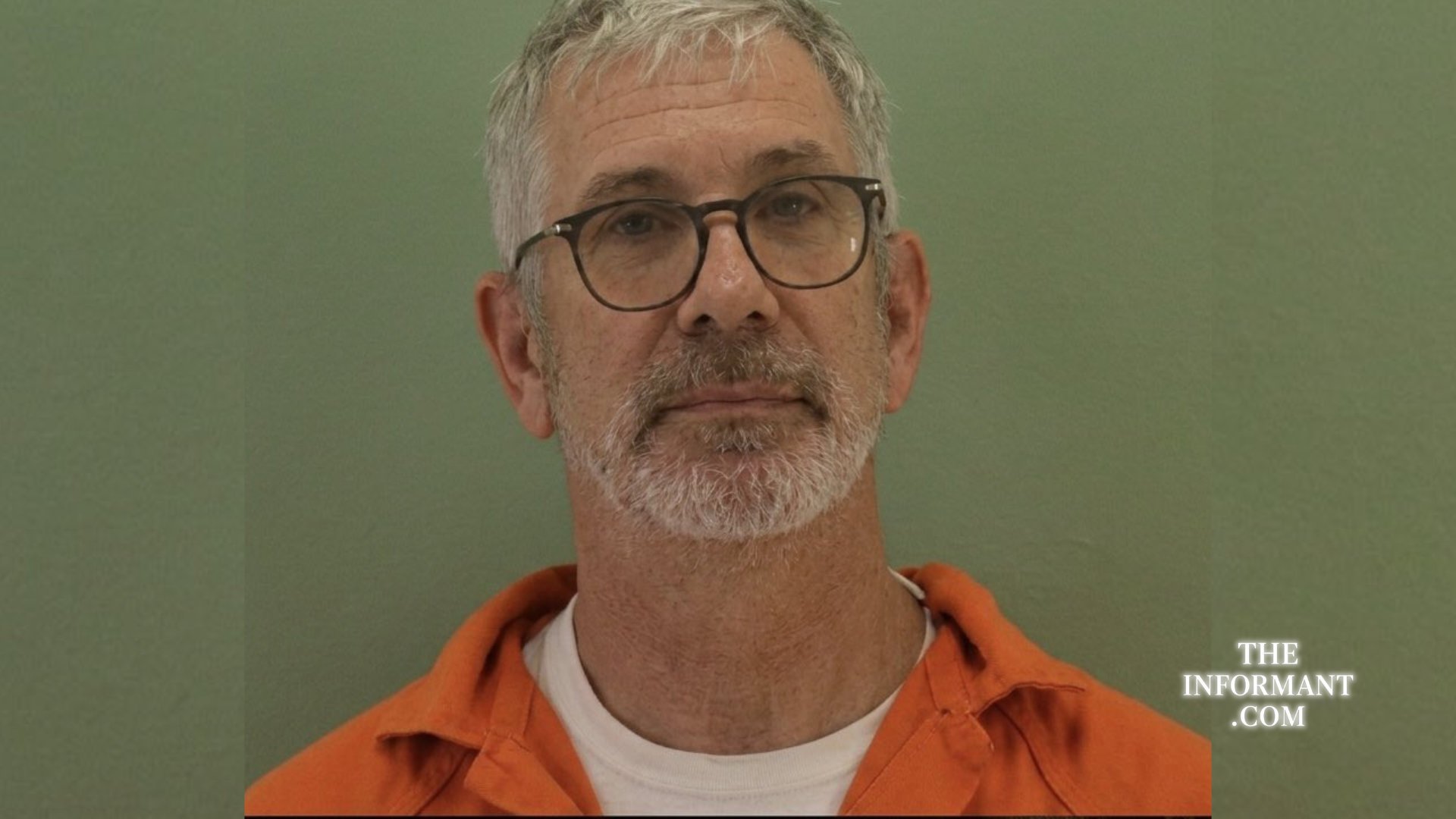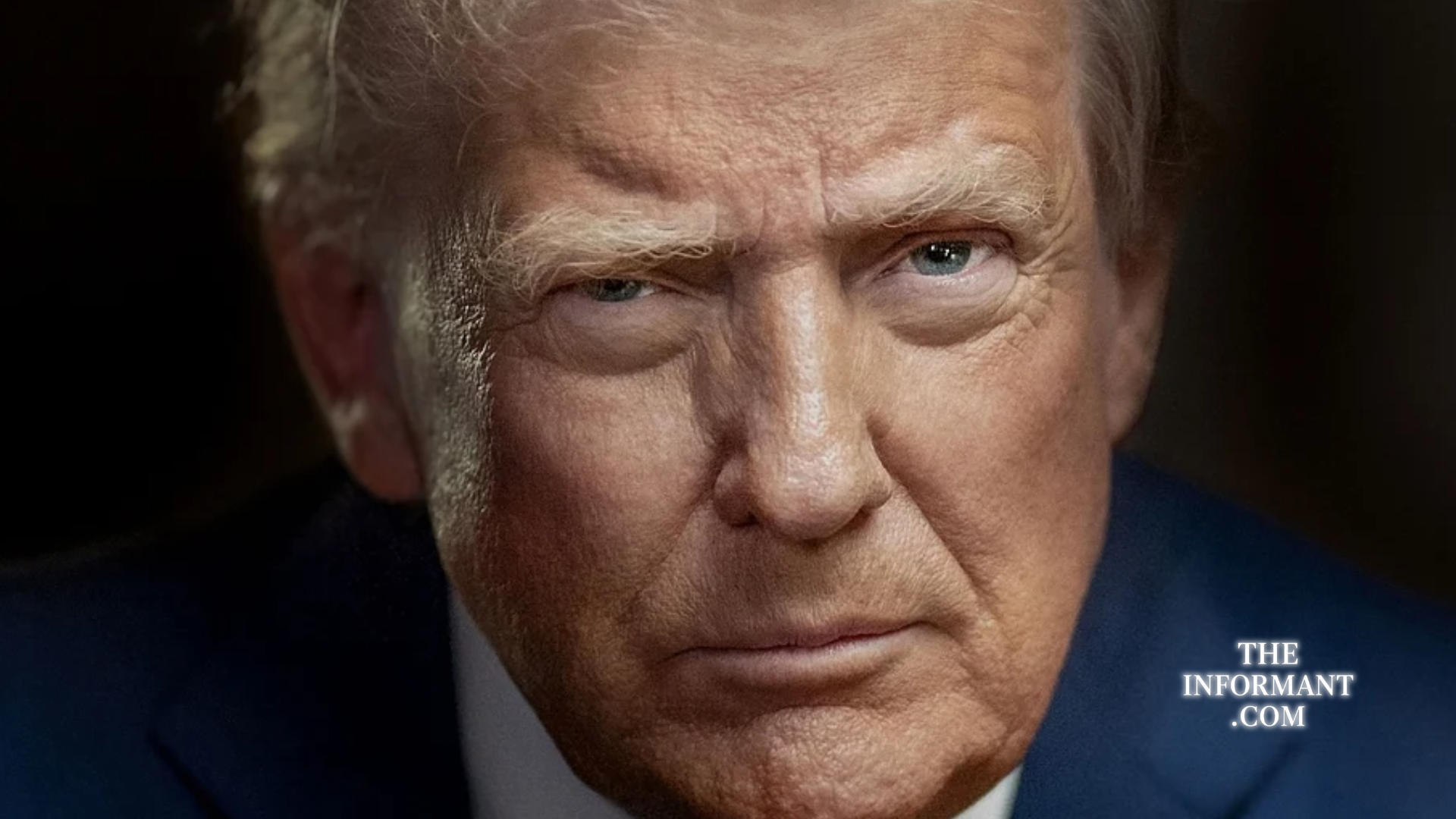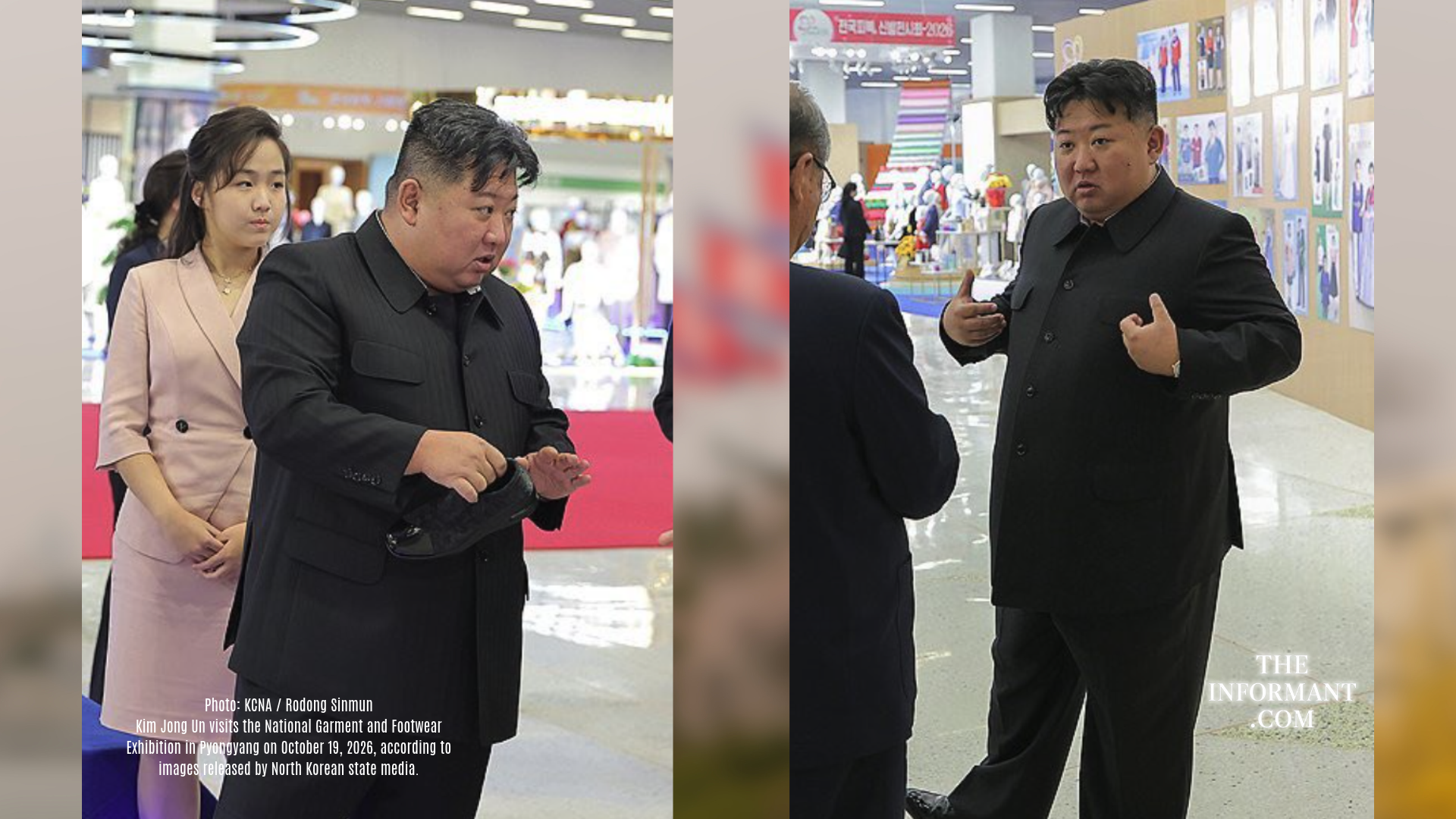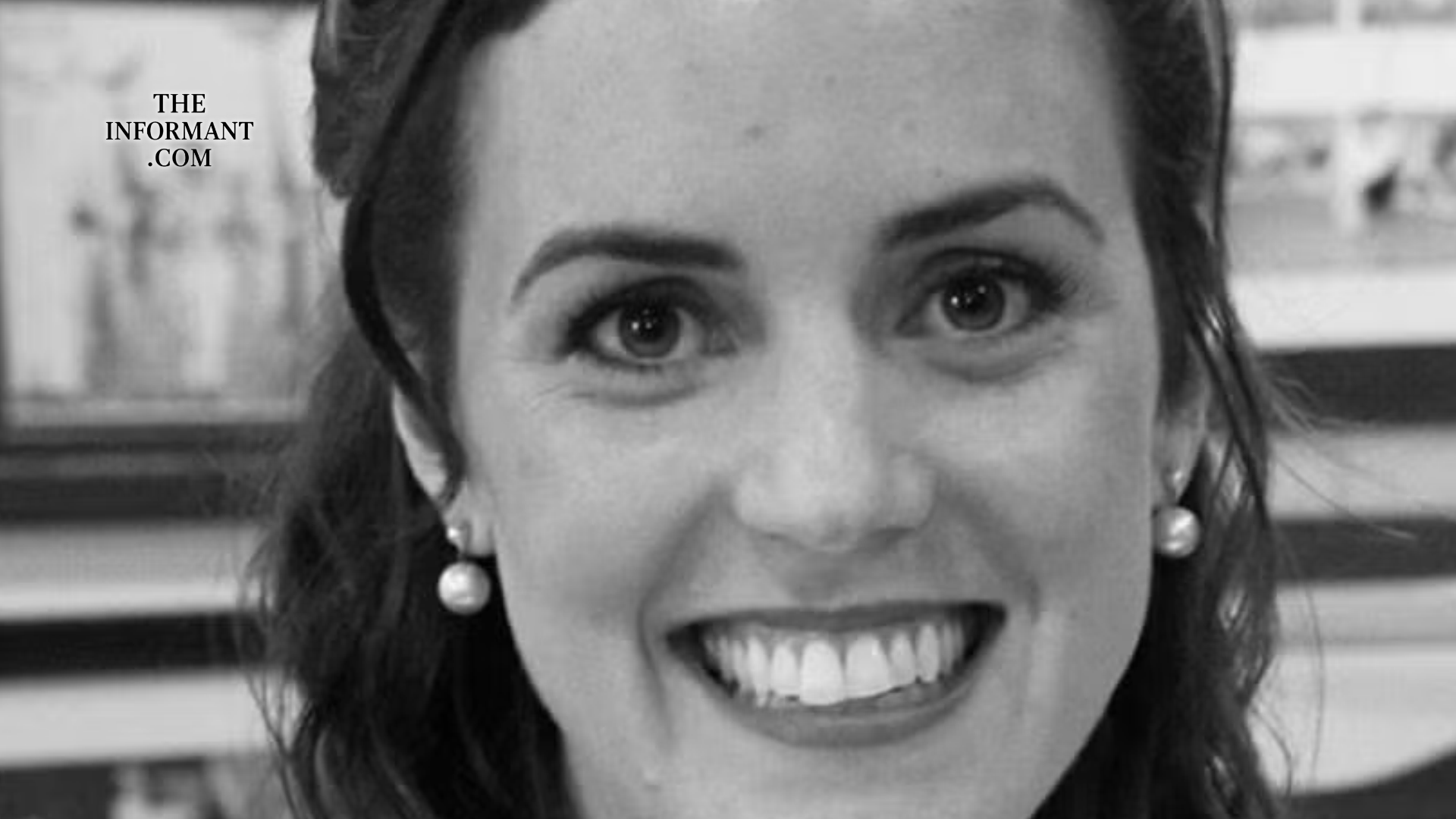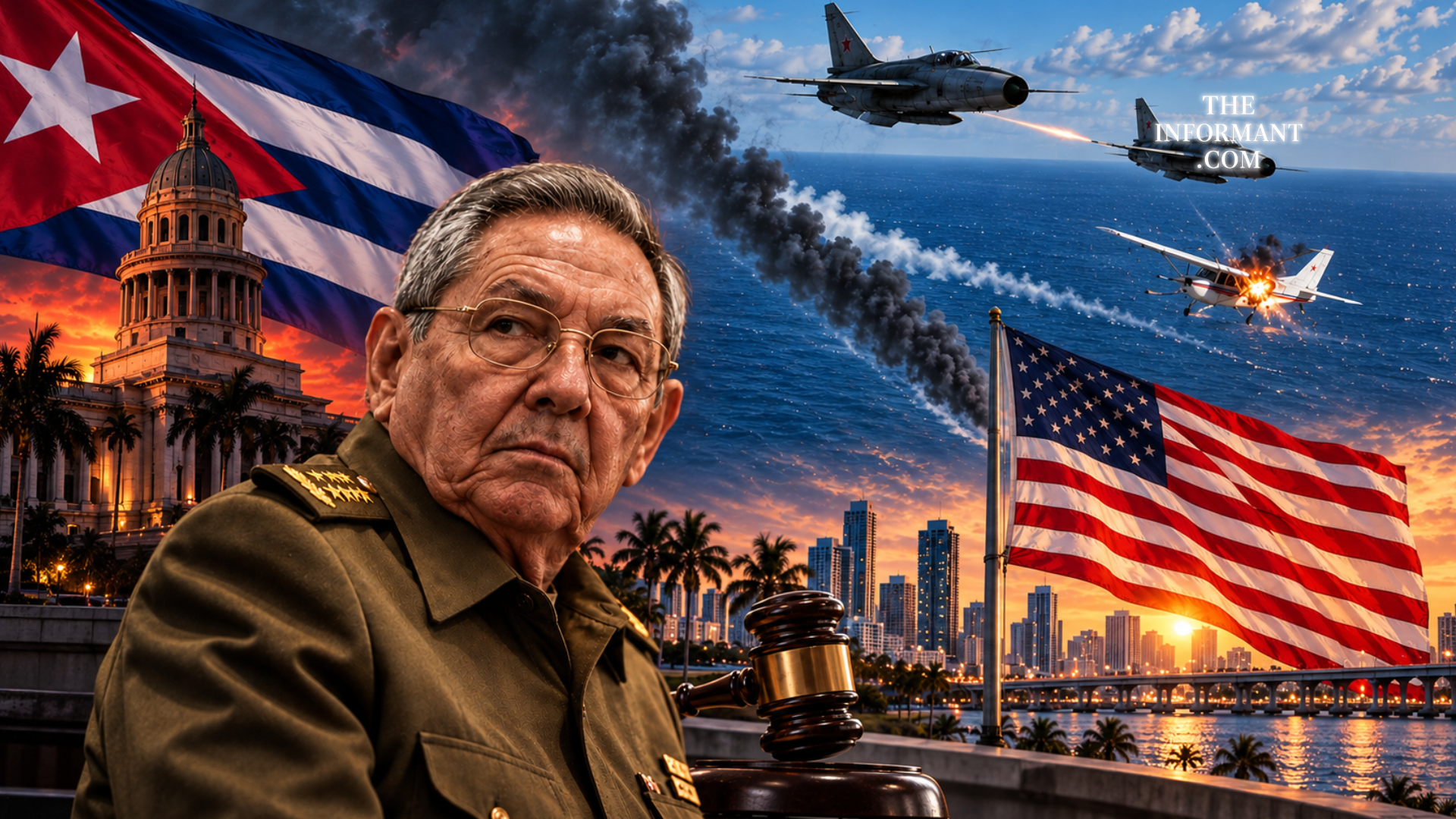
MIAMI, FLORIDA — October 19, 2026. More than three decades after Cuban fighter jets shot down two civilian aircraft over international waters, former Cuban President Raúl Castro is facing a new arrest warrant in Florida. A Miami judge has found probable cause to support an allegation that Castro participated in a conspiracy linked to the deaths of four members of the humanitarian organization Brothers to the Rescue.
Chief Judge Ariana Fajardo Orshan of Florida’s Eleventh Judicial Circuit signed the warrant on Friday, October 16. State officials announced the action on Monday, October 19, confirming that Castro, now 95, faces one count of conspiracy to commit first-degree murder. The court ordered that he be held without bond if taken into custody. The warrant is separate from a federal indictment announced earlier this year.
FOUR LIVES LOST IN THE 1996 BROTHERS TO THE RESCUE SHOOTDOWN
The criminal case dates to February 24, 1996, when three unarmed Cessna aircraft operated by Brothers to the Rescue departed Opa-locka Airport in Miami-Dade County. The organization, founded by Cuban exiles, conducted missions to locate people attempting dangerous sea crossings from Cuba. During that day’s mission, Cuban MiG fighter jets destroyed two of the planes with air-to-air missiles.
The attack killed Carlos Costa, Armando Alejandre Jr., Mario de la Peña and Pablo Morales. According to U.S. investigators, the aircraft were flying over international waters outside Cuban territorial limits. A third plane escaped the attack, which became one of the most consequential incidents in modern U.S.-Cuba relations.
FLORIDA INVESTIGATORS ALLEGE A CONSPIRACY LINKED TO CUBAN INTELLIGENCE
The Florida investigation focuses on alleged intelligence operations that took place within the United States before the shootdown. According to the arrest affidavit, Cuban intelligence operatives associated with the Wasp Network infiltrated Brothers to the Rescue and transmitted information about its activities and flight plans to Havana.
Investigators allege that Castro, who served as Cuba’s minister of the Revolutionary Armed Forces and first vice president at the time, was a final decision-maker in the military chain of command that authorized the attack. Prosecutors also point to statements attributed to Castro concerning orders to intercept the aircraft. The alleged intelligence activities in Miami-Dade and Monroe counties form part of Florida’s legal basis for pursuing a state conspiracy charge.
NEW STATE ARREST WARRANT ADDS TO FEDERAL MURDER CHARGES
The latest development follows a federal indictment unsealed on May 20, 2026, by the U.S. Department of Justice. That indictment charged Castro and five other defendants with offenses that include murder, conspiracy to kill U.S. nationals and destruction of aircraft. The federal case and Florida’s newly announced prosecution are separate legal proceedings arising from the same 1996 incident.
Florida Attorney General James Uthmeier said state prosecutors intend to pursue accountability regardless of how much time has passed. The warrant could expose Castro to detention if he travels to a jurisdiction willing and legally able to cooperate with American authorities. However, extradition is not automatic, and it remains uncertain whether the former Cuban leader will ever appear before a U.S. court.
CUBA REJECTS U.S. ACCUSATIONS AS POLITICAL TENSIONS GROW
Cuban President Miguel Díaz-Canel previously rejected the federal charges against Castro, describing them as politically motivated and accusing Washington of distorting the circumstances of the 1996 shootdown. Havana has historically defended its actions in the incident, while U.S. authorities maintain that the civilian aircraft were attacked outside Cuban territorial waters.
For the victims’ families and members of Miami’s Cuban exile community, the arrest warrant represents another development in a case that has remained unresolved for more than 30 years. Florida authorities say their investigation remains active and additional charges are possible. The next major question is whether prosecutors can secure Castro’s appearance in court and advance a criminal trial based on the evidence collected.