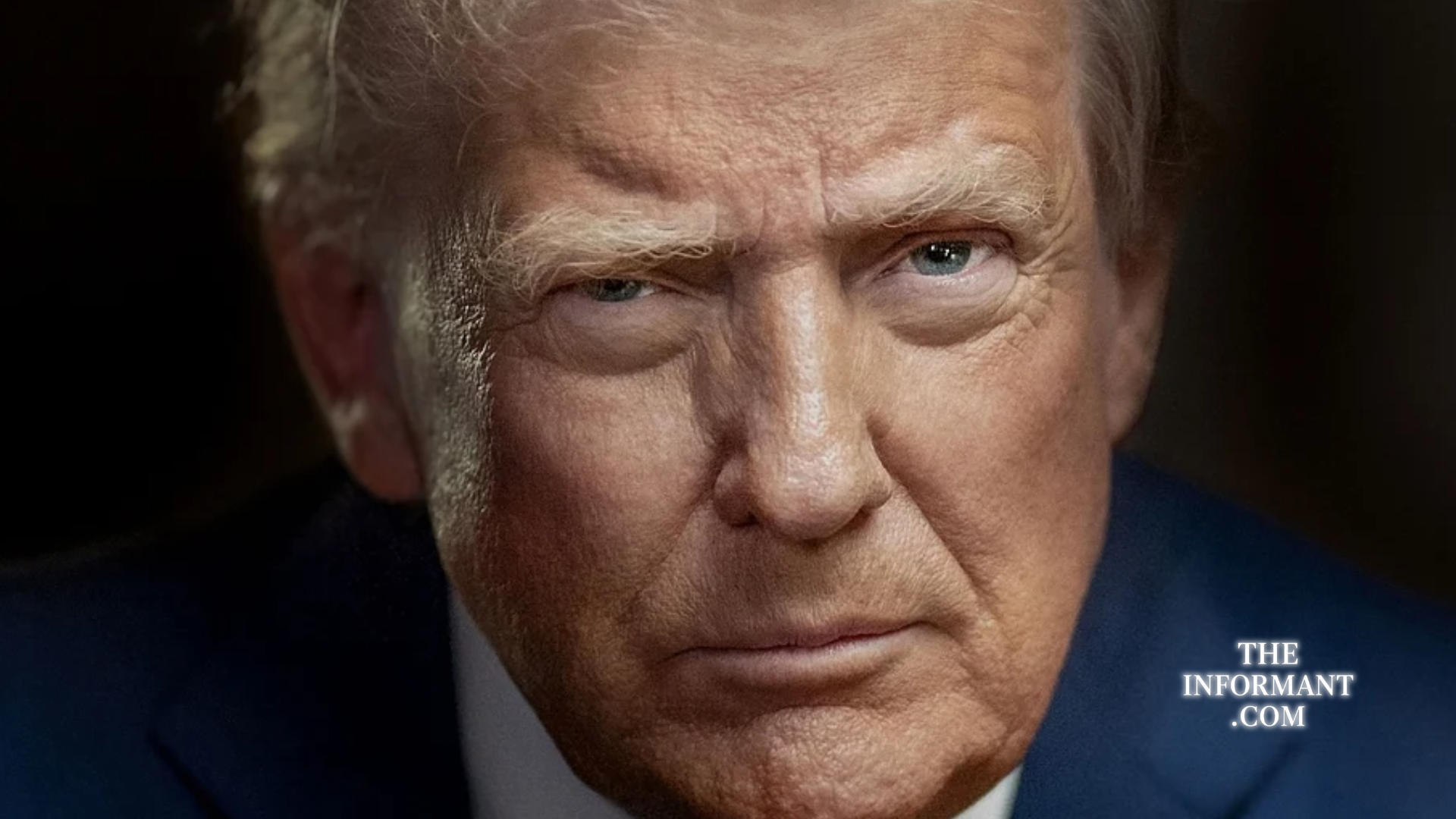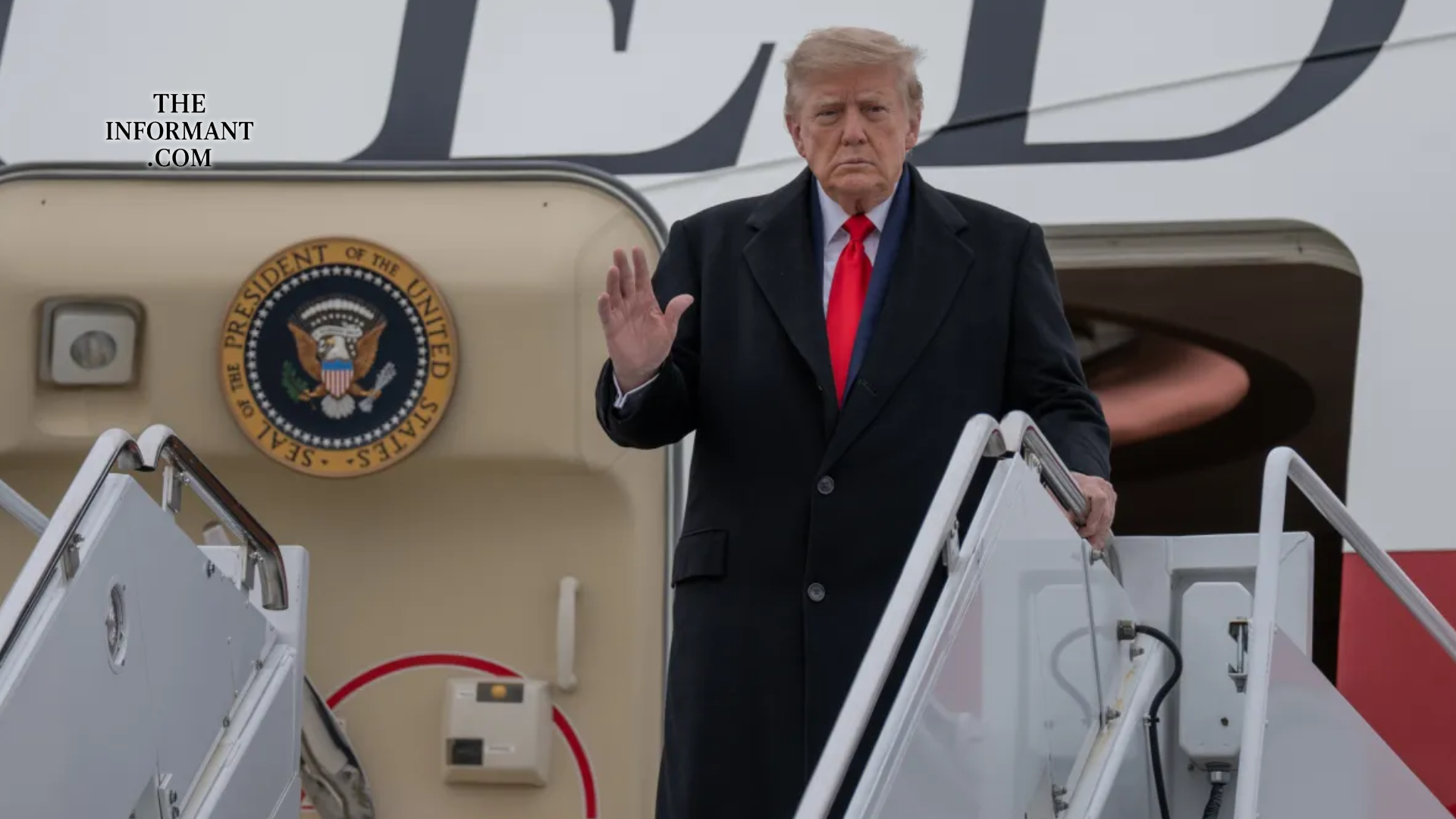
WASHINGTON, D.C. — October 19, 2026. President Donald Trump is challenging the credibility of political surveys as new polling shows declining public approval of his presidency just weeks before the November 3 midterm elections. In remarks circulated Monday by a White House social media account, Trump dismissed unfavorable polling and pointed to his 2024 election victory as evidence that surveys can underestimate his support.
The president’s comments came as a Reuters/Ipsos poll found that just 31% of Americans approve of his job performance, the lowest recorded level of either of his presidential terms in that polling series. The survey also found Democrats leading Republicans by 12 percentage points among registered voters in a national question about congressional preferences.
TRUMP CALLS POLLS FAKE AND CITES HIS 2024 ELECTION VICTORY
When asked about his political standing, Trump said he felt confident despite the unfavorable numbers. He characterized the surveys as unreliable and recalled a pre-election poll that showed him trailing by three percentage points before he ultimately won the state by what he described as 20 points.
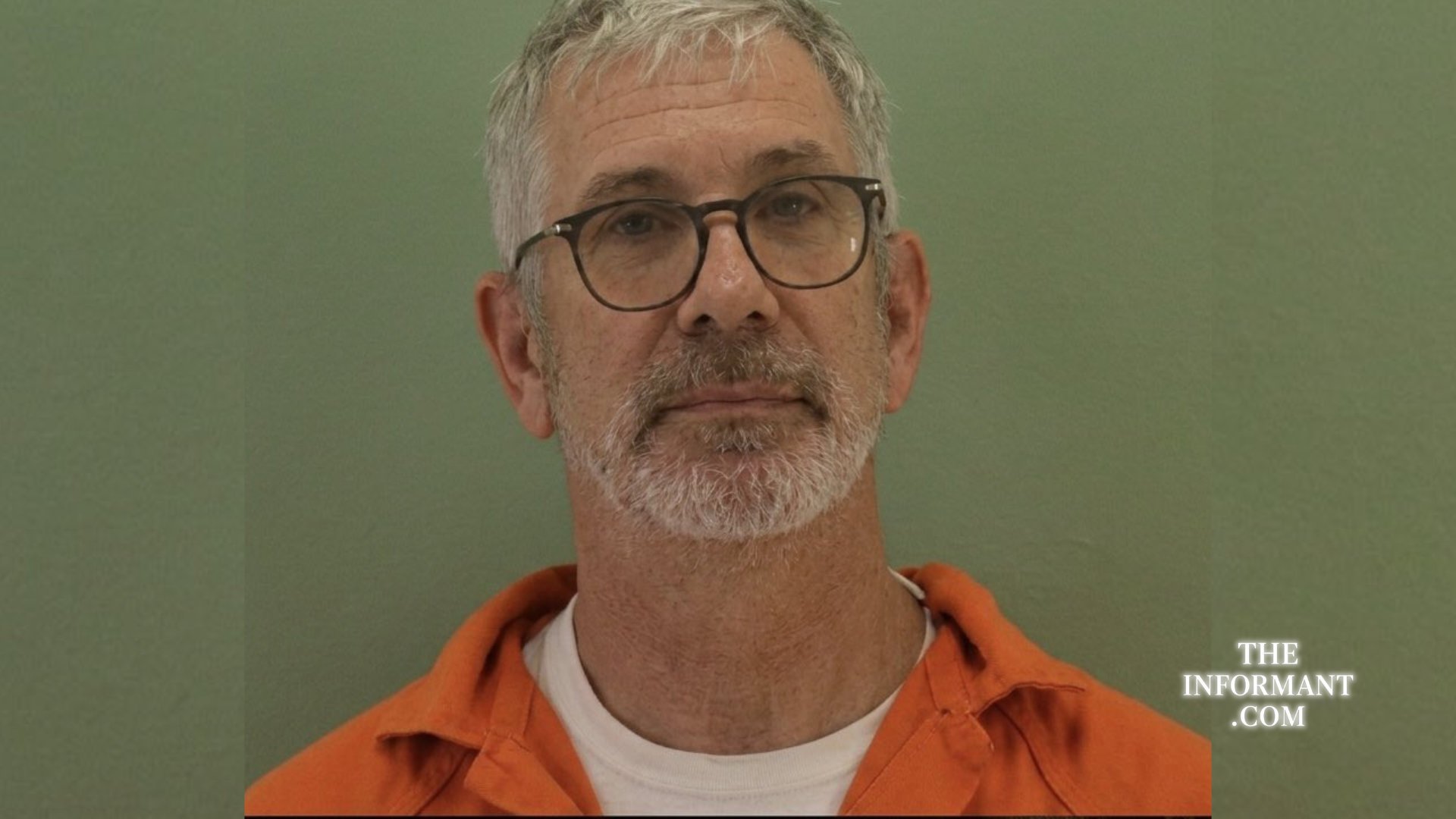
Although Trump did not identify the pollster by name in the circulated statement, the figures strongly resemble the final 2024 Iowa Poll conducted by J. Ann Selzer for The Des Moines Register. That survey showed Democratic nominee Kamala Harris leading Trump 47% to 44% shortly before Election Day. The actual election result differed substantially: Trump won Iowa by approximately 13 percentage points, not 20.
IOWA POLLSTER’S DEPARTURE BECOMES PART OF THE DEBATE
Trump also claimed that the pollster responsible for the inaccurate prediction had to leave her position in disgrace. Selzer did announce that she was stepping away from election polling after the 2024 race, acknowledging that her final Iowa forecast was significantly off target.
However, Selzer stated that the decision had been made more than a year before the election. She continued other professional work rather than leaving the polling industry entirely. There is no established evidence that her departure was forced because of the inaccurate survey. The distinction matters because a polling error, even a substantial one, does not by itself establish deliberate manipulation.
TRUMP’S LAWSUIT OVER THE IOWA POLL WAS DISMISSED
The controversy extended into the courts after Trump sued Selzer and The Des Moines Register in December 2024, alleging that the poll had been published deceptively to damage his presidential campaign. Selzer and the newspaper disputed those allegations and defended the publication as constitutionally protected political speech.
On September 23, 2026, an Iowa judge dismissed the lawsuit. The court concluded that the challenged polling and reporting were protected by the First Amendment and did not meet the legal requirements for the claims Trump had brought. His legal team subsequently indicated that it intended to appeal the decision.
NEW POLLING SHOWS PUBLIC CONCERNS AHEAD OF NOVEMBER ELECTIONS
The latest Reuters/Ipsos survey was conducted over four days and included 1,679 American adults, among them 1,279 registered voters. It found that 47% of registered voters preferred Democratic congressional candidates, compared with 35% who preferred Republicans. The poll carries a margin of error of approximately two percentage points for the full adult sample and three points for registered voters.
The results provide a snapshot of public opinion, not a definitive forecast of November’s congressional elections. National polling cannot fully account for the electoral conditions in individual House districts and Senate races. Trump and Republican allies continue to argue that past polling errors justify skepticism about current surveys, while researchers emphasize the importance of reviewing methodology, sampling and uncertainty. With Election Day approaching, the central question is whether the latest measurements of voter sentiment will be reflected in actual turnout and results.