Iran has issued a new warning that any renewed U.S.-Israeli attack would trigger a significantly more destructive response, as maritime authorities separately report a growing number of attacks on commercial vessels around the Arabian Peninsula.
Mohsen Rezaei, secretary of Iran’s Supreme National Security Council, said Sunday that the country’s armed forces had prepared a new operational plan for another round of fighting. He claimed the response would be “far more devastating” than Iran’s earlier confrontations with Israel and the United States and said future operations would not follow patterns familiar to Iran’s adversaries.
The warning fits a broader shift already documented in Tehran’s military planning. Earlier this month, Reuters reported that senior Iranian commanders were examining retaliation options that could expand the range of potential targets beyond U.S.-linked military assets if Washington resumed major strikes. No final decision on those plans had been publicly announced.
Diplomacy has not disappeared. Iranian Foreign Minister Abbas Araqchi said over the weekend that Tehran’s proposal to reopen the Strait of Hormuz remains available if Washington accepts a series of Iranian conditions, including easing restrictions on ports and oil exports. Negotiations remain stalled, particularly over Iran’s nuclear program.
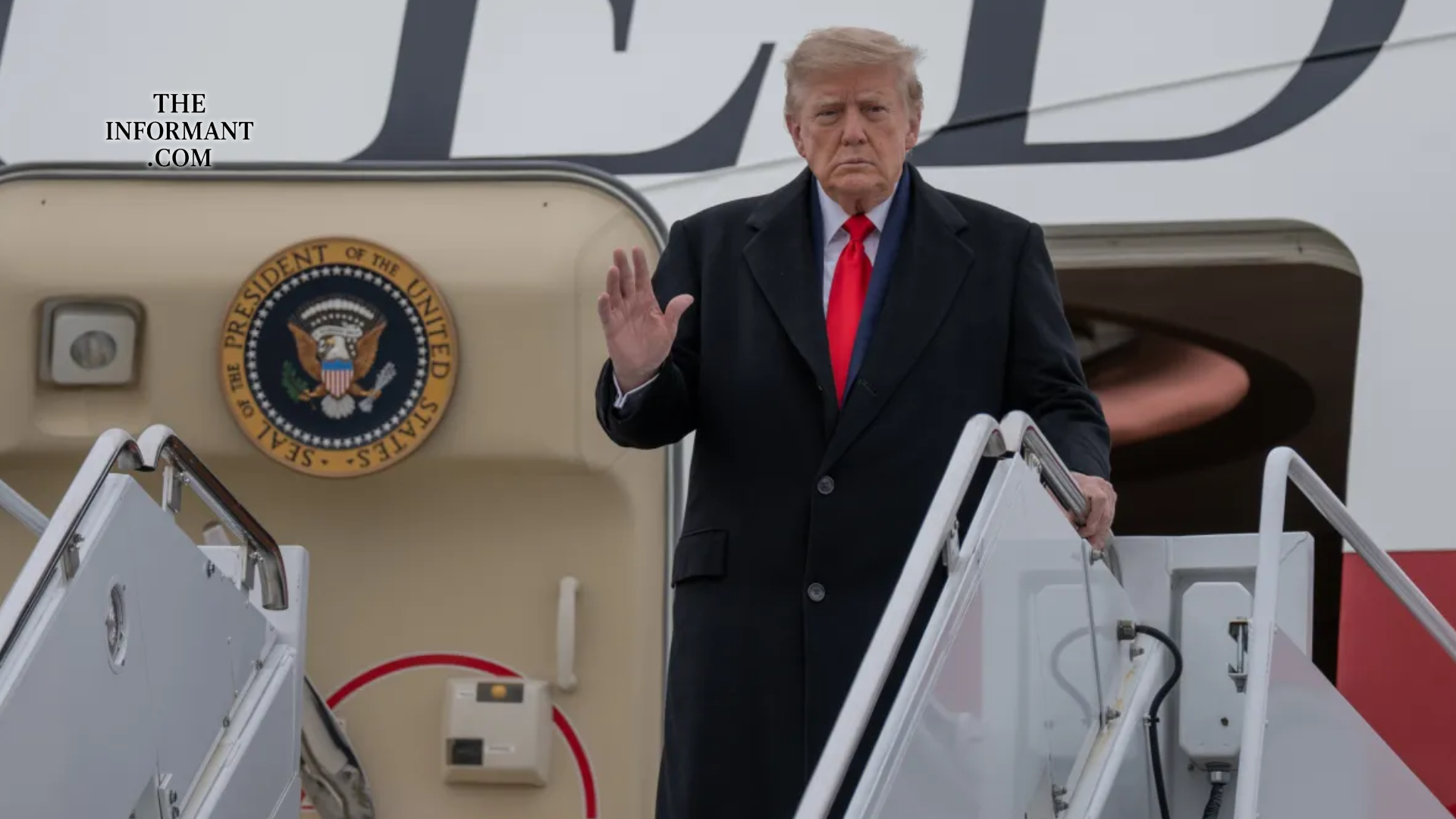
President Donald Trump, meanwhile, said last week that he does not intend to use nuclear weapons against Iran and does not foresee deploying U.S. ground forces. But he also said Washington might still need to strike the heavily fortified Pickaxe Mountain nuclear site, leaving the possibility of renewed conventional military action open.
The military warnings come as commercial shipping faces an increasingly dangerous environment. UK Maritime Trade Operations said a southbound tug northeast of Khor Fakkan, UAE, was struck by two unidentified projectiles on October 18, causing damage and one minor injury. The vessel continued its voyage.
One day earlier, an LNG tanker southwest of Al Mukalla, Yemen, reported being approached by a small skiff carrying seven people. UKMTO said the skiff fired twice at the tanker before the vessel’s armed security team fired two warning shots, causing the boat to change course. No casualty was reported in that incident.
On October 16, a separate tanker northeast of Al Jubayl, Saudi Arabia, reported being struck by a rocket-propelled grenade fired from a small boat. UKMTO said the vessel suffered damage to its aft port quarter but that the crew was safe.
None of those three incidents has been publicly attributed by UKMTO to Iran or Yemen’s Houthis. That distinction matters because regional shipping has become entangled in several overlapping conflicts, and attribution can remain uncertain for days or longer.
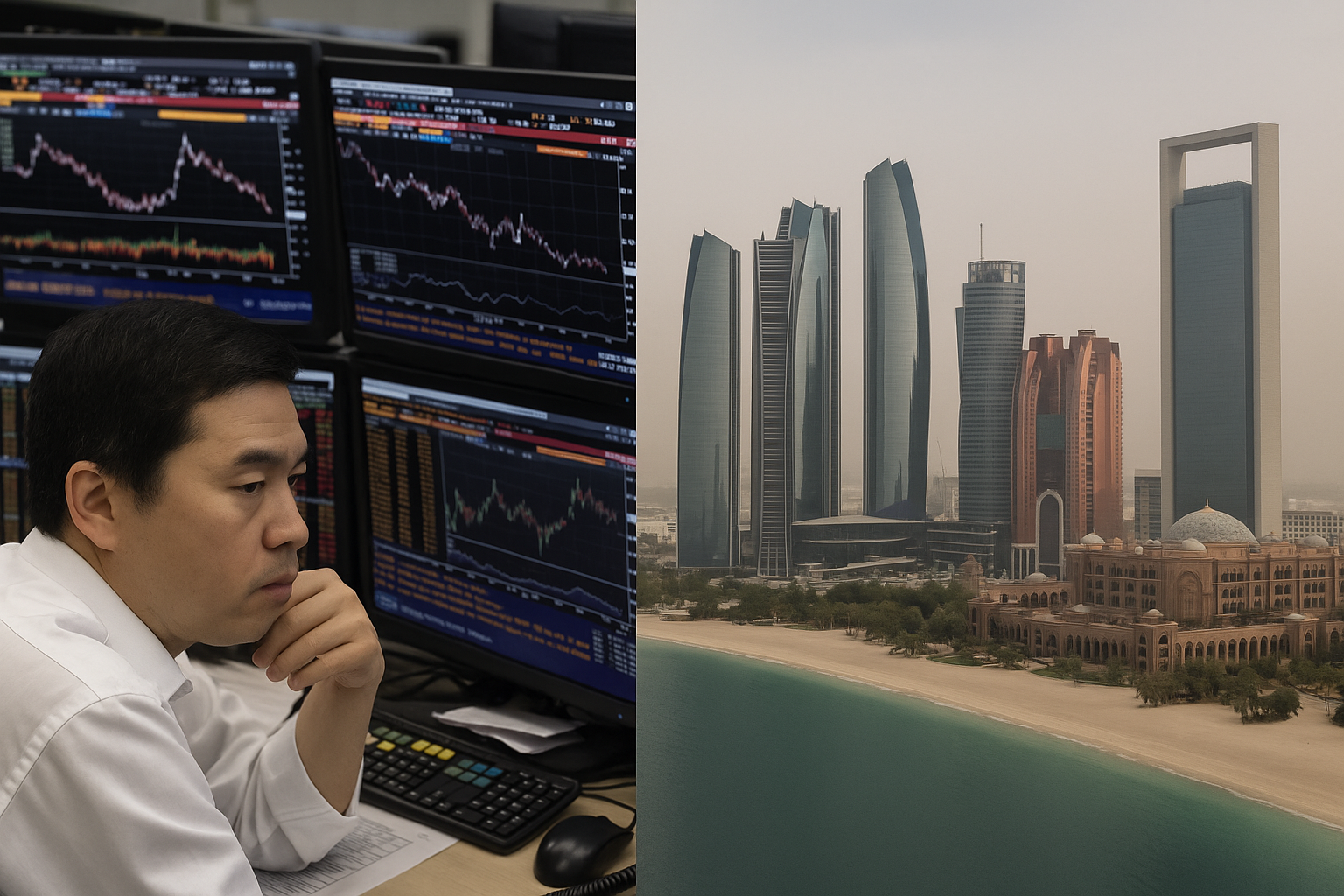
Energy markets are already reacting. Brent crude closed Friday at $109.86 per barrel, while U.S. West Texas Intermediate settled at $101.41, as traders priced in growing risks to Gulf shipping and continued attacks on energy infrastructure elsewhere. Prices eased somewhat afterward but remained elevated as vessel traffic through Hormuz stayed disrupted.
The immediate danger is therefore twofold: military escalation between Iran and the United States remains possible, while commercial vessels are already facing real-world attacks across key maritime corridors. Rezaei’s warning may be intended as deterrence, but with shipping incidents multiplying and negotiations stalled, the region has little margin for miscalculation.