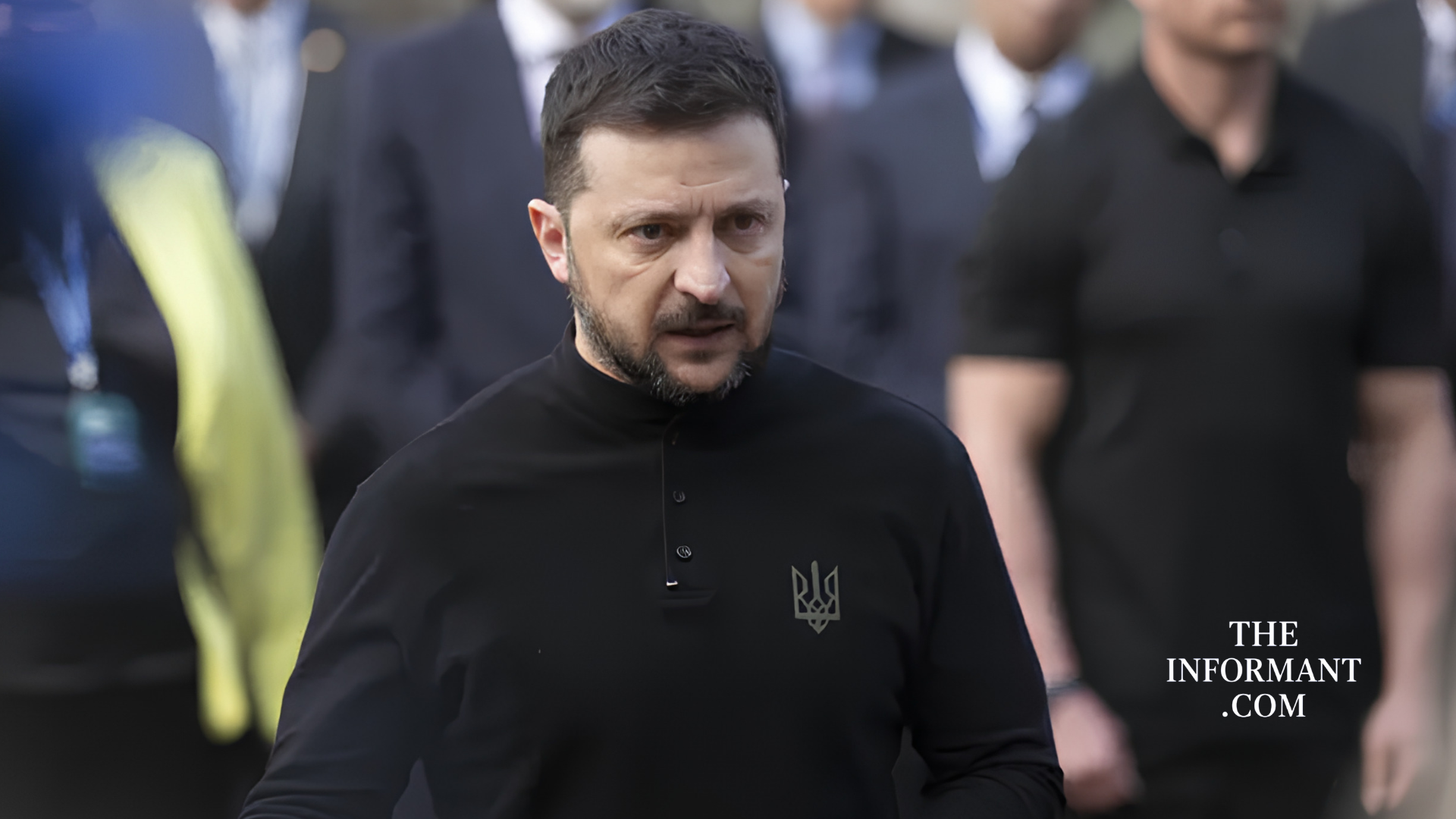
WASHINGTON, D.C. — October 19, 2026. President Donald Trump’s increasingly personal criticism of Ukrainian President Volodymyr Zelenskyy is intensifying diplomatic tensions between Washington and Kyiv, raising new questions about U.S. efforts to negotiate an end to Russia’s invasion of Ukraine. The dispute has escalated over sanctions relief for Moscow, Russian diesel exports and Ukrainian attacks on oil infrastructure.
The confrontation comes during the fifth year of the war, which began with Russia’s full-scale invasion in February 2022. Trump has accused Zelenskyy of resisting a negotiated settlement, while the Ukrainian leader argues that recent U.S. decisions risk strengthening Russia’s position and weakening Ukraine’s ability to defend itself.
TRUMP DEFENDS RUSSIAN SANCTIONS RELIEF
Trump defended his decision to temporarily suspend new sanctions against Russia, arguing that additional economic pressure could push Moscow away from negotiations. The administration has indicated that the pause could last approximately 60 days while officials assess its diplomatic and economic consequences.
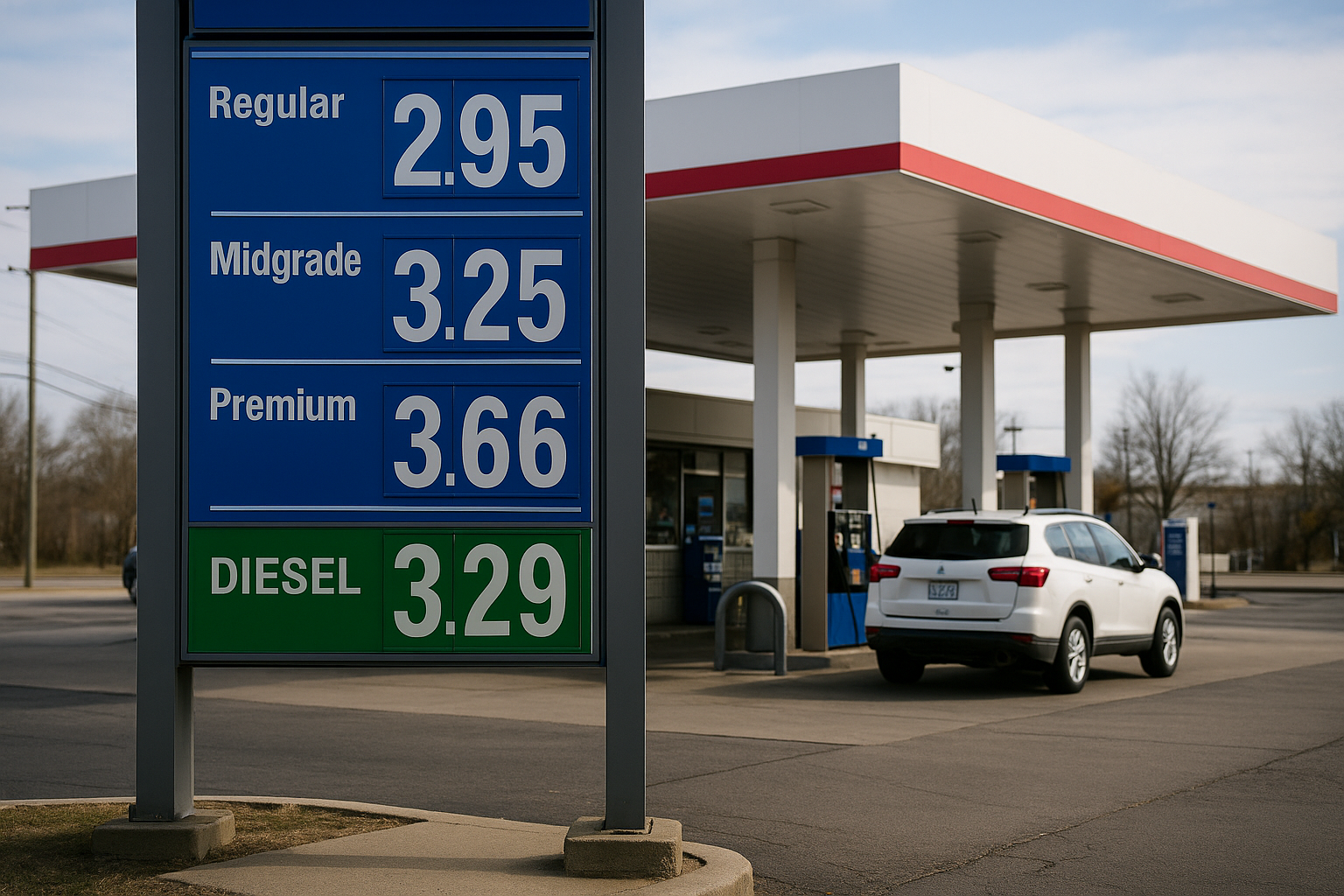
The decision followed an October 9 announcement allowing substantial Russian diesel supplies to reach U.S. and international markets. Trump has argued that increasing fuel availability could ease pressure on prices, particularly for American farmers, transportation companies and businesses.
Zelenskyy criticized the arrangement, warning that additional energy revenue could help Russia sustain its military campaign. Some U.S. lawmakers, including Republicans, have also questioned whether easing economic pressure on Moscow is compatible with efforts to secure a lasting peace.
DISPUTE OVER UKRAINIAN ATTACKS ON RUSSIAN REFINERIES
Another major source of disagreement involves Ukraine’s drone attacks on Russian oil facilities. Trump has condemned the strikes, arguing that damage to refineries disrupts international diesel supplies and contributes to higher fuel costs.
Kyiv maintains that Russian energy infrastructure is connected to Moscow’s ability to finance and sustain its war effort. Ukrainian officials have also accused Russia of continuing attacks against Ukraine’s electricity and energy systems despite U.S.-backed efforts to establish a temporary halt to such operations.
After initially suspending refinery strikes, Ukraine resumed attacks on October 15, citing continued Russian strikes against its energy infrastructure.
ZELENSKYY PUSHES BACK AGAINST TRUMP’S CRITICISM
Trump has described Zelenskyy as more difficult to negotiate with than Russian President Vladimir Putin and suggested that Ukraine’s leadership is obstructing efforts to end the conflict. He has also publicly raised questions about Zelenskyy’s political future.
Zelenskyy has rejected those accusations, warning that concessions benefiting Moscow could undermine Ukrainian sovereignty. He has criticized Washington’s recent sanctions and energy decisions while urging the United States to maintain a clear distinction between Russia, which launched the invasion, and Ukraine, which is defending its territory.
U.S. MILITARY SUPPORT BECOMES ANOTHER FLASHPOINT
The dispute has expanded beyond political rhetoric. On October 19, Zelenskyy raised concerns about delays in American weapons deliveries, restrictions affecting intelligence sharing and problems involving satellite-based defense capabilities.
The Ukrainian president said Kyiv had missed expected warnings about Russian attacks on several occasions. U.S. officials have disputed suggestions that some restrictions were deliberately imposed for political reasons, leaving aspects of the disagreement unresolved.
PEACE TALKS CONTINUE DESPITE DIPLOMATIC TENSIONS
Despite the increasingly public confrontation, diplomatic contacts remain active. Ukrainian officials have maintained communication with U.S. presidential envoys Steve Witkoff and Jared Kushner, while discussions continue over possible arrangements to reduce attacks on energy infrastructure.
Zelenskyy has indicated that Ukraine could consider another temporary suspension of strikes against Russian refineries under specific security conditions, including additional American air-defense support.
The central challenge remains whether Washington can bring both sides toward a negotiated settlement while maintaining Ukraine’s security and securing Russia’s participation. No comprehensive peace agreement has been announced, and fighting continues as diplomatic disagreements complicate the search for an end to the war.