QOM, IRAN — November 24, 2026.
Iranian singer Parastoo Ahmadi and four members of her concert team were each subjected to 74 lashes on Monday, November 23, following their conviction over a musical performance broadcast on YouTube in December 2024. The punishment was carried out at a judicial enforcement office in Qom, according to lawyer Mostafa Nili, whose account was reported by Iranian and international media.
The case originated from an online concert in which Ahmadi performed without the mandatory Islamic headscarf while accompanied by male musicians. In addition to the corporal punishment, the defendants were sentenced to two-year restrictions on artistic activities and travel outside Iran. The case has renewed international concerns about restrictions on women’s rights, artistic expression and the use of corporal punishment.
THE YOUTUBE CONCERT THAT LED TO CRIMINAL PROCEEDINGS
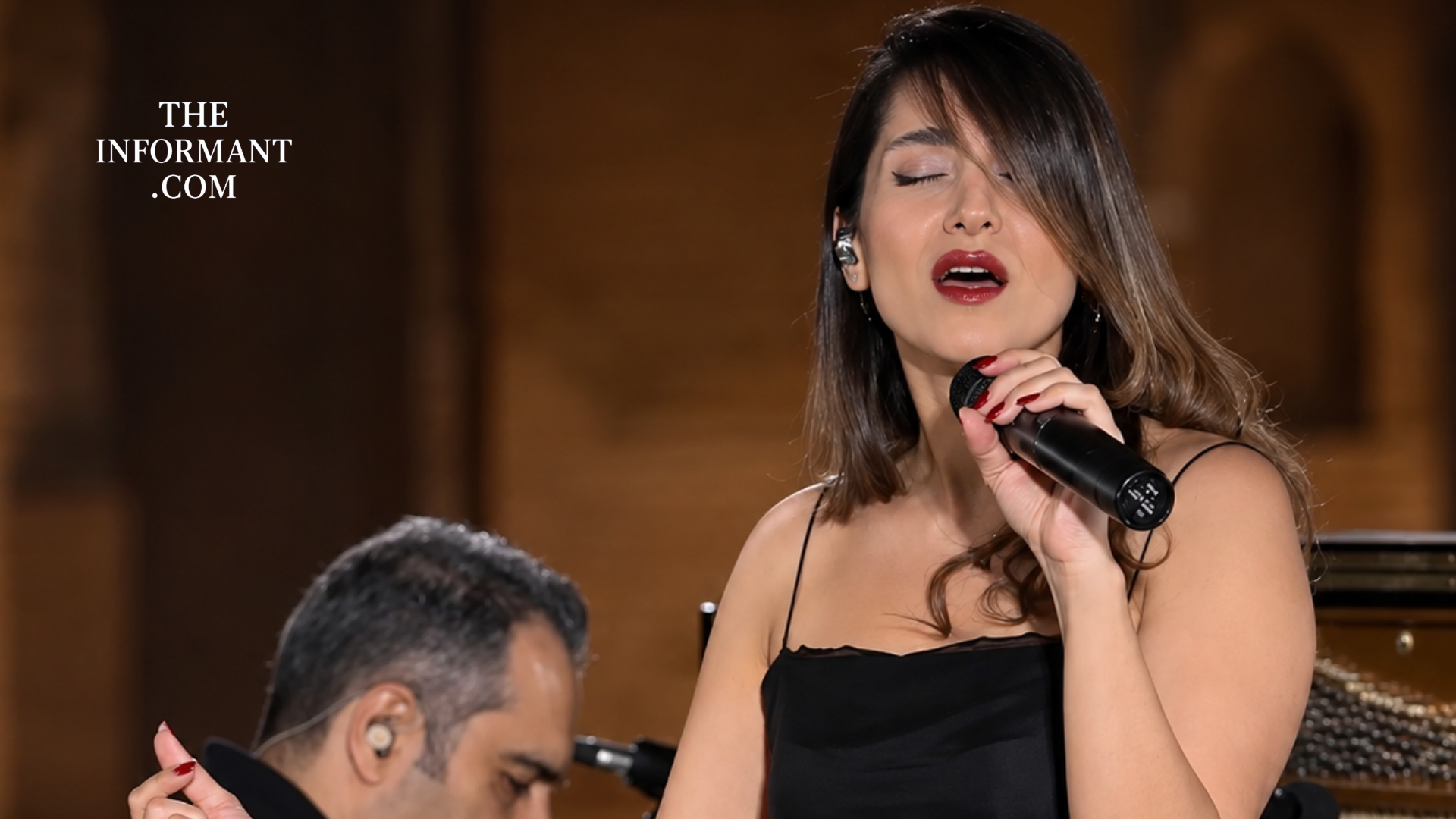
On December 11, 2024, Parastoo Ahmadi broadcast a musical performance from the historic Deir-e Gachin Caravanserai near Qom. Wearing a sleeveless dress and appearing with her hair uncovered, the singer performed alongside a group of musicians in a concert that became widely known as the “Imaginary Concert.” Although no spectators were physically present at the venue, the recording reached millions of viewers online.
The performance challenged longstanding restrictions affecting female artists in Iran, where authorities impose compulsory dress requirements and significantly restrict women’s solo singing before mixed-gender audiences. Criminal proceedings followed the publication of the recording, drawing attention to the limitations imposed on artistic performances distributed through digital platforms.
COURT UPHELDS SENTENCES AGAINST THE CONCERT TEAM
In June 2026, a criminal court in Qom convicted Ahmadi and eight other individuals associated with the production on public morality charges related to the material distributed online. The defendants challenged the decision, but a provincial appeals court upheld the sentences in September, allowing authorities to proceed with their enforcement.
Lawyers representing the defendants attempted to obtain a reversal, reduction or suspension of the punishment, according to subsequent reporting. Their efforts were unsuccessful, and five members of the concert team appeared before judicial authorities on November 23, when the corporal punishment was reportedly administered. The enforcement status of the remaining four defendants has not been publicly established.
Esta mañana la cantante iraní Parastoo Ahmadi recibió 74 latigazos como castigo por haber cantado en público sin el hiyab obligatorio.
— Agustín Antonetti (@agusantonetti) November 24, 2026
Los cuatro músicos que la acompañaban y aparecen junto a ella en un video que subieron a Youtube también recibieron latigazos como castigo.…
THREE MUSICIANS AND A CONCERT ORGANIZER ALSO PUNISHED
The individuals who received the punishment alongside Ahmadi were musicians Soheil Faghih-Nasiri, Amin Taheri and Amirali Pirnia, as well as concert organizer Mohsen Lashkari. Each received the same sentence of 74 lashes, according to information provided by their legal representatives and reported by human rights organizations.
The convictions also included restrictions preventing the affected individuals from continuing their artistic and musical activities or traveling outside Iran for two years. These additional measures could significantly affect their professional careers, limiting their ability to perform, produce new material and participate in international cultural events.
HUMAN RIGHTS ORGANIZATIONS CONDEMN CORPORAL PUNISHMENT
International human rights organizations have repeatedly criticized Iran’s use of flogging as a judicial punishment. Amnesty International previously called for the sentences against Ahmadi and her colleagues to be overturned, arguing that corporal punishment violates international protections against torture and degrading treatment.
The case highlights the consequences that artists may face when their work conflicts with government-imposed restrictions on public expression. Human rights advocates have called for greater protection of creative freedom and women’s participation in cultural activities, while Iranian authorities have rejected international criticism of their human rights policies.
WOMEN’S RIGHTS AND ARTISTIC FREEDOM IN IRAN
The punishment comes against the backdrop of continuing tensions over compulsory hijab requirements in Iran. These restrictions became a central issue during the nationwide demonstrations that followed the September 2022 death of Mahsa Amini, a young woman who died in custody after being detained over alleged violations of the country’s dress regulations.
Although more Iranian women have appeared in public without headscarves in recent years, compulsory dress requirements remain in place. Female performers also encounter restrictions on public appearances and musical activities, creating significant obstacles for artists seeking to pursue professional careers independently.
PARASTOO AHMADI’S CASE DRAWS INTERNATIONAL ATTENTION
The enforcement of the sentences has brought renewed attention to Ahmadi’s original performance and the broader debate surrounding freedom of expression in Iran. Her concert, initially distributed as an online artistic project, has become a prominent example of the legal consequences that can arise from challenging restrictions on women’s public participation.
As of November 24, the reported punishment has been documented through statements from legal representatives and coverage by several international news organizations. However, Iranian judicial authorities had not independently confirmed the enforcement in response to Reuters’ inquiries, and the current medical condition of the five individuals has not been publicly established.