WASHINGTON, D.C. — November 23, 2026.
U.S. intelligence agencies reportedly tracked communications between Alice Huang, a former executive at Singapore-based technology company Megaspeed International, and an official from China’s Ministry of State Security (MSS) during a period that overlapped with her extramarital relationship with Nvidia co-founder Jensen Huang. The allegations, detailed in a New York Times investigation and reported by Reuters on Monday, have intensified concerns about potential Chinese intelligence operations targeting the American semiconductor industry.
According to the report, Alice Huang maintained contact with the Chinese intelligence official from spring 2025 through fall 2026, while U.S. authorities were investigating possible efforts to obtain sensitive information about Nvidia and the international movement of advanced artificial intelligence chips. Although the reported communications have raised serious national security questions, investigators have not publicly established that she conducted espionage or that Jensen Huang knowingly disclosed confidential information.
U.S. INTELLIGENCE REPORTEDLY MONITORED CONTACTS WITH CHINA’S MSS
The New York Times reported that American intelligence officials had gathered information indicating Alice Huang remained in communication with an officer of China’s Ministry of State Security, the country’s principal civilian intelligence and counterintelligence agency. The reported contacts continued for more than a year, overlapping with at least part of her relationship with Jensen Huang and a period of heightened scrutiny surrounding Megaspeed’s semiconductor business.
The allegations add to earlier reporting that U.S. intelligence agencies had monitored Alice Huang because of concerns that she could have been recruited to gather information about Nvidia’s technology, business relationships and efforts to influence American export policies. However, the public reporting does not establish the full content of her communications with the alleged intelligence official, whether she received operational instructions or whether sensitive information was transferred.
WHO IS ALICE HUANG AND WHAT IS HER CONNECTION TO NVIDIA?
Alice Huang, also known as Huang Le, is a Chinese businesswoman who previously held senior positions at Megaspeed International, a Singapore-based cloud-computing company involved in the development of artificial intelligence infrastructure. The company became a significant customer of Nvidia, purchasing advanced processors and computing equipment used in AI data centers, according to corporate records and reporting reviewed by Reuters.
Her relationship with Jensen Huang attracted public attention after reports emerged about their personal involvement and Megaspeed’s business activities. The Nvidia co-founder acknowledged an extramarital relationship, while questions surrounding Alice Huang’s alleged intelligence contacts prompted additional scrutiny from federal investigators and members of Congress. Megaspeed has said she left the company in August 2025, a distinction that matters when evaluating her subsequent activities and responsibilities.
MEGASPEED FACES QUESTIONS ABOUT ADVANCED AI CHIP EXPORTS
The controversy extends beyond the reported personal relationship because U.S. authorities have investigated whether Megaspeed helped Chinese customers obtain access to advanced Nvidia technology in ways that violated American export restrictions. Those controls are designed to limit the transfer of certain high-performance semiconductors and related computing capabilities to entities that could support China’s military or intelligence programs.
Investigators have examined Megaspeed’s international operations, commercial relationships and purchases of Nvidia equipment, including whether advanced processors were diverted or made available to restricted customers. Megaspeed has disputed allegations of unlawful transfers and maintained that its business activities comply with applicable regulations. An investigation into possible export-control violations does not establish that the company or its former executives committed a crime.
JENSEN HUANG’S RESIGNATION AND REINSTATEMENT
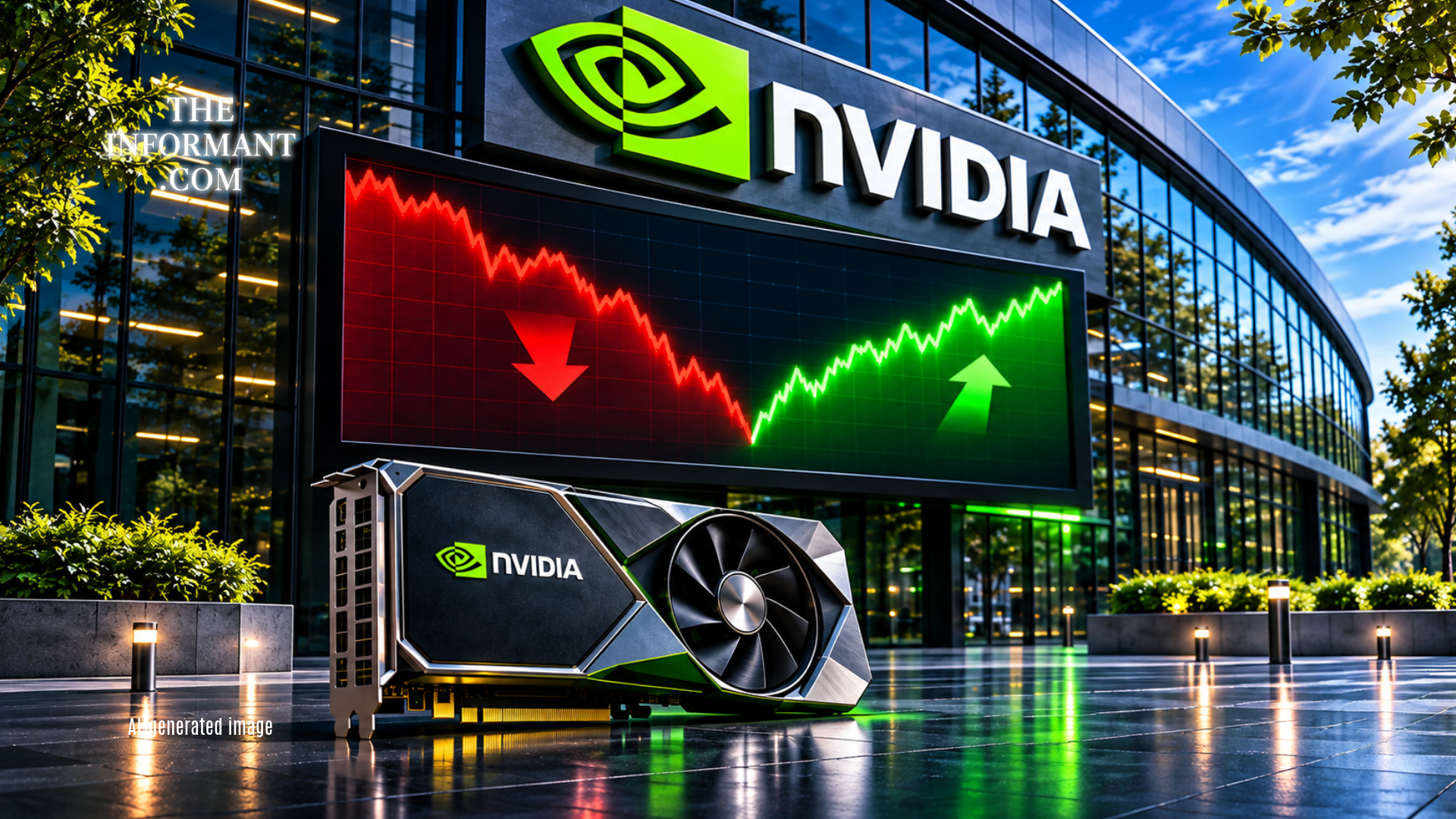
The allegations surrounding Alice Huang contributed to a corporate crisis that culminated in Jensen Huang’s resignation as Nvidia chief executive on November 12, 2026. The departure followed reports about his personal relationships and concerns that his access to sensitive commercial and policy discussions could have created potential national security vulnerabilities.
However, Nvidia announced on November 23 that its board had unanimously approved Huang’s reinstatement as president, chief executive officer and a director. The decision followed discussions with Huang and input from senior U.S. government officials, according to the company. His return does not mean that every allegation has been resolved, and the company’s independent investigation remains an important part of the continuing controversy.
CONGRESS DEMANDS ANSWERS ABOUT NATIONAL SECURITY RISKS
The reported intelligence concerns have prompted congressional scrutiny of Nvidia’s security procedures and the federal government’s enforcement of semiconductor export restrictions. In a November 4 letter, House committee leaders requested information from Jensen Huang about the company’s safeguards against foreign intelligence operations and his interactions with Alice Huang, whom lawmakers described in connection with publicly reported Chinese intelligence allegations.
Additional lawmakers have called for the preservation of government communications and records involving Nvidia, Megaspeed and the suspected intelligence operation. Their concerns include whether sensitive business information, technology-development plans or discussions about export policy could have become accessible to foreign intelligence services. These congressional inquiries reflect unresolved questions rather than findings that espionage or illegal chip transfers occurred.
CHINA REJECTS ESPIONAGE ACCUSATIONS
Chinese officials have rejected allegations that the country’s intelligence services conducted the reported operation involving Alice Huang, characterizing earlier claims as unsupported. The diplomatic dispute comes amid broader tensions between Washington and Beijing over advanced semiconductors, artificial intelligence infrastructure and the restrictions governing technology exports.
The allegations have also placed Nvidia in a difficult position as the company balances international commercial relationships with U.S. national security requirements. The company has maintained that its customer interactions do not involve sharing classified information or sensitive national security material, while American authorities continue examining the circumstances surrounding Megaspeed’s activities.
INVESTIGATORS HAVE NOT REACHED A PUBLIC FINAL CONCLUSION
Despite the significance of the reported contacts with China’s Ministry of State Security, U.S. officials have emphasized that the investigation remains ongoing. The Justice Department has not publicly announced a final determination that Alice Huang acted as a Chinese intelligence operative, and no verified finding establishes that Jensen Huang knowingly participated in an espionage scheme.
Reuters also stated that it could not independently confirm the intelligence information described by The New York Times. At the time of its report, Jensen Huang’s spokesperson declined to comment, while requests for comment to Alice Huang, Nvidia and the Chinese Embassy had not produced responses. Those limitations are central to distinguishing the allegations from established facts.
WHAT HAPPENS NEXT FOR NVIDIA AND THE INVESTIGATION?
The latest reporting increases pressure on Nvidia, federal regulators and congressional investigators to clarify the extent of any intelligence exposure and whether export-control safeguards were sufficient. Further developments could involve additional testimony, corporate disclosures, regulatory findings or public statements from the individuals and organizations involved.
For now, Jensen Huang has returned to Nvidia’s leadership, while the reported intelligence contacts and questions surrounding Megaspeed remain unresolved. The case illustrates the intersection of personal relationships, corporate governance and national security in an industry where advanced AI technology has become a central issue in U.S.–China competition.
The key distinction is that U.S. intelligence reportedly identified communications involving a Chinese intelligence official, but the public record does not establish that Alice Huang committed espionage or that Nvidia’s confidential technology was compromised.