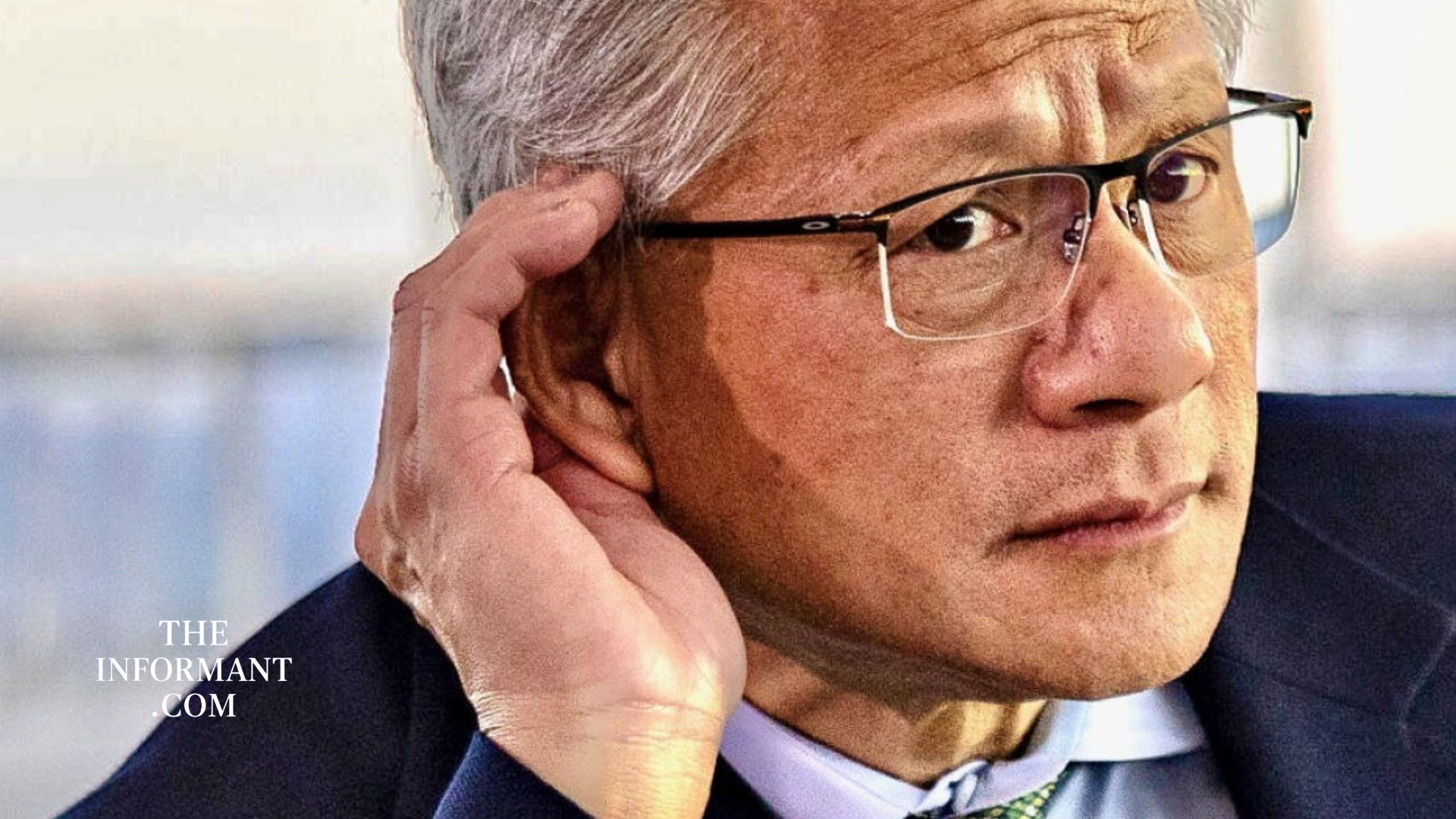
SANTA CLARA, CALIFORNIA — November 12, 2026. Jensen Huang, the co-founder and longtime chief executive of Nvidia, has resigned from his positions as president, CEO and member of the company’s board of directors, according to reports published Thursday by Reuters and other major news organizations. The departure follows days of mounting scrutiny surrounding allegations of two extramarital relationships, including one involving a businesswoman suspected by U.S. intelligence officials of having connections to Chinese intelligence. Nvidia Chief Financial Officer Colette Kress has been named interim CEO while the semiconductor giant searches for a permanent successor, marking an extraordinary leadership transition at one of the world’s most influential artificial intelligence companies.
JENSEN HUANG LEAVES NVIDIA AFTER DECADES AT THE HELM
Huang’s resignation marks the end of a leadership tenure that began when he co-founded Nvidia in 1993. Under his direction, the company evolved from a graphics-chip manufacturer focused on video games into a dominant supplier of processors used in artificial intelligence, advanced computing and data centers. His influence extended beyond Nvidia’s products, as he helped shape relationships with major cloud providers, technology developers and companies investing billions of dollars in AI infrastructure.
The leadership change was reported on November 12 following an emergency period of board discussions about Huang’s future. The Wall Street Journal had reported Wednesday that directors were preparing to consider removing him, while Reuters confirmed that the board was meeting to determine the executive’s position. The subsequent announcement ended uncertainty about his immediate role, although the company’s internal investigation and questions surrounding the circumstances of his departure remain unresolved.
COLETTE KRESS TAKES OVER AS INTERIM CEO
Nvidia has appointed Colette Kress, its longtime executive vice president and chief financial officer, to serve as interim chief executive while the board conducts a search for a permanent replacement. Kress has worked at Nvidia since 2013 and previously held senior financial positions at Microsoft, Cisco and Texas Instruments. Her experience overseeing the company’s finances and relationships with investors places her in a central position during a period of unusual uncertainty for the semiconductor industry.
Kress is expected to retain her financial responsibilities while assuming the additional duties of CEO. The board is considering both internal and external candidates for the permanent position, according to reporting on the leadership transition. Her appointment provides operational continuity, but investors will closely examine how the company manages product development, customer relationships, supply-chain commitments and the extensive financial arrangements that support the global AI infrastructure market.
HARVEY JONES NAMED CHAIRMAN OF NVIDIA’S BOARD
The leadership restructuring also includes the appointment of Harvey C. Jones as chairman of Nvidia’s board of directors. Jones has served on Nvidia’s board for many years and previously held senior leadership roles at Synopsys, a major company in semiconductor design software. His new position separates board leadership from the chief executive’s responsibilities as Nvidia begins evaluating its governance practices and long-term succession plans.
The appointment comes amid questions about how Nvidia’s directors handled the allegations involving Huang and whether the company’s internal policies were sufficient to address potential conflicts of interest. Independent directors had already initiated an investigation into possible national security concerns before the resignation. The board’s future decisions will therefore be closely watched not only for their implications for management but also for how the company responds to concerns involving executive conduct, security and corporate oversight.
ESPIONAGE ALLEGATIONS INVOLVING ALICE HUANG
The controversy began with reports about Huang’s relationship with Alice Huang, also identified in some reporting as Huang Le, a businesswoman associated with Singapore-based technology company Megaspeed. U.S. officials reportedly suspect that she may have connections to Chinese intelligence, an allegation that has not been established through a public criminal conviction. The reports raised concerns about whether a personal relationship involving the leader of a major American semiconductor company could have created opportunities for unauthorized access to sensitive commercial or national security information.
On November 8, Nvidia’s board announced an independent investigation into reports that its chief executive may have been targeted by a foreign intelligence operation. At the time, directors stated that they had no reason to believe Nvidia’s proprietary information or U.S. national security had been compromised. That distinction remains critical: an intelligence suspicion involving a person associated with Huang does not establish that espionage occurred, that confidential technology was transferred or that Huang knowingly assisted a foreign intelligence service.
SECOND REPORTED RELATIONSHIP INTENSIFIES BOARD SCRUTINY
The controversy expanded on November 11 when The New York Times reported that Huang had also been involved in a relationship with a company executive who reported to him. The allegation introduced a separate corporate governance issue because relationships involving senior executives and subordinates may raise questions about conflicts of interest, workplace policies and the use of executive authority. The report contributed to the pressure facing Nvidia’s board as directors considered whether Huang could continue leading the company.
Huang had already acknowledged being unfaithful to his wife in a November 8 message to employees, apologizing to his family and accepting responsibility for his personal conduct. However, his statement did not independently confirm every detail of the relationships described in subsequent reporting. The board’s review must distinguish between admitted conduct, allegations reported by unnamed sources and any findings that could establish violations of company policy or law.
NVIDIA SHARES SLIDE AS INVESTORS REACT
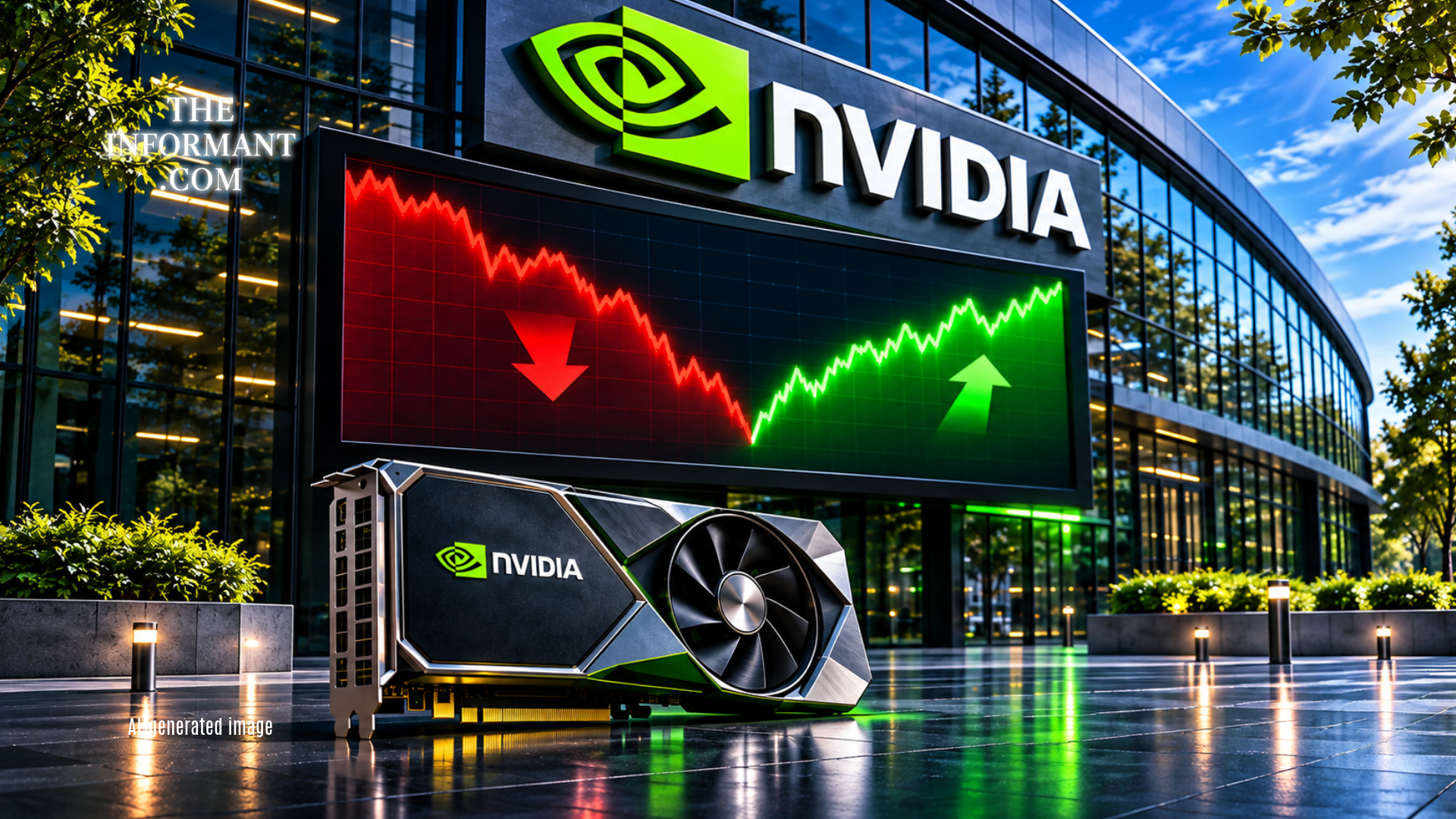
Nvidia shares fell more than 10% in premarket trading on Thursday as investors reacted to the leadership transition and the uncertainty surrounding the company’s future direction. The decline followed significant selling in after-hours trading Wednesday, when reports of the board’s discussions triggered concern across technology markets. Other companies linked to the artificial intelligence industry also experienced pressure as traders assessed the potential consequences of losing one of the sector’s most recognizable executives.
The market reaction reflects concerns about leadership continuity rather than evidence that Nvidia’s products or underlying technology have suddenly become less competitive. The company remains a major supplier of AI accelerators, networking equipment and software infrastructure used by technology companies around the world. However, Huang played an unusually prominent role in coordinating customer relationships, strategic investments and long-term development plans, making his departure a significant issue for investors evaluating Nvidia’s future performance.
WHY HUANG’S DEPARTURE MATTERS TO THE AI INDUSTRY
Nvidia has become a central supplier of computing technology used to train and operate advanced artificial intelligence systems. Its graphics processors are deployed in data centers operated by major cloud providers, research institutions and technology companies, while its CUDA software platform supports a large ecosystem of developers. Huang’s leadership helped transform those products into a business that became one of the most valuable companies in the world.
The transition also comes during a period of tension between Washington and Beijing over access to advanced semiconductors. U.S. export controls restrict certain high-performance chips and related technologies, while Chinese companies continue investing in domestic alternatives. Because Huang had been closely involved in discussions about the company’s access to international markets, his departure may affect Nvidia’s approach to regulatory negotiations, partnerships and investment decisions. Any actual changes to company policy, however, will depend on decisions made by the new leadership team.
INVESTIGATION AND SUCCESSION PROCESS REMAIN UNRESOLVED
Although Huang has left his executive and board positions, the resignation does not resolve the questions that prompted the independent investigation. Directors must still determine whether any sensitive information was compromised, whether company policies were violated and whether additional governance measures are necessary. No public finding has established that Huang transferred confidential information to Chinese intelligence or that Nvidia’s proprietary technology was stolen through the reported relationship.
The company must also prepare for its next earnings announcement and explain how its leadership transition will affect operations, financial commitments and relationships with major customers. Kress faces the immediate challenge of maintaining confidence among employees, investors and business partners while the board searches for a permanent chief executive. The investigation’s conclusions, any subsequent regulatory developments and Nvidia’s future financial performance will determine the longer-term consequences of one of the technology industry’s most significant executive departures.