Traders face competing signals: vulnerable shipping routes and signs that supplies are recovering.
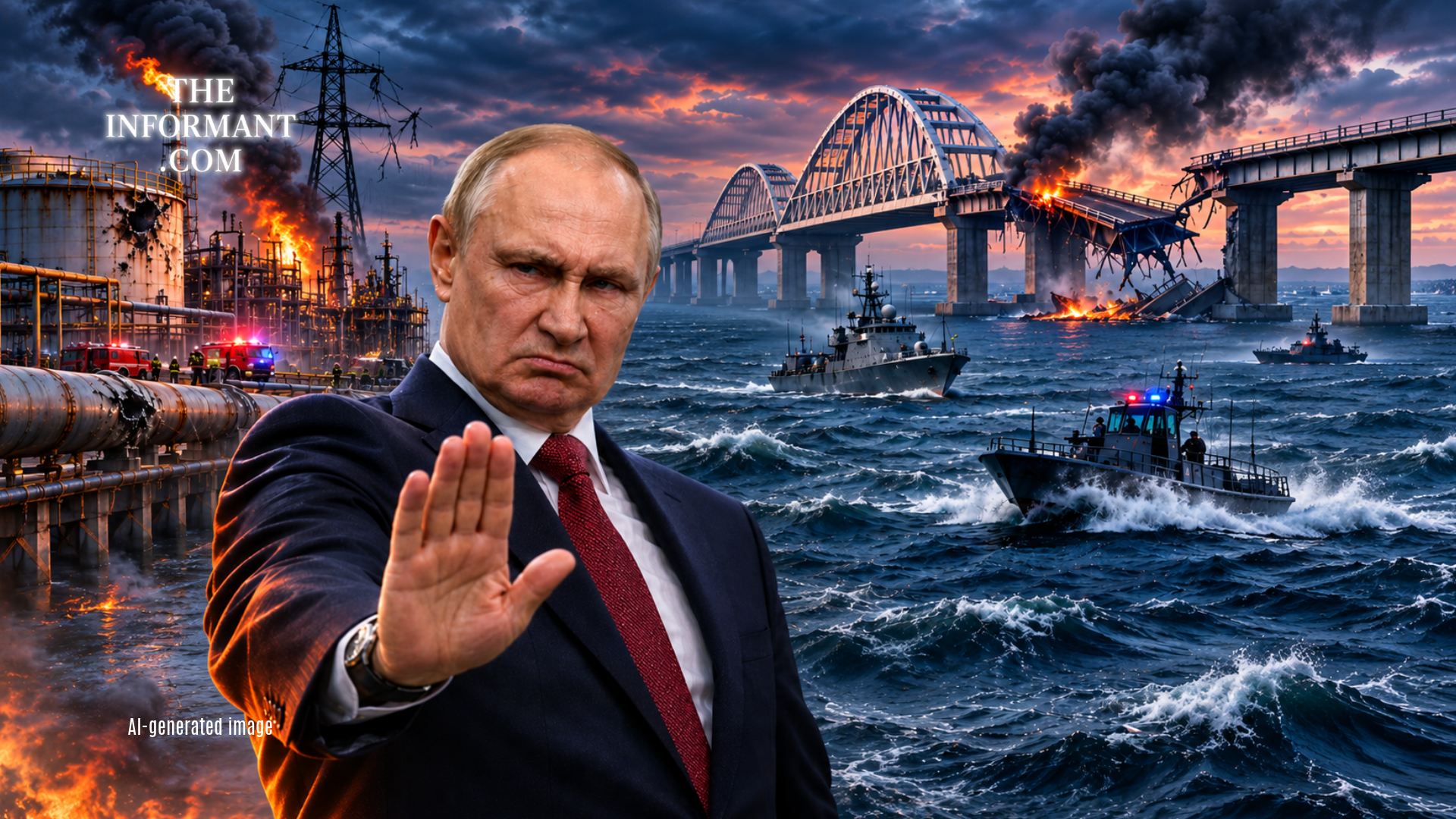
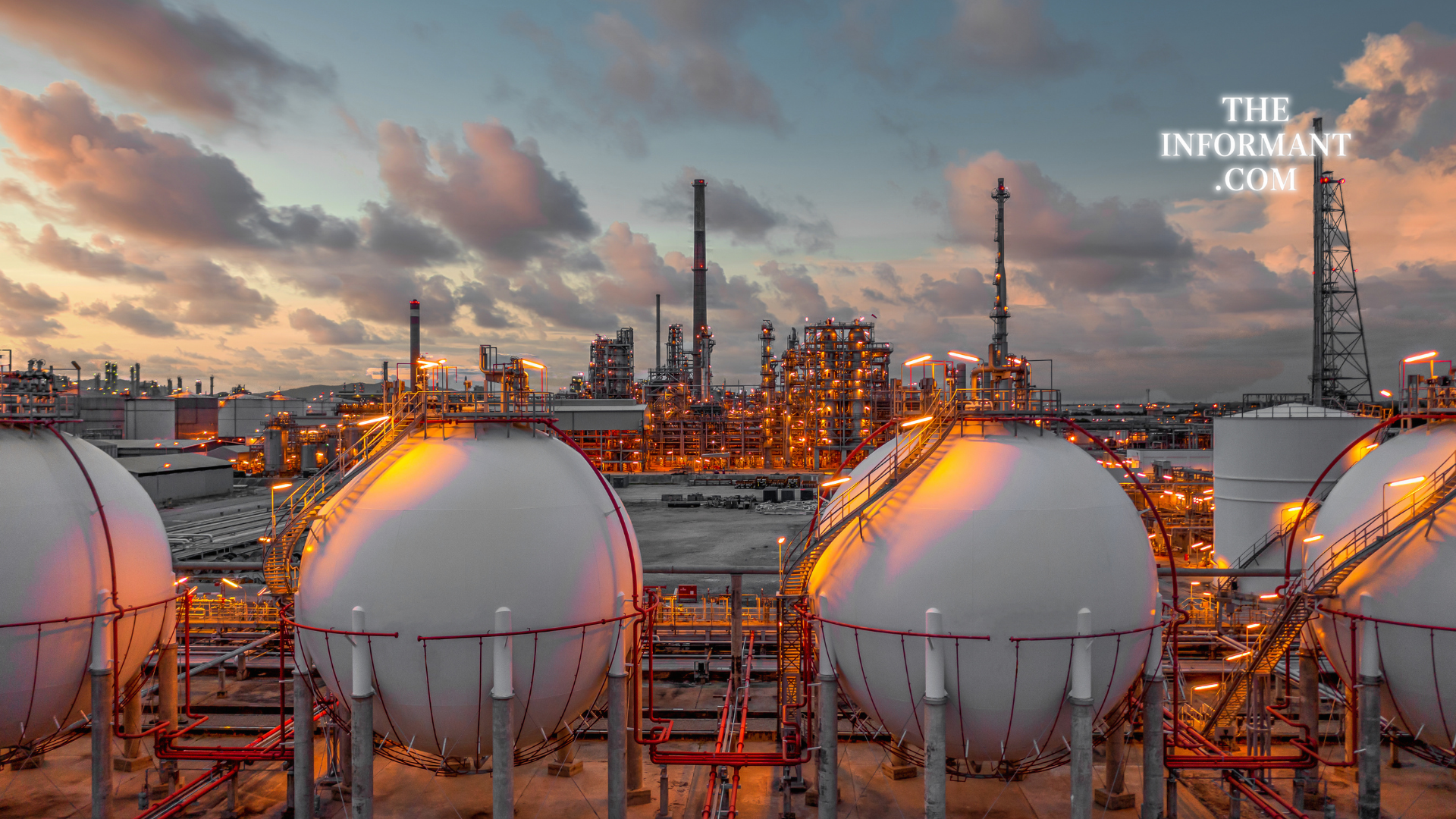
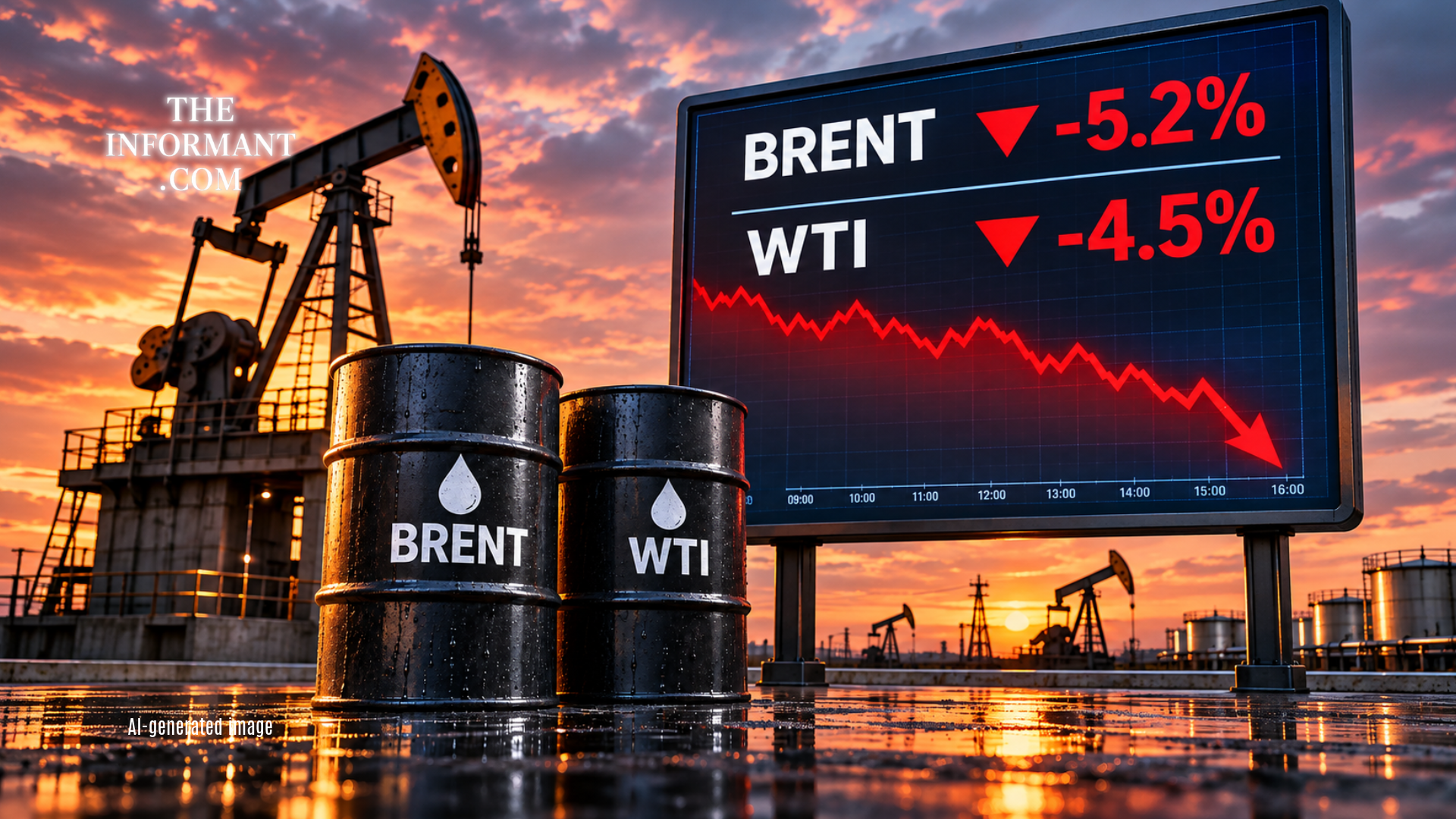
Oil futures advanced Thursday as concerns about shipping through the Strait of Hormuz supported prices. At 9:16 a.m. ET, Brent traded at $93.19 a barrel, up 1.35%, while December West Texas Intermediate reached $84.55, gaining 1.6%, Reuters reported. live
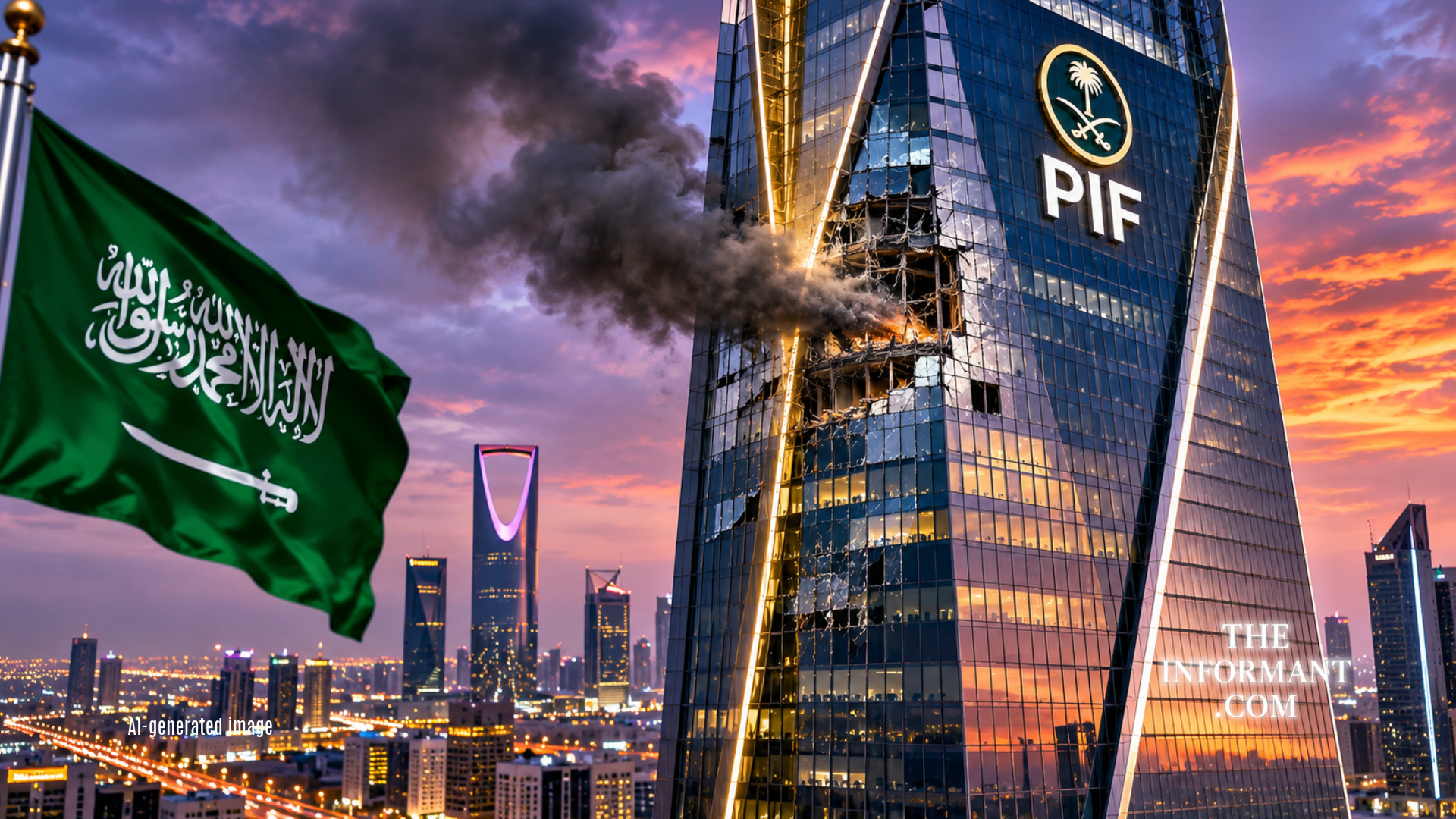
Reports from the region added uncertainty. Iran’s navy claimed that two tankers struck naval mines in the strait; Reuters said it could not independently verify that account. The distinction matters as traders assess potential disruptions to petroleum deliveries. live
The broader supply picture points in another direction. The International Energy Agency’s November outlook anticipates a global oil surplus in the fourth quarter, followed by a larger surplus in 2027. Those projections depend on a sustained recovery in supply. IEA
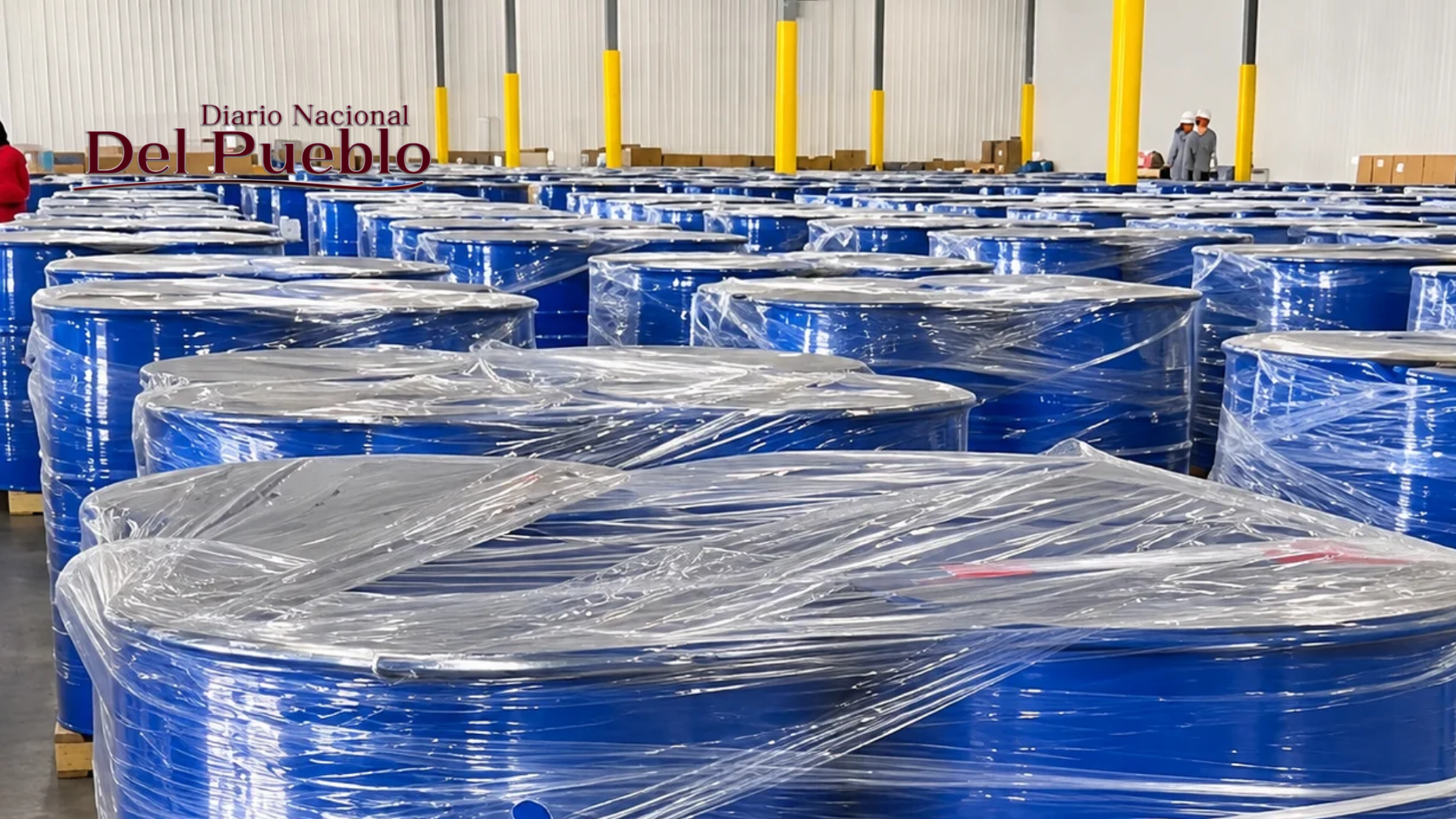
U.S. inventories provide another sign of improving availability. Commercial crude stocks, excluding the Strategic Petroleum Reserve, increased by 3.4 million barrels to 417.8 million in the week ended November 13, according to the Energy Information Administration. ir.eia.gov
Fuel inventories also expanded. Gasoline stocks rose by 5.2 million barrels, while distillates—which include diesel and heating oil—increased by 1.6 million. These weekly changes describe supplies held in storage, rather than a forecast of future production. CME Group
That leaves the market balancing recovery against vulnerability. The IEA warns that attacks on shipping threaten the maritime security needed to sustain improving supplies. A projected surplus therefore does not eliminate the possibility of renewed disruption or price volatility.
Oil markets:
risk meets recovery
Oil futures snapshot
U.S. dollars per barrel · Zero baseline
U.S. inventories increased
Weekly change, million barrels · Week ended Nov. 13, 2026
The IEA forecasts a global oil surplus in Q4 2026.
Maritime attacks threaten the recovery assumed in that outlook.