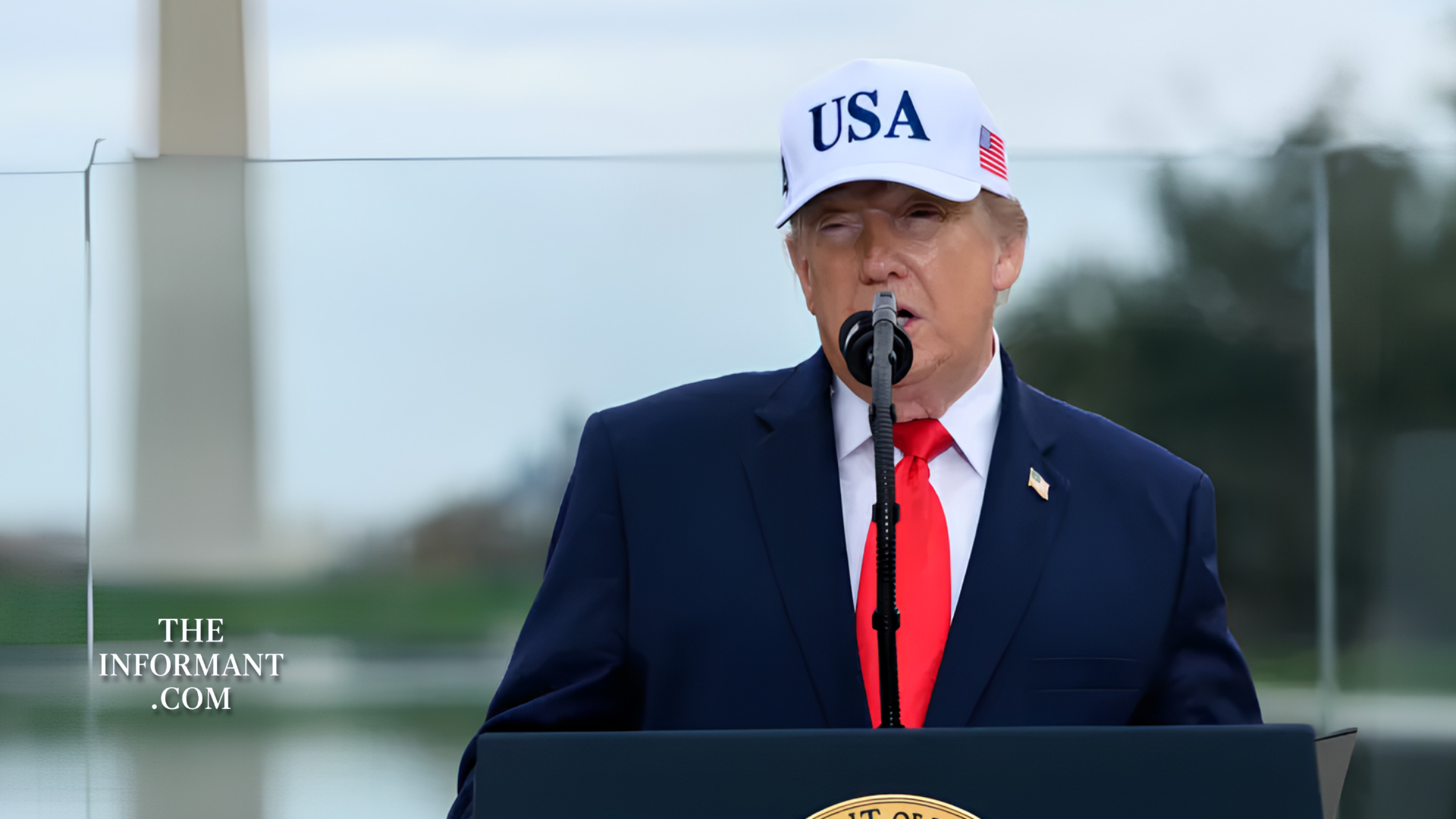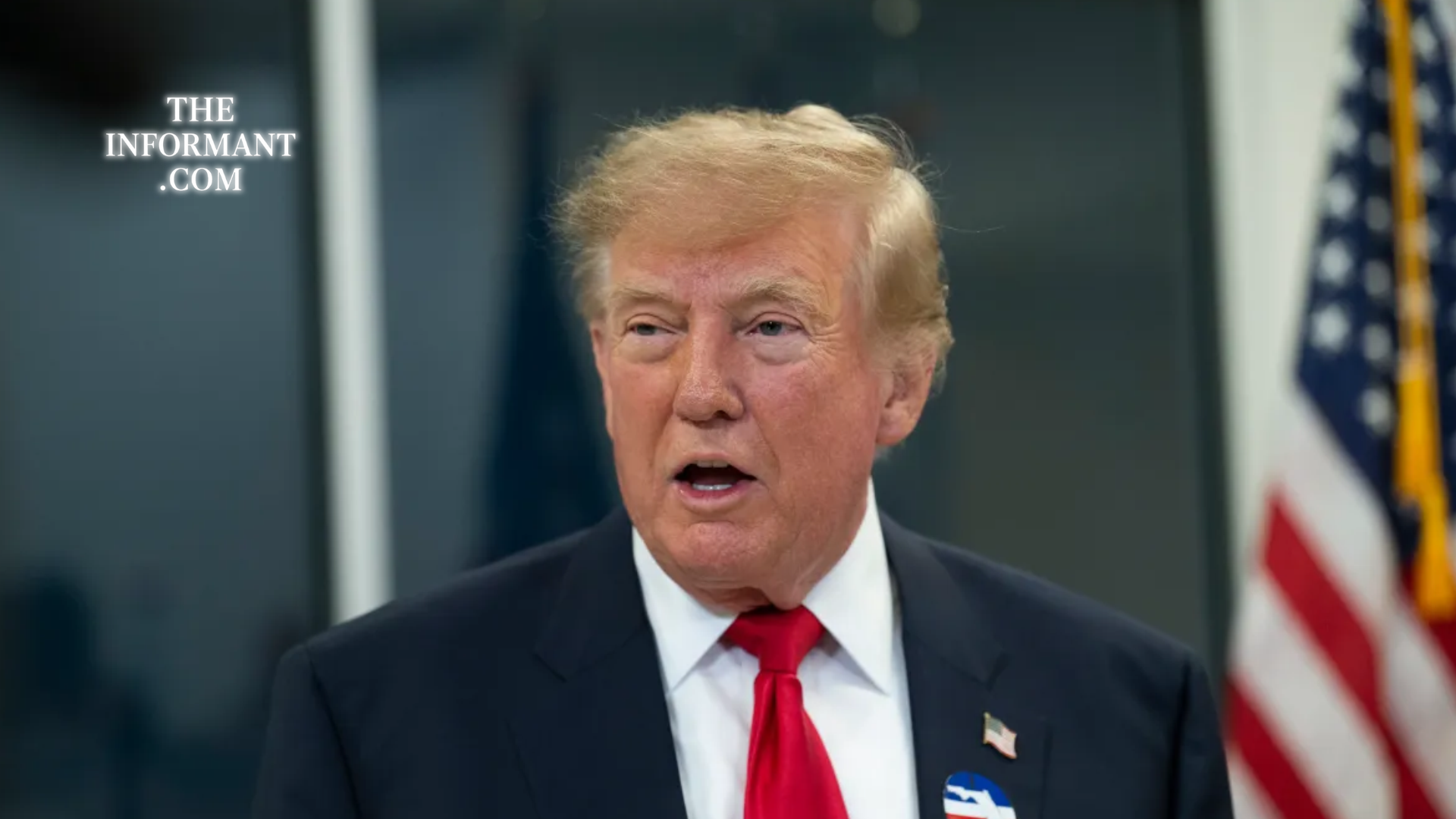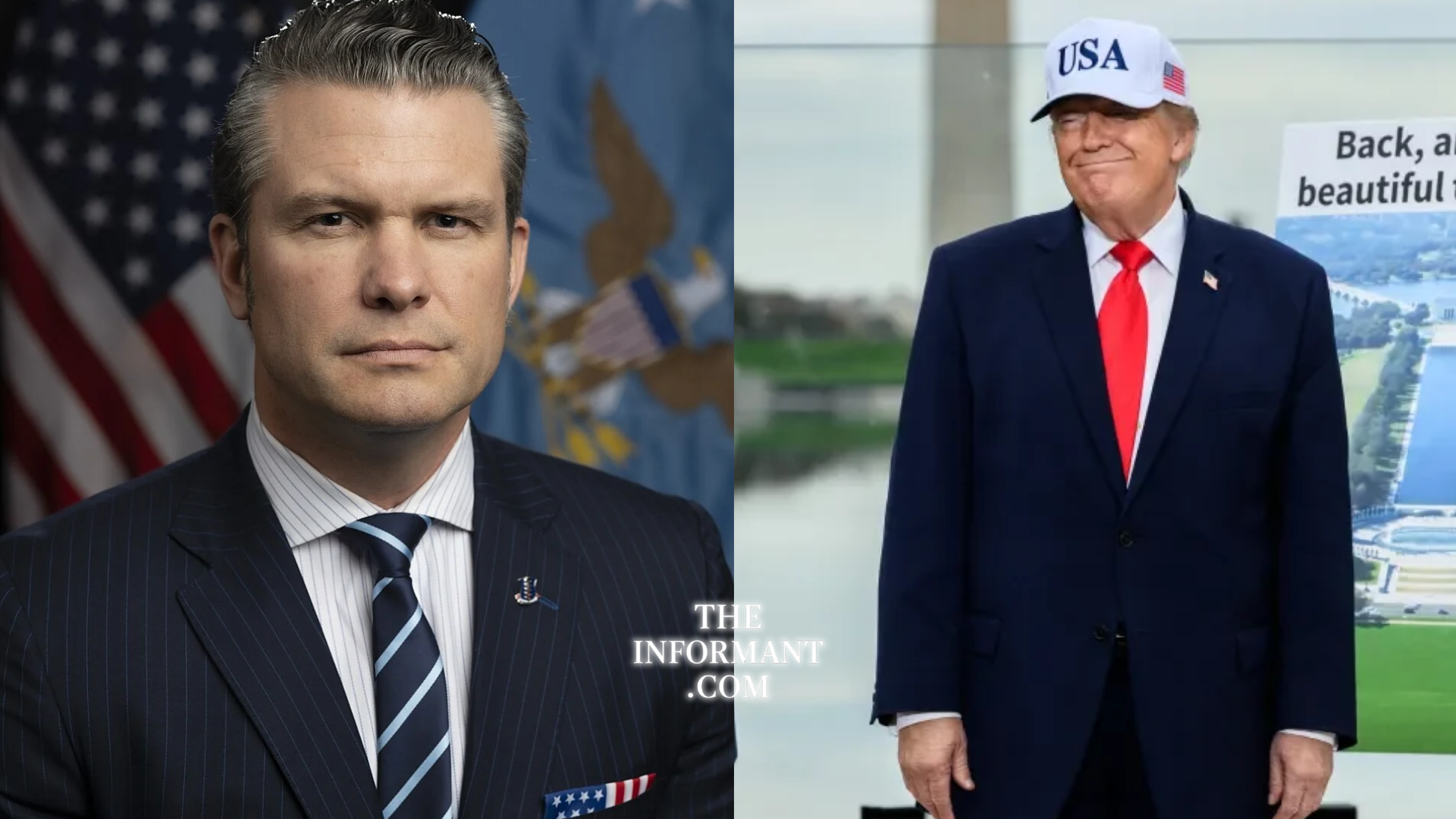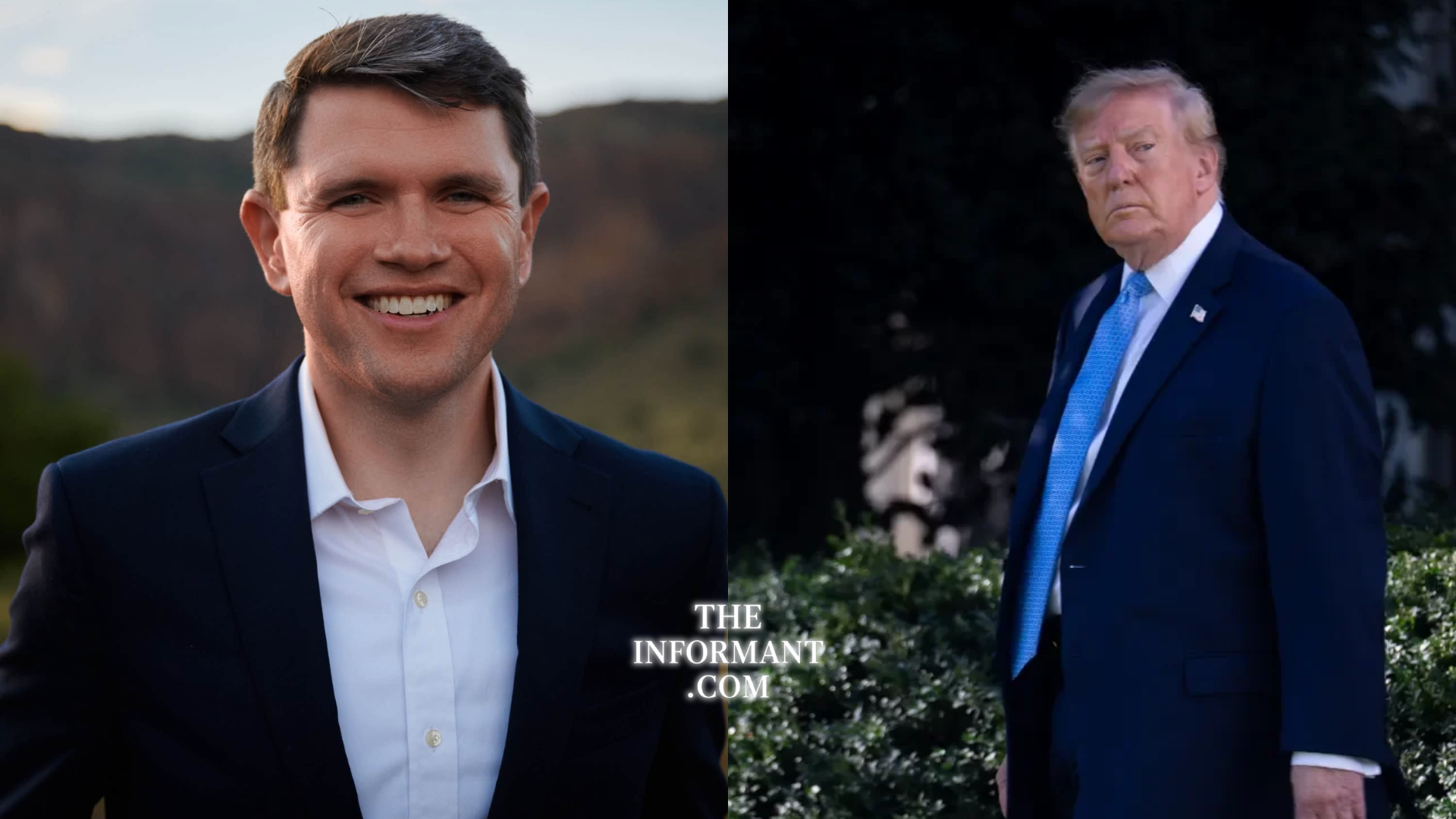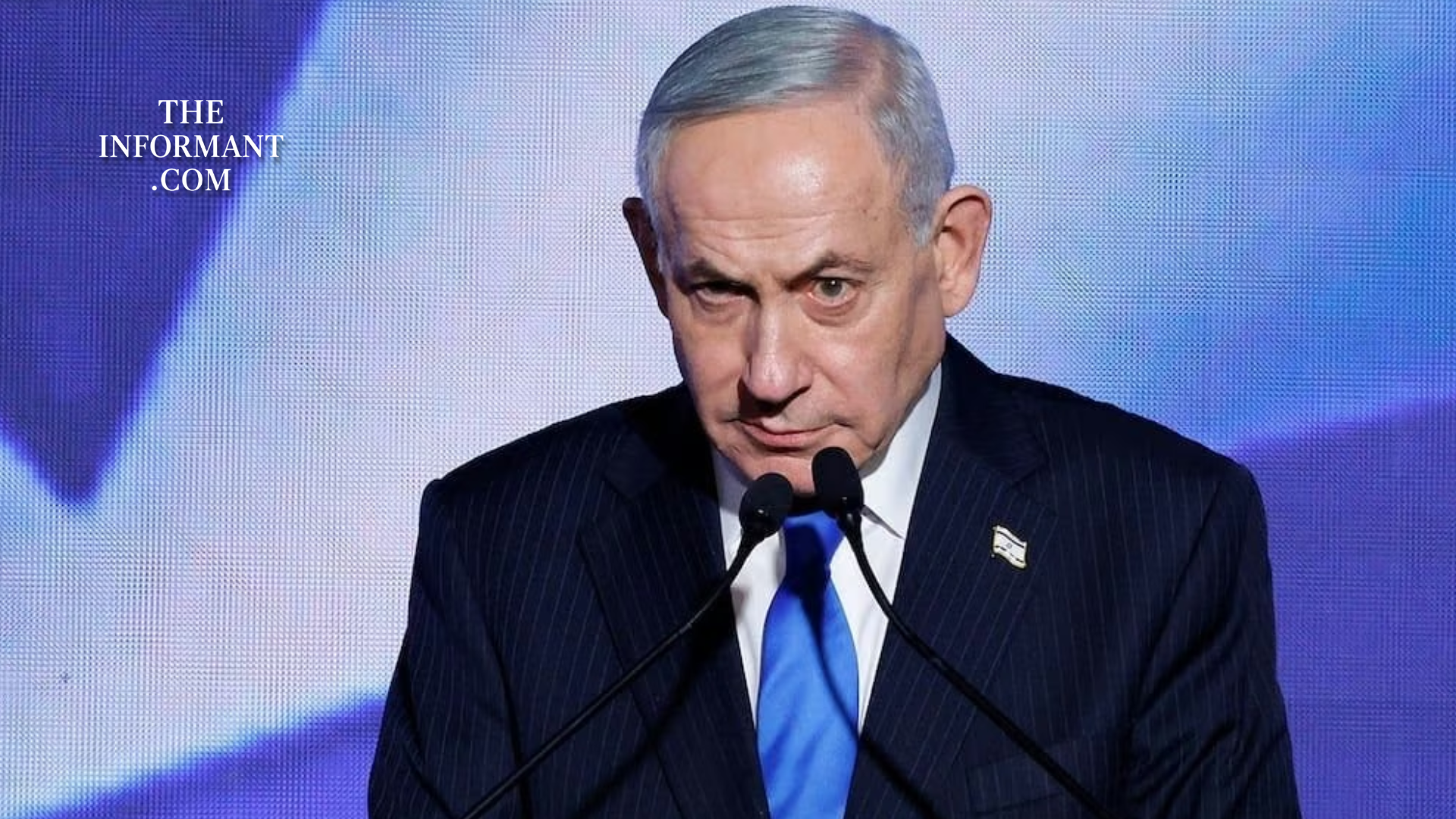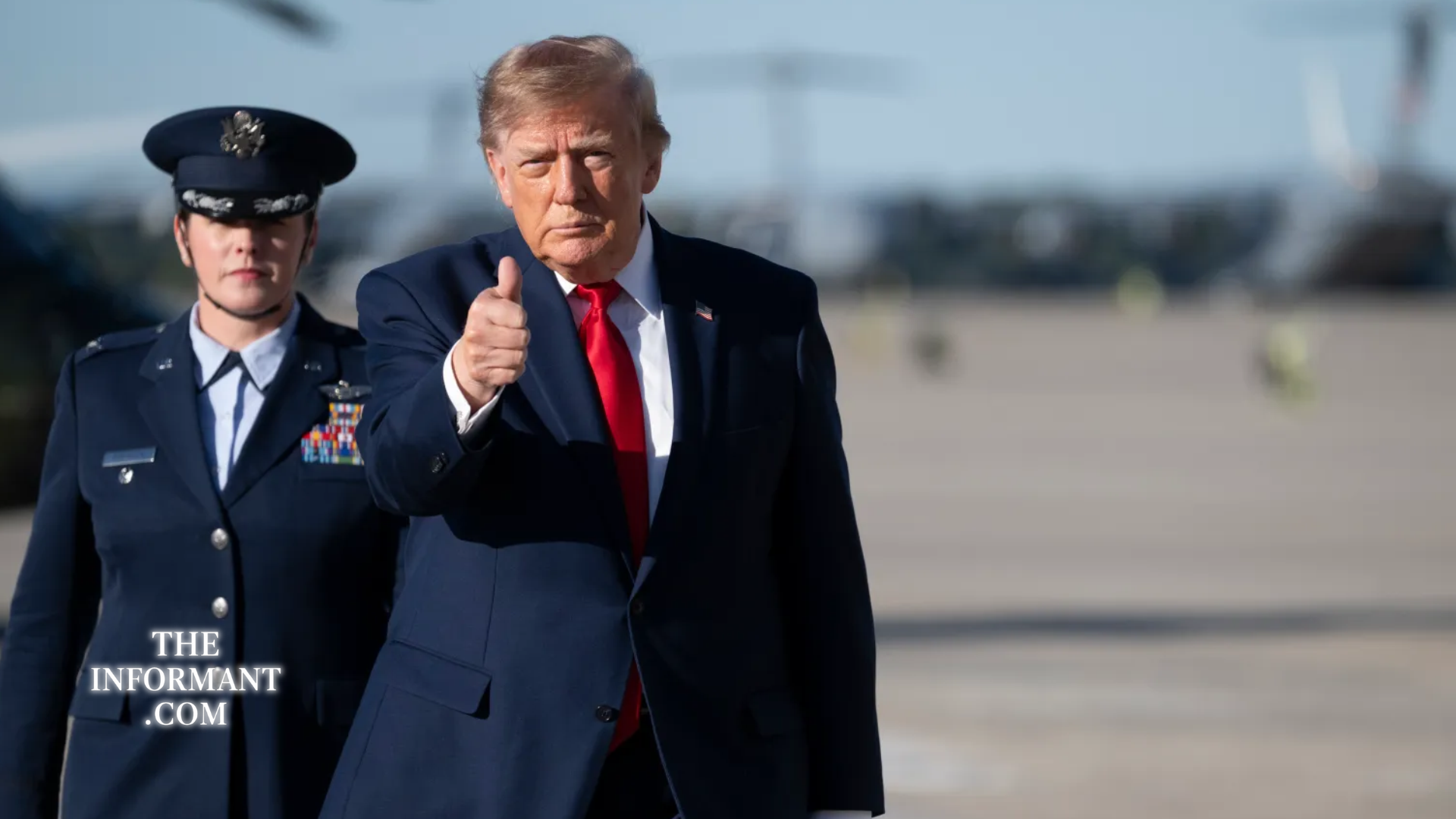
WASHINGTON, D.C. — November 3, 2026. President Donald Trump announced Tuesday that the United States intends to stop providing approximately $4 billion in annual military assistance to Israel by the end of 2026, saying he reached an agreement with Israeli Prime Minister Benjamin Netanyahu months ago. The announcement, made during an interview with Fox News on Election Day, could mark a major shift in U.S.–Israel relations, although the administration has not explained how the proposed cutoff would be implemented.
TRUMP ANNOUNCES PLAN TO END ANNUAL AID
During an appearance on Fox & Friends, Trump said Israel had become economically strong enough to finance its own defense needs without relying on American assistance.
The president stated that he and Netanyahu had discussed ending the annual funding and claimed the Israeli leader supported the proposal.
According to Trump, the two governments reached an understanding months earlier that would bring the payments to an end after December 2026.
However, Netanyahu’s office had not publicly confirmed the agreement at the time of the announcement.
WHY TRUMP SAYS ISRAEL NO LONGER NEEDS THE MONEY
Trump argued that Israel’s economic development and military capabilities had reduced its need for direct American financial assistance.
He described Israel as a successful country capable of purchasing the defense equipment it requires.
The president also said the United States would remain willing to provide assistance if Israel faced circumstances requiring additional support.
His comments suggest a proposed shift away from recurring military grants rather than a complete termination of the strategic relationship.
POLITICAL DEBATE OVER U.S. AID TO ISRAEL
The president explicitly connected the proposed funding change to political criticism surrounding American assistance to Israel.
Trump argued that some Democratic candidates had used the approximately $4 billion annual commitment as a campaign issue against Republicans.
His remarks came on November 3, as Americans voted in congressional midterm elections that will determine the balance of power in Washington.
U.S. military assistance to Israel has become an increasingly contested subject in American politics, particularly following years of conflict in the Middle East.
EXISTING MILITARY AID AGREEMENT RUNS THROUGH 2028
The proposed cutoff raises significant questions because the current U.S.–Israel military assistance framework remains in effect through fiscal year 2028.
Under a memorandum of understanding signed in 2016, Washington committed to providing $38 billion over 10 years, subject to congressional appropriations.
That arrangement includes approximately $3.3 billion annually in Foreign Military Financing and another $500 million for cooperative missile defense programs.
The memorandum establishes a framework for assistance but is not itself a treaty. Congress retains authority over appropriations, meaning that changes to existing funding arrangements may require legislative action.
U.S. WEAPONS SALES WOULD CONTINUE
Trump emphasized that ending recurring assistance would not prevent Israel from purchasing American military equipment.
The distinction is important because much of the current assistance is used to finance weapons and defense systems manufactured by U.S. companies.
A transition toward direct purchases could change how Israeli defense procurement is funded while preserving commercial relationships with American defense contractors.
However, the administration has not clarified how existing weapons contracts, previously approved funding or future deliveries would be affected.
NETANYAHU PREVIOUSLY DISCUSSED REDUCING DEPENDENCE
Netanyahu has previously expressed support for gradually reducing Israel’s dependence on U.S. military assistance.
His earlier statements described a longer-term transition rather than an immediate termination of annual funding.
Trump’s proposed December 2026 deadline therefore represents a substantially faster timetable than the gradual approach previously discussed publicly.
As of Tuesday’s announcement, the Israeli government had not released a detailed statement confirming the new schedule or explaining its financial implications.
QUESTIONS REMAIN OVER IMPLEMENTATION
The White House has not provided a formal document specifying which assistance programs would be discontinued.
It also remains unclear whether the administration intends to cancel future appropriations, modify existing agreements or negotiate a new framework with Israel and Congress.
Any change could have consequences for U.S. defense manufacturers, Israeli military procurement and the broader security relationship between the two countries.
The absence of a published implementation plan means the announcement should be understood as a presidential policy statement rather than confirmation that funding has already ended.
A POTENTIAL SHIFT IN U.S.–ISRAEL RELATIONS
Trump’s announcement comes amid changing political debates over American foreign assistance and military spending.
If implemented, the proposal would significantly alter the financial structure of one of Washington’s longest-standing security partnerships in the Middle East.
For now, the United States continues operating under the existing assistance framework, while questions remain about the reported agreement with Netanyahu and the steps necessary to carry out the proposed cutoff.
The administration’s next decisions, including any congressional consultation or formal policy changes, will determine whether the announced plan takes effect by the end of 2026.