MOSCOW, RUSSIA — November 26, 2026.
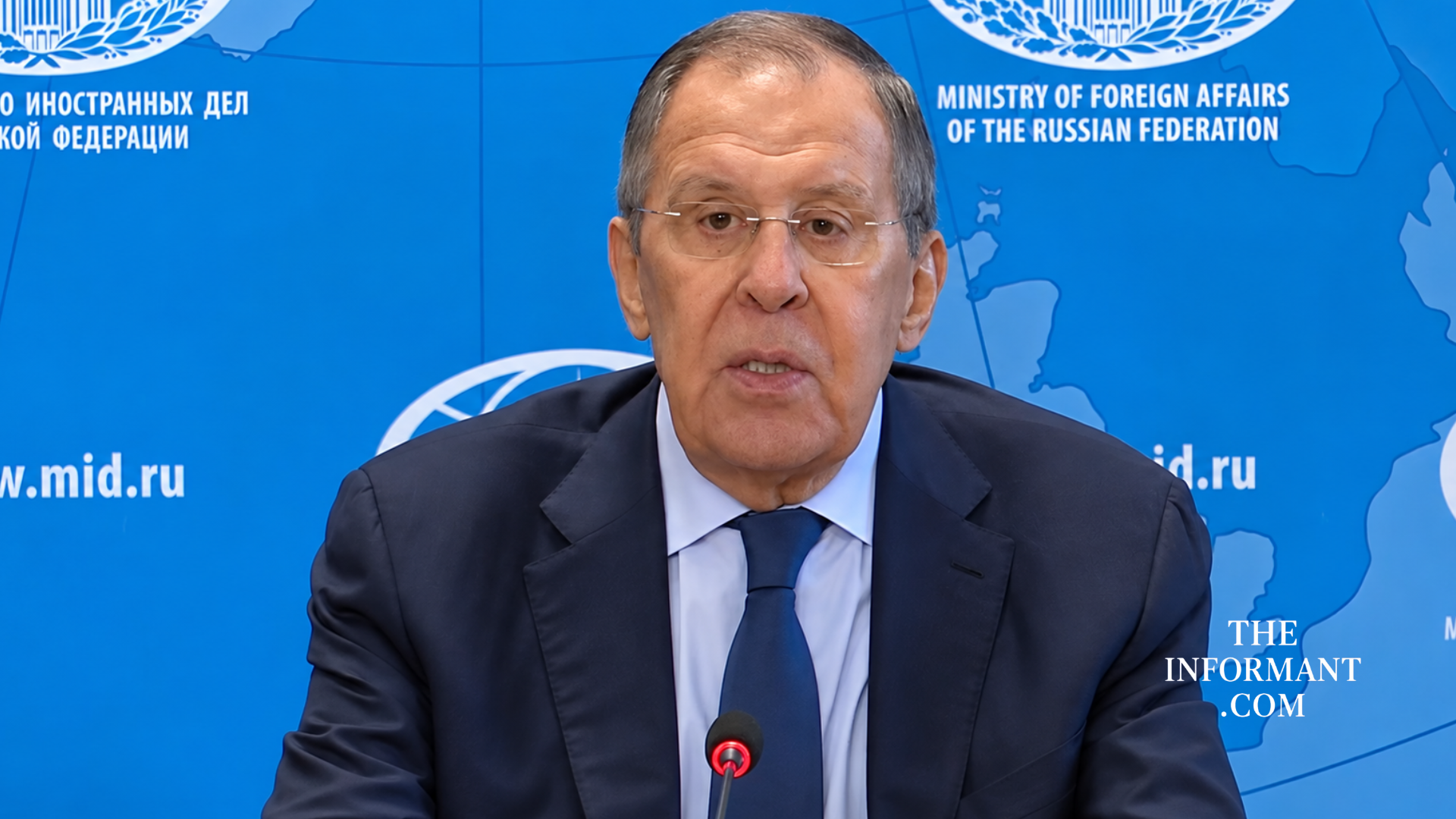
Russian Foreign Minister Sergey Lavrov challenged the influence of Western powers in international affairs on Thursday, arguing that the United States, European nations and their allies will increasingly have to rely on negotiations rather than political and economic pressure to advance their interests. His remarks came amid continuing geopolitical tensions over the war in Ukraine, international sanctions and the evolving relationships between major global powers.
Speaking in Moscow to participants in a program organized by the Alexander Gorchakov Public Diplomacy Fund, Lavrov acknowledged that Western nations would remain significant international actors. However, he argued that their ability to determine the diplomatic relationships, domestic policies and economic decisions of other countries would diminish as alternative centers of influence emerge.
LAVROV CHALLENGES WESTERN POLITICAL INFLUENCE
The Russian foreign minister presented the changing international distribution of power as a long-term transformation rather than a temporary geopolitical development. According to Lavrov, emerging economies and regional powers are creating new opportunities for diplomatic and commercial cooperation outside traditional Western-led arrangements.
His remarks emphasized that Western countries would have to engage in negotiations with other governments instead of expecting them to adopt particular political positions or participate in sanctions against third countries. This characterization reflects Moscow’s longstanding criticism of what Russian authorities describe as Western dominance in international institutions.
RUSSIA HIGHLIGHTS RELATIONSHIPS WITH CHINA, INDIA AND IRAN
During the meeting, Lavrov pointed to Moscow’s relationship with Beijing and referred to the recent Asia-Pacific Economic Cooperation summit in Shenzhen as an example of diplomatic engagement among major international powers. He also highlighted Russia’s strategic partnerships with India and Iran, alongside its alliance treaty with North Korea.
These relationships form part of Russia’s broader foreign policy strategy as Moscow seeks to maintain economic and diplomatic cooperation beyond Europe and North America. However, the countries involved have distinct national interests and foreign policy objectives, and their cooperation with Russia does not necessarily imply a unified position on every international issue.
🇷🇺 | El ministro de Asuntos Exteriores de Rusia, Lavrov:
— Alerta News 24 (@AlertaNews24) November 26, 2026
Está claro que Occidente no va a desaparecer. Ni Estados Unidos, ni Europa, ni los aliados de Occidente en otras regiones del mundo.
Pero ya no podrán dictarles al resto del mundo cómo vivir, con quién ser amigos y contra…
INTERNATIONAL SANCTIONS REMAIN A MAJOR SOURCE OF TENSION
Lavrov’s criticism comes against the backdrop of extensive Western sanctions imposed on Russia, particularly following its full-scale invasion of Ukraine in February 2022. The restrictions have targeted financial institutions, energy exports, technology transfers and individuals associated with the Russian government.
Western governments generally describe these measures as instruments intended to limit Russia’s ability to finance its military activities and increase pressure on Moscow to end the war. Russian authorities, meanwhile, argue that unilateral economic restrictions undermine international cooperation and interfere with the sovereign decisions of other nations.
Earlier this week, the European Commission announced a proposed 22nd package of sanctions against Russia, including additional restrictions targeting financial networks and the energy sector. The proposed measures still require the approval of European Union member states.
UKRAINE REMAINS CENTRAL TO RUSSIA-WEST RELATIONS
The Russian foreign minister also criticized the deterioration of relations between Moscow and Western governments following the collapse of the Soviet Union. He argued that previously established cooperation mechanisms had been abandoned and accused Western countries of using Ukraine to undermine Russian interests.
Ukraine and its Western partners reject Moscow’s characterization of the conflict, emphasizing Ukraine’s sovereignty, territorial integrity and right to determine its own international relationships. Russia’s full-scale invasion has fundamentally reshaped European security policy and remains a central obstacle to the normalization of diplomatic relations.
MOSCOW PROMOTES ITS VISION OF A MULTIPOLAR WORLD
Lavrov’s statements are consistent with the Kremlin’s promotion of a multipolar international system in which economic and diplomatic influence is distributed among several major centers of power. Russia has repeatedly advocated expanding the representation of emerging economies and developing countries in global decision-making institutions.
Nevertheless, disagreement remains over how such a system should operate and whether the foreign policies pursued by Russia and other major powers consistently respect the sovereignty they advocate. Lavrov’s remarks represent Moscow’s interpretation of the evolving international order rather than an independently established conclusion that Western influence has ended.
As diplomatic discussions surrounding Ukraine and international security continue, the Russian foreign minister’s comments underscore the persistent divisions between Moscow and Western governments over sanctions, sovereignty and the future structure of international relations.