WASHINGTON, D.C. — November 27, 2026.
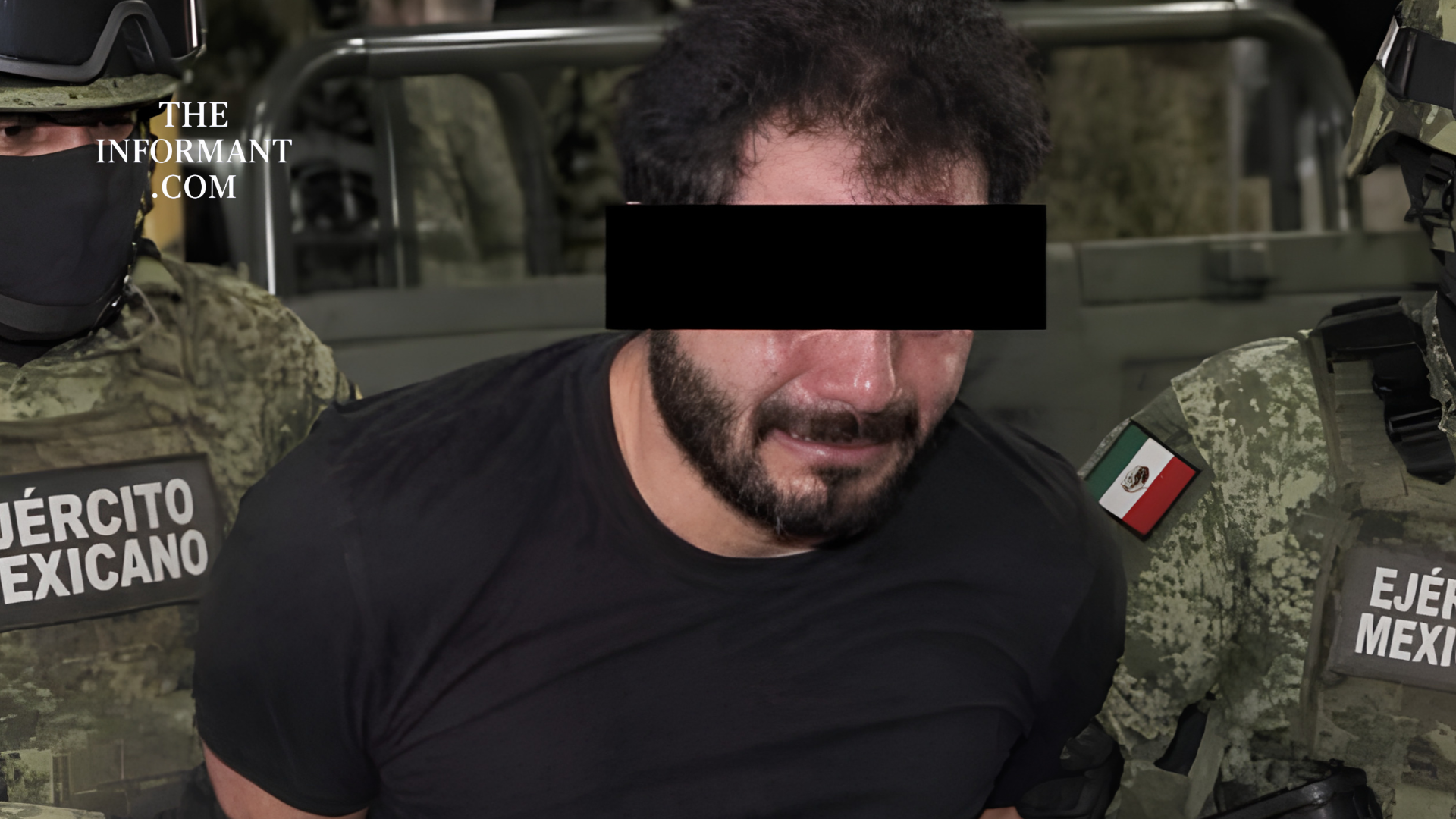
U.S. Immigration and Customs Enforcement (ICE) highlighted the cooperation between American and Mexican authorities that led to the capture of Fausto Isidro Meza Flores, also known as “Chapo Isidro,” an alleged senior leader of the Sinaloa Cartel who was listed among the FBI’s Ten Most Wanted Fugitives. The suspect was apprehended by Mexican military forces on November 20 in Guasave, Sinaloa, following an investigation coordinated through the Homeland Security Task Force.
In its latest public statement, ICE acknowledged the involvement of Homeland Security Investigations (HSI) San Diego, emphasizing the importance of sustained international cooperation in addressing criminal organizations operating across national borders. American authorities provided investigative assistance, while Mexican military personnel carried out the arrest.
HOMELAND SECURITY HIGHLIGHTS BINATIONAL INVESTIGATION
The investigation involved cooperation among several American federal law enforcement agencies and their Mexican counterparts. According to the U.S. Department of Justice, Homeland Security Investigations and the FBI worked through the Homeland Security Task Force, with additional assistance from the Drug Enforcement Administration and other federal agencies.
The operation illustrates how international investigative partnerships can contribute to identifying and apprehending individuals wanted for serious criminal offenses. U.S. authorities acknowledged the role of Mexico’s armed forces and expressed condolences to the families of Mexican military personnel who lost their lives during the operation.
WHO IS FAUSTO ISIDRO MEZA FLORES?
Meza Flores, 44, has been identified by American prosecutors as an alleged senior figure in organized crime networks associated with the Sinaloa Cartel. His criminal organization, also known as Los Mazatlecos, has reportedly maintained ties to the Beltrán Leyva organization and subsequently aligned with the Los Mayos faction.
American authorities accuse his organization of participating in international drug trafficking and committing acts of violence connected to its criminal activities. His inclusion on the FBI’s Ten Most Wanted Fugitives list reflected the priority assigned to his apprehension by federal investigators.
Meza Flores should not be confused with Joaquín “El Chapo” Guzmán, the former Sinaloa Cartel leader serving a prison sentence in the United States.
A major cartel leader is now in custody.
— U.S. Immigration and Customs Enforcement (@ICEgov) November 27, 2026
Following a Homeland Security Task Force investigation, Mexican military forces captured Fausto Isidro Meza Flores aka Chapo Isidro, an alleged senior leader of the Sinaloa Cartel and one of the FBI’s Ten Most Wanted Fugitives.… pic.twitter.com/LQ8MNx1j3e
CHAPO ISIDRO FACES SIX FEDERAL CHARGES IN THE UNITED STATES
The Justice Department disclosed that Meza Flores faces six counts under a federal indictment filed in the District of Columbia. The allegations include directing an ongoing criminal enterprise, international narcotics trafficking, money laundering, narcoterrorism, unlawful weapons-related conduct and conspiring to support a designated terrorist organization.
American prosecutors allege that the organization was involved in supplying illicit drugs to the United States, including fentanyl, cocaine, methamphetamine, heroin and marijuana. If convicted under the applicable federal charges, Meza Flores could face a mandatory life sentence or the death penalty.
The U.S. Department of State had also offered a reward of up to $5 million for qualifying information related to his arrest or conviction. The existence of the reward does not establish that any payment has been made.
MEXICO EMPHASIZES SOVEREIGNTY IN SECURITY COOPERATION
Mexican President Claudia Sheinbaum has emphasized that bilateral security cooperation must respect Mexico’s national sovereignty. Following the capture, Mexican authorities acknowledged receiving American intelligence assistance while maintaining that Mexican forces carried out the operation on the ground.
The distinction remains significant amid broader discussions over the extent of American involvement in Mexico’s efforts against organized crime. Both governments have identified international cooperation as an important component of their security policies, although disagreements persist regarding the methods and scope of that collaboration.
EXTRADITION AND CRIMINAL PROCEEDINGS REMAIN KEY ISSUES
Despite the federal charges pending in the United States, Meza Flores’ capture in Mexico does not automatically result in his transfer to American custody. Mexican authorities have indicated that he will face domestic judicial proceedings, while the United States has sought his extradition.
ICE’s latest acknowledgment underscores the investigative cooperation behind the November 20 arrest. However, the subsequent prosecution and any potential extradition will depend on the applicable judicial procedures and decisions of the competent authorities.
Meza Flores remains presumed innocent of the pending criminal charges unless proven guilty in court.