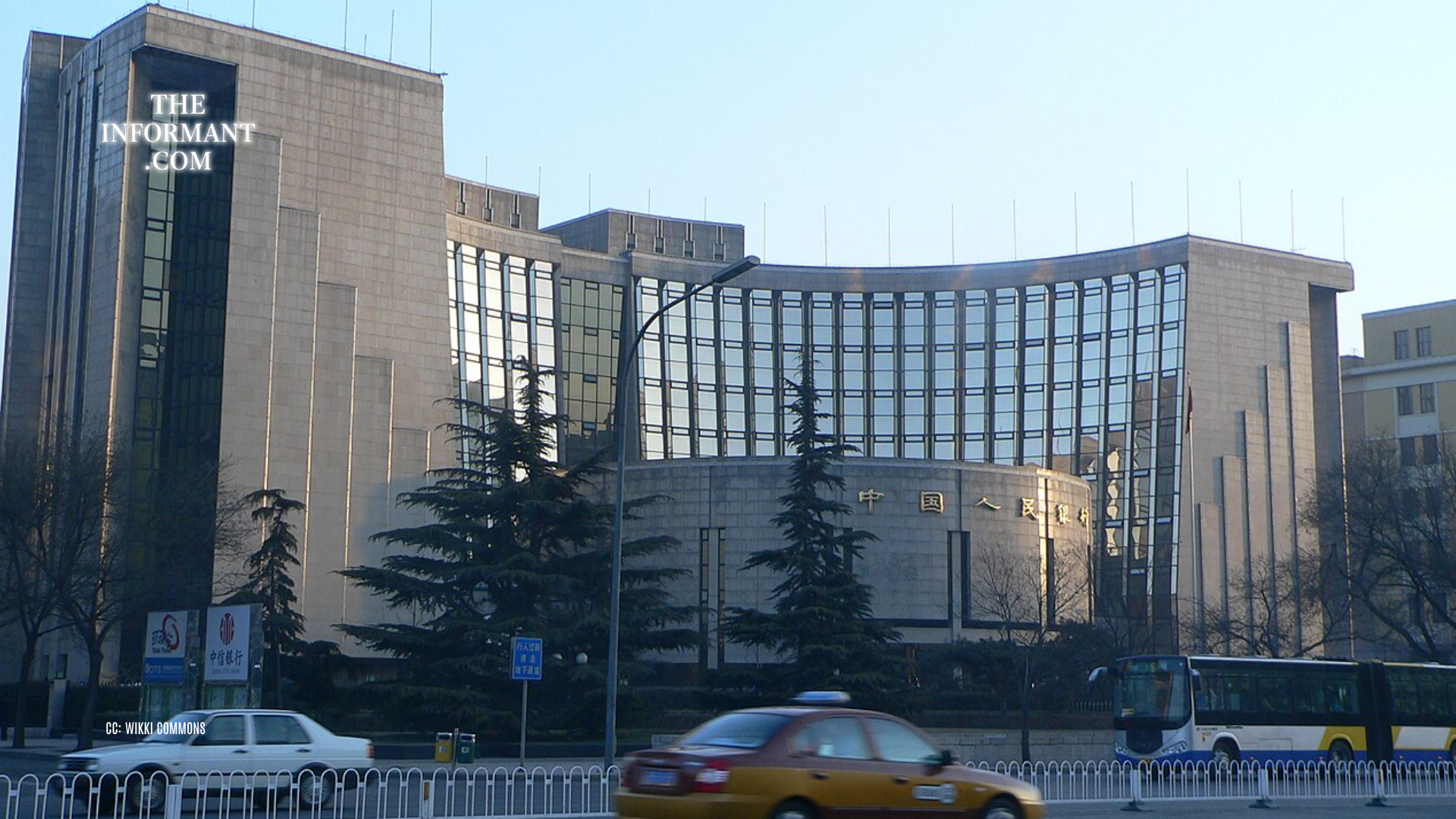
China’s central bank is again confronting a problem that first became visible more than two years ago: investors are buying government bonds so aggressively that Beijing worries the safest assets in the financial system could themselves become a source of instability.
The original warning emerged in 2024. As money rushed into Chinese sovereign debt, the 10-year government-bond yield fell toward 2.2%, a roughly 20-year low. The People’s Bank of China responded by arranging government-bond borrowing operations that would give it the ability to sell securities into the market and counter what it described as an increasingly one-sided rally.
The concern was not that Chinese government bonds carried meaningful default risk. It was interest-rate risk. When bond yields rise, the prices of existing fixed-rate bonds fall. Banks and investment funds that accumulate large quantities of long-duration securities can therefore suffer substantial mark-to-market losses if yields reverse suddenly — the same broad mechanism that contributed to the 2023 collapse of Silicon Valley Bank in the United States. China’s own monetary-policy reports later cited that episode as a warning about duration risk.
By early 2025, the problem had intensified. The PBOC said China’s 10-year yield briefly fell below 1.6%, prompting the central bank to suspend its own government-bond purchases because the market was already suffering from excessive demand. It said purchases could resume later depending on supply and demand conditions.
The bond rally returned again in 2026. Reuters reported in September that the 10-year yield was near 1.68% and the 30-year yield around 2.17%, close to historic lows. That performance sharply diverged from much of the rest of the world, where government borrowing costs have been rising.
Beijing’s concern is increasingly focused on smaller banks and investment funds. Reuters reported that the PBOC is considering adding new indicators to its Macro Prudential Assessment framework to monitor excessive long-term bond and bond-fund exposure. The proposed system could also monitor unusual deviations in money-market and bond yields. The specific thresholds were still being discussed and had not been finalized.
The underlying forces pushing investors toward bonds are difficult for policymakers to reverse. China’s long-running property downturn has reduced the appeal of real estate, domestic equities have been volatile and household consumption remains subdued. Massive domestic savings and capital controls also limit alternatives for investors, leaving government debt as one of the most attractive destinations for conservative capital.
That creates a policy contradiction. China still needs relatively easy monetary conditions to support an economy struggling with weak domestic demand, yet overly low long-term yields can encourage financial institutions to take excessive duration risk. Beijing therefore wants to support economic activity without creating what officials fear could become an unstable bond-market herd trade.
Recent economic data illustrate that tension. New Chinese bank lending jumped to 1.08 trillion yuan in September, but Reuters said broader credit demand remained weak. At the same time, authorities approved another 550 billion yuan in government-debt quotas to support local governments and infrastructure as they try to keep growth near the official 4.5%–5% target.
The challenge now is different from the one described in the 2024 Financial Times article. Back then, Beijing was preparing direct bond sales to push yields higher. In 2026, the central bank appears increasingly willing to supplement market operations with macroprudential controls aimed directly at banks’ portfolios.
The bigger question remains unresolved: whether Beijing can prevent an unhealthy buildup of bond risk without undermining the low borrowing costs and abundant liquidity that China’s slowing economy still needs.