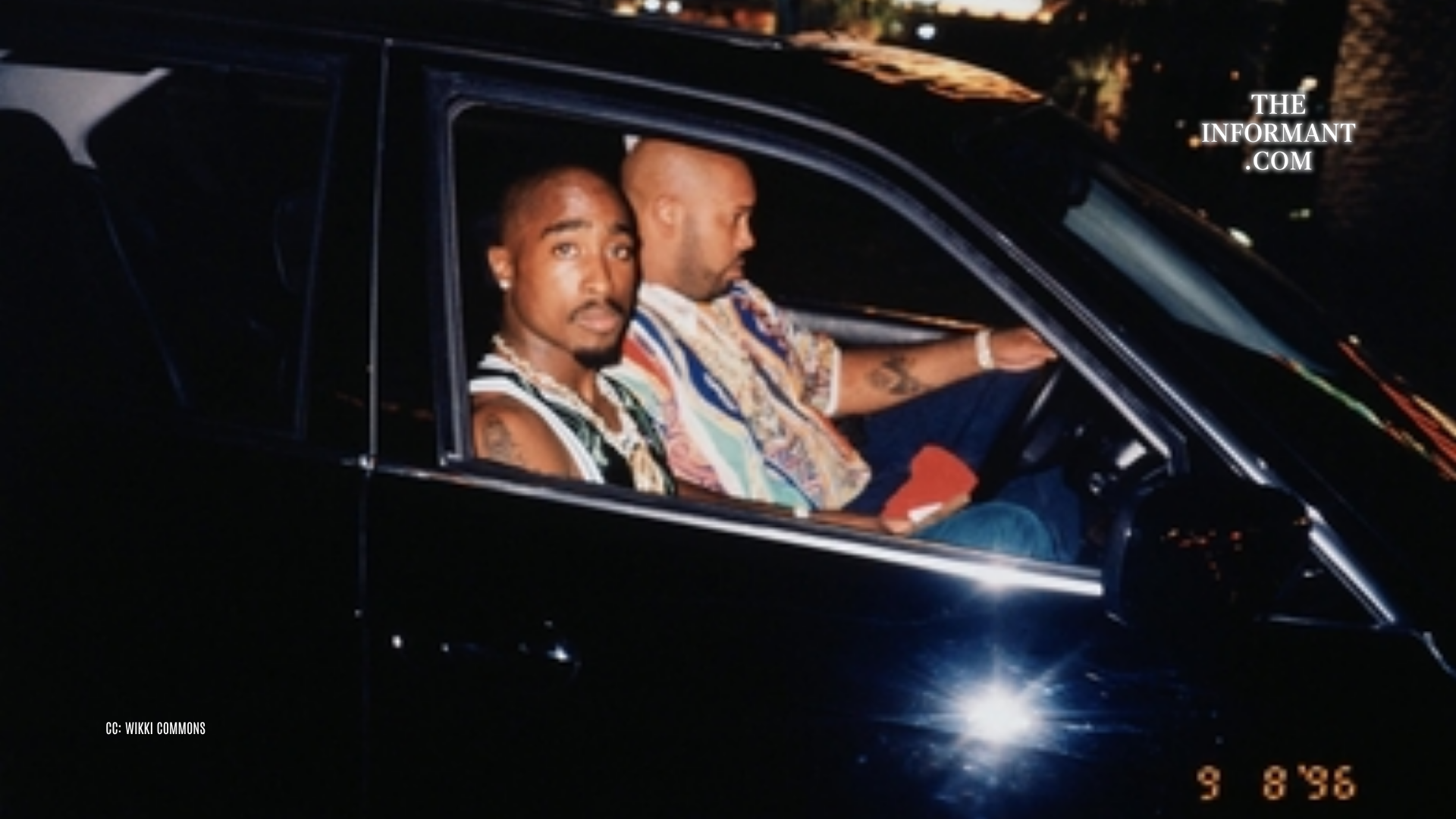
Three decades after Tupac Shakur was fatally shot near the Las Vegas Strip, the only person ever prosecuted for his murder has received a sentence that could keep him behind bars for the rest of his life. Duane “Keffe D” Davis was sentenced Tuesday, October 13, to 40 years to life in Nevada state prison.
Clark County District Judge Carli Kierny imposed 20 years to life for first-degree murder and another consecutive 20 years to life for the deadly-weapon enhancement. Davis also received credit for 731 days already spent in custody. His attorneys have indicated that they plan to appeal the conviction.
The sentencing followed an August 31 jury verdict that found Davis guilty of orchestrating the September 7, 1996, drive-by shooting. Jurors deliberated for less than three hours after a trial in which prosecutors argued that Davis organized retaliation following a fight involving his nephew Orlando Anderson and members of Shakur’s entourage at the MGM Grand.
Prosecutors did not claim Davis personally fired the shots. Instead, they portrayed him as a senior South Side Compton Crips figure who helped obtain the gun and directed the group that went searching for Shakur and Death Row Records co-founder Marion “Suge” Knight. Shakur was shot while riding in Knight’s BMW and died six days later, on September 13, 1996, at age 25.
For decades, the investigation produced no prosecution. No murder weapon was recovered, several people connected to the case died, and witnesses were often reluctant to cooperate. The breakthrough eventually came from an unusual source: Davis’ own public accounts. He discussed the shooting in interviews, documentaries and his 2019 memoir, Compton Street Legend. Prosecutors later used those statements as part of their case.
Davis argued that some of his public statements had been exaggerated for attention and commercial gain. Judge Kierny nevertheless ruled before trial that portions of his prior statements and memoir could be presented to jurors, and the prosecution used them alongside witness testimony and other evidence to establish his role in the killing.
Before the sentence was imposed, Shakur’s sister Sekyiwa and his stepbrother Mopreme described the decades-long impact of the killing on their family. Kierny told Davis that Shakur’s family, Las Vegas and the wider public had not forgotten what happened. Her sentence brought a courtroom conclusion to the only criminal prosecution ever filed in the case.
The ruling does not erase every mystery surrounding one of hip-hop’s most examined killings, but it closes a major legal chapter. Davis was arrested in 2023, convicted in 2026 and now faces a minimum prison term measured in decades for a crime committed when Shakur was one of the most influential young artists in American music.
What comes next will largely move to the appeals process. For Tupac Shakur’s family, however, October 13 marked something they had waited 30 years to see: a judge imposing punishment on the first and only person convicted in connection with his murder.