Federal authorities say a months-long violent-crime operation in St. Louis ended with 435 criminal arrests, 166 firearms seized and more than $1.25 million in currency recovered, concluding one of the Justice Department’s largest recent enforcement surges in the city.
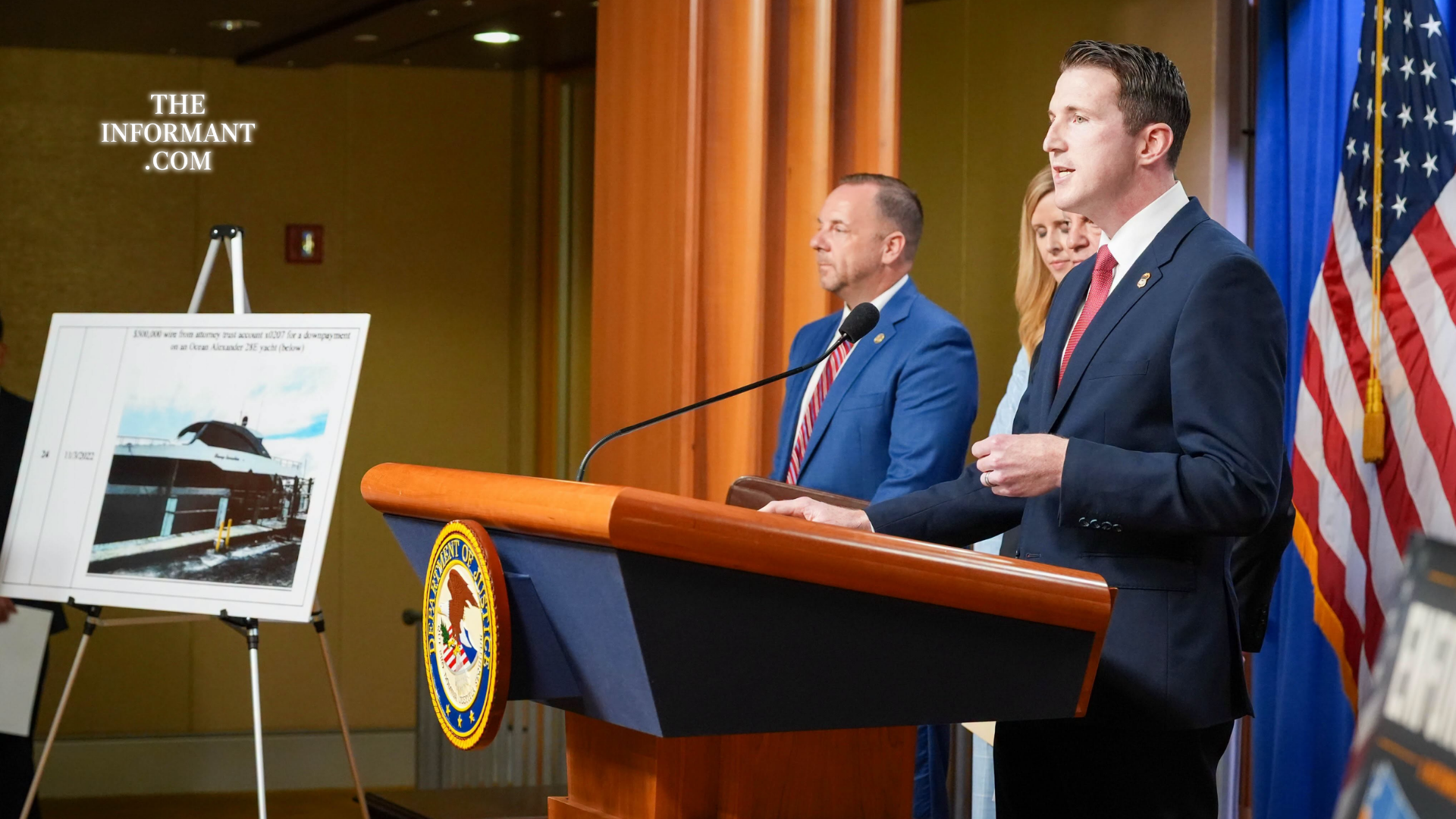
The Department of Justice announced the final results of Operation Show Me Justice on October 15, 2026. The initiative was sponsored by DOJ and led by the Bureau of Alcohol, Tobacco, Firearms and Explosives, working with the U.S. Attorney’s Office for the Eastern District of Missouri and a network of federal, state and local agencies.
The final tally included 435 arrests and 412 outstanding warrants cleared. DOJ also said teams executed 32 search warrants, seized 81 kilograms of drugs, recovered six machine-gun conversion devices and confiscated more than $1.25 million tied to suspected firearms and drug transactions.
Those numbers refine early reports from Thursday’s news conference, which initially described approximately 80 kilograms of drugs and more than $1 million in currency. DOJ’s formal written release later provided the more precise totals of 81 kilograms and $1.25 million.
The operation brought together ATF, the U.S. Marshals Service, DEA, FBI, Homeland Security Investigations, St. Louis Metropolitan Police and other agencies. Authorities said the focus was violent criminal activity and the illegal flow of firearms to people suspected of using them in serious crimes.
Investigators also relied on the National Integrated Ballistic Information Network, or NIBIN, which compares shell casings from crime scenes and recovered firearms to identify potential links between shootings. DOJ said investigators paired those ballistic leads with gun tracing and local intelligence to connect firearms to multiple crime scenes and identify suspected trafficking patterns.
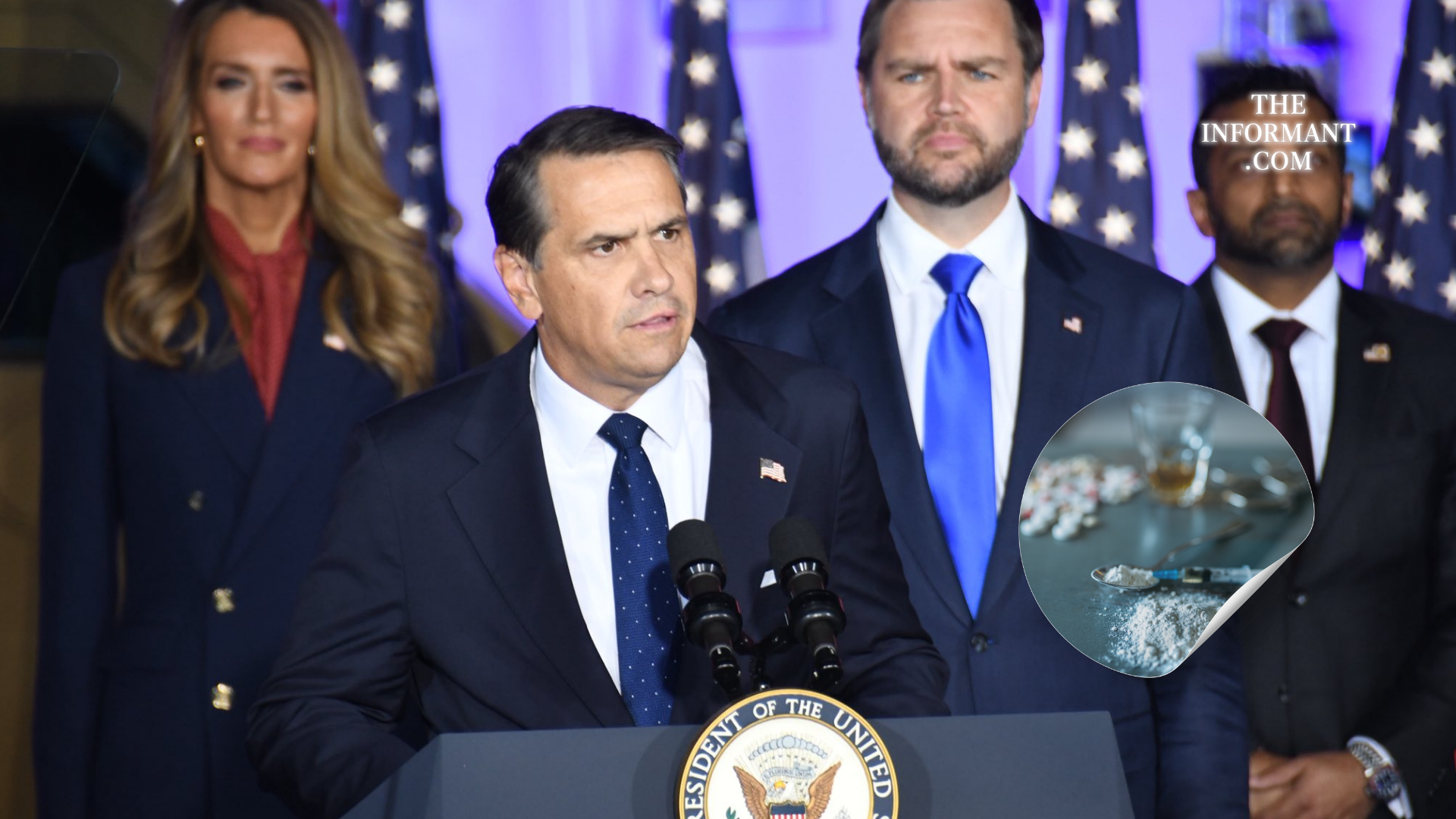
Acting Deputy Attorney General Trent McCotter framed the operation as a model that other cities could request, telling local and state officials that “violence is not inevitable.” ATF Director Rob Cekada and St. Louis Police Chief Robert Tracy similarly emphasized the federal-local partnership, although claims that the operation itself made the city safer are the agencies’ assessment rather than an independently established causal finding.
There is also an important legal distinction behind the headline arrest number. DOJ says 412 of the 435 arrests involved outstanding warrants, and the department’s aggregate announcement does not mean every person arrested faces a newly filed federal case. Arrests and warrants are not convictions; the legal status of individual defendants depends on their particular cases and courts.
Operation Show Me Justice follows other recent federal-local enforcement initiatives in the St. Louis region, including a June U.S. Marshals operation that arrested 224 fugitives in Missouri and Illinois and cleared 290 outstanding felony warrants. Federal officials have increasingly promoted this surge model as a way to combine local intelligence with specialized federal resources.
With the surge formally concluded, the next phase moves largely into courts and continuing local investigations. The immediate legacy of the operation is measurable in seizures and arrests; whether those figures translate into sustained reductions in violent crime will require longer-term crime data rather than enforcement totals alone.