WASHINGTON, D.C. — October 23, 2026. Russia and Ukraine have agreed to a temporary suspension of military operations around the Russian-occupied Ukrainian town of Oleshky beginning October 29, following humanitarian negotiations mediated by U.S. First Lady Melania Trump, according to an announcement attributed to the White House.
The agreement is intended to allow humanitarian assistance to reach approximately 1,700 civilians, including an estimated 50 children, who remain trapped in the town under severe conditions, according to United Nations estimates.
HUMANITARIAN CEASEFIRE SET TO BEGIN OCTOBER 29
The arrangement establishes a localized pause in hostilities rather than a broader ceasefire across Ukraine.
Under the announced terms, Russia and Ukraine would temporarily suspend military activity around Oleshky to facilitate the delivery of essential supplies and the evacuation of civilians who wish to leave.
Russia reportedly indicated that it would begin suspending military operations in the area on October 27, ahead of the formal October 29 implementation date.
The agreement would also allow nonmilitary civilian teams from both countries to visit homes and assess the needs of residents.
Civilians seeking evacuation would reportedly be permitted to choose whether to travel to Ukrainian-controlled territory or Russia.
MELANIA TRUMP TAKES UNUSUAL DIPLOMATIC ROLE
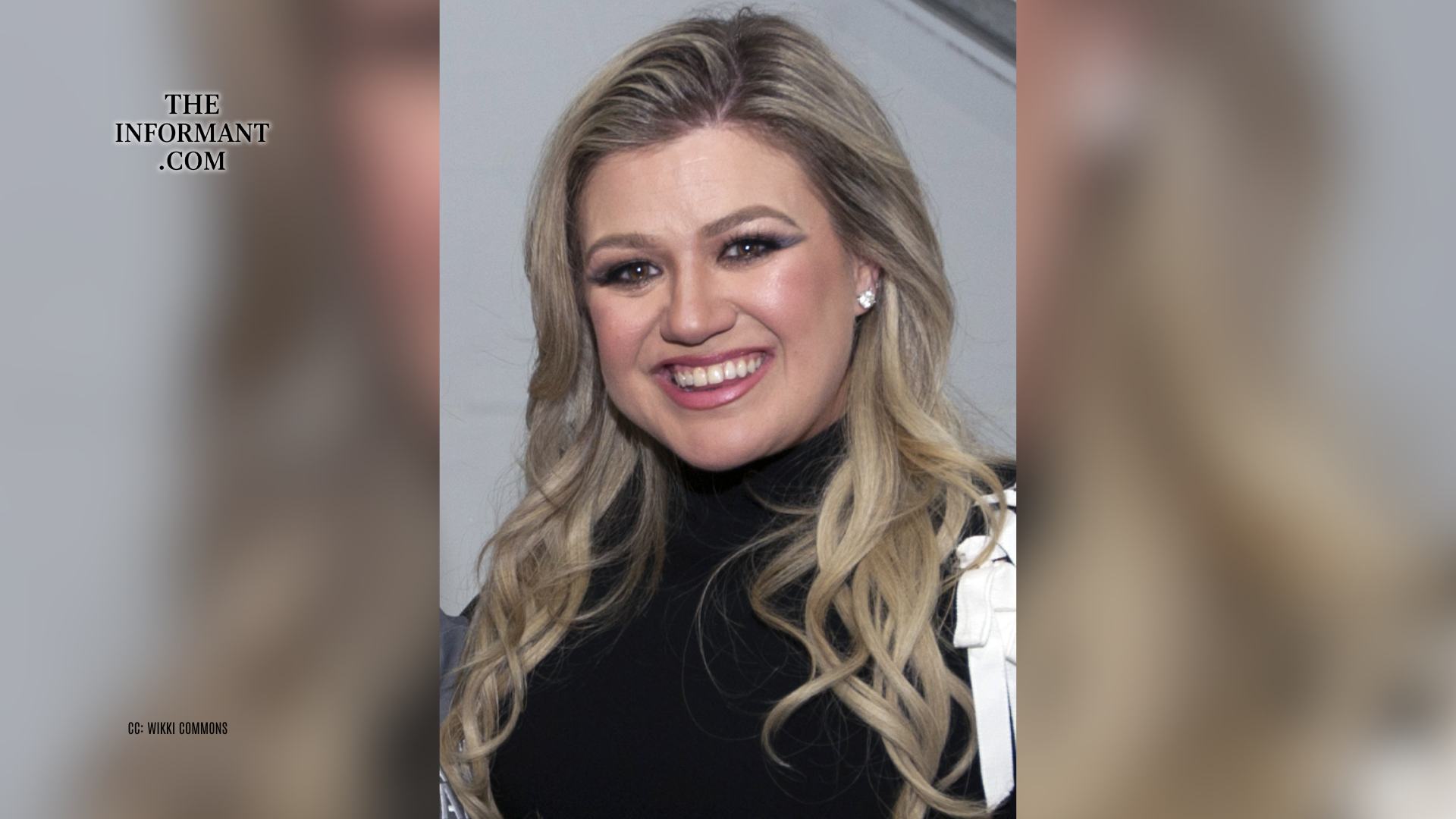
According to the account provided by the White House, Melania Trump served as the principal intermediary between representatives of Russia and Ukraine.
The first lady reportedly negotiated directly with officials from both sides to establish arrangements focused on civilian protection and humanitarian access.
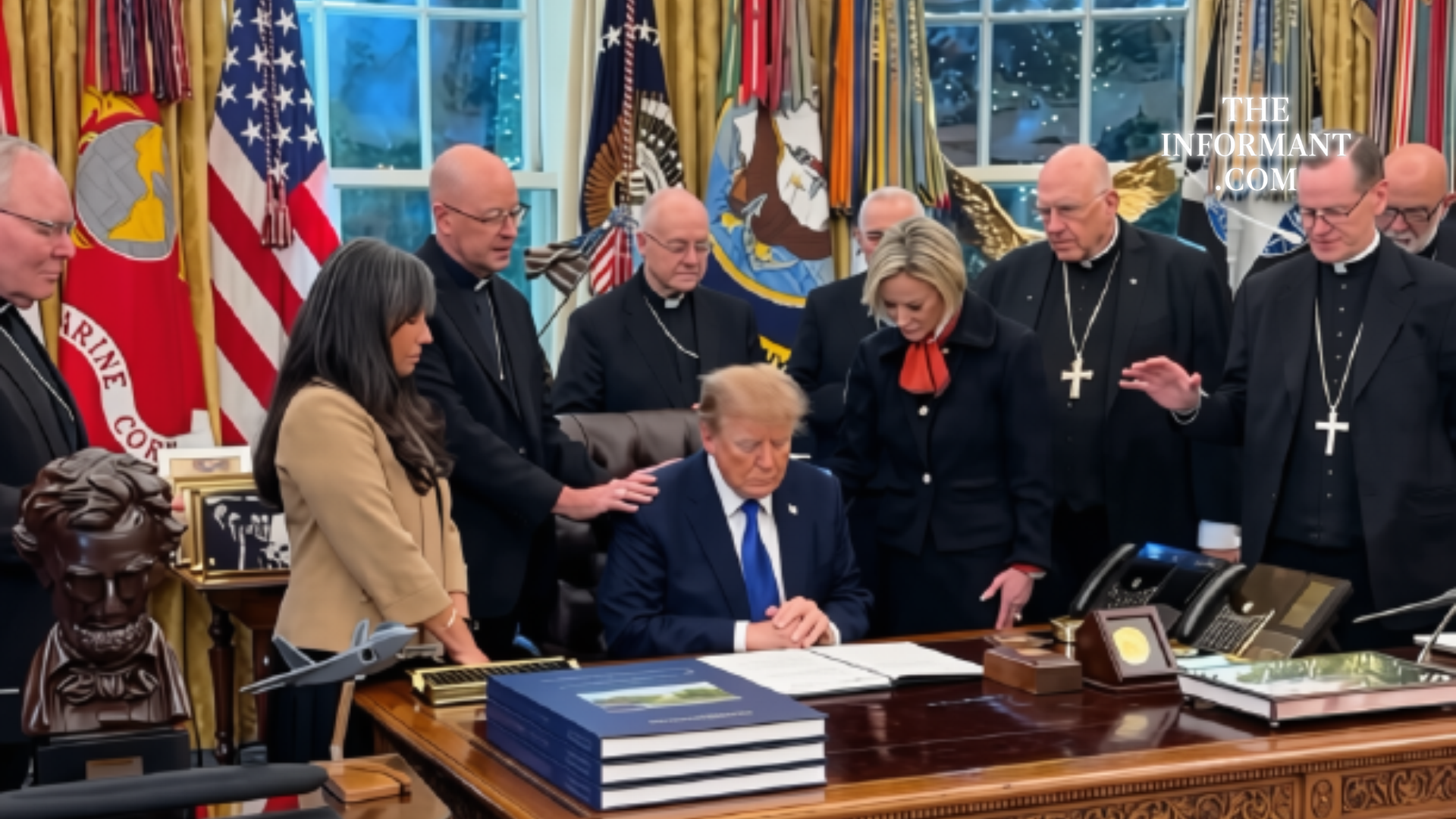
The diplomatic process also involved discussions connected to Pope Leo XIV, who reportedly raised the humanitarian situation in Oleshky during an October 16 conversation with Russian President Vladimir Putin.
Ukrainian officials, including David Arakhamia and Human Rights Commissioner Dmytro Lubinets, were described as supporting the agreement.
Kremlin spokesperson Dmitry Peskov also reportedly acknowledged the arrangement.
The involvement of the first lady would represent an unusual example of direct humanitarian mediation by the spouse of a sitting U.S. president.
NEARLY 1,700 CIVILIANS REMAIN TRAPPED
Oleshky, located in Ukraine’s southern Kherson region, has been under Russian occupation since 2022.
The town has experienced prolonged disruptions to food supplies, medical services, electricity and access to clean drinking water.
According to the humanitarian information provided, approximately 1,700 residents remain in the area, including around 50 children.
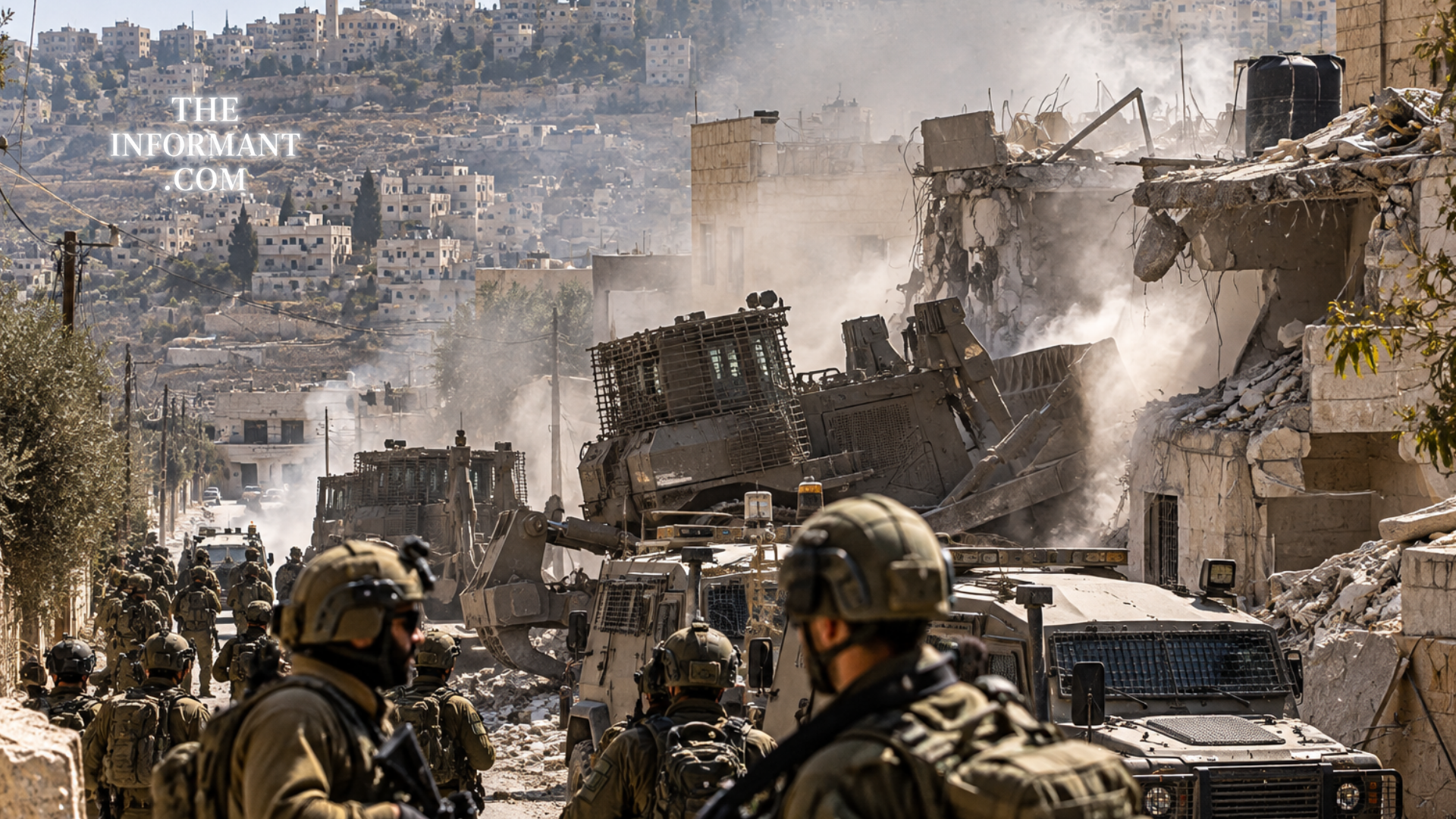
Mined roads, recurring drone activity and continued fighting have severely restricted access to the town and complicated evacuation efforts.
Reports have described residents surviving on homegrown vegetables, preserved food and other limited sources of nutrition.
AID DELIVERIES HAVE BEEN SEVERELY RESTRICTED
The last reported delivery of humanitarian assistance by road took place in May 2026.
Since then, Ukrainian personnel have reportedly relied in part on drones to deliver small packages of food to isolated residents.
The town’s damaged infrastructure and dangerous surrounding roads have made conventional relief operations extremely difficult.
The proposed humanitarian pause could allow larger quantities of food, medicine, drinking water and other essential supplies to reach residents.
However, the scale and timing of deliveries will depend on whether both sides implement the agreed security arrangements.
SAFE EVACUATIONS REMAIN A MAJOR CHALLENGE
Creating a safe evacuation corridor in an active conflict zone requires coordination over routes, mine hazards, transportation and guarantees against attacks.
The agreement reportedly includes provisions allowing residents to decide whether to leave Oleshky and where they wish to go.
Nonmilitary teams would also assess households to determine which residents require medical assistance, evacuation or immediate humanitarian support.
An American media organization is reportedly expected to accompany and document aspects of the operation, although the precise arrangements have not been detailed.
WHAT THE AGREEMENT MEANS FOR THE WAR
The proposed ceasefire is limited to the Oleshky area and does not signal an end to Russia’s broader war against Ukraine.
Its immediate objective is humanitarian: reducing risks to civilians and allowing relief organizations to reach a population that has been largely cut off from assistance.
The success of the operation will depend on compliance by both military forces, safe access for humanitarian personnel and the ability to evacuate civilians without coercion.
WHAT HAPPENS NEXT?
The localized ceasefire is scheduled to begin October 29, with Russia reportedly preparing to suspend fire in the area two days earlier.
Humanitarian teams would then seek to deliver supplies, assess individual needs and coordinate voluntary evacuations.
The United Nations and other humanitarian organizations are expected to monitor developments affecting civilians, although their precise operational roles have not been confirmed in the information provided.
For the approximately 1,700 residents remaining in Oleshky, the proposed agreement could create a critical opportunity to receive assistance after months of isolation.