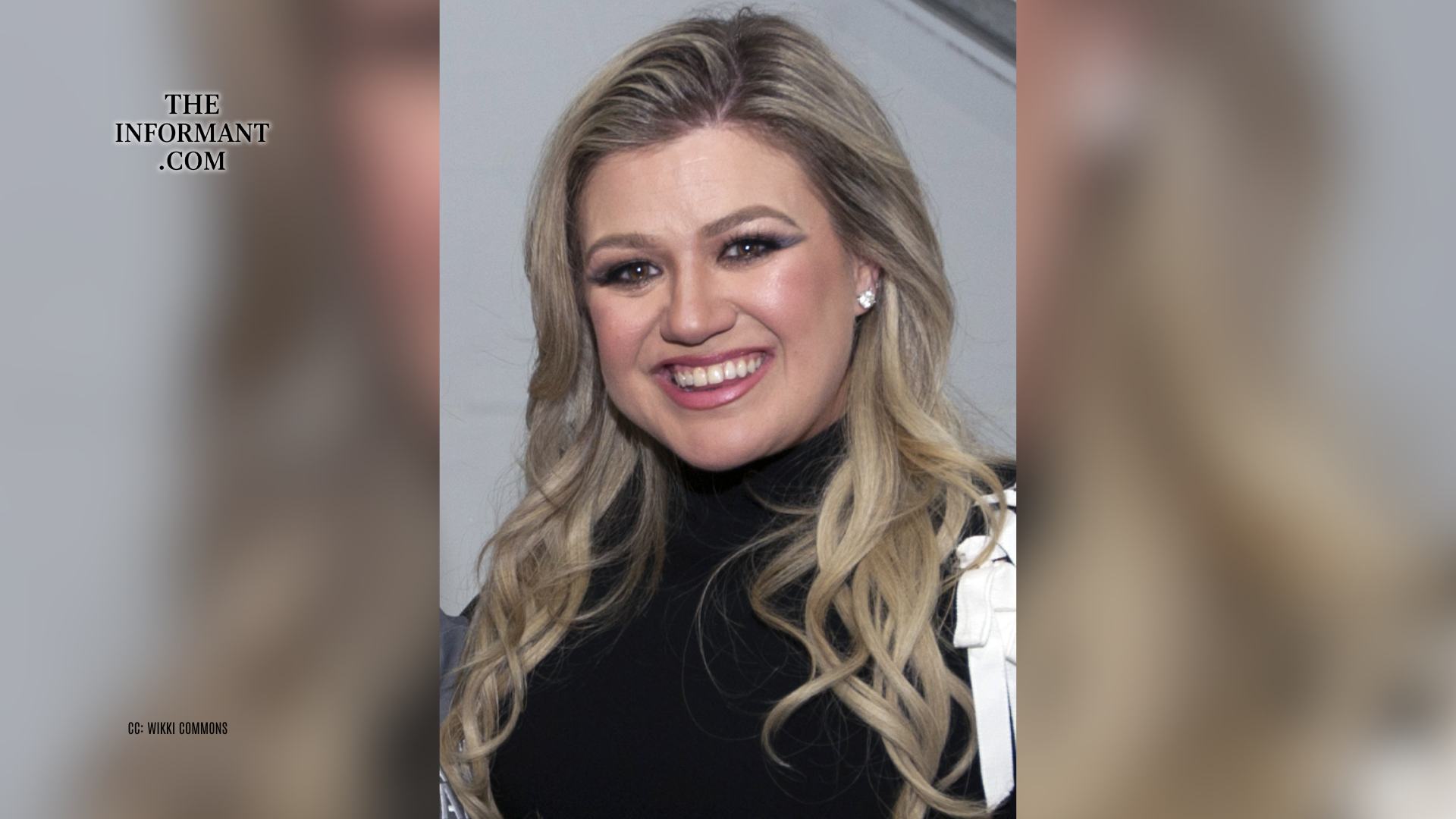
LOS ANGELES — October 21, 2026. For five years, actress Christina Applegate believed she knew what was causing her increasingly debilitating health problems. Now, after years of treatment and public advocacy for people living with multiple sclerosis, the 54-year-old actress says doctors have determined that her original diagnosis was incorrect. The unexpected discovery has left her searching for a new explanation for symptoms that continue to affect nearly every aspect of her daily life.
Applegate shared the development on the October 20 edition of her MeSsy podcast, which she co-hosts with actress Jamie-Lynn Sigler, who has multiple sclerosis. Rather than experiencing relief, Applegate described profound uncertainty. Her symptoms have not disappeared, and her medical team has not identified an alternative diagnosis. What changed was the explanation she had been given for her condition, not the physical challenges she continues to experience.
HOW CHRISTINA APPLEGATE’S MS DIAGNOSIS WAS REVERSED
Applegate first disclosed her multiple sclerosis diagnosis in August 2021. Over the following years, she underwent medical treatment while becoming a prominent advocate for people affected by the neurological condition. During her latest podcast appearance, she explained that questions about the diagnosis began emerging after her physician discontinued an infusion treatment and monitored the response of certain immune cells, known as B cells.
According to Applegate, the unexpected findings prompted doctors to reconsider whether multiple sclerosis was responsible for her symptoms. Eventually, her physician told her that she did not have the condition. Applegate described feeling unsettled rather than celebrating the news, explaining that the revised assessment left her without a clear answer for the difficulties she continues to face.
SEVERE SYMPTOMS CONTINUE DESPITE THE REVISED DIAGNOSIS
The actress has spoken publicly about chronic pain, fatigue, numbness, balance problems and significant limitations in mobility. She has used a cane and wheelchair and has described how difficult it can be to complete ordinary daily activities. During the podcast, Applegate explained that these challenges persist despite the change in her medical diagnosis.
The news also carries personal significance because Applegate and Sigler built their podcast around conversations about living with multiple sclerosis. Applegate expressed concern about how listeners might react to her announcement after years of following her experience. However, a revised diagnosis does not invalidate the symptoms she has reported or the challenges she has faced while seeking treatment.
WHY MULTIPLE SCLEROSIS IS SOMETIMES DIAGNOSED INCORRECTLY
Multiple sclerosis is a chronic immune-mediated disease that damages the central nervous system, particularly the protective myelin surrounding nerve fibers. Symptoms can include visual disturbances, numbness, muscle weakness, fatigue and difficulties with coordination. Because these problems can also occur in other medical conditions, diagnosing MS requires careful evaluation rather than reliance on one symptom or laboratory result.
Neurologists commonly examine medical history, neurological findings, magnetic resonance imaging and, when appropriate, cerebrospinal fluid tests. Research has identified misdiagnosis as a significant concern, particularly among patients referred to specialized MS centers. A systematic review found that approximately 15% of patients arriving at such centers with an established MS diagnosis were subsequently determined not to have the disease. The figure describes the populations studied and should not be interpreted as the misdiagnosis rate for every person with MS.
NEW DIAGNOSTIC METHODS COULD HELP REDUCE ERRORS
Medical researchers have developed updated diagnostic guidelines to improve the distinction between multiple sclerosis and conditions that resemble it. The revised 2024 McDonald criteria, published in 2025, incorporate additional evidence from MRI findings and other biomarkers that may improve diagnostic accuracy in appropriate patients.
These developments include techniques such as evaluating the central vein sign, an imaging feature that can help specialists distinguish certain MS lesions from other abnormalities. Experts emphasize that the interpretation of these findings requires appropriate clinical context. The specific combination of tests that led Applegate’s doctors to reverse her diagnosis has not been fully established publicly.
WHAT HAPPENS NEXT FOR CHRISTINA APPLEGATE?
Applegate says her doctors intend to continue investigating the cause of her symptoms. She has not announced a replacement diagnosis, and no publicly verified medical explanation currently accounts for the full extent of her reported health problems. Her situation highlights the importance of reassessing a diagnosis when clinical evidence or a patient’s condition warrants further investigation.
For people already diagnosed with multiple sclerosis, medical experts recommend discussing concerns with their treating neurologist and seeking a specialist’s second opinion when appropriate. Applegate’s experience does not mean that other MS diagnoses are necessarily incorrect, nor should patients stop prescribed treatments without medical guidance. As the actress continues searching for answers, the central question remains unresolved: what is causing the symptoms that have affected her life for more than five years?