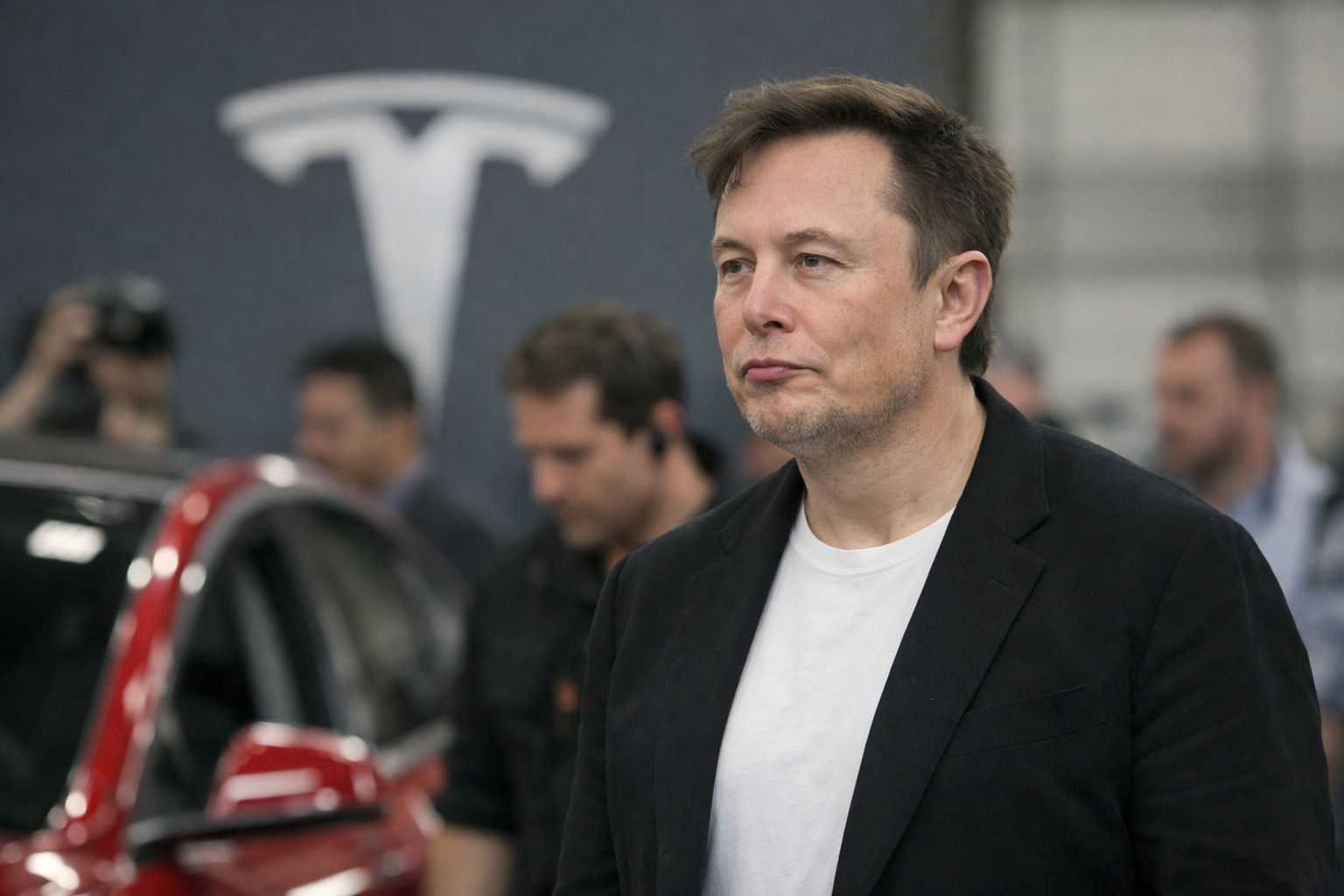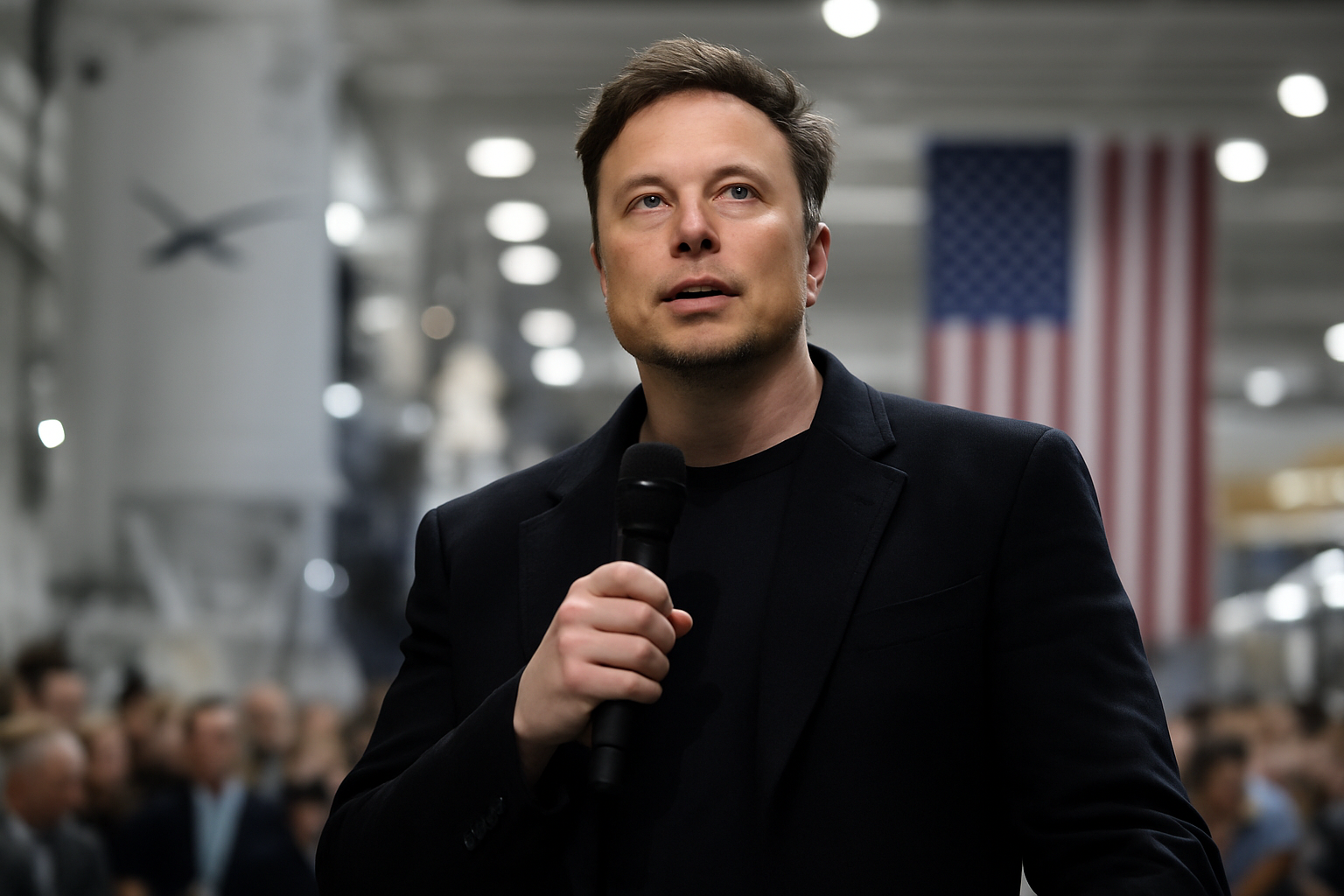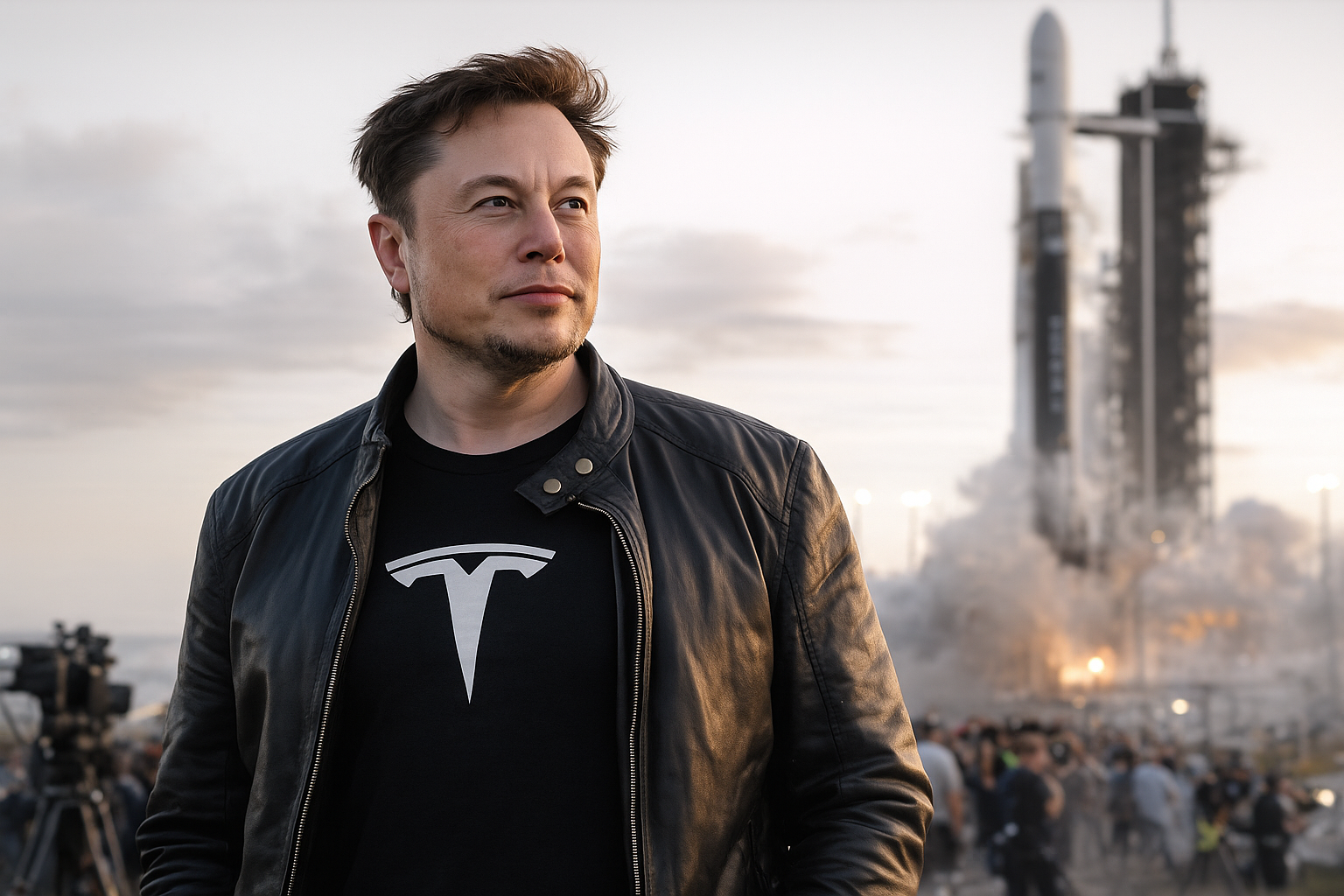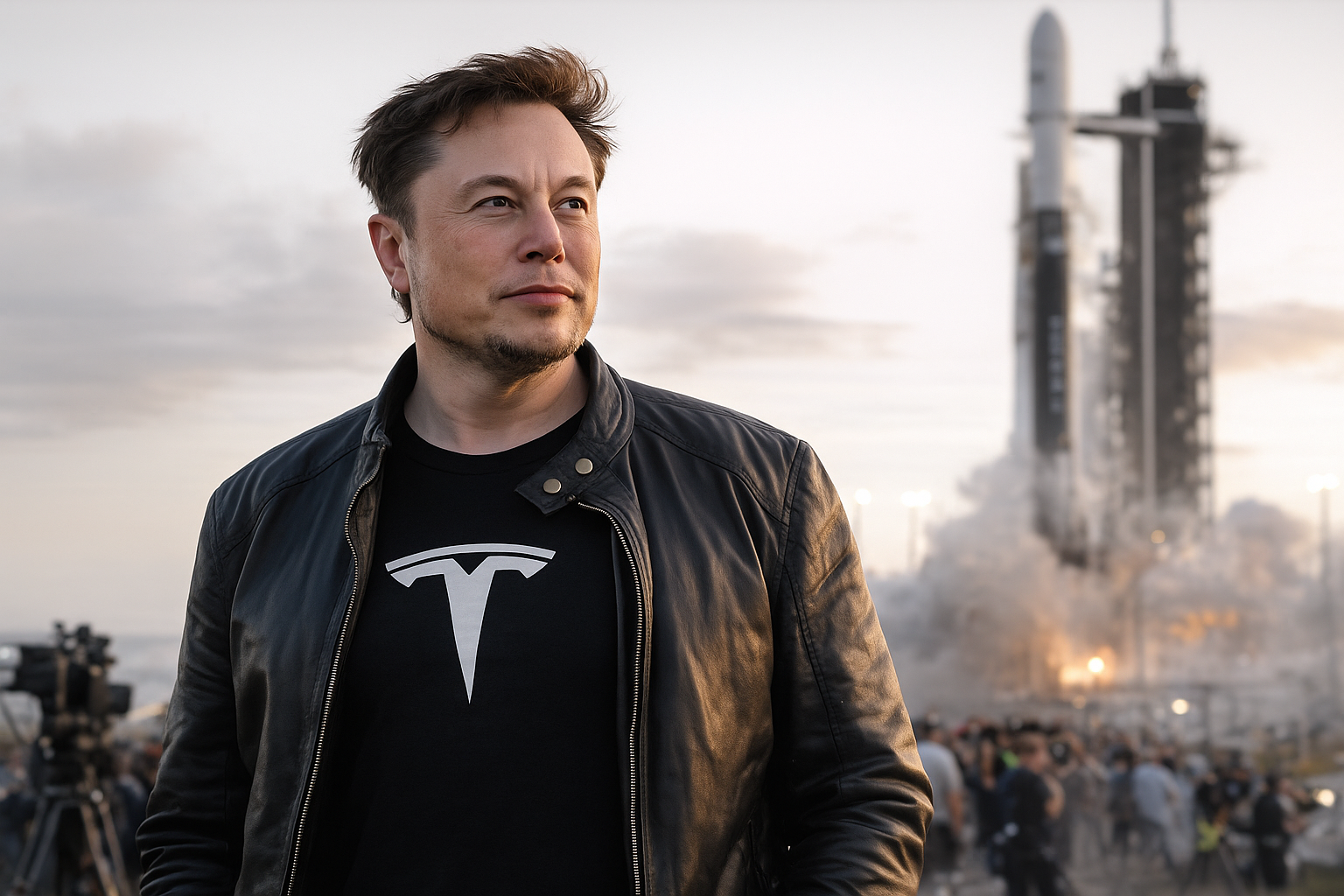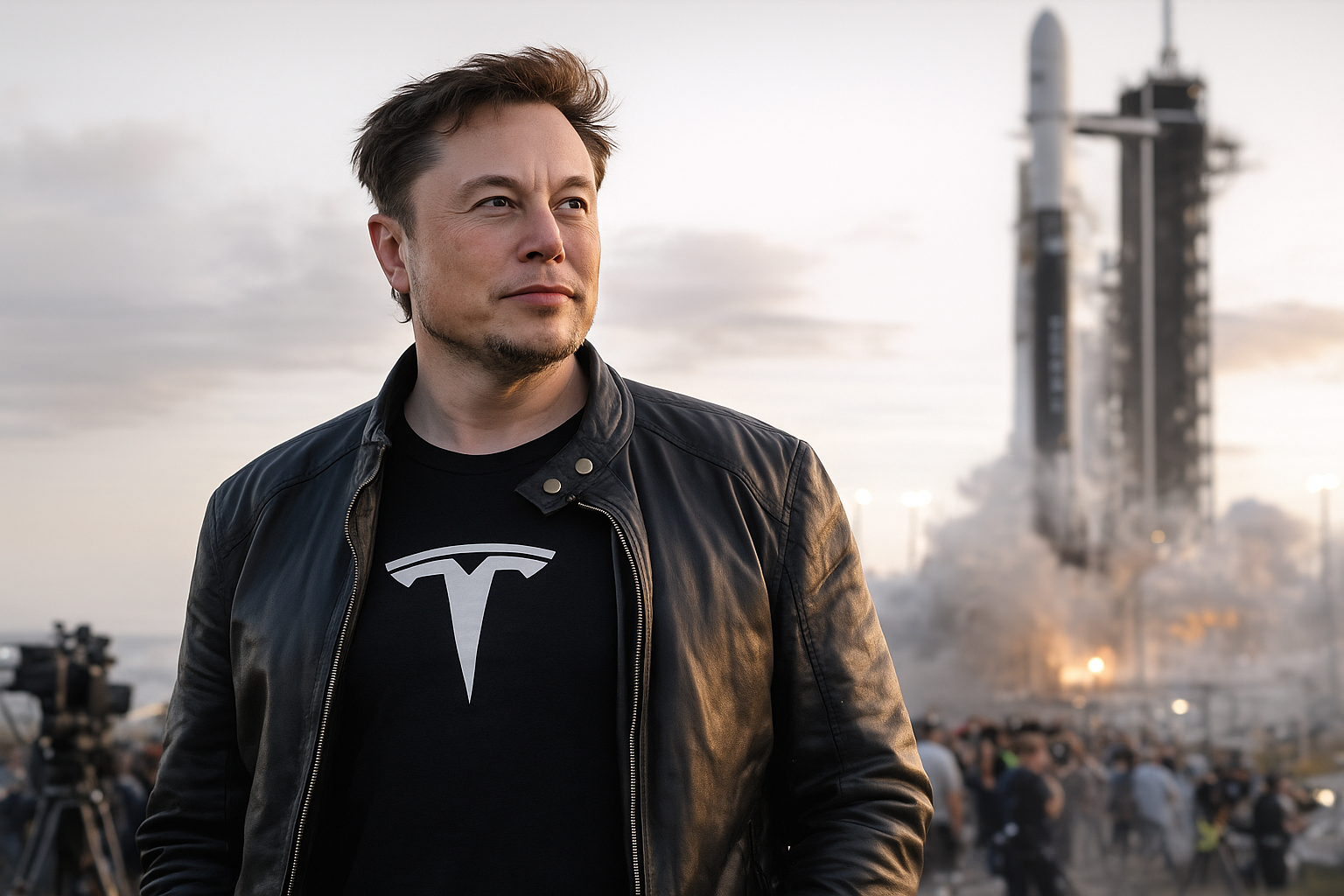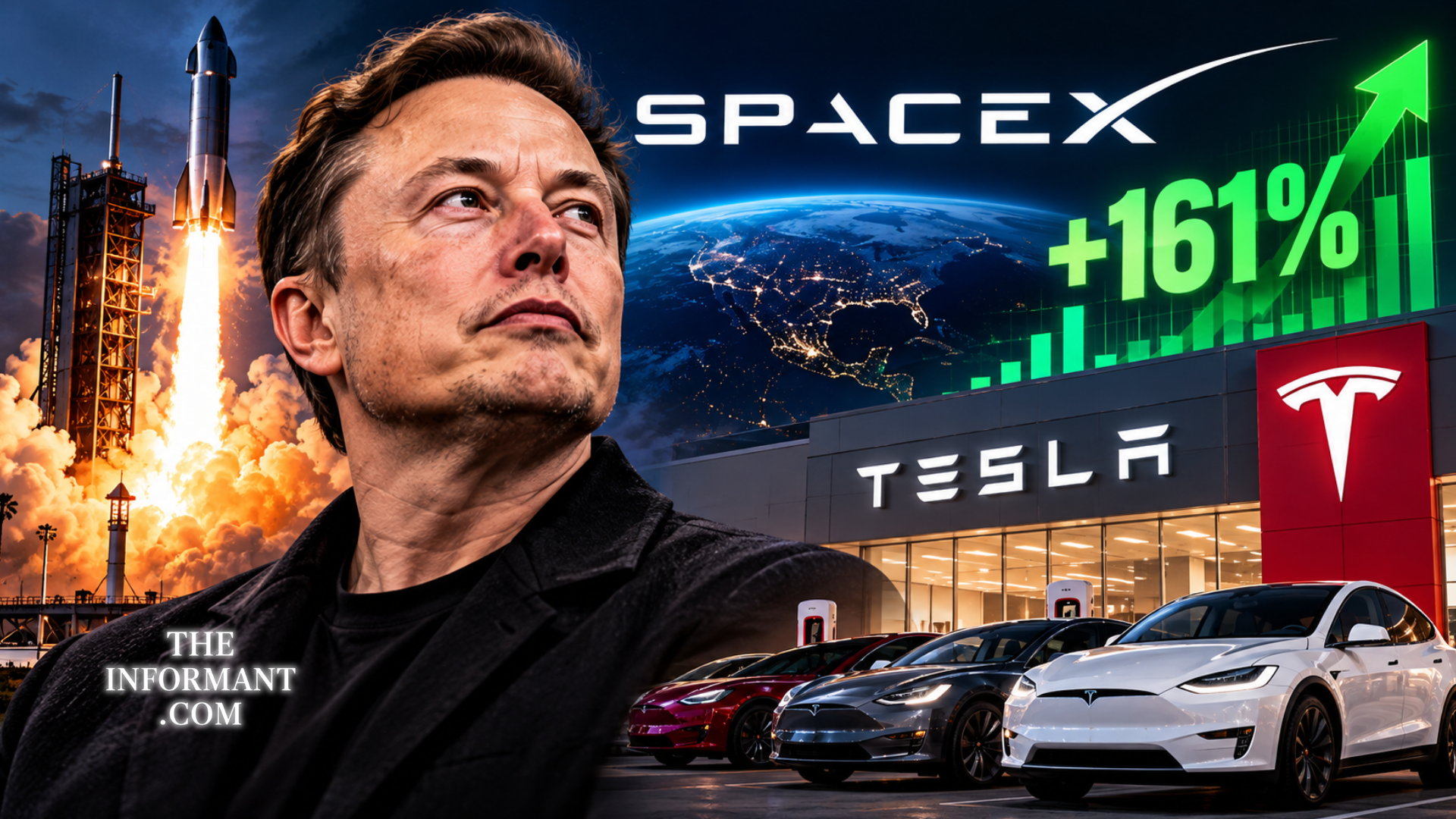
STARBASE, TEXAS — October 21, 2026. SpaceX is delivering financial results that highlight a significant transformation in Elon Musk’s aerospace company. Third-quarter revenue surged 161% to $14.58 billion, fueled by rapidly expanding artificial intelligence operations and continued growth at Starlink. But the earnings announcement brought another major development: Musk confirmed that SpaceX and Tesla have established independent board committees to explore a potential merger.
The announcement on Tuesday, October 20, sent SpaceX shares approximately 8% higher in extended trading. The company reported $4.4 billion in net income for the quarter ended September 30, reversing a roughly $1.05 billion loss a year earlier. Revenue also exceeded Wall Street’s $12.72 billion consensus estimate, while adjusted earnings of 45 cents per share surpassed the 13 cents analysts had expected.
ELON MUSK CONFIRMS SPACEX AND TESLA ARE EXPLORING A MERGER
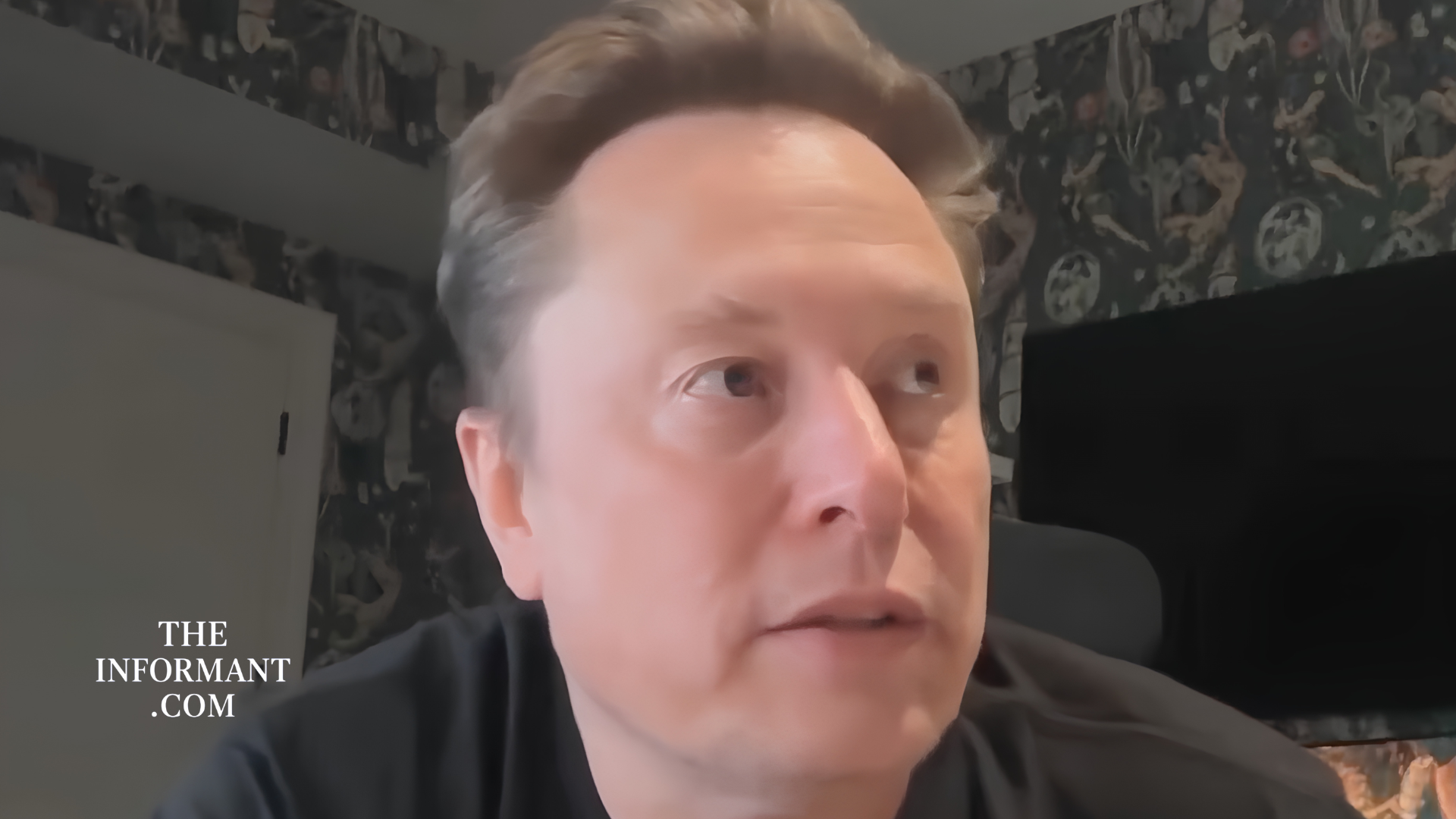
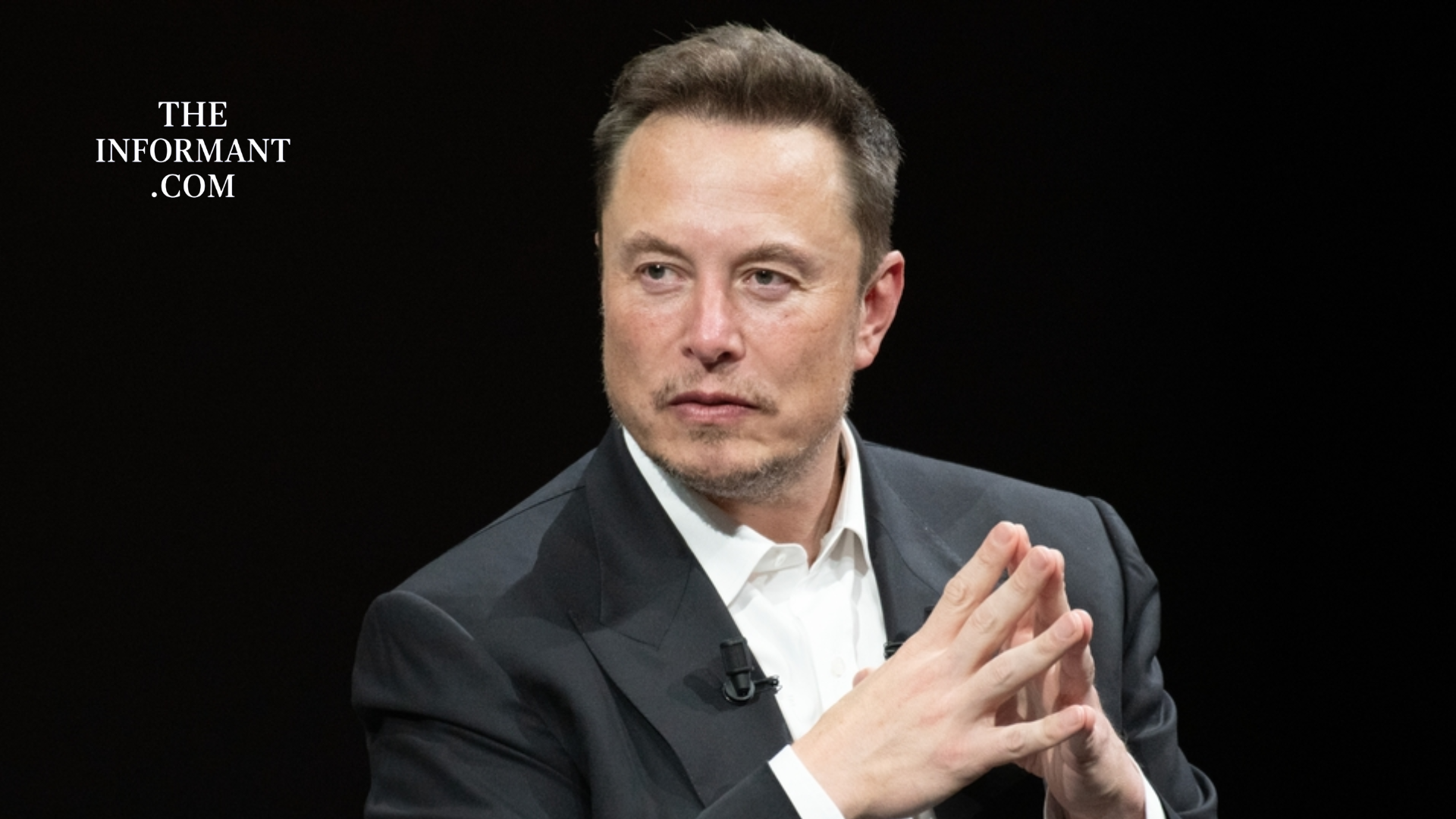
During the earnings conference call, Musk described combining SpaceX and Tesla as a potentially beneficial move. He confirmed that both companies had appointed special committees of independent directors to examine the possibility, citing potential advantages in artificial intelligence, semiconductor manufacturing, robotics and satellite communications.
However, the billionaire entrepreneur emphasized that no agreement has been reached. Because he controls significant interests in both companies, Musk said he would not participate directly in negotiations between the independent committees. Any transaction would require further negotiations, corporate approvals and potentially regulatory scrutiny. The possibility of a merger remains speculative rather than a finalized business decision.
ARTIFICIAL INTELLIGENCE BECOMES SPACEX’S LARGEST REVENUE BUSINESS
The most striking development in SpaceX’s quarterly results came from its artificial intelligence division, now branded Super Intelligence. Revenue reached $7.56 billion, compared with $813 million during the same period in 2025, representing approximately 830% annual growth. For the first time, the division generated more revenue than SpaceX’s satellite connectivity operations.
The expansion reflects the company’s transformation following its acquisition of xAI and its growing business supplying computing infrastructure to outside customers. SpaceX has been renting data-center capacity to technology companies, including Google and Anthropic, while expanding its Grok artificial intelligence products. The company also completed its acquisition of AI coding startup Cursor in August in a transaction valued at approximately $60 billion. Its AI operations reported $431 million in operating income during the quarter, compared with a substantial operating loss a year earlier.
STARLINK REACHES 13.6 MILLION SUBSCRIBERS WORLDWIDE
Despite artificial intelligence becoming SpaceX’s largest revenue segment, Starlink remains its strongest contributor to operating profit. The satellite internet service increased its consumer subscriber base to 13.6 million, up from 12 million in the previous quarter. SpaceX’s broader connectivity division generated $5.25 billion in revenue, an increase of 69% from the previous year.
The connectivity business produced approximately $2.37 billion in operating income, with revenue supported by consumer subscriptions and government and enterprise customers. SpaceX is also pursuing a broader communications strategy that includes additional wireless spectrum and direct-to-device satellite services. Meanwhile, its traditional space operations generated approximately $1.77 billion in quarterly revenue and recorded a modest operating loss.
SPACEX PREPARES FOR A MASSIVE EXPANSION IN AI SPENDING
Rapid growth is also driving extraordinary investment requirements. SpaceX reported approximately $19.6 billion in capital expenditures during the third quarter, including $16.4 billion allocated to its Super Intelligence segment. Chief Financial Officer Bret Johnsen projected that spending could rise to between $35 billion and $40 billion in the fourth quarter as the company expands its computing infrastructure.
The company’s financial outlook is similarly ambitious. Johnsen forecast first-quarter 2027 revenue between $33 billion and $37 billion, significantly above the approximately $22.2 billion consensus estimate cited by LSEG. Musk went further, presenting a long-term scenario in which annual recurring revenue could reach between $500 billion and $1 trillion by the end of 2027. That figure is management’s highly ambitious projection, not a guaranteed financial outcome or an independently established market forecast.
WHAT A SPACEX–TESLA MERGER COULD MEAN
A combination of SpaceX and Tesla would bring together businesses spanning rockets, satellite communications, artificial intelligence, electric vehicles, robotics and advanced manufacturing. Musk argues that closer cooperation could accelerate the development of computing systems, AI applications and technologies shared across the companies.
Investors will now be watching two developments closely: whether the independent committees advance merger discussions and whether SpaceX can sustain its extraordinary AI-driven expansion while managing rising capital expenditures. Tesla is scheduled to release its own third-quarter financial results after the market closes on Wednesday, October 21. For now, the potential merger remains under consideration, while SpaceX’s newly reported financial results demonstrate how rapidly its business is shifting beyond rocket launches.