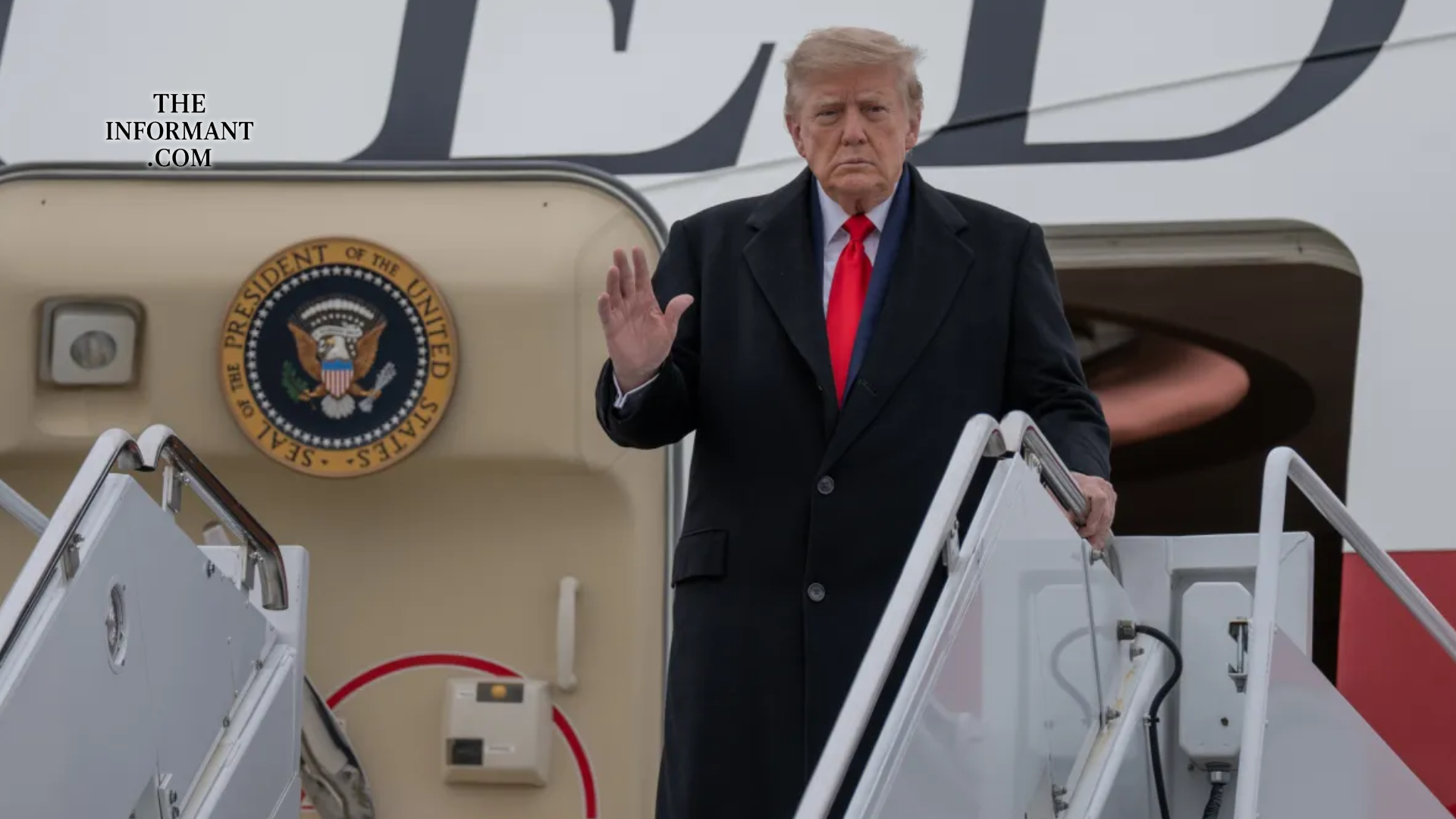
WASHINGTON, D.C. — October 21, 2026. Seven in 10 Americans say they lack confidence that President Donald Trump would accept the results of the November 3 midterm elections if Republicans lose control of Congress, according to a new Washington Post–ABC News–Ipsos poll. The findings reveal a striking contrast: Most Americans believe the elections themselves will be conducted fairly, even as they question the president’s response to a potential Republican defeat.
The survey, conducted October 9–13 and reported October 20, found that approximately 70% of U.S. adults are not confident Trump would accept Republican losses. Only 28% expressed confidence that he would, including 10% who were very confident and 18% who were somewhat confident.
DOUBTS EXTEND ACROSS PARTY LINES
Skepticism is particularly widespread among Democrats and independent voters. According to the survey, 94% of Democrats and 77% of independents lack confidence that Trump would accept a Republican defeat.
Republicans view the question differently. About 63% say they are confident Trump would accept the results, while 36% express doubts.
The findings measure expectations about the president’s potential response, not evidence that he has already rejected the outcome of an election that has yet to take place.
MOST AMERICANS STILL TRUST THE ELECTION PROCESS
Despite concerns about Trump’s response, approximately six in 10 Americans believe the November elections will be conducted fairly and accurately.
Confidence is relatively similar among the two major parties, with 70% of Democrats and 67% of Republicans expressing trust in the process. Among independents, that figure falls to 51%.
Separately, 65% of Americans say they are confident that votes will be counted accurately, almost unchanged from the 66% recorded before the 2022 midterm elections.
TRUMP HAS QUESTIONED ELECTION RESULTS BEFORE
The president’s history of challenging election outcomes provides important context for the survey.
Trump continues to dispute his 2020 presidential election defeat despite recounts, court rulings and official reviews that found no evidence of widespread fraud sufficient to change the result.
When NBC News asked him earlier in 2026 whether he would accept Republican losses in the midterms, Trump said he would do so if the elections were honest.
His conditional response has drawn attention as officials prepare for possible disputes over voting procedures and the certification of results.
STATES CONTROL ELECTION ADMINISTRATION
Under the U.S. Constitution and federal law, elections are administered primarily by state and local authorities rather than the president.
State election officials oversee voting procedures, ballot counting and certification under applicable law, while courts can resolve disputes involving election administration and results.
The distinction is important because presidential statements about election legitimacy do not independently determine the legally certified outcome of congressional contests.
POLL SHOWS A DIVIDED POLITICAL ENVIRONMENT
The same polling series found that Trump’s overall job approval stood at 33%, with 66% disapproving of his performance.
In the generic congressional ballot, Democratic candidates led Republicans 52% to 44% among likely voters. Those figures describe national preferences at the time of the survey and do not establish the outcome of individual House or Senate races.
The election-acceptance findings also show that trust in election administration and confidence in political leaders are separate questions for many Americans.
HOW THE SURVEY WAS CONDUCTED
The Washington Post–ABC News–Ipsos survey interviewed 2,545 U.S. adults nationwide between October 9 and October 13 through the probability-based Ipsos KnowledgePanel.
The overall margin of sampling error was approximately plus or minus two percentage points. Questions about perceptions of election fairness were asked of a smaller half-sample, producing a larger error margin of approximately 2.8 percentage points.
As with any public opinion survey, the results represent attitudes during the fieldwork period rather than predictions of future conduct.
WHAT HAPPENS AFTER THE NOVEMBER 3 ELECTION?
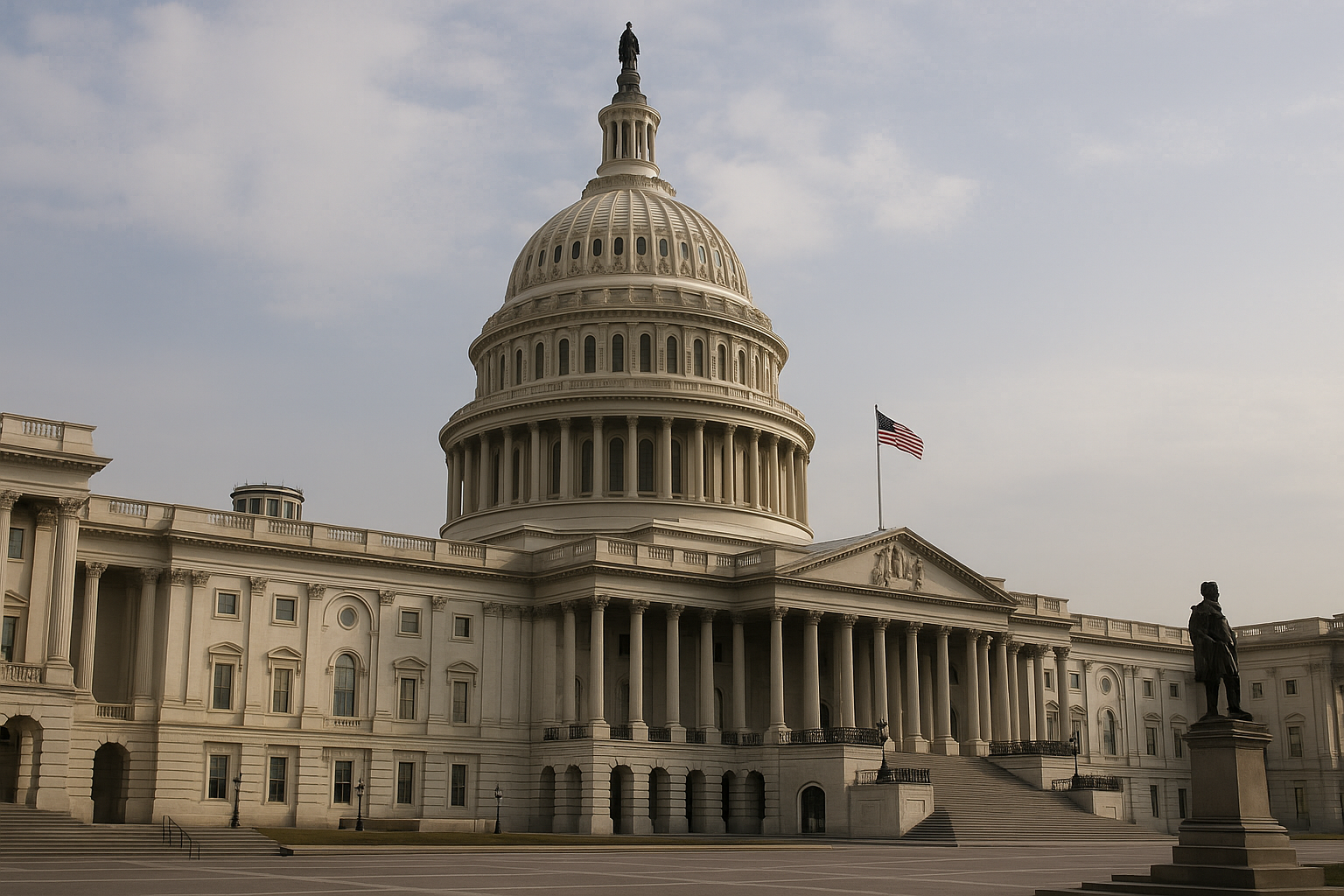
Americans will vote on November 3 to elect members of the House of Representatives and fill Senate seats, determining the balance of power in Congress.
Election officials will count and certify results according to state and federal requirements, with close races potentially subject to recounts or legal challenges.
Whether Trump accepts a Republican defeat, should one occur, remains unknown. The poll establishes public expectations before Election Day, not how the president will actually respond.
For now, the findings highlight a central concern heading into the midterms: Americans may have confidence in the electoral process while holding sharply different expectations about whether political leaders will accept its results.