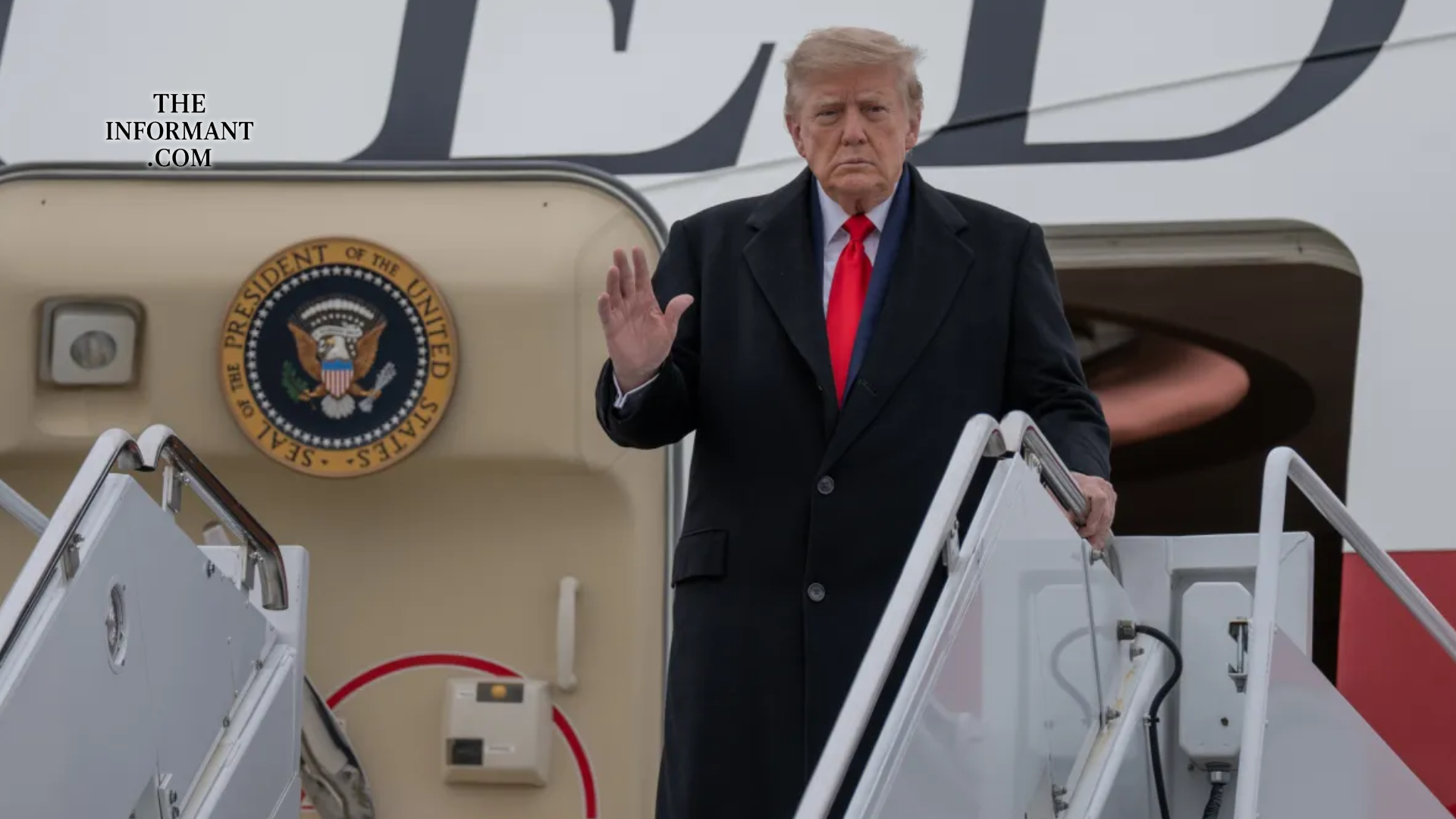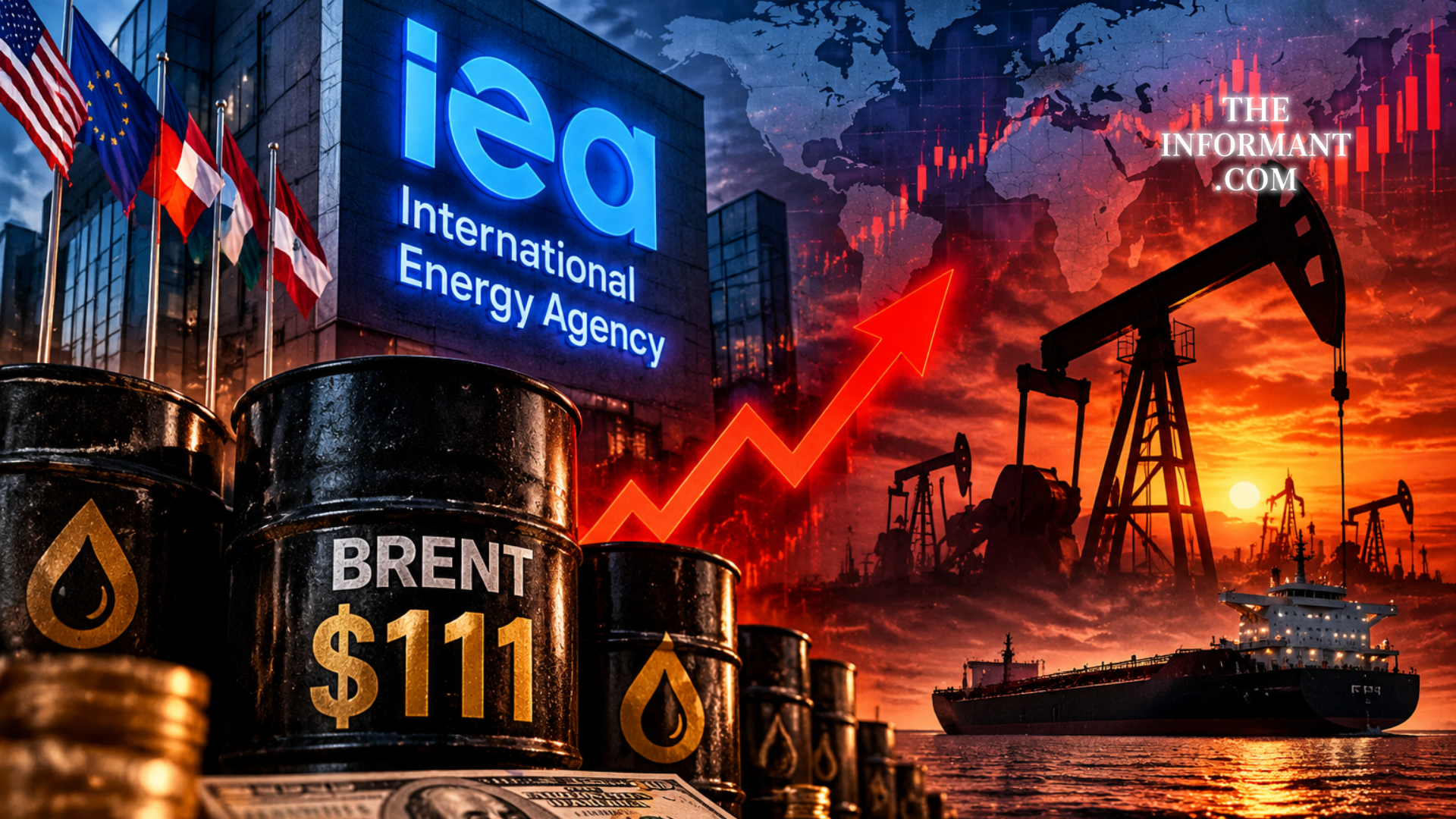
LONDON — October 20, 2026. The global energy crisis could extend well into 2027, International Energy Agency Executive Director Fatih Birol warned Tuesday, as escalating Middle East tensions, disrupted shipping routes and tightening diesel supplies put renewed pressure on fuel markets. Brent crude briefly climbed to $111.75 a barrel, its highest level since May, underscoring concerns that the conflict could trigger another round of supply disruptions.
Speaking at the Financial Times Energy Transition Summit in London, Birol said he saw no credible path for energy markets to return to normal next year. He warned that several crises could overlap across the Middle East, creating further uncertainty for oil production, transportation and fuel supplies. His assessment suggests that even if crude prices stabilize, consumers and businesses could continue facing elevated energy costs.
STRAIT OF HORMUZ REMAINS A MAJOR ENERGY SECURITY RISK
The Strait of Hormuz, a critical maritime passage linking the Persian Gulf with international shipping routes, carried roughly one-fifth of global oil and liquefied natural gas flows before the conflict. Attacks on vessels and the threat of renewed disruption have made the waterway a central concern for energy traders. Birol warned that the strait had been closed once and could be closed again, leaving markets vulnerable to another major interruption.
The risks extend beyond shipping lanes. The conflict between the United States and Iran remains unresolved, while Yemen’s Iran-aligned Houthi movement has claimed recent attacks on Saudi energy facilities and airports. Reuters reported on October 20 that Saudi authorities had not immediately confirmed the latest claims and that the reported attacks could not be independently verified. Saudi Arabia has also postponed its flagship Future Investment Initiative conference until 2027 amid worsening security concerns.
DIESEL SHORTAGES COULD KEEP FUEL COSTS ELEVATED
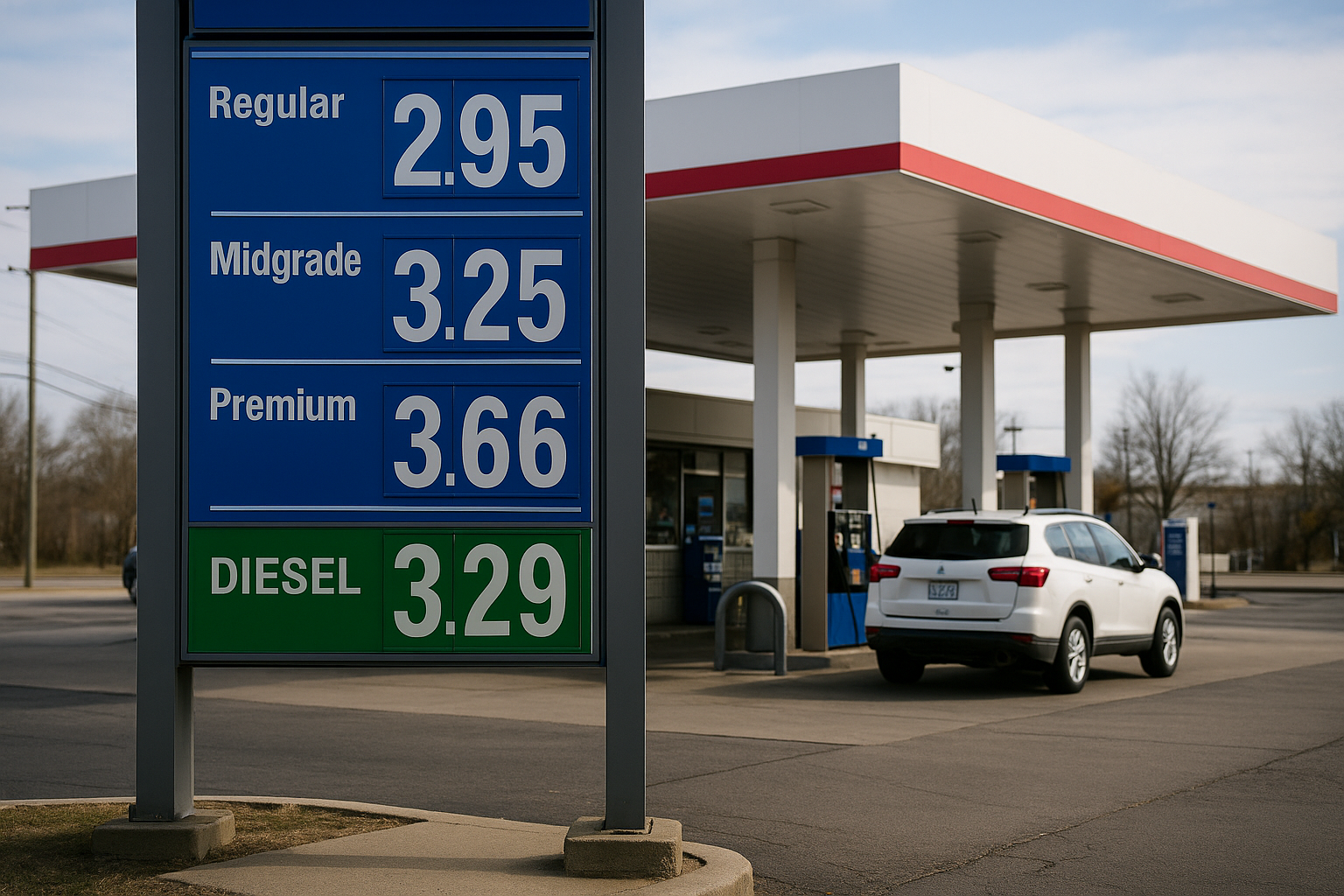
Birol cautioned against judging the severity of the crisis by crude prices alone. Diesel and other refined fuels are under particular pressure because the conflict has disrupted production and exports, while attacks on Russian refineries have further constrained supply. Diesel prices have risen sharply from prewar levels, increasing costs for freight operators, farmers, manufacturers and other businesses that depend on the fuel.
The IEA reported on October 14 that combined diesel export losses from the Middle East and Russia reached approximately 1.3 million barrels per day in September, equivalent to about 4.5% of projected global demand for diesel and gasoil. The agency also warned that inventories were being drawn down during a period when they would normally begin recovering. Seasonal increases in diesel demand and planned refinery maintenance could intensify the squeeze over the coming months.
OIL SHIPMENTS HAVE RECOVERED, BUT THE MARKET REMAINS FRAGILE
Despite the security risks, oil continues to move out of the Middle East through a combination of shipping routes and alternative export arrangements. Kpler data cited in the October 20 report showed the latest seven-day average of regional oil flows, including shipments through Hormuz, the Red Sea and the Gulf of Oman, at slightly more than 24 million barrels per day. Saudi pipeline exports have also helped maintain supply. However, continued flows do not eliminate the risk of sudden disruptions, especially if attacks expand or shipping insurers and operators become more cautious.
IEA MEMBERS ACCELERATE EMERGENCY RESERVE RELEASES
Governments are attempting to ease the pressure by making emergency supplies available. In March, IEA members initially agreed to release 400 million barrels of oil and refined products, with the total commitment later expected to exceed that amount. By mid-October, approximately 330 million barrels had been released, and the agency’s governing board agreed to accelerate the remaining volumes, including more than 20 million barrels of diesel as soon as possible.
On Tuesday, Birol said the timing and volume of additional releases would depend on individual countries and market conditions. The IEA has also indicated that members remain prepared to consider further action if necessary. These reserves provide an important buffer, but drawing them down reduces the amount available to respond to future emergencies.
WHAT THE ENERGY CRISIS MEANS FOR THE MONTHS AHEAD
The coming winter will test whether additional reserve releases, improved exports and higher refinery output can offset supply losses. The United States is already working with domestic and international refiners to increase diesel production, although industry officials say many facilities are operating close to capacity and cannot quickly expand output.
Birol’s warning does not mean that oil prices will rise continuously or that a specific shortage is inevitable in every country. It does mean the IEA sees no credible basis for assuming that energy markets will return to normal in 2027. The next indicators to watch include shipping activity through Hormuz, diesel inventories, refinery output, the course of the U.S.-Iran conflict and the pace of emergency reserve deliveries.