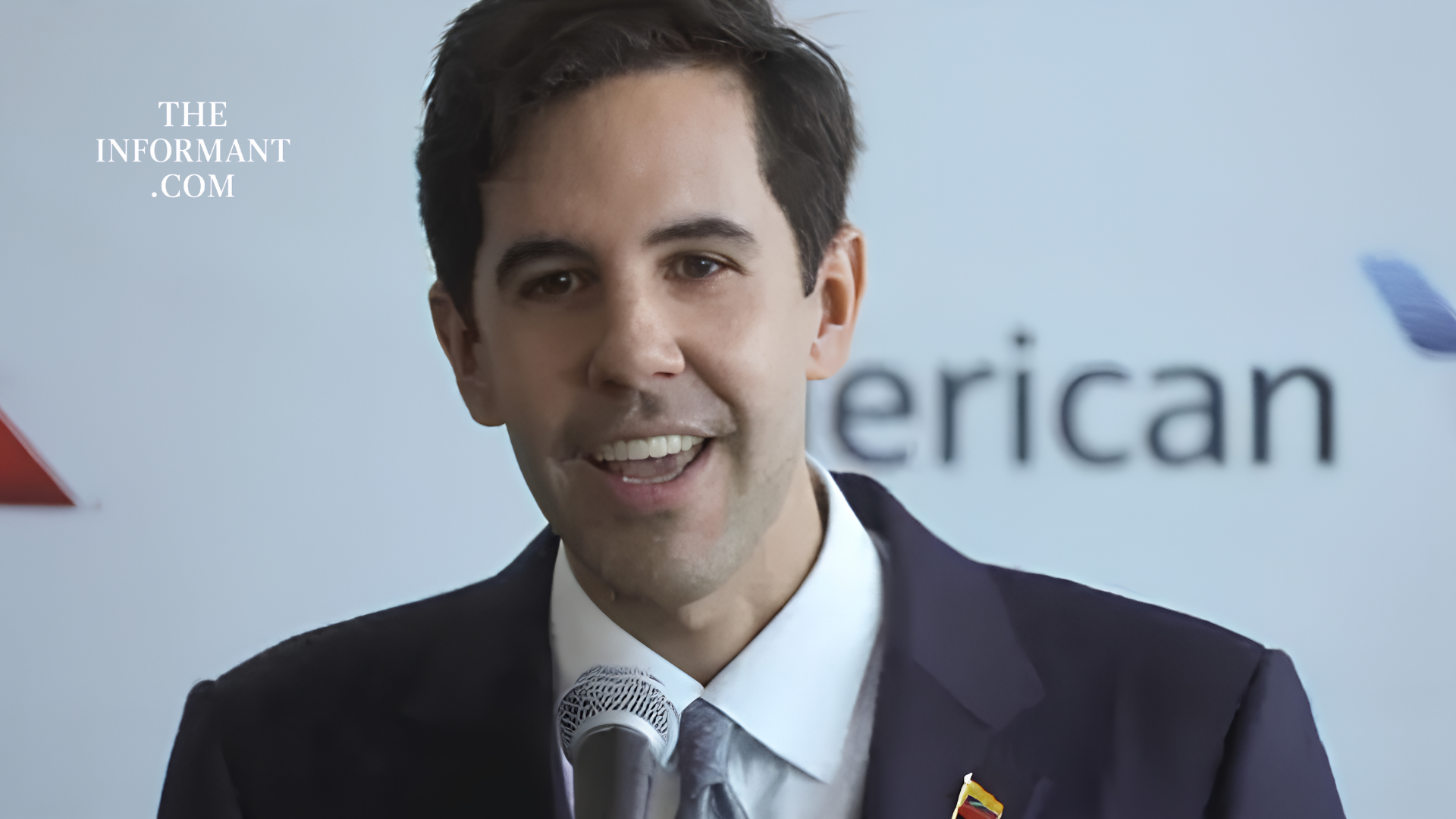
CARACAS, Venezuela — October 29, 2026. Venezuela’s interim President Delcy Rodríguez appointed Oliver Blanco, a diplomat with a background in the opposition Democratic Action party, as the country’s new foreign minister Thursday, reshuffling her diplomatic leadership amid efforts to rebuild international relationships and recover Venezuelan gold reserves held in the United Kingdom.
Blanco replaces Félix Plasencia, who will become director of International Affairs at the Presidency. Rodríguez said Plasencia’s immediate assignment will be to pursue the return of Venezuelan gold deposited at the Bank of England, an issue that has remained unresolved for years.
DELCY RODRÍGUEZ ANNOUNCES DIPLOMATIC LEADERSHIP CHANGE
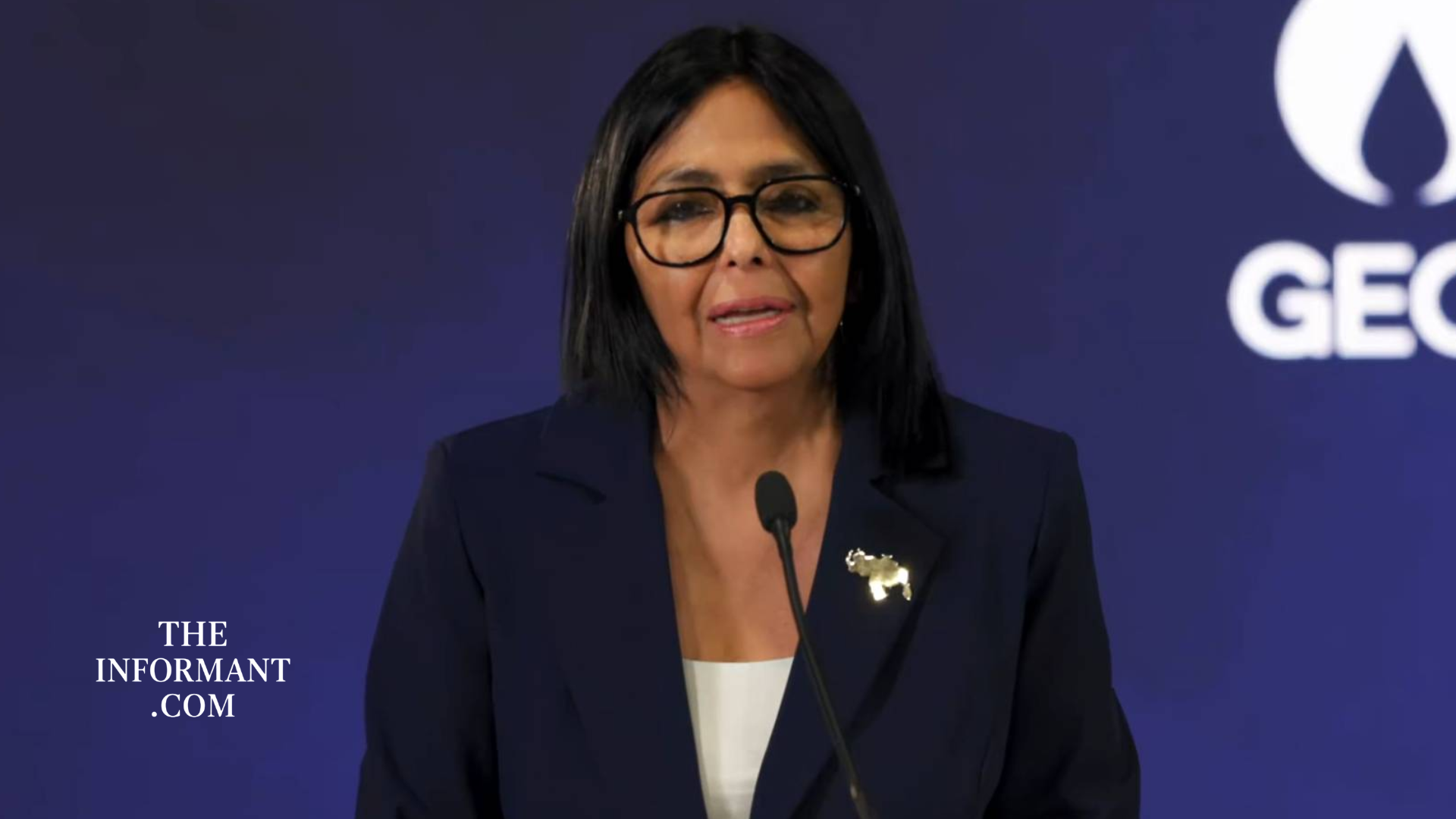
Rodríguez announced Blanco’s appointment during a government address broadcast by state television network Venezolana de Televisión.
The interim president said the decision was intended to strengthen Venezuela’s diplomatic team and expand international cooperation.
She expressed hope that the new leadership would advance changes in the country’s foreign relations and improve cooperation with governments around the world.
The appointment comes during a period of political and economic adjustments under Rodríguez’s interim administration.
The government has sought to restore diplomatic channels while negotiating changes to state institutions and economic policy.
WHO IS OLIVER BLANCO?
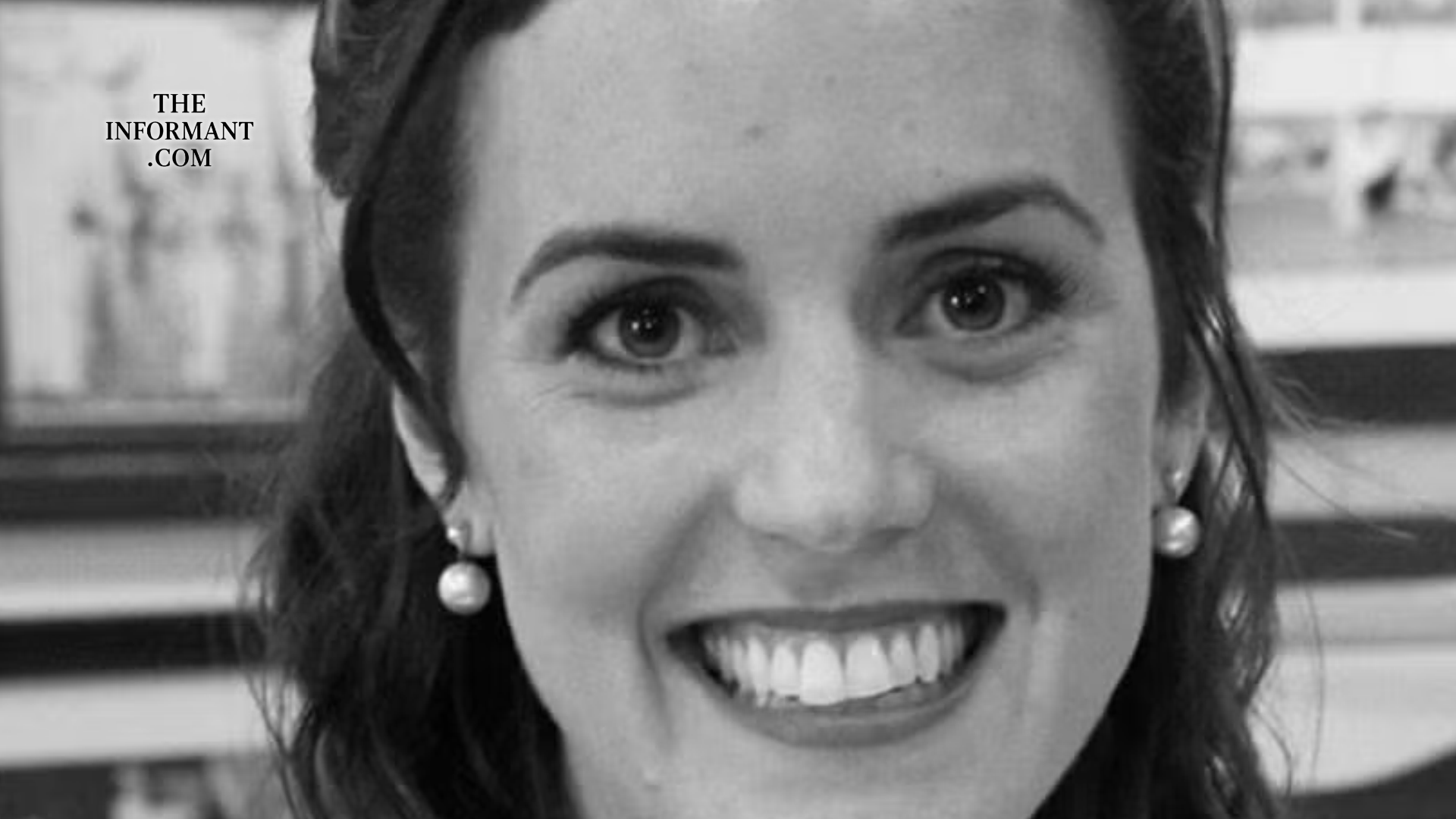
Oliver Blanco, 34, is a Venezuelan international relations specialist who graduated from the Central University of Venezuela.
He previously participated in Democratic Action, a political party historically associated with the Venezuelan opposition.
His background also includes political communications and institutional relations.
Blanco became vice minister for Europe and North America in February 2026, a position that involved diplomatic engagement with governments on both sides of the Atlantic.
He subsequently assumed additional responsibilities as first vice minister of Foreign Affairs and International Trade.
His appointment as foreign minister represents a promotion within an administration in which he had already been serving.
FORMER OPPOSITION AFFILIATION DRAWS ATTENTION
Blanco’s previous involvement with Democratic Action has attracted attention because the party has historically opposed the governments led by Hugo Chávez and Nicolás Maduro.
His appointment brings a former opposition-affiliated figure into one of the most senior positions in Venezuela’s executive branch.
However, his previous party membership does not establish that he currently represents Democratic Action or the broader opposition.
Blanco had already joined the government’s diplomatic structure before receiving the foreign minister portfolio.
The appointment therefore reflects a change in leadership within the existing administration rather than an opposition takeover of the foreign ministry.
FÉLIX PLASENCIA MOVES TO PRESIDENTIAL INTERNATIONAL AFFAIRS
Outgoing Foreign Minister Félix Plasencia will assume a new position as director of International Affairs at the Presidency.
Plasencia had been appointed foreign minister in July 2026.
His new responsibilities will include strategic diplomatic assignments directed by Rodríguez.
The interim president specifically instructed him to focus on recovering Venezuelan gold reserves held in London.
She indicated that Plasencia should work from the United Kingdom while pursuing the matter.
The reassignment keeps the experienced diplomat involved in Venezuela’s international negotiations despite his departure from the foreign ministry.
VENEZUELA SEEKS RETURN OF GOLD HELD AT BANK OF ENGLAND
The Venezuelan government has renewed efforts to recover gold reserves deposited at the Bank of England.
The holdings have been subject to legal and political disputes since 2019, when questions arose over which Venezuelan authorities were entitled to control the assets.
The reserves are currently estimated to be worth approximately $2 billion, although their market value fluctuates with gold prices.
Rodríguez has argued that the assets belong to Venezuela and should be returned to the country’s central bank.
The British institution’s continued custody of the gold has become a central issue in Caracas’ diplomatic relationship with London.
The government has not announced a final agreement securing the return of the reserves.
GOVERNMENT AND OPPOSITION COOPERATE ON GOLD RECOVERY EFFORTS
The gold dispute has also become part of negotiations between Rodríguez’s administration and a sector of the Venezuelan opposition.
During talks held in August, representatives reached an agreement to pursue the recovery of international reserve assets.
On October 21, government and opposition negotiators agreed to establish a joint commission to advance discussions with British authorities.
The commission is intended to coordinate diplomatic and legal efforts involving the assets.
Opposition representative Dinorah Figuera has participated in the negotiations.
The initiative demonstrates an area of cooperation between political groups that remain divided over broader questions concerning Venezuela’s government and democratic transition.
RODRÍGUEZ ORDERS NEW LEGAL AND DIPLOMATIC ACTION
On October 28, one day before Blanco’s appointment, Rodríguez instructed the foreign ministry and the Attorney General’s Office to begin additional proceedings aimed at recovering the gold.
The interim president said Venezuela would continue pressing British authorities to release the assets.
She also referenced previous negotiations and agreements concerning the reserves.
In July, Rodríguez sent a letter to King Charles III requesting assistance in securing their return.
The Venezuelan government has said the funds could support reconstruction and public services, including recovery efforts following earthquakes that affected the country in June.
However, the eventual use of the assets would depend on whether the legal and diplomatic obstacles can be resolved.
VENEZUELA AND UNITED KINGDOM RESTORE DIPLOMATIC CONTACTS
Caracas and London have recently taken steps to improve bilateral relations.
In September, the two governments announced plans to appoint ambassadors after a period of reduced diplomatic representation.
The renewed engagement has created additional opportunities for discussions concerning Venezuelan assets held abroad.
Nevertheless, the gold dispute remains complicated by previous court proceedings and questions about the legal authority to control the reserves.
Diplomatic negotiations do not automatically override judicial decisions or banking requirements.
The appointment of Plasencia to oversee the issue signals that Caracas intends to continue pursuing a negotiated resolution.
APPOINTMENT COMES AMID BROADER POLITICAL CHANGES
Blanco’s appointment coincides with additional announcements concerning Venezuela’s political and economic future.
Rodríguez has discussed reforms to electoral institutions, judicial procedures and government administration.
She has also outlined plans to increase private-sector participation in parts of the economy.
On October 29, the interim president said her administration was reviewing nonessential state assets that could potentially be offered to private businesses or returned to former owners.
She also discussed wage adjustments and future elections under a renewed electoral authority.
These initiatives form part of the government’s stated plans for institutional and economic changes.
Their implementation and long-term effects remain uncertain.
WHAT HAPPENS NEXT?
Blanco is expected to assume responsibility for Venezuela’s diplomatic relations and international cooperation.
His priorities will include managing relations with European governments, North American partners and other countries involved in Venezuela’s economic and political transition.
Plasencia will focus on presidential diplomatic assignments, particularly the effort to recover gold reserves held in Britain.
Further negotiations with British authorities and the joint government-opposition commission may determine whether progress is possible.
For now, the appointment places a former opposition-affiliated diplomat at the head of Venezuela’s foreign ministry while the interim government continues seeking international engagement and access to state assets held overseas.