WASHINGTON, D.C. — November 20, 2026.
President Donald Trump has renewed his assertion that drug cartels exercise extensive control over Mexico, raising security concerns as his administration continues negotiations with Mexican President Claudia Sheinbaum over trade, tariffs and bilateral cooperation.
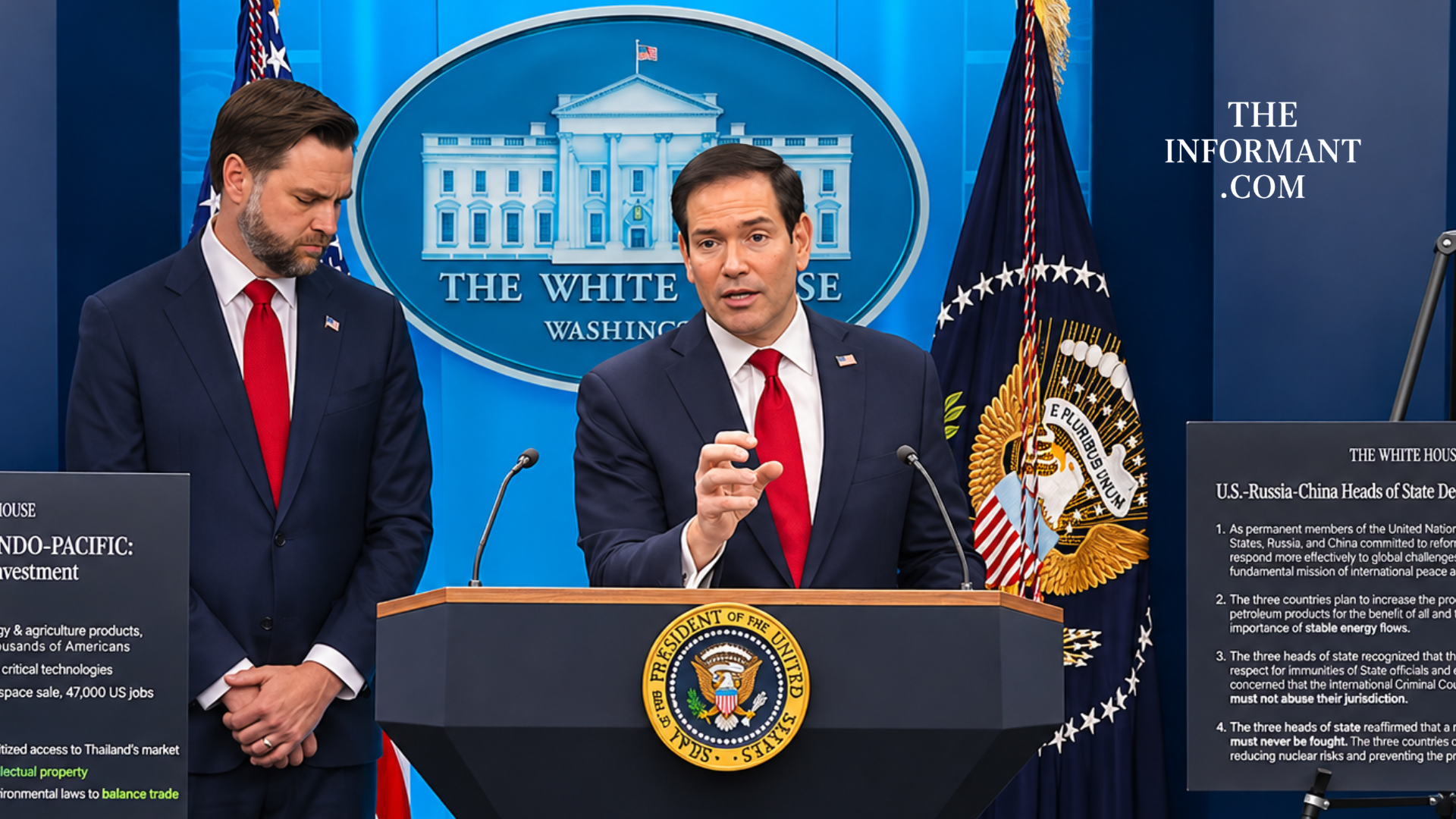
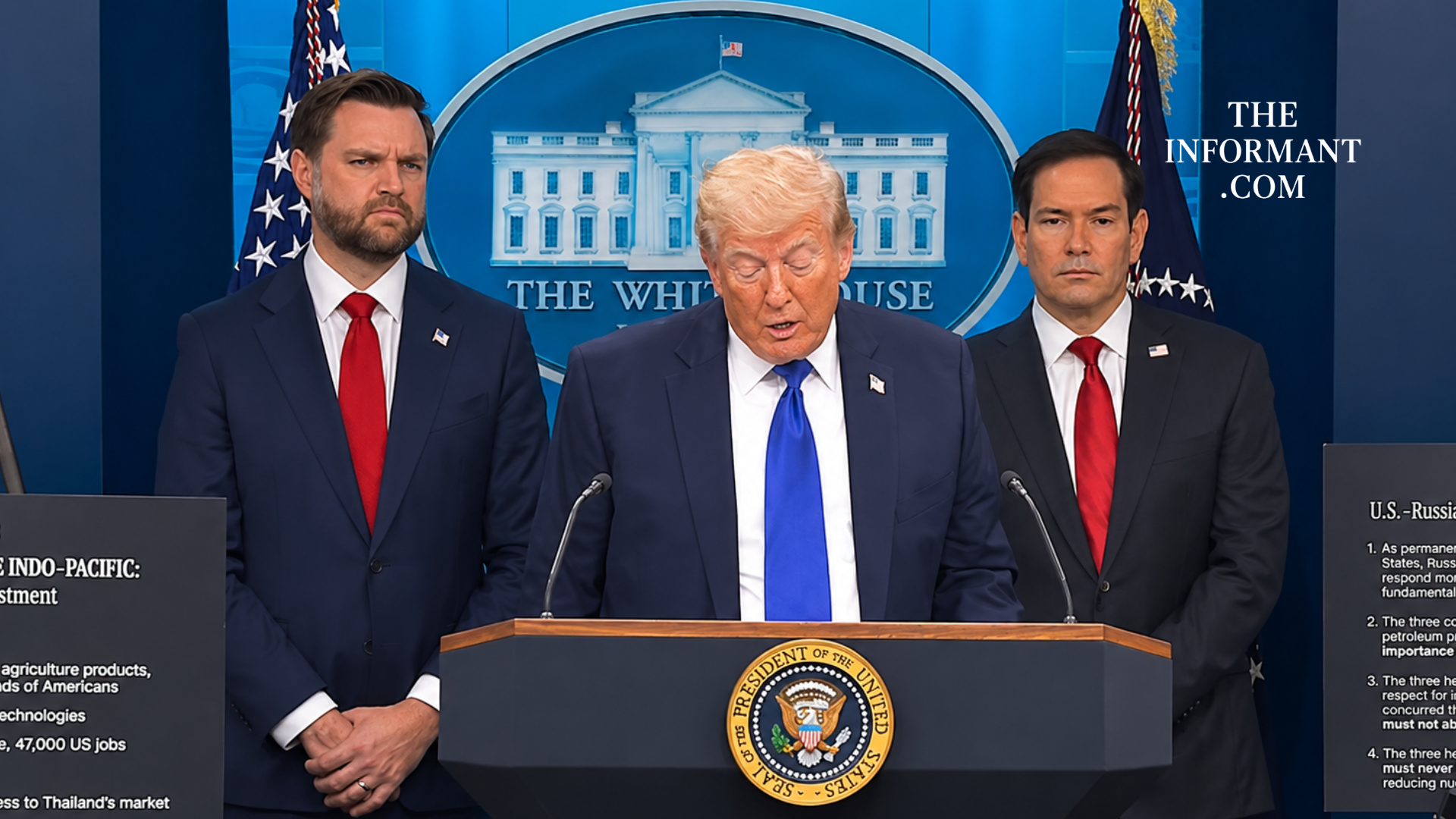
In remarks attributed to Trump during a White House news conference on Friday, the president said Washington was working with Sheinbaum to address criminal organizations operating in Mexico.
The remarks circulated alongside a video in which Trump also discussed the possibility of a new trade arrangement and expressed concern about Mexico’s trade surplus with the United States.
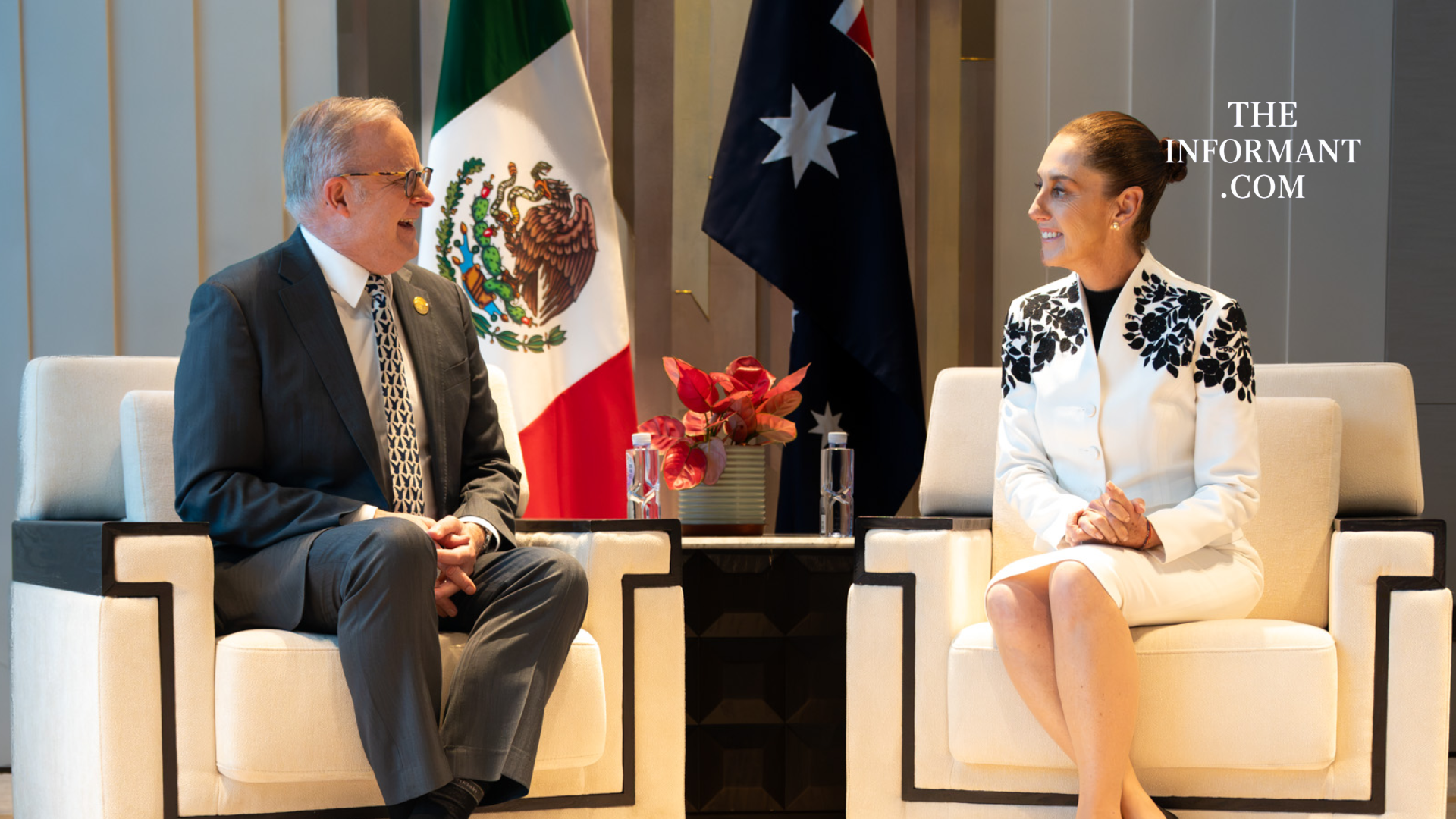
The comments followed a November 18 meeting between the two presidents in Shenzhen, China, on the sidelines of the Asia-Pacific Economic Cooperation summit.
TRUMP REPEATS CLAIM ABOUT MEXICAN DRUG CARTELS
Trump has repeatedly argued that organized crime groups exercise considerable influence in Mexico and represent a threat to American security.
His latest reported remarks linked those concerns to cooperation with the Sheinbaum administration.
The president’s characterization should be distinguished from a verified assessment of Mexico’s political institutions. The existence of powerful trafficking organizations does not establish that those groups control the Mexican government.
Trump has made similar statements on previous occasions, including in January 2026, when he publicly claimed that cartels were running Mexico.
His administration has also raised the possibility of direct U.S. action against trafficking organizations, an approach opposed by the Mexican government when it involves unauthorized operations on Mexican territory.
TRUMP AND SHEINBAUM MET DURING APEC SUMMIT IN CHINA
The two presidents met on November 18 at the Langham Hotel in Shenzhen, where both were attending the APEC summit.
The encounter lasted approximately 20 minutes and included senior officials from both governments.
Mexico was represented by Foreign Minister Roberto Velasco and Economy Secretary Marcelo Ebrard.
The American delegation included Secretary of State Marco Rubio and senior trade and White House officials.
Afterward, Sheinbaum described the meeting positively and said the two countries were making progress on their shared agenda.
She subsequently explained that the principal subject of the discussion was trade rather than security.
President Trump on his meeting with Mexican President Claudia Sheinbaum:
— Trump War Room (@TrumpWarRoom) November 20, 2026
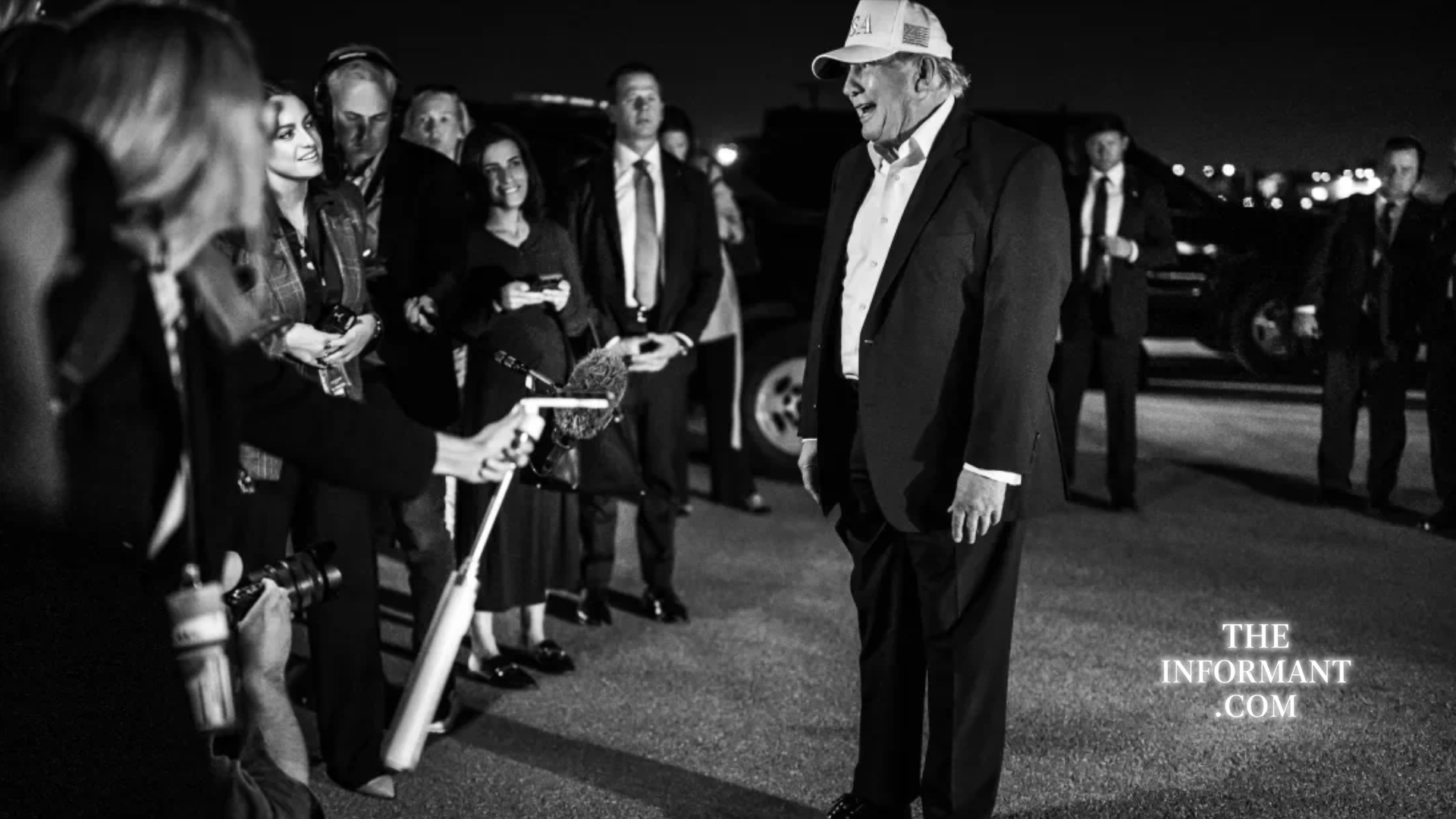
"We’re working with her on the cartels because the cartels are running Mexico. I told her that. And we can’t let the cartels run Mexico. They’re our neighbor." pic.twitter.com/wDNKppsg7R
TRADE NEGOTIATIONS REMAIN CENTRAL TO BILATERAL RELATIONS
The United States and Mexico are negotiating changes to their commercial relationship amid disagreements over tariffs and the future of the United States–Mexico–Canada Agreement, known as the USMCA.
Mexico has sought relief from U.S. tariffs affecting steel, aluminum and automobiles, three sectors closely connected to North American manufacturing supply chains.
Washington declined in July to extend the existing USMCA framework for another 16-year term, creating additional uncertainty over the agreement’s future.
Sheinbaum has said negotiations are substantially advanced and that both governments are examining whether a new arrangement can be concluded.
Trump’s reported comments about Mexico’s trade surplus reflect another longstanding point of disagreement between the two countries.
A bilateral trade surplus means Mexico sells more goods to the United States than it purchases from the United States. It does not, by itself, establish whether the overall trading relationship benefits or harms either economy.
SHEINBAUM DEFENDS MEXICO’S SOVEREIGNTY
The Mexican president has consistently supported bilateral cooperation against drug trafficking while rejecting unilateral U.S. military intervention on Mexican territory.
Her administration maintains that security coordination must respect Mexico’s sovereignty and the responsibilities of both governments.
Mexican officials have also emphasized the importance of reducing illicit firearms trafficking from the United States and addressing American demand for illegal drugs.
The two governments continue to face pressure to disrupt transnational criminal networks while maintaining cooperation across their shared border.
LEADERS PLAN ANOTHER MEETING IN DECEMBER
Following their discussions in Shenzhen, Sheinbaum said the presidents had agreed to meet again during the G20 summit in the Miami area in December.
The Mexican leader expressed hope that the next encounter could provide an opportunity to finalize a trade arrangement.
She did not announce a completed agreement or provide a definitive timetable.
The proposed meeting comes as both administrations seek to resolve outstanding economic disagreements while maintaining cooperation on security and other bilateral priorities.
SECURITY AND COMMERCE REMAIN LINKED POLITICAL ISSUES
The latest exchange illustrates the different priorities and public messages shaping the relationship between Washington and Mexico City.
Trump continues to emphasize cartel activity, border security and the U.S. trade deficit with Mexico.
Sheinbaum has focused publicly on reducing tariffs, protecting Mexico’s sovereignty and preserving the economic integration established under the USMCA.
Although both governments have indicated that trade discussions are advancing, no final agreement was announced following their November 18 meeting.
The next significant diplomatic milestone is their planned December meeting, where the two governments may continue negotiations over tariffs and broader economic cooperation.