BRUSSELS, BELGIUM — November 20, 2026.
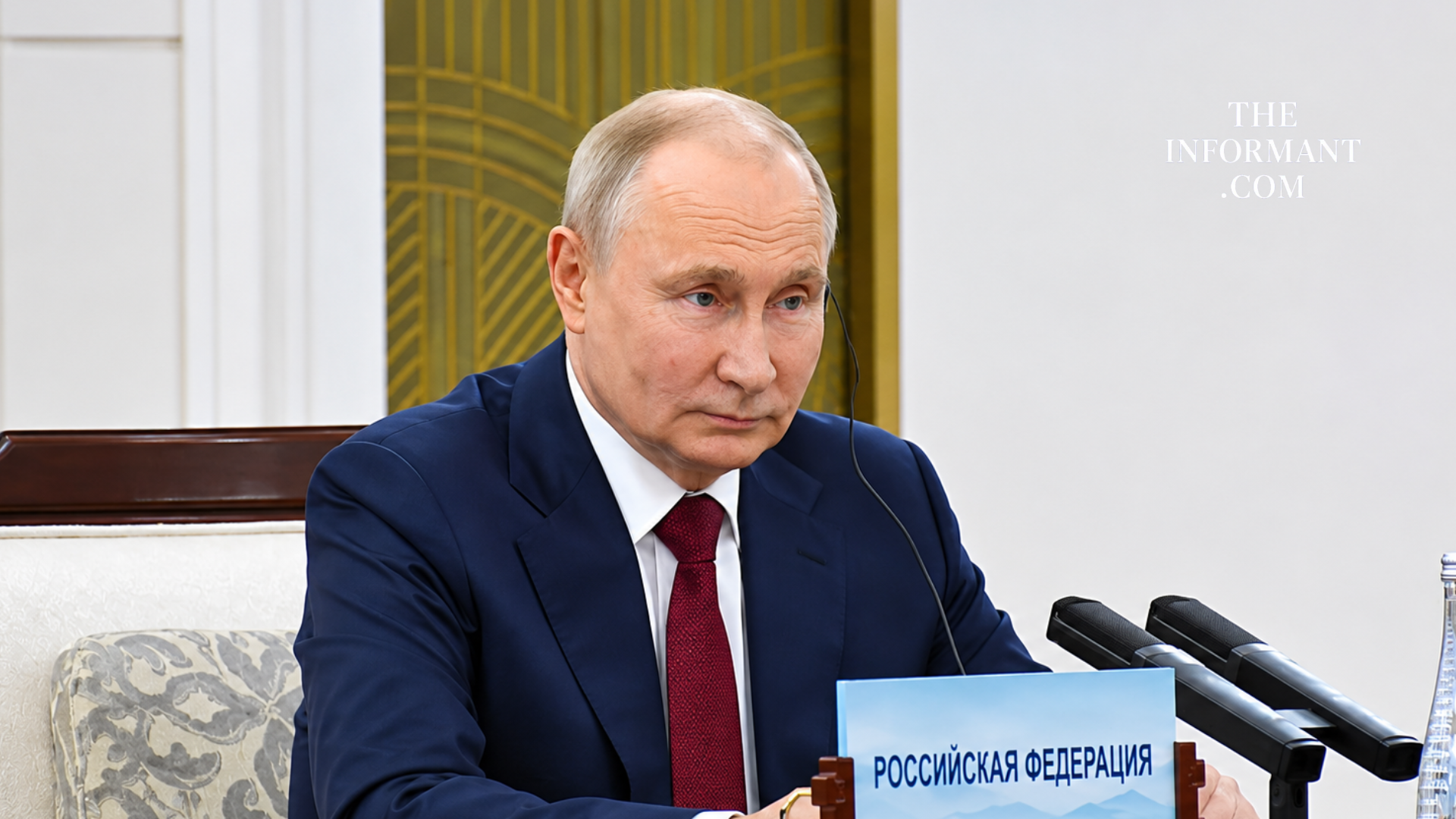
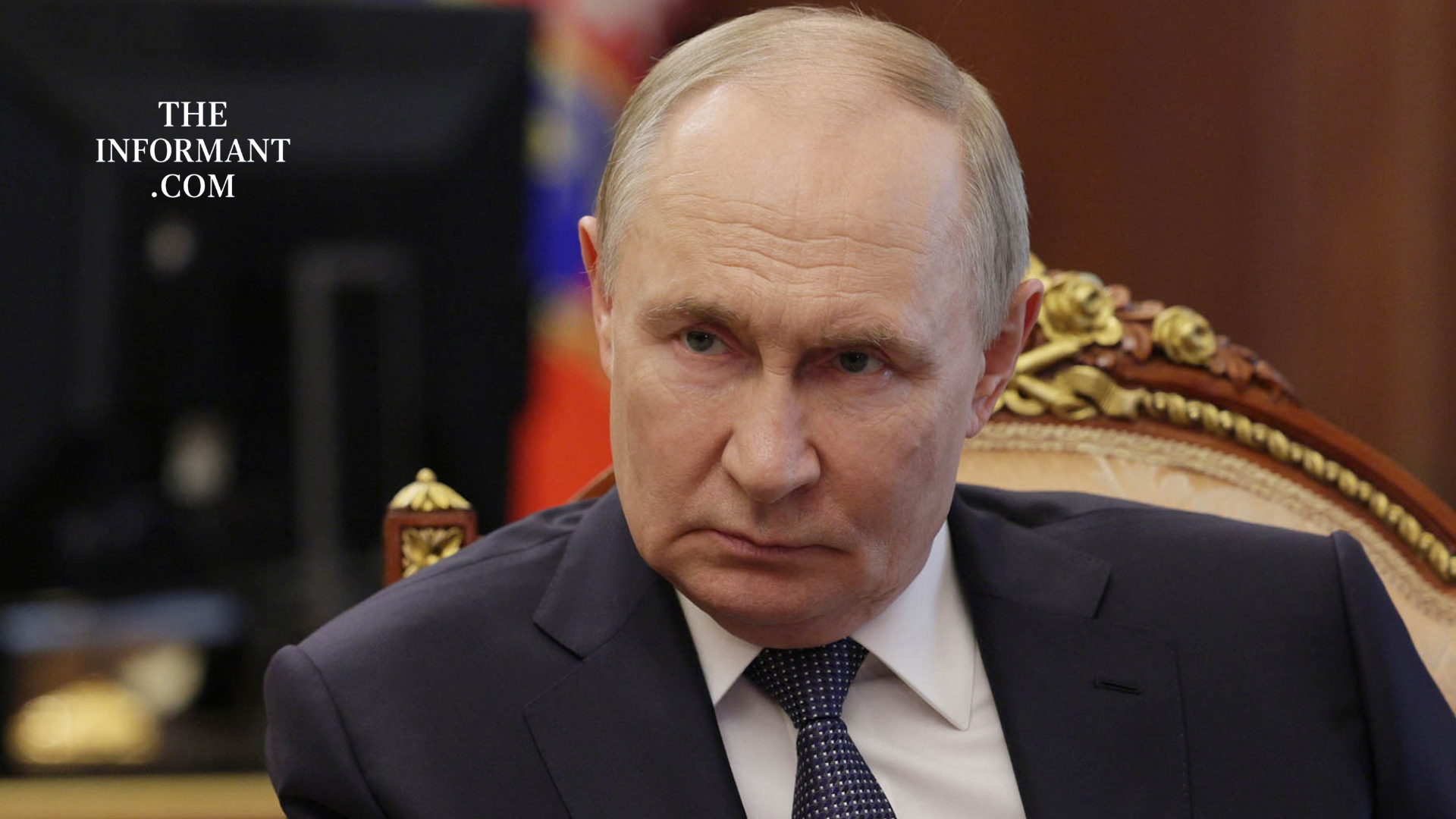
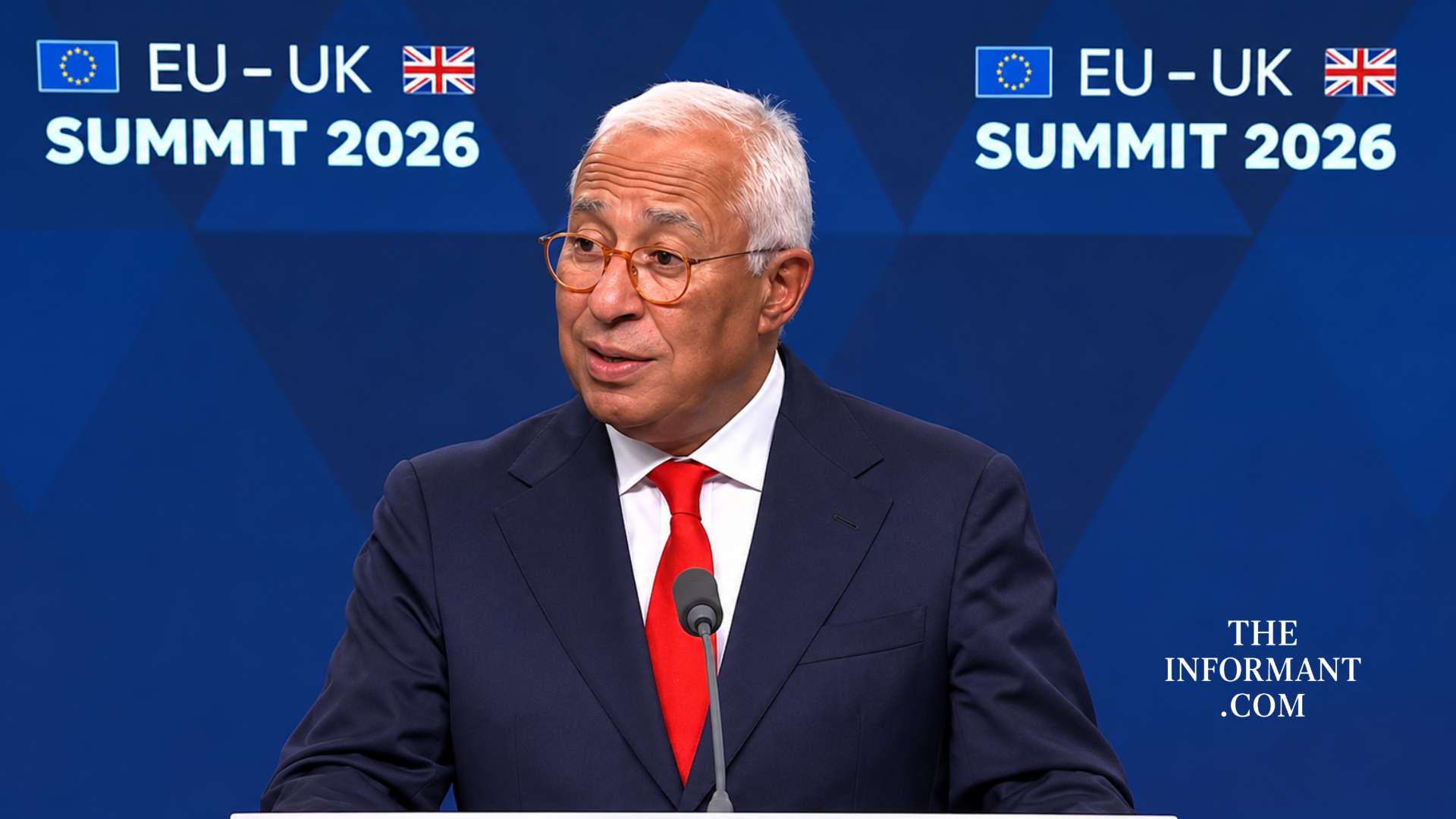
🇪🇺 European Council President António Costa criticized Russia’s conduct amid its ongoing war against Ukraine as European Union and British leaders met in Brussels on Friday to strengthen their cooperation on defense, international security and economic relations.
A video clip circulating on social media attributes the statement “Russia is going in the wrong direction” to Costa during the EU–UK summit. While the exact wording has not been independently confirmed in the published transcript of his prepared remarks, his official statement clearly expressed concern over Russia’s military actions and their consequences for European security.
COSTA WARNS ABOUT RUSSIA’S WAR AGAINST UKRAINE
During a joint press conference following the summit, Costa described Russia’s invasion of Ukraine as one of the most significant challenges confronting Europe.
He reaffirmed that the European Union and the United Kingdom would continue providing political, financial and military assistance to Ukraine in pursuit of a lasting peace.
Costa emphasized that the conflict has reinforced the need for European countries and their partners to coordinate their security policies and respond collectively to emerging threats.
EU AND UK LEADERS MEET IN BRUSSELS
The second EU–UK summit brought together António Costa, European Commission President Ursula von der Leyen and British Prime Minister Andy Burnham.
The meeting followed the first summit held in London in May 2025, when both sides established a renewed strategic partnership after years of negotiations following Brexit.
The Brussels discussions focused on improving cooperation between the European Union and the United Kingdom while maintaining their separate political and institutional frameworks.
NOW – President of the European Council: "Russia is going in the wrong direction." pic.twitter.com/4sCOLstStO
— Disclose.tv (@disclosetv) November 20, 2026
EUROPEAN SECURITY AND DEFENSE TAKE CENTER STAGE
Russia’s war in Ukraine remained a major subject of discussion, alongside concerns about hybrid threats, foreign interference and the protection of European infrastructure.
Costa highlighted progress in the EU–UK Security and Defence Partnership, including cooperation on maritime security, space security and democratic resilience.
He also announced the conclusion of negotiations on a Framework Participation Agreement designed to facilitate more regular British participation in EU civilian missions.
The agreement represents another step toward closer security coordination between Brussels and London.
LEADERS SEEK CLOSER ECONOMIC RELATIONS AFTER BREXIT
Beyond security, the summit addressed practical measures to improve trade and economic cooperation.
The leaders discussed reducing barriers affecting agricultural and food products, strengthening energy cooperation and expanding opportunities for people to study, work and travel.
These negotiations reflect efforts to address some of the economic and administrative challenges that emerged following the United Kingdom’s departure from the European Union.
Both sides have emphasized that stronger economic cooperation can contribute to greater resilience and competitiveness.
EU AND UK ISSUE JOINT STATEMENT
Following their discussions, the leaders adopted a joint statement reaffirming their commitment to democracy, the rule of law, international cooperation and European security.
The document emphasized the importance of their strategic partnership in responding to geopolitical and economic challenges.
It also reinforced their commitment to maintaining close coordination on issues affecting peace and stability in Europe.
WHAT THE SUMMIT MEANS FOR UKRAINE
The Brussels meeting did not produce a peace agreement between Russia and Ukraine.
Instead, it reinforced the European Union’s and the United Kingdom’s shared commitment to supporting Ukraine and coordinating their response to security threats.
Costa’s remarks demonstrated that Russia’s military actions remain central to European diplomatic discussions, even as Brussels and London seek closer cooperation on trade, energy and other post-Brexit priorities.
The summit’s principal outcome was a renewed commitment to European cooperation, with support for Ukraine remaining a major component of the EU–UK strategic relationship.