WASHINGTON, D.C. — November 20, 2026.
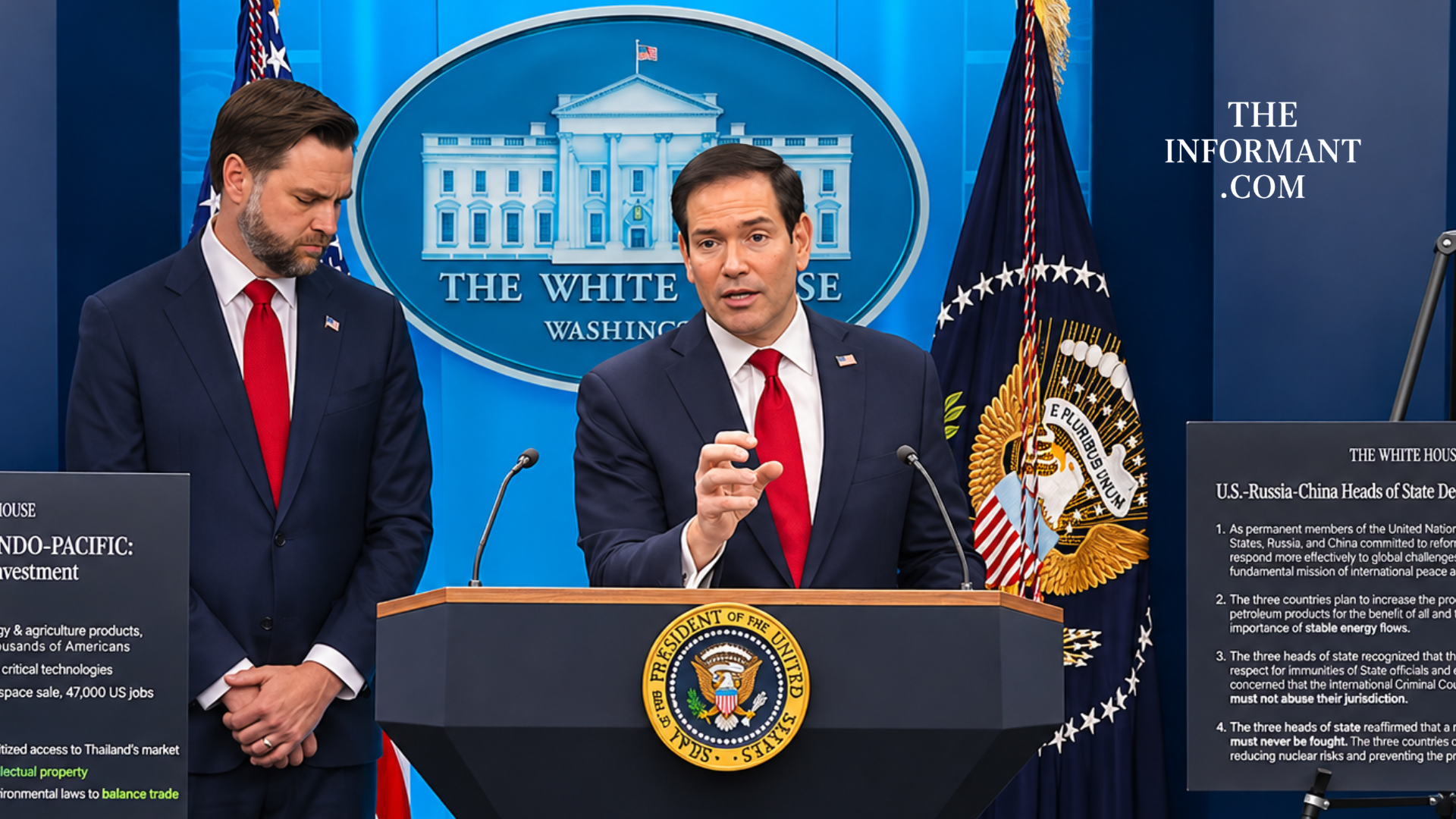
U.S. Secretary of State Marco Rubio defended the importance of regular diplomatic communication between the United States, Russia and China on Friday, arguing that the world’s leading nuclear powers must maintain direct contact despite their political and security disagreements.
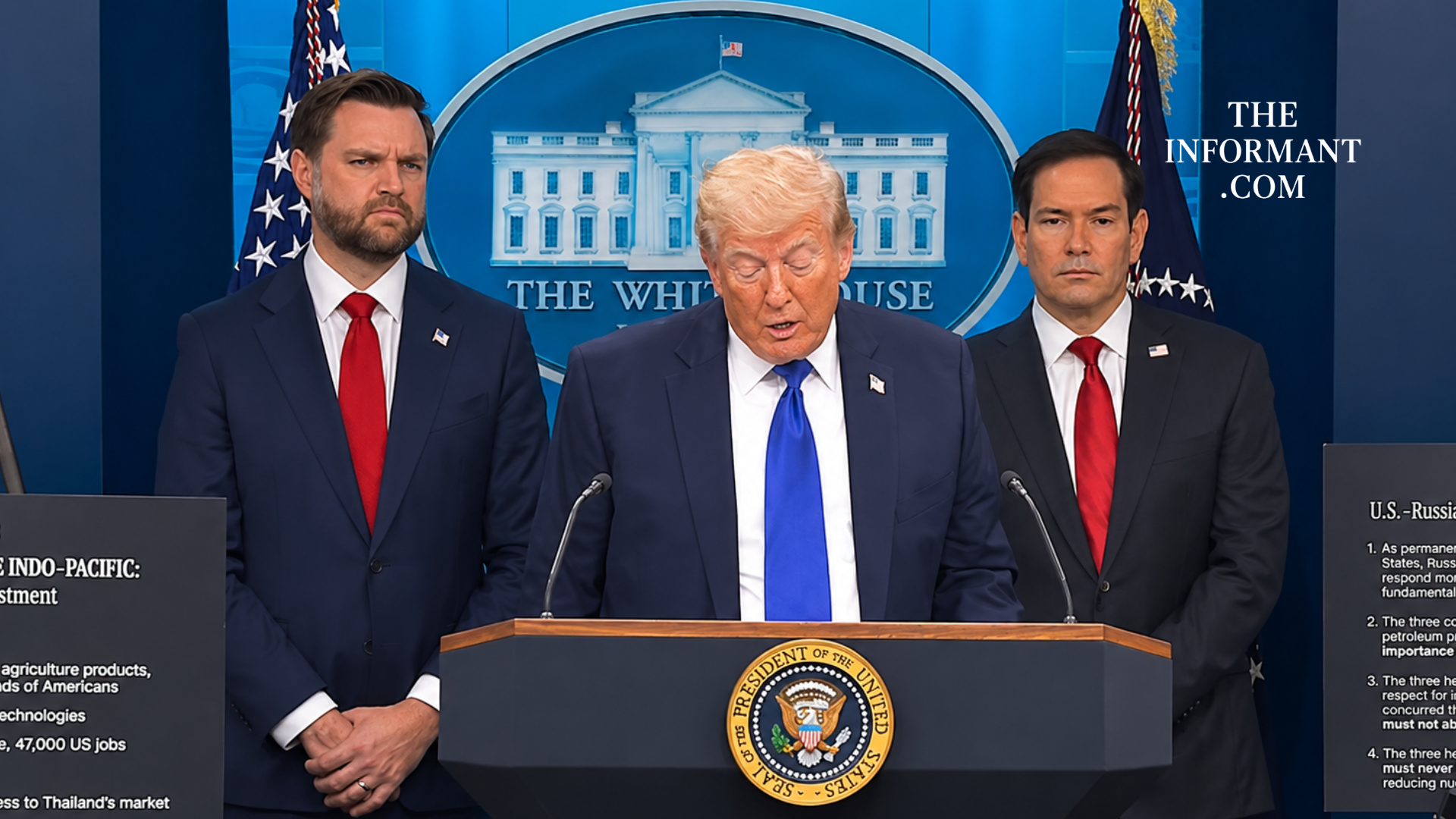
Speaking during a White House news conference alongside President Donald Trump, Rubio emphasized that the three countries collectively possess most of the world’s nuclear weapons and that avoiding dialogue could increase international security risks.
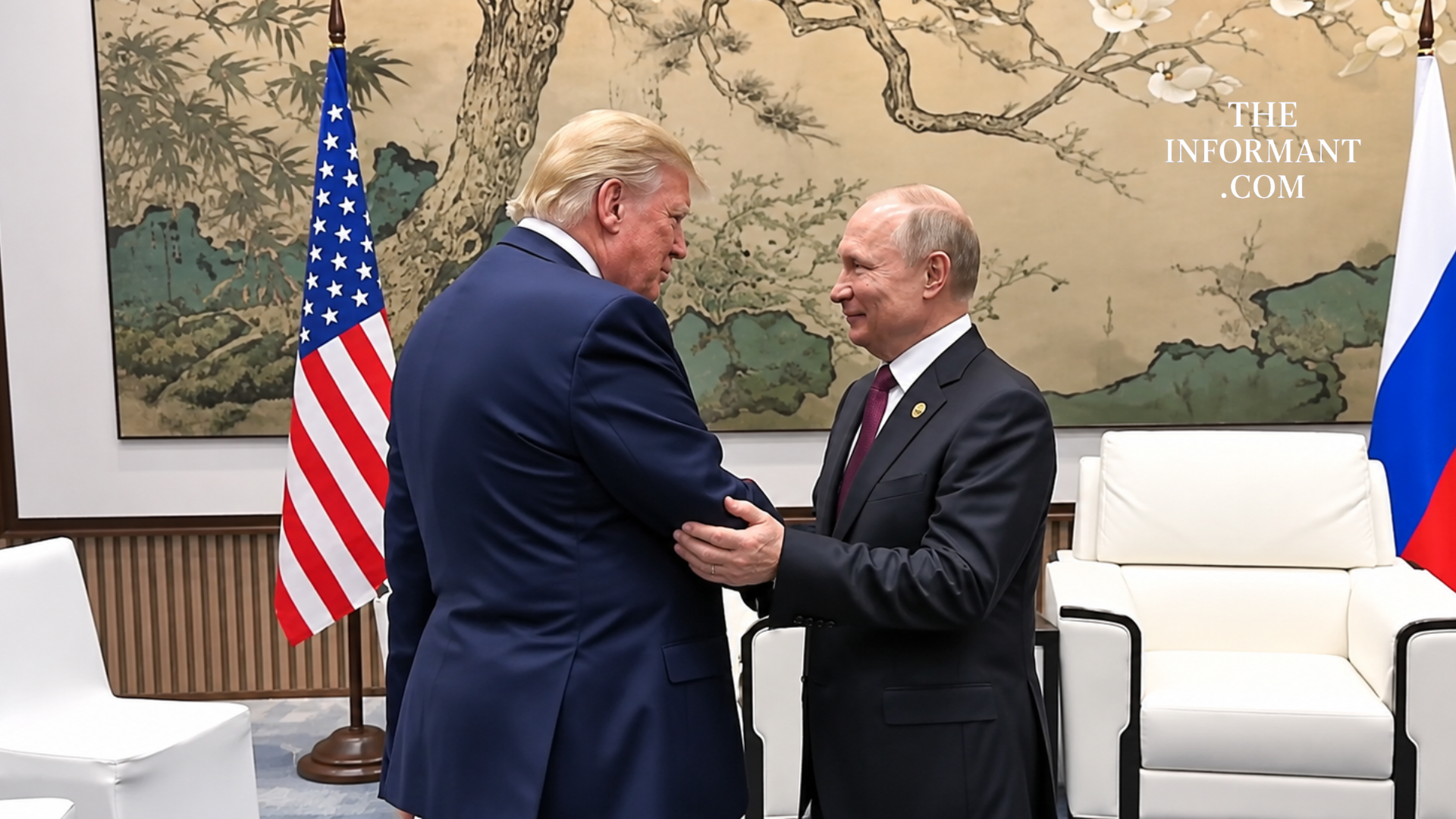
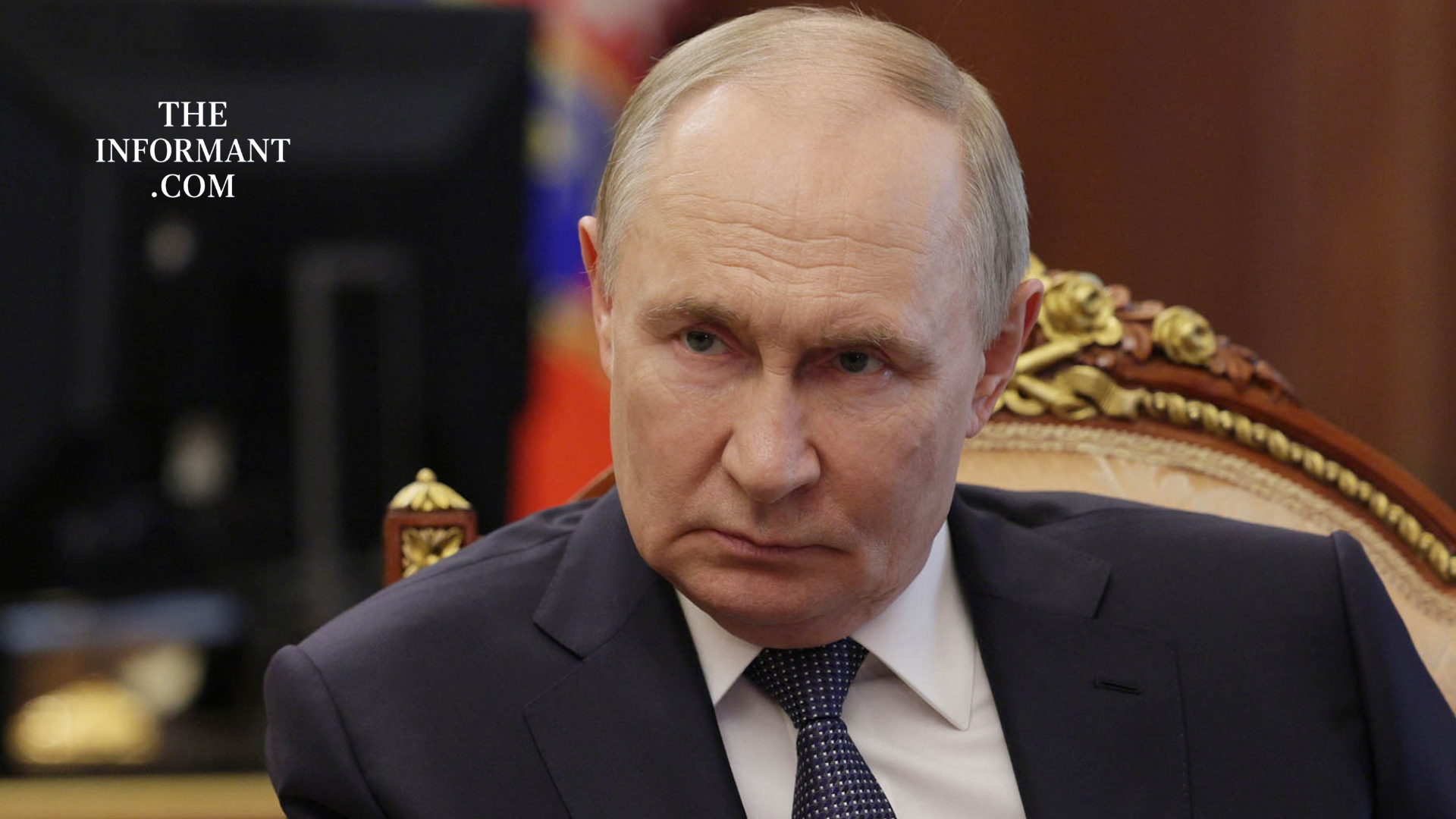
His remarks came one day after Trump met Russian President Vladimir Putin and Chinese President Xi Jinping in Shenzhen, China, during an unprecedented trilateral summit focused on strategic stability and global security.
RUBIO WARNS AGAINST CUTTING OFF DIPLOMATIC COMMUNICATION
Rubio argued that communication among Washington, Moscow and Beijing is essential because of the scale of their nuclear arsenals and their influence over international security.
The secretary of state described the idea of avoiding regular engagement as both absurd and dangerous.
His remarks reflected the Trump administration’s position that direct meetings between major powers can help manage disputes, even when the governments involved remain divided over military conflicts, trade and other geopolitical issues.
Rubio also emphasized that communication can create conditions for further negotiations and provide channels through which leaders can address disagreements before they escalate.
TRUMP, XI AND PUTIN HOLD HISTORIC MEETING IN CHINA
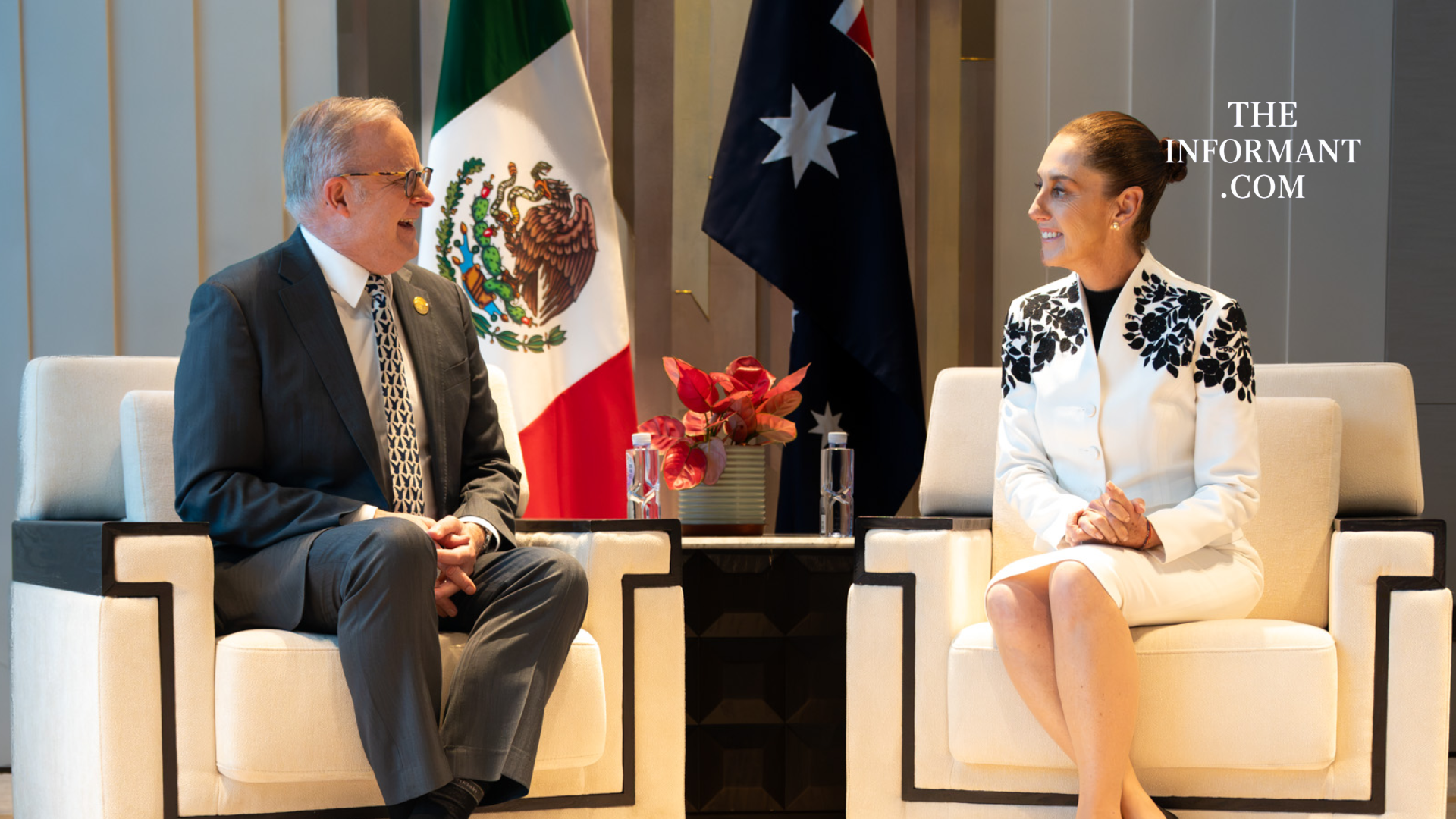
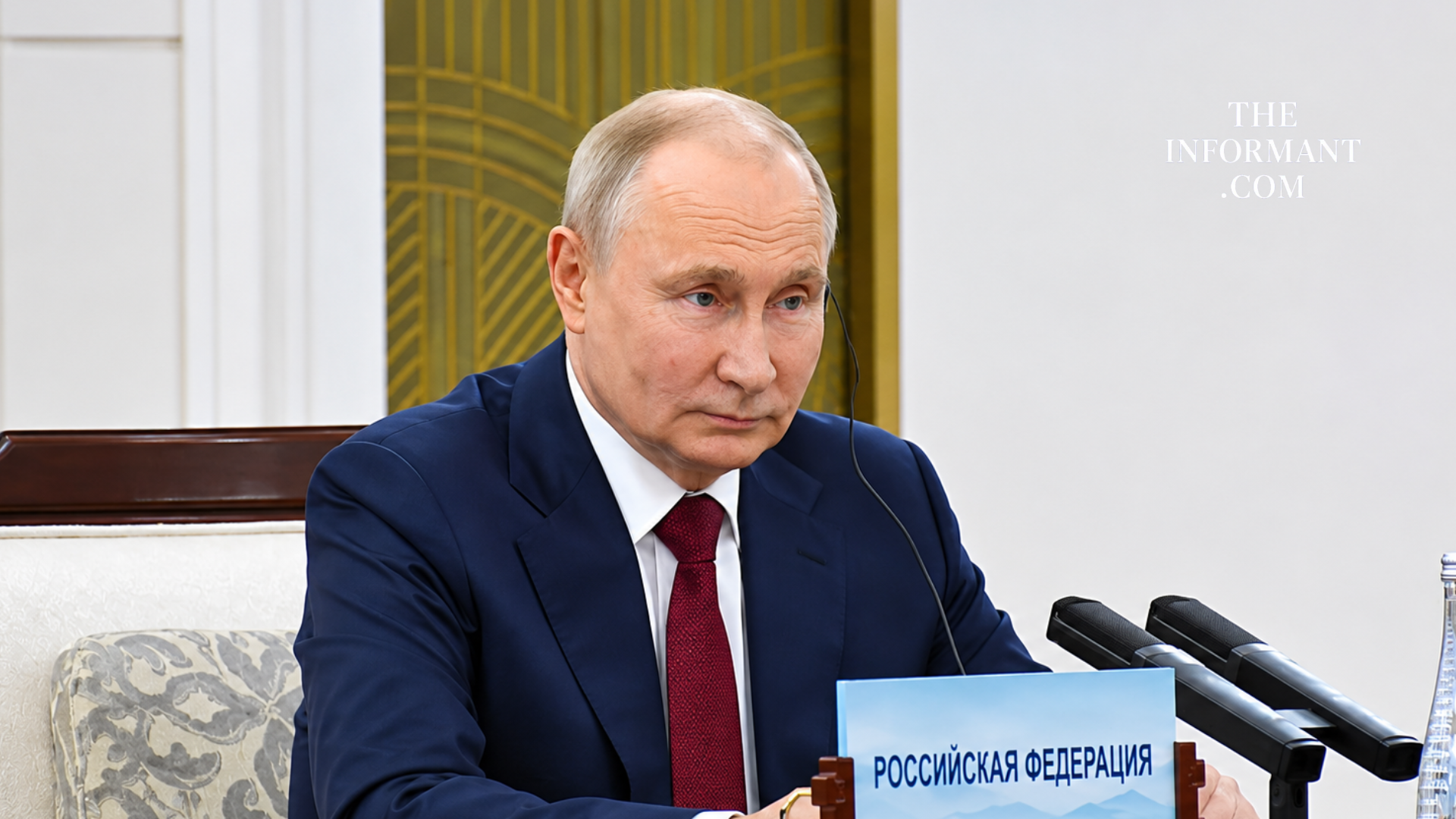
On November 19, Trump, Xi and Putin met in Shenzhen on the sidelines of the Asia-Pacific Economic Cooperation summit.
The meeting lasted approximately 80 minutes and marked the first trilateral summit involving the three leaders.
Following their discussions, the governments issued a four-point joint statement titled the “Declaration toward Peace.”
The document expressed a shared commitment to strategic stability and identified several areas for continued dialogue.
Although the summit brought together the leaders of the three most heavily armed nuclear powers, it did not produce a binding arms-control agreement.
The United States, Russia and China possess the overwhelming majority of nuclear weapons on this planet.
— The White House (@WhiteHouse) November 20, 2026
The idea that these three nations shouldn't engage on a regular basis is absurd and dangerous. @SecRubio pic.twitter.com/M1QYJh2tI5
THREE COUNTRIES COMMIT TO NUCLEAR RISK REDUCTION
One of the central provisions of the joint declaration addressed nuclear weapons and the need to prevent nuclear conflict.
The three leaders reaffirmed the principle that nuclear war must never occur and committed their governments to dialogue aimed at reducing nuclear risks and preventing the spread of nuclear weapons.
The statement did not specify numerical reductions in existing arsenals, verification procedures or a schedule for future negotiations.
As a result, the agreement represents a diplomatic commitment to continued discussions rather than a formal disarmament treaty.
WHY NUCLEAR ARSENAL DIFFERENCES MATTER
The United States and Russia maintain the world’s largest nuclear weapons inventories, with thousands of warheads each.
China’s arsenal is substantially smaller, although American defense assessments indicate that Beijing has been expanding its nuclear capabilities.
Estimates of nuclear inventories vary depending on whether analysts count total stockpiles, deployed warheads, reserve weapons or retired warheads awaiting dismantlement.
These differences have complicated previous efforts to include China in nuclear arms-control negotiations.
Beijing has historically argued that its smaller arsenal makes direct participation in U.S.–Russian reduction frameworks inappropriate without addressing the imbalance.
Washington, meanwhile, has expressed concern that any future international arms-control framework should account for China’s expanding nuclear capabilities.
JOINT DECLARATION ALSO ADDRESSES THE UNITED NATIONS AND ENERGY
Nuclear security was only one of four subjects included in the Shenzhen declaration.
The three governments also expressed support for reforming the United Nations to improve its ability to respond to international challenges.
They outlined an intention to expand the production and supply of refined petroleum products and maintain stable international energy flows.
Another provision emphasized state consent and the legal immunities of government officials, while asserting that the International Criminal Court and similar institutions should not misuse their jurisdiction.
These commitments were broad political statements rather than detailed implementation agreements.
SUMMIT PRODUCES NO BREAKTHROUGH ON UKRAINE
Despite the diplomatic significance of the meeting, the joint declaration did not include an agreement to end Russia’s war against Ukraine.
It also did not establish a ceasefire, resolve territorial disputes or announce a negotiated settlement.
The absence of specific provisions on Ukraine raised questions about the practical consequences of the meeting, particularly among governments concerned about Russia’s ongoing military operations.
The declaration also did not address the conflict involving Iran in detail, despite expectations that international security crises would be discussed.
WHITE HOUSE DEFENDS ENGAGEMENT WITH GLOBAL RIVALS
The Trump administration has presented the summit as an example of its willingness to engage directly with countries that have major disagreements with Washington.
Rubio’s comments reinforced that approach by emphasizing the risks of allowing diplomatic communication to deteriorate among nuclear-armed governments.
Supporters of direct engagement argue that communication can reduce misunderstandings and help prevent dangerous escalation.
Arms-control experts, however, have cautioned that high-level meetings alone are insufficient to reduce nuclear dangers without concrete negotiations, transparency measures and verifiable commitments.
WHAT HAPPENS NEXT?
The United States, Russia and China have committed to continued discussions on nuclear risks, but the three governments have not announced a timetable for formal arms-control negotiations.
Any future agreement would need to address significant differences in nuclear arsenal size, strategic priorities and security concerns.
For now, the November 19 summit and Rubio’s November 20 remarks highlight a renewed diplomatic focus on communication among the three nuclear powers.
The central question is whether their commitment to dialogue will eventually lead to measurable nuclear risk-reduction measures or remain a broad statement of diplomatic intent.