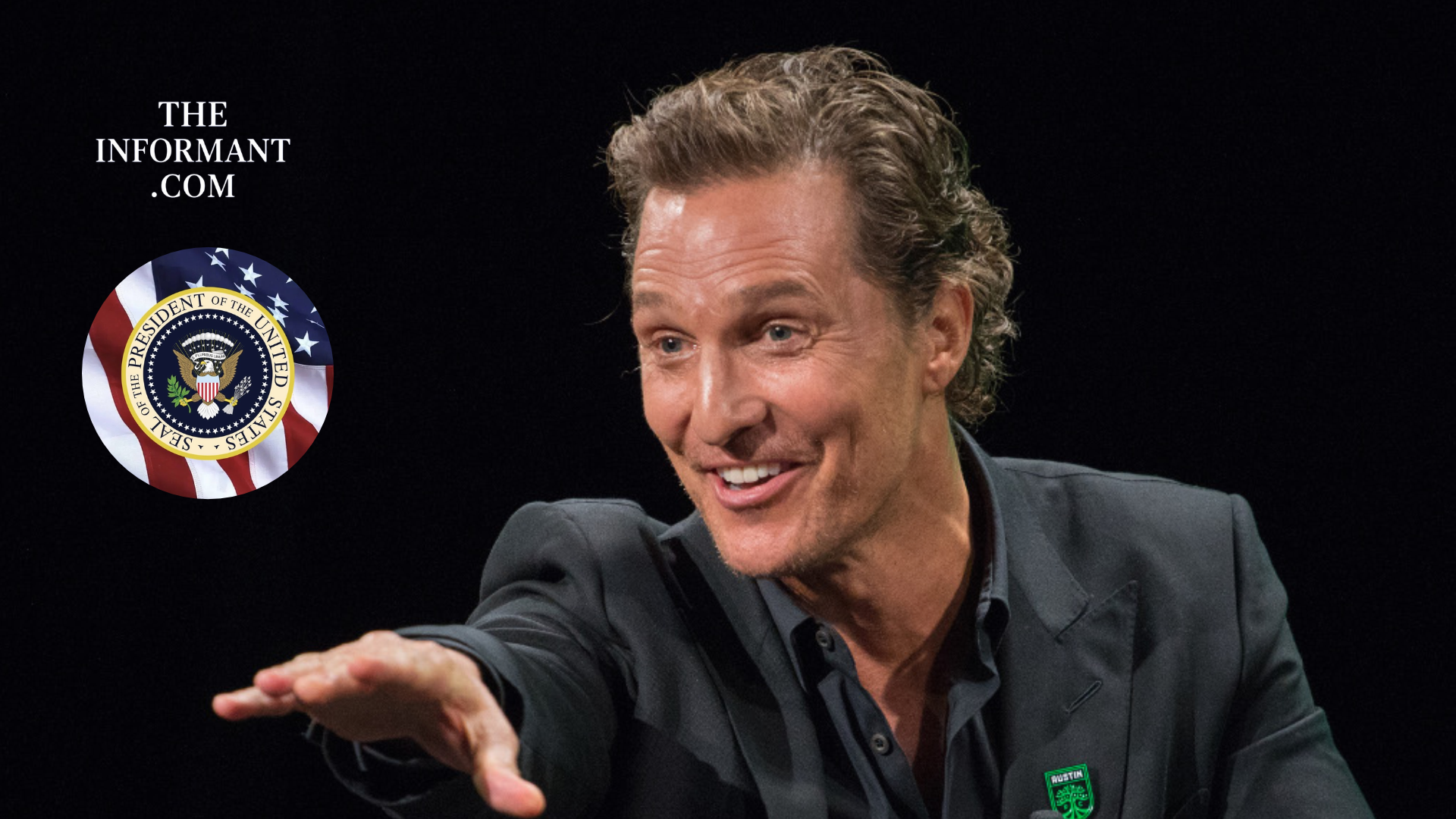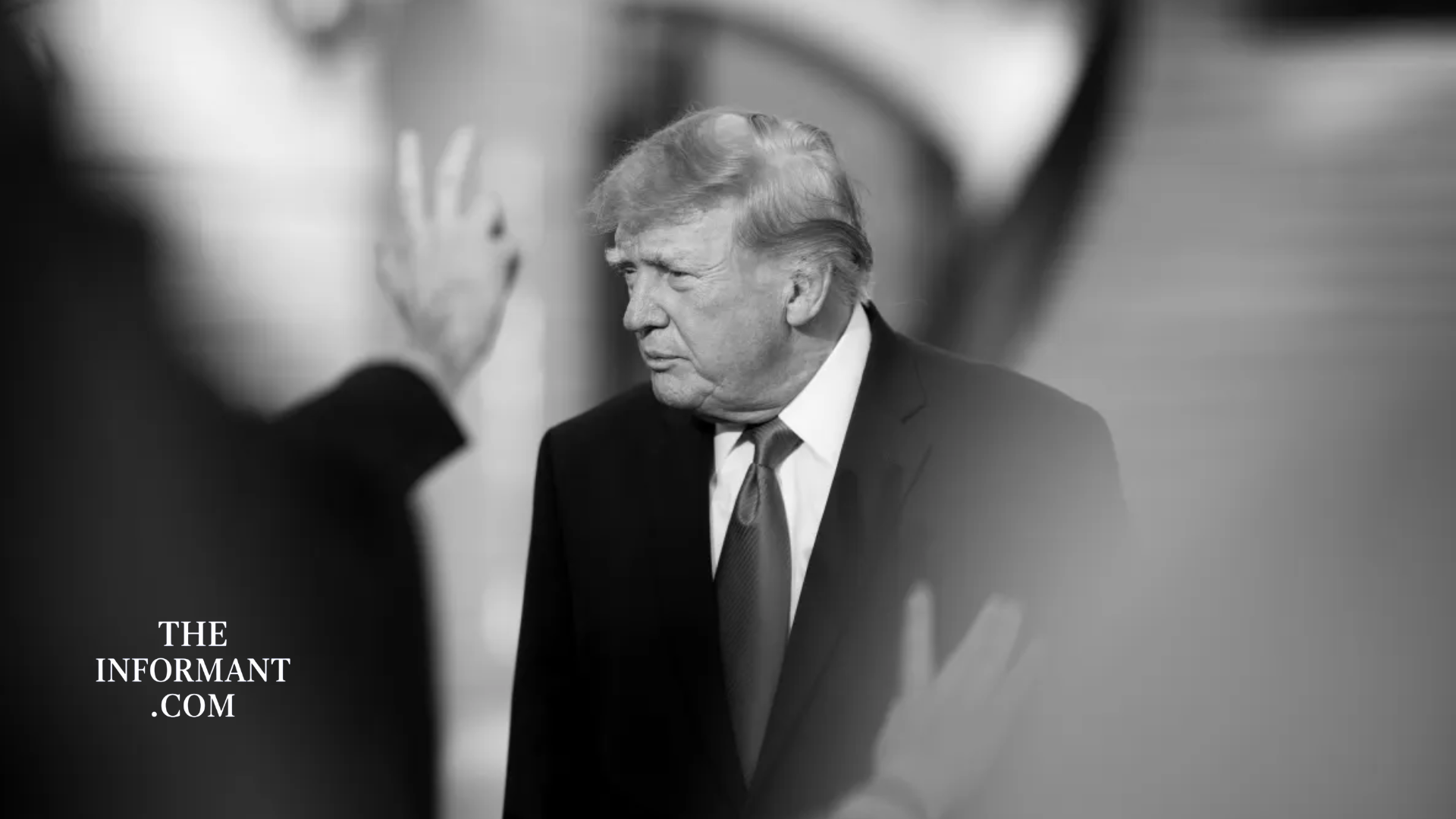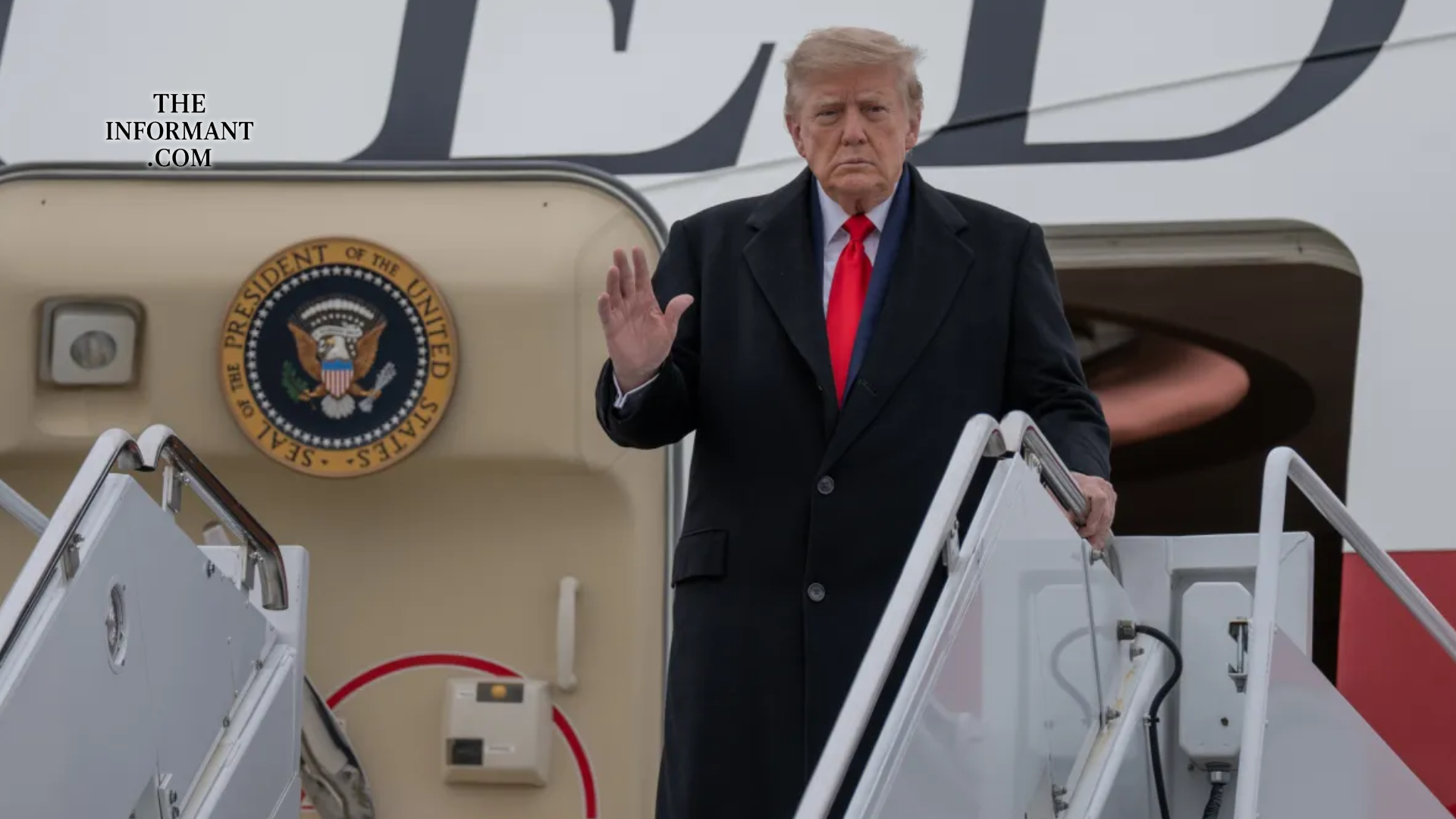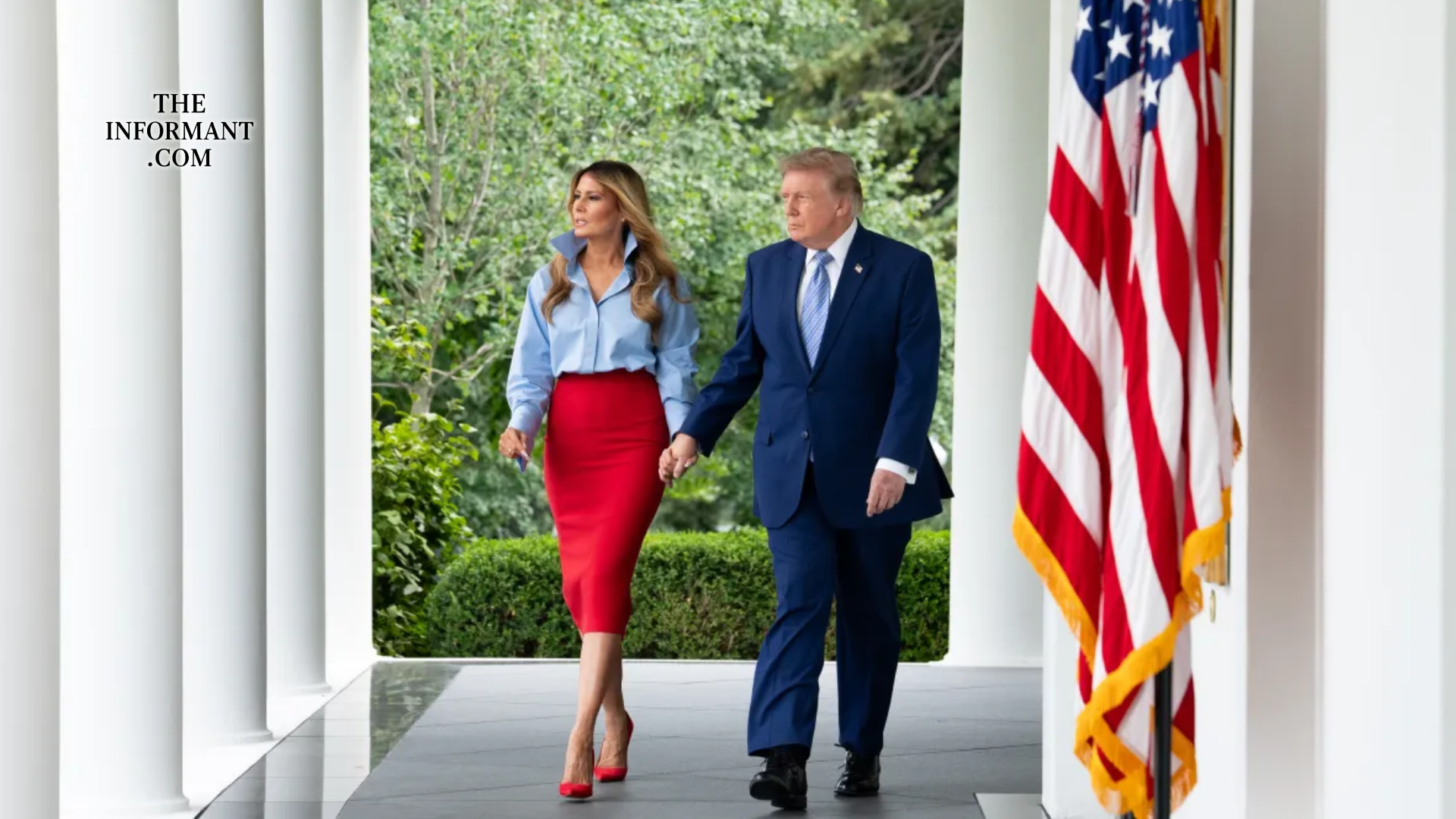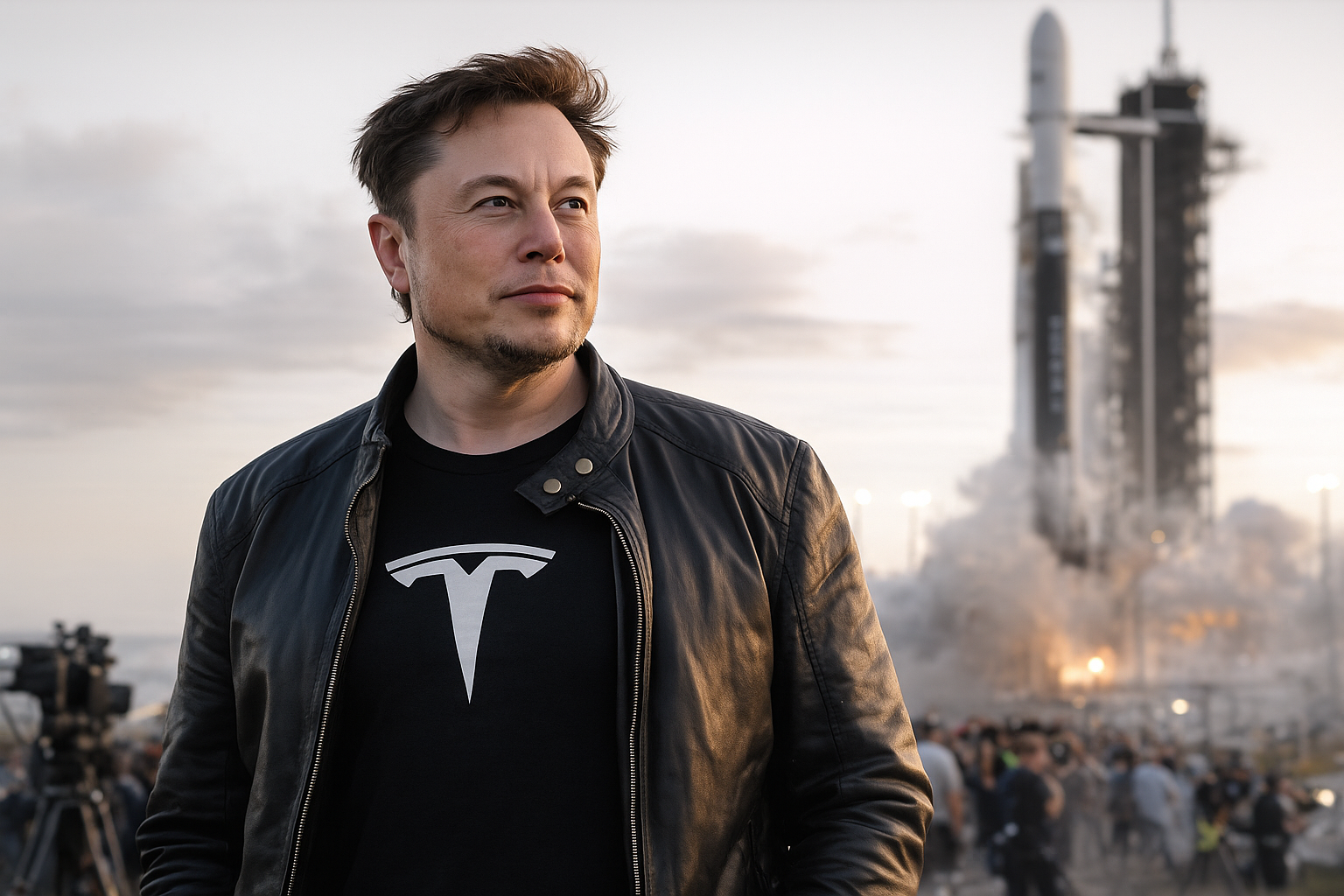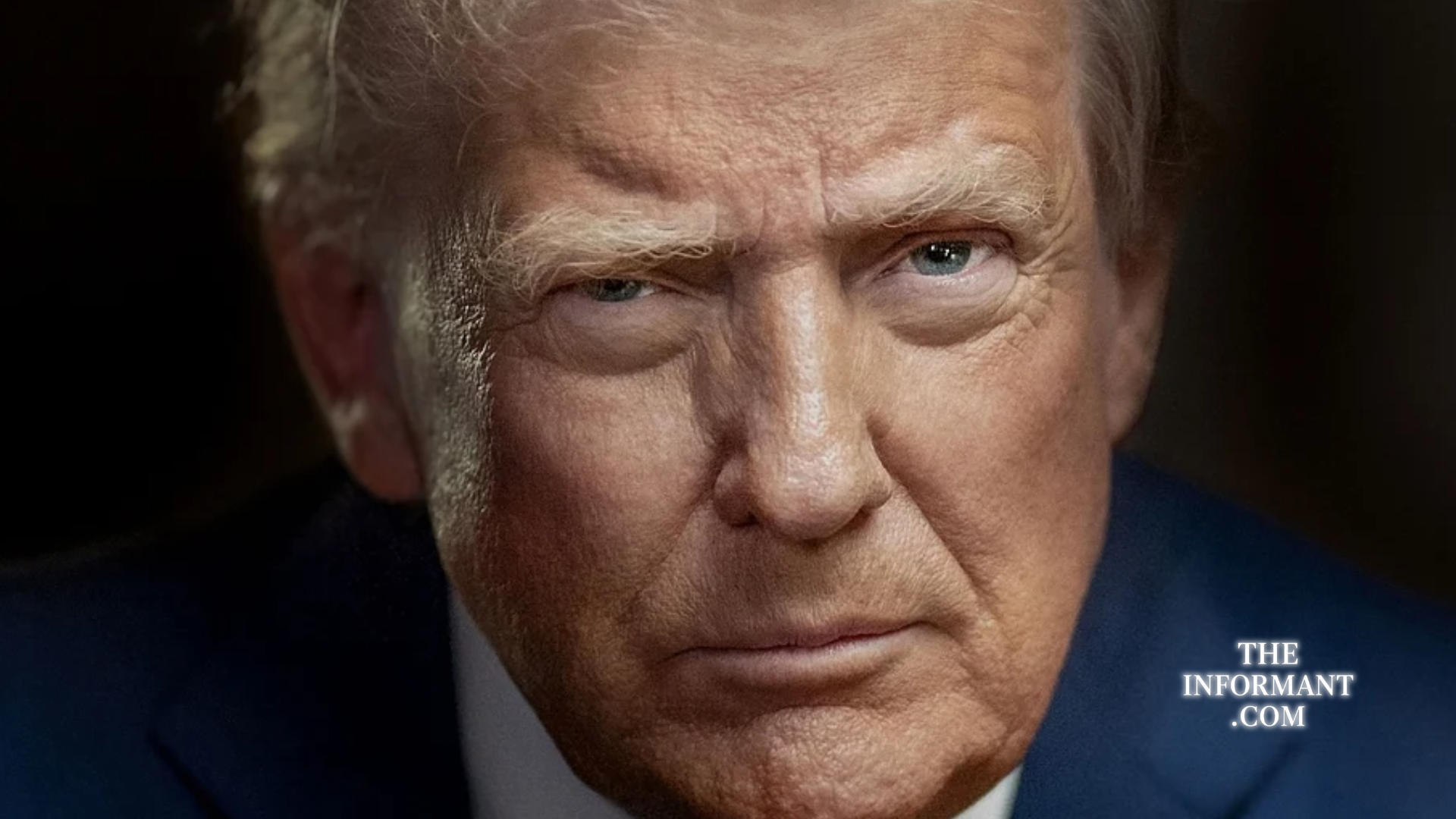
PARK CITY, KANSAS — October 20, 2026. President Donald Trump has turned France’s latest wave of unrest into a warning for American voters, arguing that the violence overseas illustrates what he believes is at stake in the November 3 midterm elections. Speaking at a Republican rally in Kansas on Monday, October 19, Trump blamed migrants, jihadists and communists for the destruction in France and accused them of opposing Christianity and Western civilization.
“If you want to see what’s at stake in this election, just look at what’s happening in France,” Trump told the crowd. He described the country as being “conquered, looted, and burned to the ground” and subsequently argued that radical Democrats want similar outcomes for the United States. His remarks connected an international crisis with his administration’s campaign message on immigration, public safety and cultural identity.
TRUMP FRAMES FRANCE’S UNREST AS AN ELECTION WARNING
The president’s comments came roughly two weeks before Americans vote in congressional elections that will determine control of the House and Senate. Trump has repeatedly presented the contest as a choice between his administration’s policies and what he describes as the risks of Democratic leadership. At the Kansas rally, he urged supporters to view the French unrest as a cautionary example and linked it to his criticism of immigration policies and the political left.
WHAT TRIGGERED THE PROTESTS IN FRANCE?
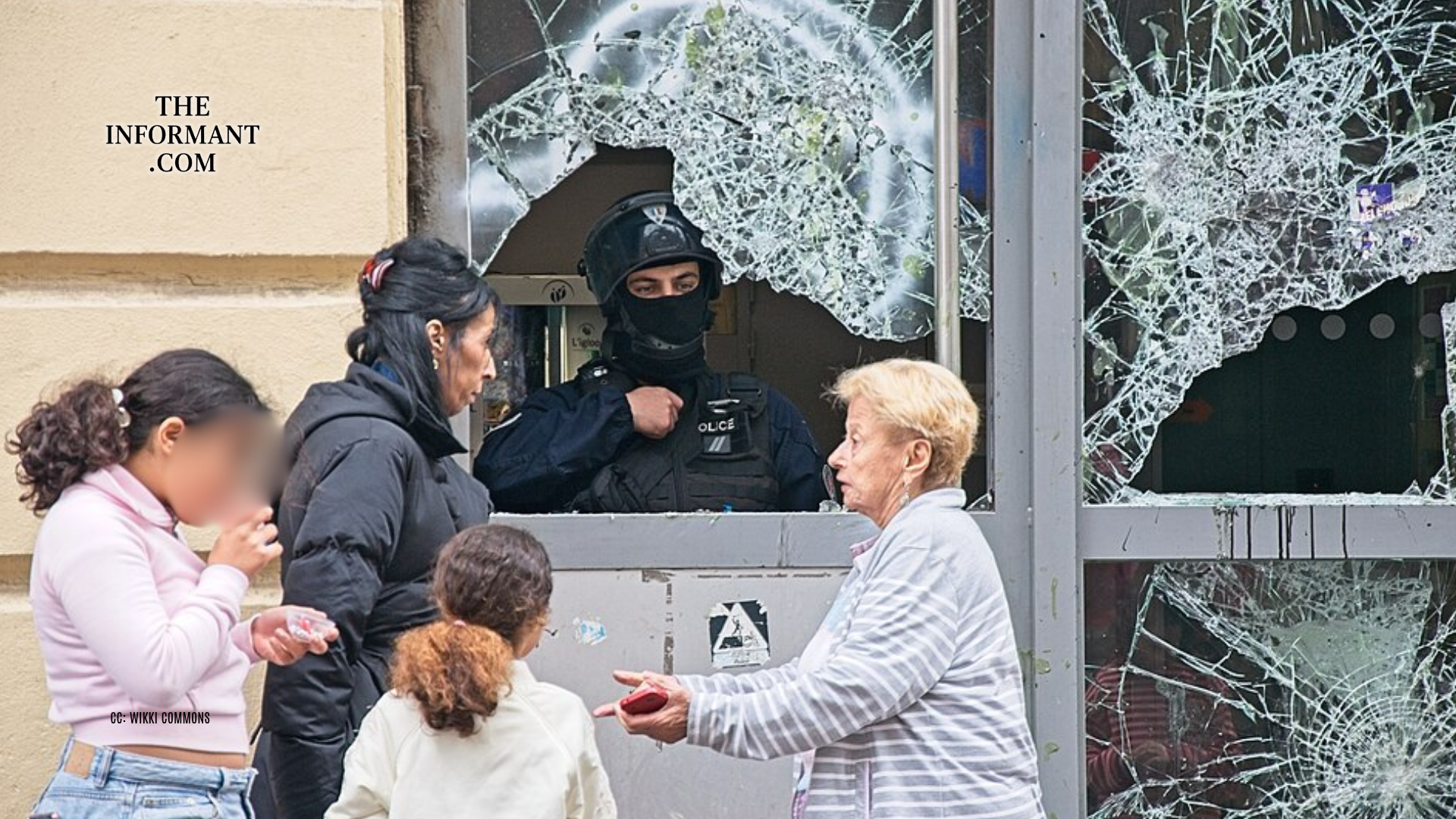
The unrest in France developed from weeks of student demonstrations over deteriorating school conditions, teacher shortages and rising living costs. The movement broadened to include grievances over fuel prices, public services and government spending. On October 17, hundreds of thousands of people took part in demonstrations across the country. While many gatherings were peaceful, some cities experienced looting, arson, clashes with police and attacks on public buildings.
French authorities reported approximately 2,400 arrests following the weekend violence, while thousands of businesses were damaged or looted. A fire nearly destroyed the historic city hall in Limoges. The government responded with localized curfews and plans for a major security deployment ahead of further demonstrations. These incidents provide the documented context for Trump’s comments, although they do not independently establish his broader claims about migrants or jihadists directing the unrest.
OFFICIALS BLAME VIOLENT GROUPS, BUT BROADER CLAIMS REMAIN UNVERIFIED
French President Emmanuel Macron condemned the violence and attributed it to radical far-left groups and criminals. Prime Minister Sébastien Lecornu also blamed far-left factions for exploiting the demonstrations. However, policing researcher Sebastian Roché told The Associated Press that the far-left fringe was too small and loosely organized to explain the scale of the violence on its own. The reporting reviewed does not establish that migrants or jihadist organizations were responsible for the nationwide unrest described by Trump.
FRANCE’S RESPONSE ADDS TO THE POLITICAL DEBATE
On October 20, the French government announced plans to reinforce police with military support for upcoming demonstrations. Officials also acknowledged shortcomings in intelligence gathering and police deployment, while extending localized curfews in areas affected by the unrest. The government faces pressure to restore order while addressing public anger over living costs and deteriorating services. <
MIDTERM CAMPAIGN RHETORIC INTENSIFIES
Trump’s remarks demonstrate how international developments have become part of the American midterm campaign debate. His comments emphasize immigration, religion and public order, while the underlying events in France involve a combination of economic grievances, student protests and criminal violence. With Election Day approaching, voters will decide control of Congress amid competing claims about national security, the economy and the direction of federal policy. The election results will show how Americans respond to those arguments at the ballot box.
🚨 Trump is pointing to France's unrest as a warning ahead of the Nov. 3 U.S. midterms. At a Kansas rally, he blamed migrants, jihadists and communists—but reporting links the unrest to economic grievances, school protests and episodes of violence.
— THE INFORMANT (@TheInformantUSA) October 20, 2026
📝 👉 FULL ARTICLE:… pic.twitter.com/yppwWqLFBB