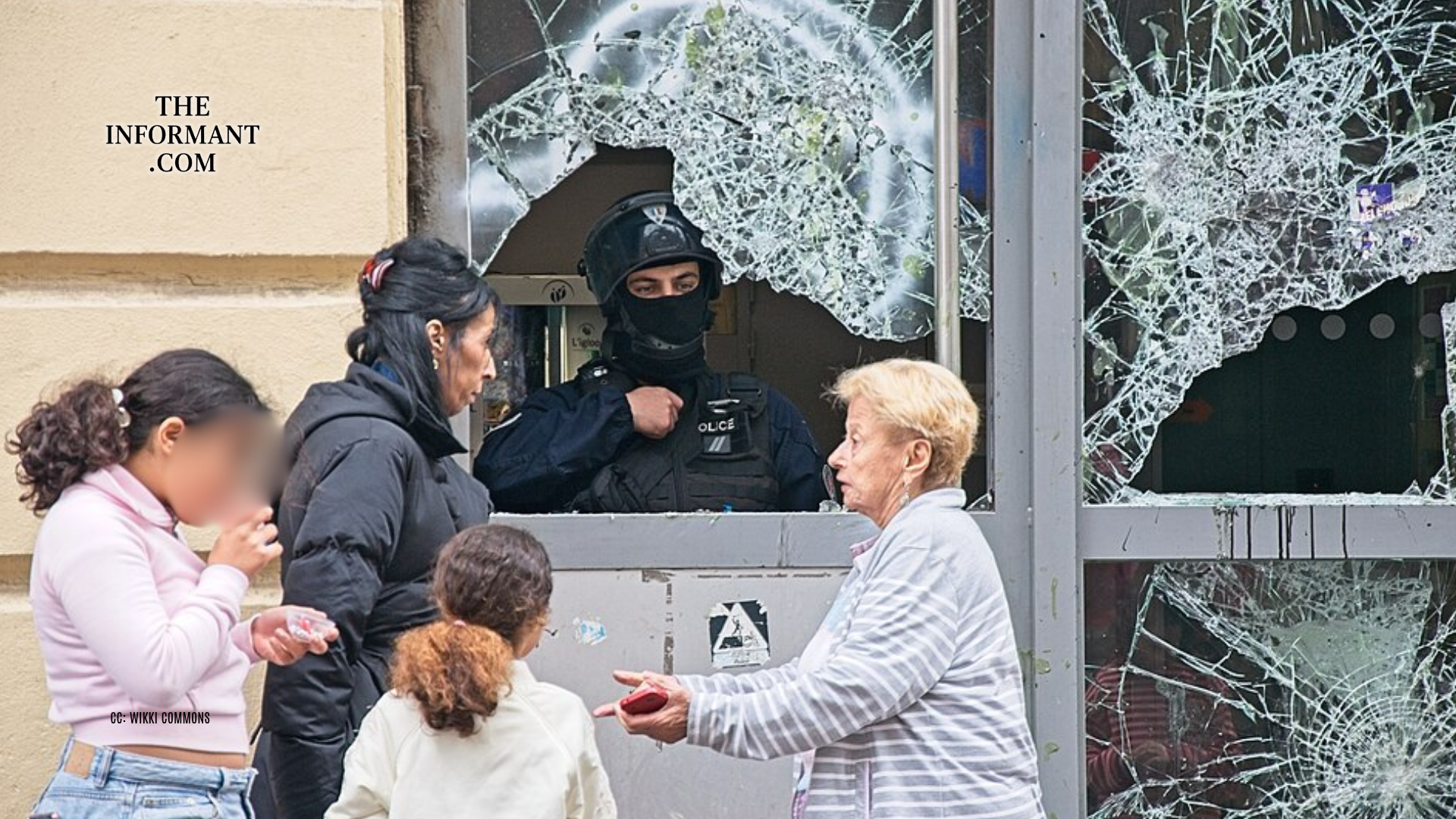
ROME, ITALY — October 20, 2026. Italian Prime Minister Giorgia Meloni has announced a new security decree introducing tougher penalties for violence at public demonstrations following a weekend of looting, property damage and clashes with police in Milan and other cities. In a statement posted on social media, Meloni declared that protesting is a right, but destroying cities is not, arguing that the government must protect public safety while preserving the right to peaceful assembly.
The Council of Ministers approved the package on Tuesday, October 20. One of its central provisions creates a specific offense for violent participation in a public demonstration. Under the framework outlined by Meloni, people who join groups of five or more and engage in dangerous conduct, such as throwing stones, firecrackers or sticks, could face up to five years in prison and fines of up to €20,000. Penalties could increase when participants cover their faces or injure others.
ITALY TARGETS VIOLENCE AND PROPERTY DESTRUCTION
The decree also seeks to strengthen penalties for group destruction and looting. Authorities have been responding to scenes of vandalism and theft in Milan’s city center, where demonstrators initially gathered over the cost of living and other social grievances before some groups turned violent. Officials have stressed the distinction between peaceful protesters and people accused of committing crimes during demonstrations.
PARENTS COULD FACE FINANCIAL LIABILITY FOR DAMAGE CAUSED BY MINORS
Another measure announced by Meloni follows the principle that those responsible for damage should pay for it. Under the government’s description, parents could face financial liability when their minor children cause property damage. For damage to public assets, prefects would issue payment orders; in cases involving private property, owners could seek enforceable court orders to recover losses. The precise scope of liability and the available legal challenges depend on the final text and applicable procedures.
NEW ARREST POWERS AND ADDITIONAL SECURITY IN MILAN
The government has also moved to expand preventive security measures involving minors considered a potential danger at public events. Italian reporting describes provisions for preventive detention in specified circumstances and arrests made after an incident when video, photographs or surveillance footage provide evidence. Separately, the government plans to send an additional 500 military personnel to Milan to reinforce security patrols. The final decree reportedly excludes a proposal that would have given soldiers specific judicial-police powers.
THE GOVERNMENT FACES QUESTIONS OVER PUBLIC SAFETY AND PROTEST RIGHTS
The measures build on a series of security laws introduced under Meloni’s government since 2022. Supporters argue that stronger penalties and earlier intervention are necessary to prevent organized violence and protect residents, businesses and law enforcement officers. Critics, including legal professionals and civil liberties advocates, have warned that repeated expansions of criminal penalties can make participation in demonstrations riskier and may not address underlying social and economic grievances.
WHAT HAPPENS NEXT?
The government says the new decree is intended to deter violence while preserving lawful demonstrations. Its practical impact will depend on the final legal provisions, how authorities apply them and the parliamentary process that follows. With further protests expected, Italy faces the challenge of preventing more destruction without treating peaceful assembly as a criminal act. The coming days will show how the new measures are implemented and whether they reduce violence in Milan and elsewhere.