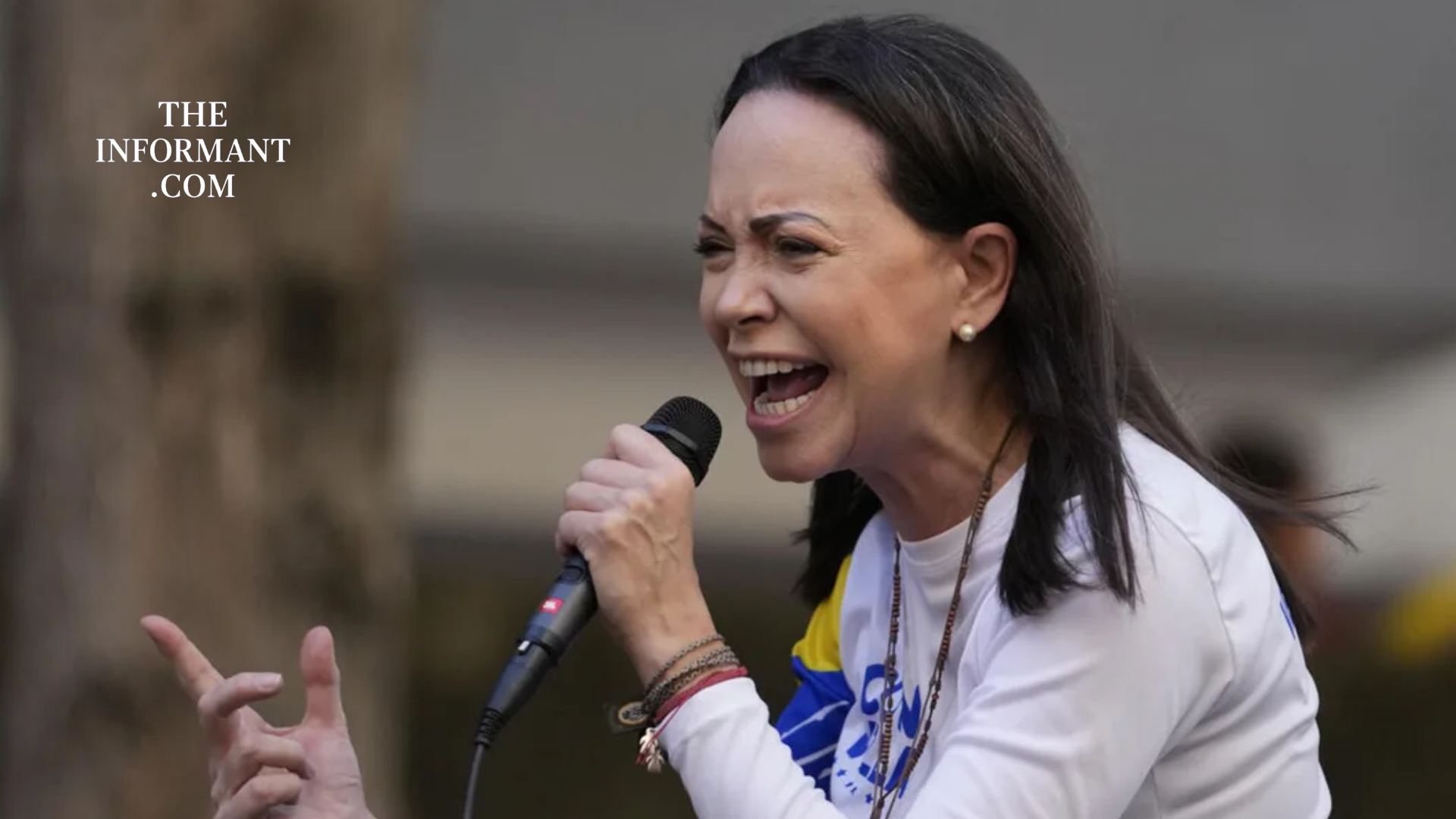
CARACAS, Venezuela — October 26, 2026. Venezuelan opposition leader and 2025 Nobel Peace Prize laureate María Corina Machado returned to her home country Sunday after more than 10 months abroad, drawing large crowds of supporters and renewing pressure for presidential elections amid a political transition backed by the administration of U.S. President Donald Trump.
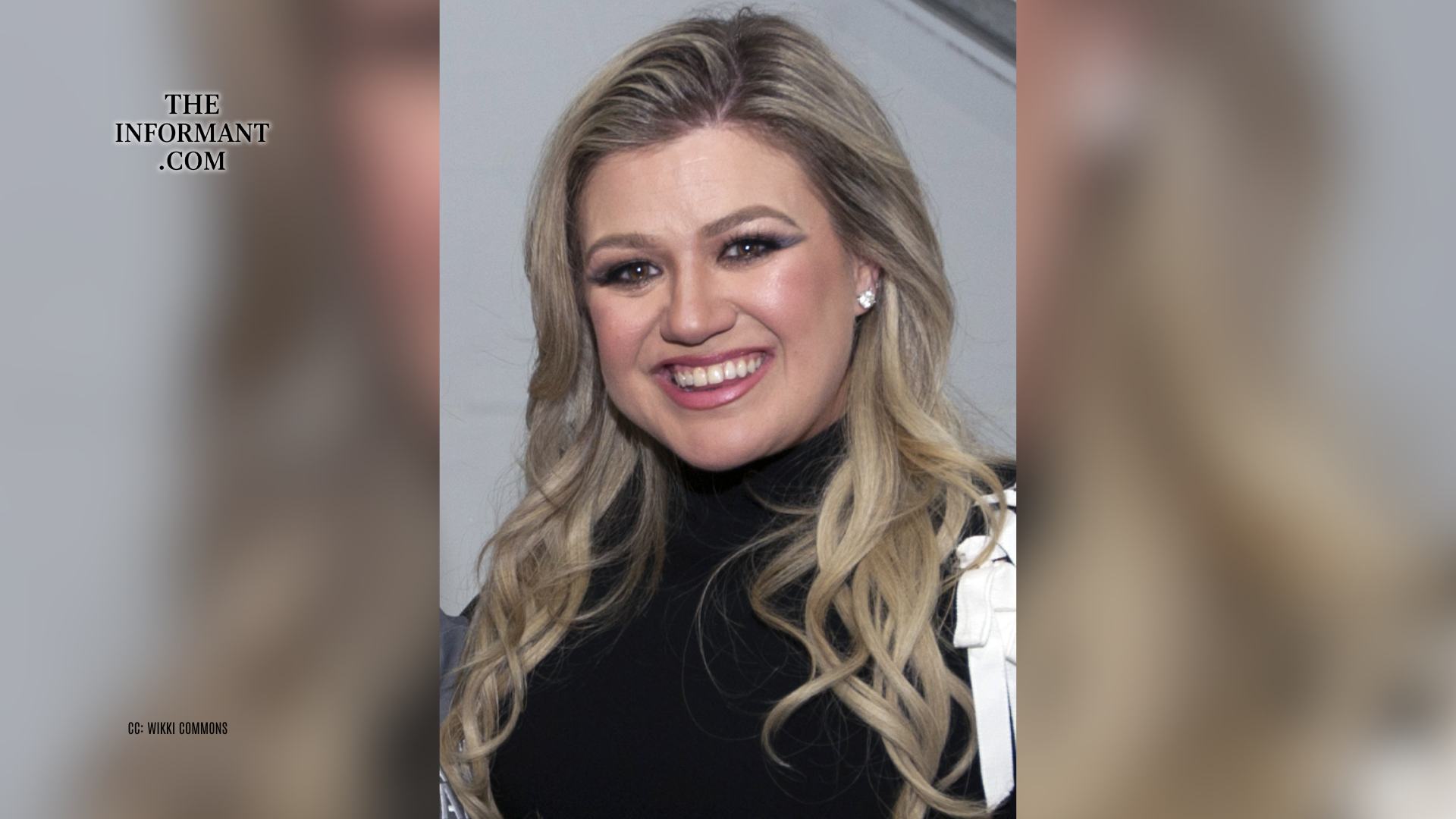
Machado, 59, reappeared publicly in western Venezuela on October 25 before traveling toward Caracas, where supporters gathered to welcome her. Her return comes nearly 10 months after U.S. forces captured former President Nicolás Maduro in January, leaving his former vice president, Delcy Rodríguez, in charge of an interim government.
MACHADO RETURNS TO CHEERING CROWDS
Machado announced her return through a brief message on social media, confirming that she was back in Venezuela after months of exile.
Her first public appearance took place at a church in Santa Rosa, in the western state of Lara, where supporters welcomed her with applause, chants and the Venezuelan national anthem.
As she traveled toward Caracas, crowds gathered along roads and in towns to greet her. Videos and photographs showed Machado waving from a vehicle while supporters carried Venezuelan flags and celebrated her return.
Opposition figure Edmundo González Urrutia, who challenged Maduro in the disputed 2024 presidential election, also confirmed her arrival and expressed support for her return to Venezuelan politics.
WHY MACHADO LEFT VENEZUELA
Machado became one of Venezuela’s most prominent opposition leaders during the presidency of Nicolás Maduro.
She won the opposition’s 2023 presidential primary but was barred from running in the 2024 election. González subsequently became the opposition candidate with her support.
The official electoral authority declared Maduro the winner, while opposition voting records indicated that González had received substantially more votes. International observers raised concerns about the transparency of the official results.
Following the election, Machado went into hiding amid arrests and pressure against opposition activists.
She left Venezuela in December 2025 and traveled to Norway, where she was honored with the Nobel Peace Prize for her efforts to promote democratic rights and a peaceful political transition.
MADURO’S REMOVAL RESHAPED VENEZUELAN POLITICS
Venezuela’s political landscape changed dramatically in January 2026 when U.S. forces captured Maduro during a military operation in Caracas and transferred him to the United States to face federal criminal charges.
Delcy Rodríguez, previously Maduro’s vice president, assumed the interim presidency with support from Washington.
Her administration has since negotiated economic and energy agreements with the United States while participating in talks concerning Venezuela’s political future.
However, the country has not established a date for new presidential elections.
The extended interim arrangement has raised questions about the legal and political framework governing the transition.
MACHADO PUSHES FOR NEW PRESIDENTIAL ELECTIONS
Machado and her Vente Venezuela movement have repeatedly called for free and fair presidential elections, arguing that Venezuelans should determine the country’s political leadership through a transparent electoral process.
Her supporters have sought an accelerated timetable, with Machado advocating elections in 2027.
The opposition movement has also promoted efforts to update voter registration information, including for Venezuelans living abroad.
Machado’s return gives her an opportunity to organize supporters directly inside the country and participate more visibly in debates about electoral reform.
The extent of her involvement in ongoing negotiations, however, remains uncertain.
TRUMP ADMINISTRATION FACES A DELICATE BALANCE
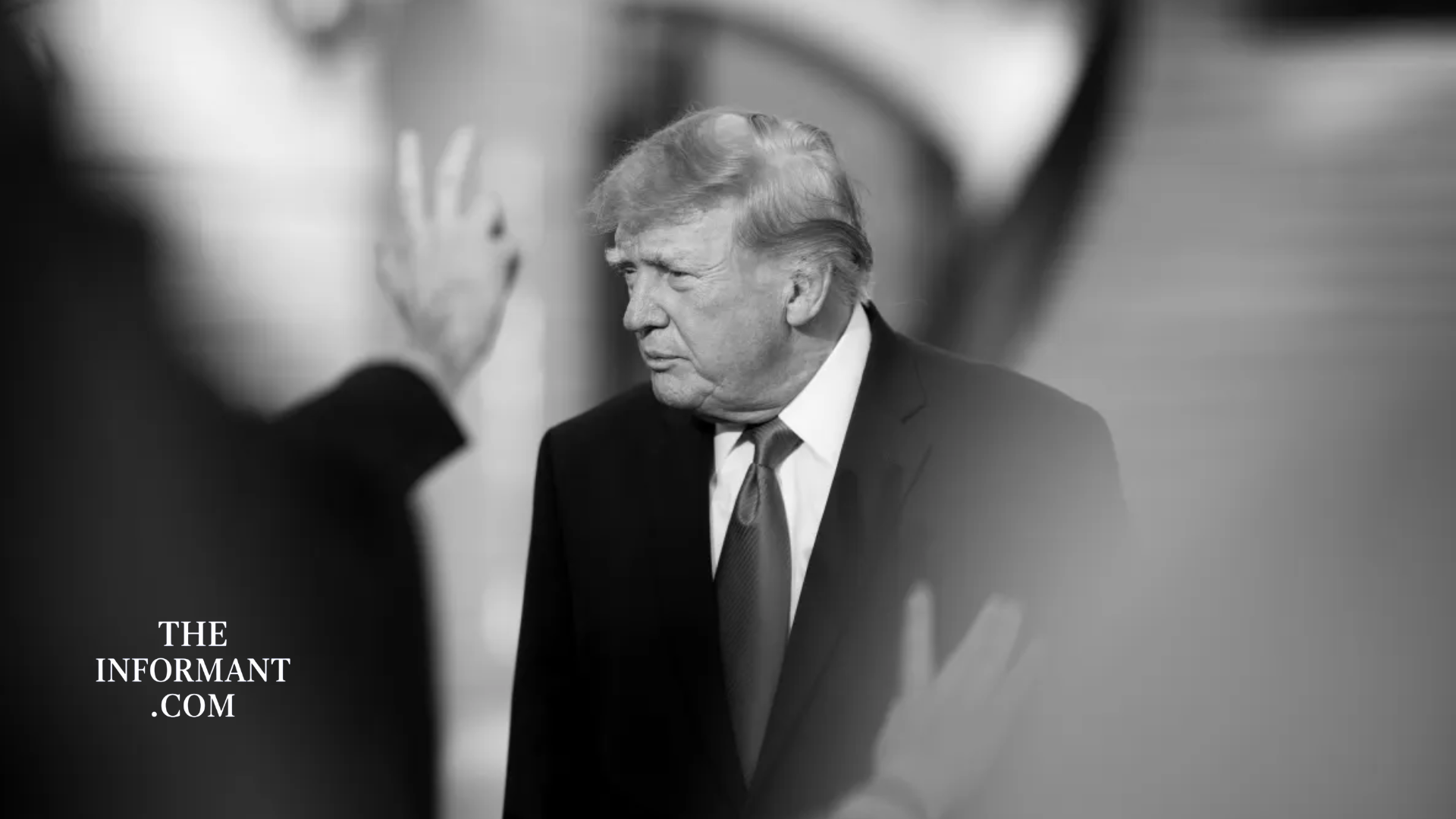
Machado’s return comes at a sensitive moment for the Trump administration, which has supported negotiations involving Rodríguez’s government and other opposition representatives.
Trump has emphasized economic stabilization and energy cooperation while expressing caution about holding elections immediately.
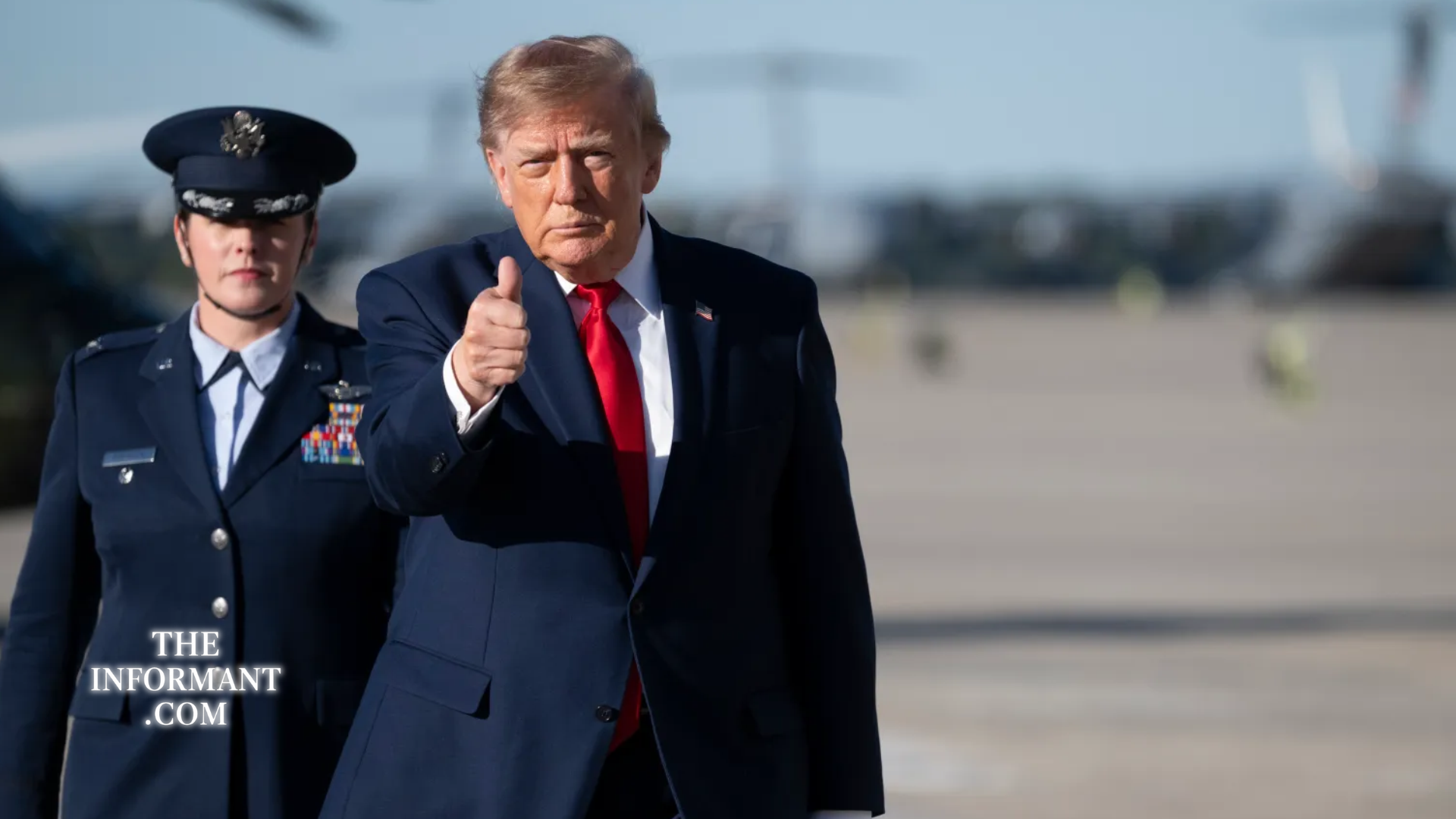
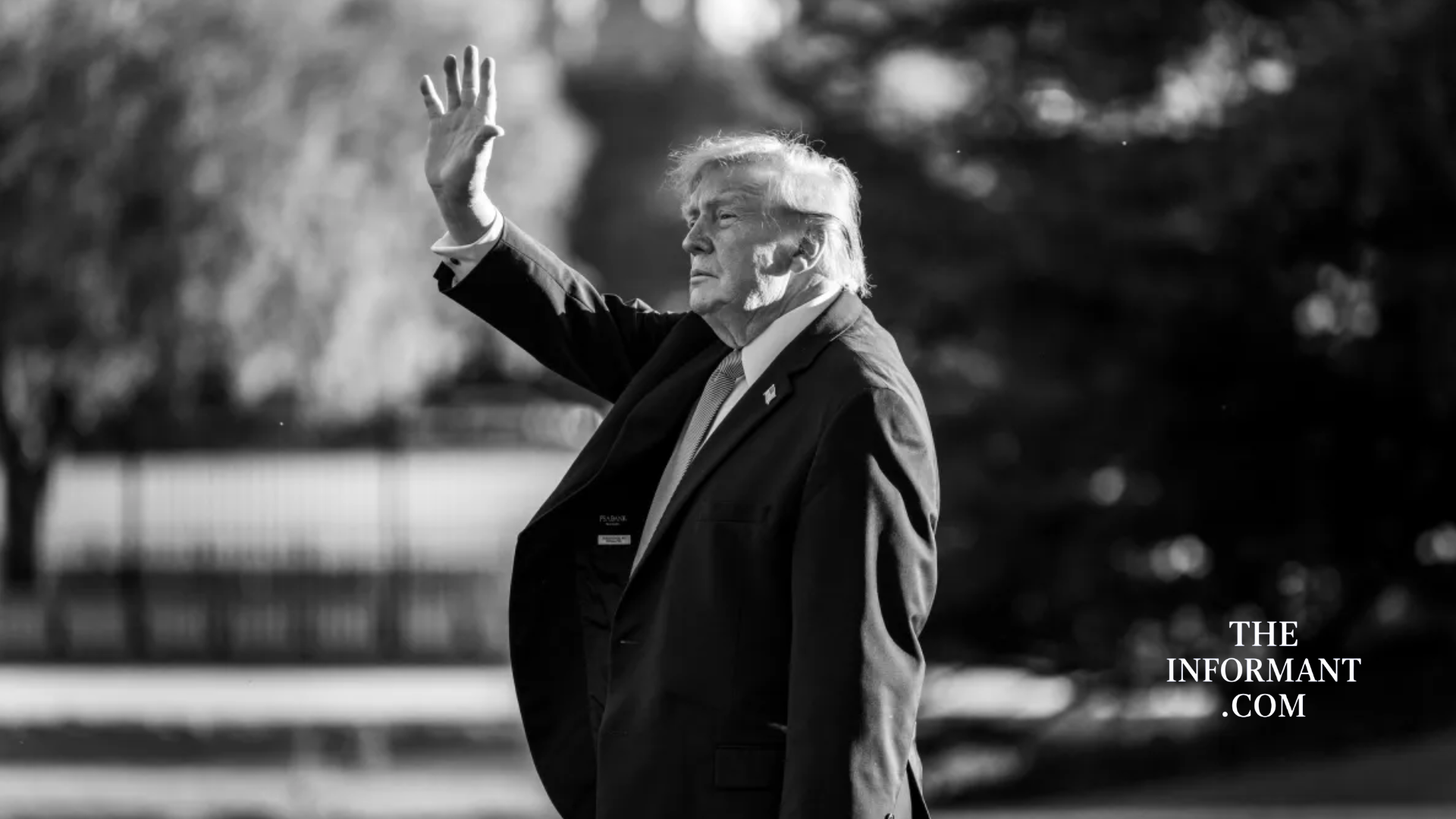
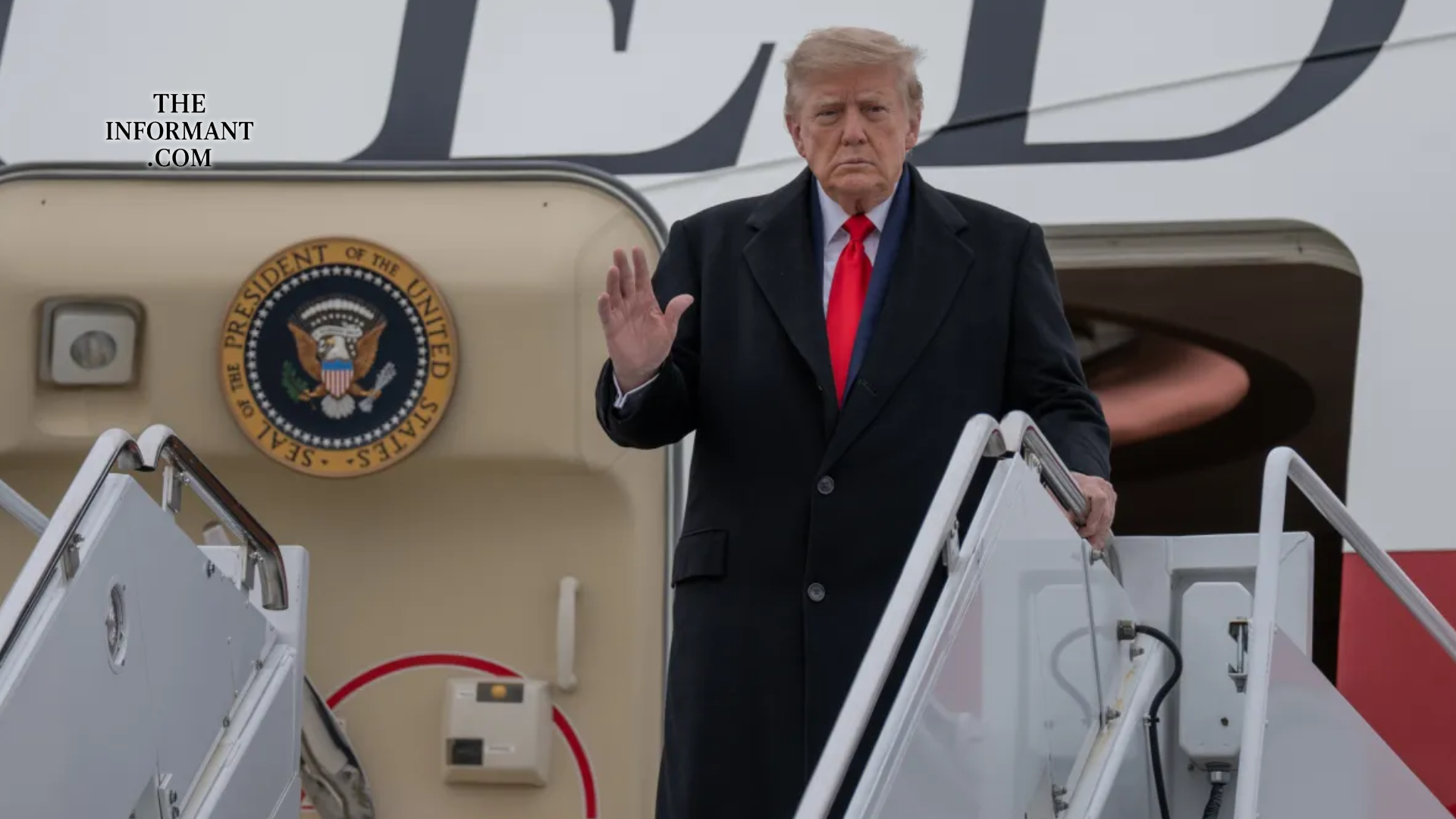
During remarks Sunday, the president said he hoped Machado would remain safe and described the situation in Venezuela as progressing favorably.
Secretary of State Marco Rubio credited U.S.-supported reconciliation talks with helping create conditions for Machado’s return and encouraged political leaders to support the negotiation process.
The administration’s approach has generated debate over whether economic stability and institutional reforms should precede elections or proceed alongside a faster electoral timetable.
OPPOSITION GROUPS REMAIN DIVIDED OVER THE TRANSITION
Although Machado remains a prominent opposition figure, she has not been a central participant in the U.S.-backed negotiations between Rodríguez’s government and other opposition representatives.
Those discussions have focused on political reconciliation and possible institutional changes, including reforms to Venezuela’s electoral authorities and judicial system.
Some negotiators favor a gradual transition that would establish conditions for future elections.
Machado’s supporters, meanwhile, argue that a clear electoral timetable is essential to restoring democratic legitimacy.
These differing approaches could complicate negotiations, although they do not necessarily rule out future cooperation.
INTERNATIONAL REACTIONS AND DEMOCRATIC CONCERNS
Machado’s return has attracted attention from governments and international organizations following Venezuela’s political developments.
European officials have emphasized the importance of inclusive dialogue, political freedoms and credible elections.
Human rights concerns remain significant after years of arrests, restrictions on opposition activity and disputes over electoral transparency.
The release of political prisoners and the ability of opposition groups to organize freely are among the issues likely to influence international assessments of Venezuela’s transition.
WHAT HAPPENS NEXT?
Machado’s immediate priorities include rebuilding her political presence inside Venezuela, meeting supporters and pressing for a presidential election.
The interim government must also address questions about its mandate, the timetable for institutional reforms and the conditions under which competing political movements could participate in future elections.
For Washington, the challenge involves maintaining cooperation with Rodríguez’s administration while responding to demands for a democratic transition.
Machado’s return marks an important development in Venezuela’s political landscape, but whether it accelerates elections or changes the current negotiations will depend on decisions by Venezuelan political actors and their international partners.