NEW YORK — October 26, 2026. Wall Street ended Friday’s trading session with significant losses as surging oil prices, rising Treasury yields and renewed uncertainty over artificial intelligence investments created another difficult day for investors. The Dow Jones Industrial Average suffered the steepest decline among the three major U.S. stock indexes, falling nearly 653 points as tensions surrounding the conflict between the United States and Iran continued to affect global financial markets.
At the October 23 close, the Dow dropped 1.23% to 52,215.16, while the S&P 500 declined 0.52% to 7,623.68. The technology-heavy Nasdaq Composite slipped 0.21% to 25,955.34. The weekly picture was more mixed: the Dow gained approximately 0.4%, but the S&P 500 and Nasdaq lost roughly 0.5% and 0.7%, respectively, illustrating how rapidly investor sentiment shifted during the week.
WALL STREET MARKET CLOSE
Friday, October 23, 2026
MAJOR STOCK INDEX LOSSES
Bar lengths scaled against a 1.5% daily movement. All three indexes declined.
MARKET INDICATORS
| Indicator | Close | Daily change |
|---|---|---|
| Dow Jones | 52,215.16 | -1.23% |
| S&P 500 | 7,623.68 | -0.52% |
| Nasdaq | 25,955.34 | -0.21% |
| WTI Crude | $103.27/barrel | +3.80% |
| Brent Crude | $116.72/barrel | +3.14% |
| 10-Year Treasury | 4.99% yield | Not shown |
WEEKLY INDEX RETURNS
Dow Jones: +0.41%
S&P 500: -0.47%
Nasdaq Composite: -0.71%
Historical data as of October 23, 2026. Not live quotations. Sources: Associated Press and Reuters .
OIL PRICES SURGE AS MIDDLE EAST TENSIONS THREATEN SUPPLIES
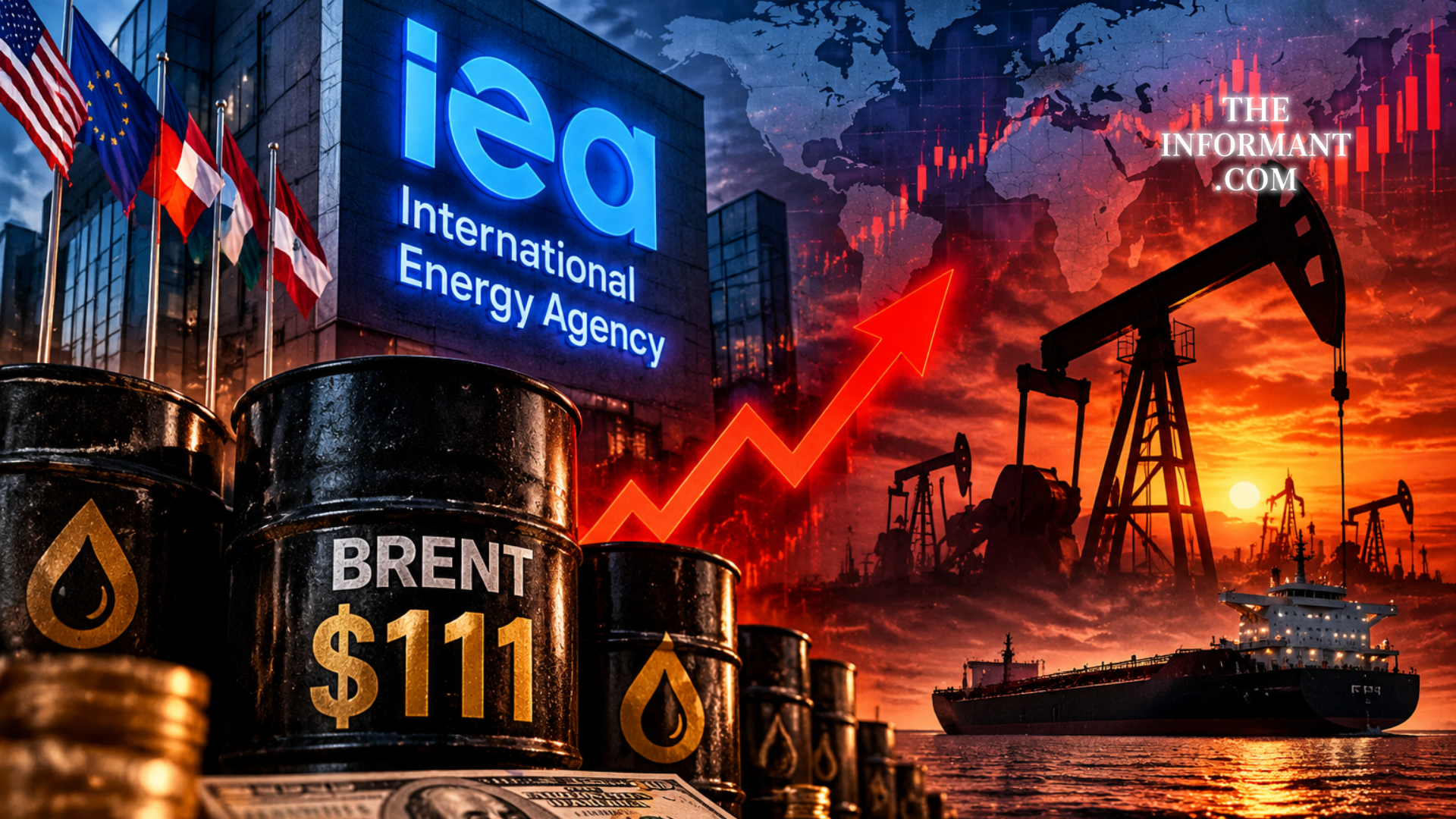
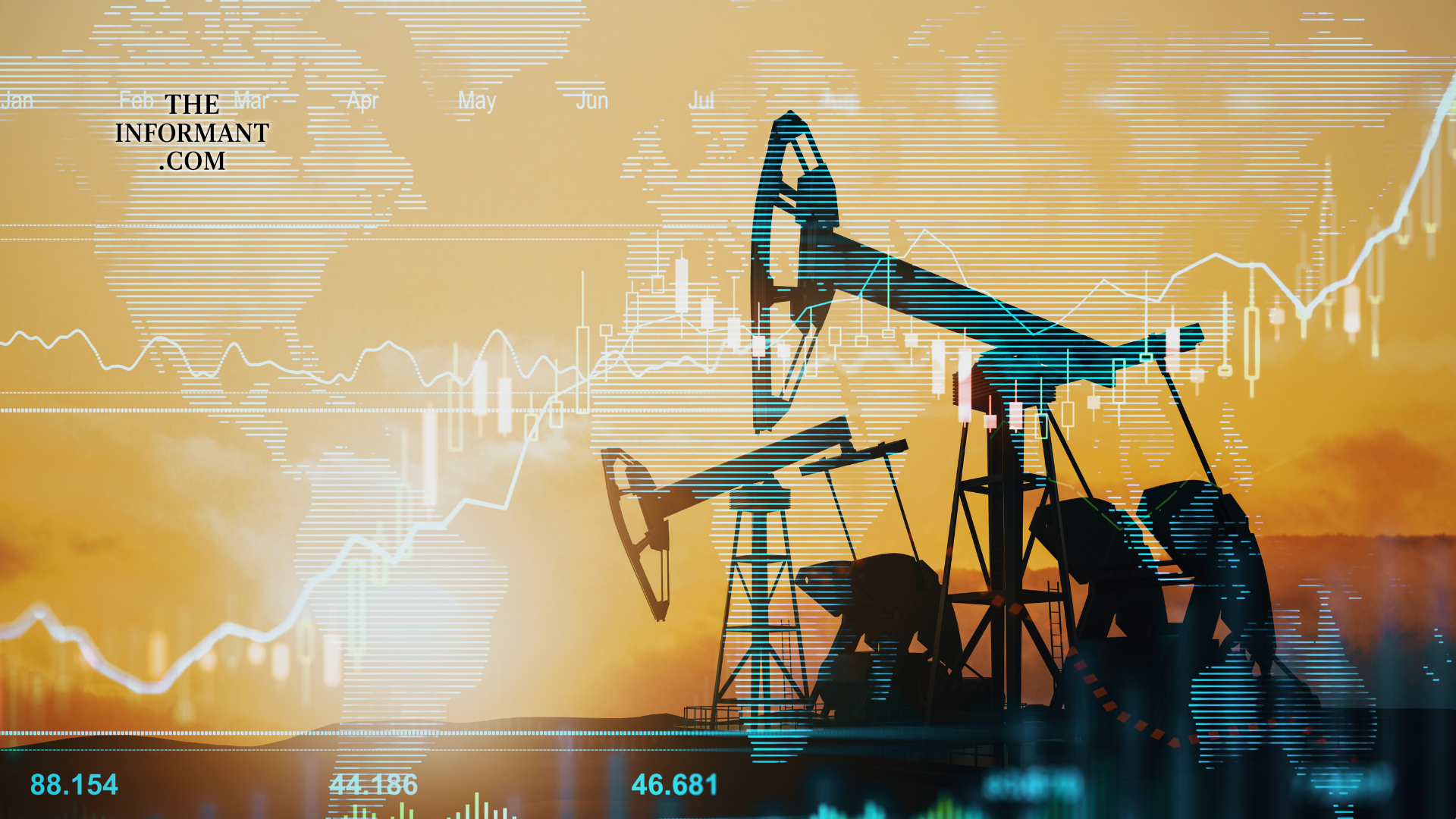
Energy markets became a major source of pressure as crude prices climbed sharply following renewed attacks by Iran-backed Houthi militants in Saudi Arabia and growing concerns about disruptions to regional energy infrastructure. U.S. West Texas Intermediate crude futures jumped 3.8% to settle at $103.27 per barrel, while international benchmark Brent crude rose 3.14% to $116.72. Brent finished the week approximately 6% higher.
The developments added to concerns about the unresolved U.S.-Iran conflict and the security of oil shipments through the Middle East. Higher crude prices can increase gasoline, diesel and transportation costs, potentially extending inflationary pressures across the economy. Energy producers benefited from the rally, even as expensive fuel weighed on the broader stock market.
U.S. TREASURY YIELDS APPROACH 5% BEFORE FEDERAL RESERVE MEETING
The bond market added another challenge. The yield on the benchmark 10-year U.S. Treasury note climbed to approximately 4.99% on Friday, reflecting persistent concerns about inflation, federal borrowing and future interest rates. Higher Treasury yields can increase borrowing costs for businesses and consumers while making bonds more competitive with stocks.
Investors are now awaiting the Federal Reserve’s October 27–28 policy meeting. Financial markets largely expect the central bank to leave its benchmark interest rate unchanged, although expectations of another increase in December have grown. No such future rate decision is guaranteed, and policymakers will continue evaluating inflation, employment and economic activity.
ARTIFICIAL INTELLIGENCE INVESTMENTS FACE RENEWED SCRUTINY
Technology stocks experienced a turbulent week as investors reassessed the enormous sums being committed to artificial intelligence infrastructure. Companies building data centers, purchasing advanced chips and expanding AI computing capacity have faced increasing questions about financing costs and how quickly these investments can generate sustainable profits.
Concerns intensified after Meta Platforms’ quarterly report highlighted the scale of future AI-related spending. The broader selloff was not uniform, however. On Friday, the S&P 500 technology sector recovered modestly, gaining approximately 0.35%, while several semiconductor and software companies advanced. The mixed performance showed that investors were becoming more selective rather than abandoning technology investments altogether.
MAJOR PHP SECURITY FLAWS ADD TO THE TECHNOLOGY DEBATE
Cybersecurity also returned to the spotlight after researchers disclosed two critical vulnerabilities affecting PHP, a programming language used by millions of websites and applications worldwide. European cybersecurity authorities issued an October 21 warning urging organizations to update affected systems because the flaws could allow attackers to execute unauthorized commands on vulnerable servers.
Artificial intelligence tools played a role in identifying and analyzing the weaknesses, raising questions about how rapidly both security researchers and malicious actors may be able to discover exploitable vulnerabilities. The vulnerabilities themselves were not shown to have been caused by AI. Their disclosure added to a broader technology-sector discussion involving security, operational risks and the accelerating deployment of advanced automated systems.
SK HYNIX HALTS SOLIDIGM IPO PLANS AMID MARKET VOLATILITY
Another sign of market uncertainty emerged from South Korean semiconductor manufacturer SK hynix, which announced on October 23 that it was discontinuing its review of a potential U.S. public listing for Solidigm, its memory and storage subsidiary.
The proposed offering had been considered as a way to support investment in manufacturing capacity tied to growing demand for AI data centers. SK hynix cited financial-market volatility and changing stock-market conditions while emphasizing that the decision did not alter its plans to expand Solidigm’s operations. The development illustrated the growing tension between funding ambitious AI projects and satisfying investors increasingly focused on returns and capital discipline.
WHAT INVESTORS WILL WATCH NEXT
The coming days will bring several potentially important developments. The Federal Reserve’s October 28 interest-rate decision will provide new guidance on monetary policy, while quarterly earnings from Alphabet, Microsoft and Amazon are expected to offer additional insight into AI spending and profitability.
Energy prices will remain another critical variable. Any escalation involving Iran, Saudi Arabia or major shipping routes could push fuel costs higher, while diplomatic progress or improved oil flows could ease pressure. Friday’s market decline highlighted the interaction of these risks, leaving investors to assess whether earnings growth can offset inflation, expensive financing and continued geopolitical uncertainty.