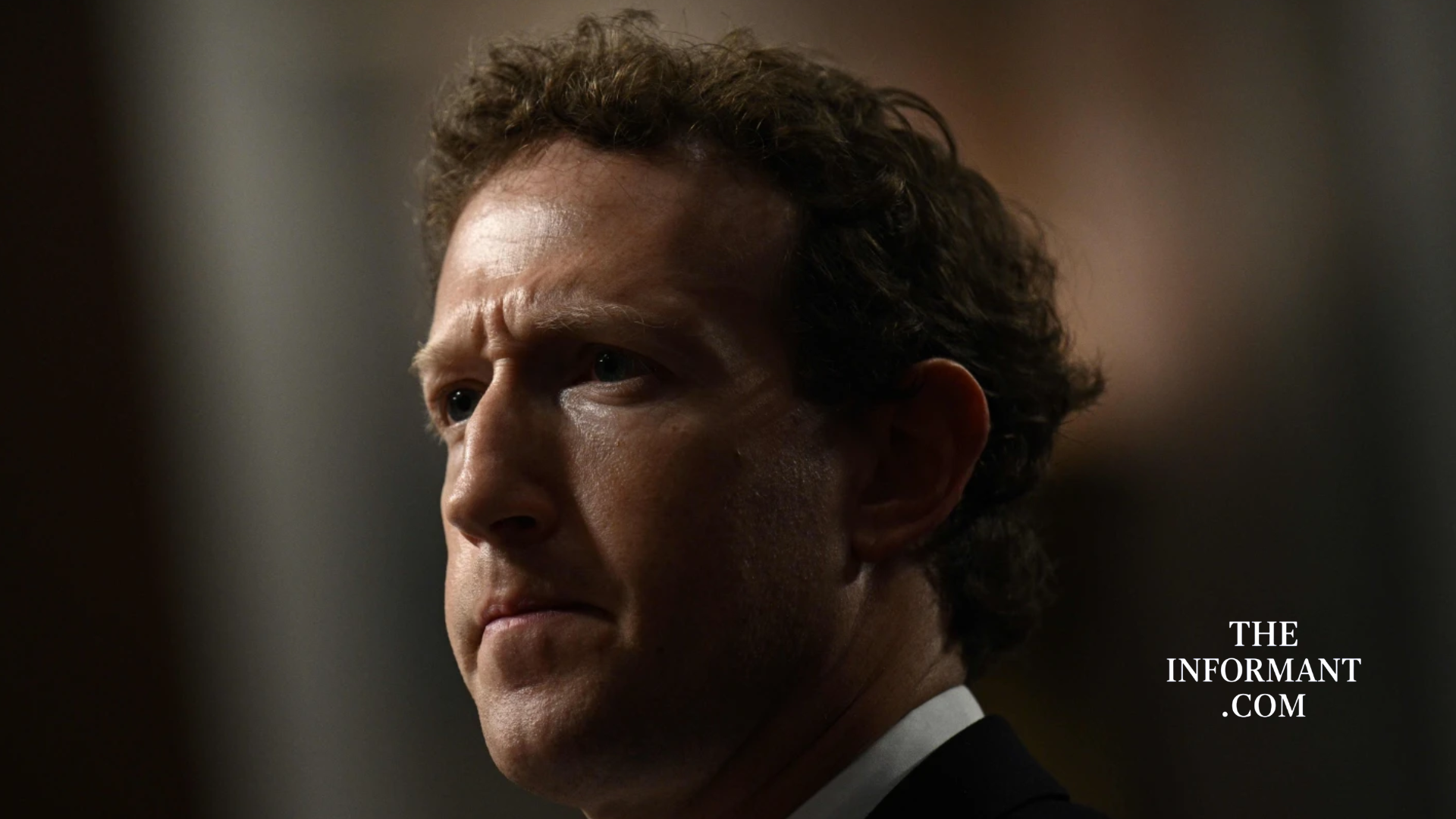
SACRAMENTO, CALIFORNIA — October 22, 2026. California voters will decide on November 3 whether to impose a one-time 5% tax on the net worth of the state’s billionaires, a proposal that could generate tens of billions of dollars for health care, education and food assistance. The measure, known as Proposition 40, has drawn national attention after Meta CEO Mark Zuckerberg considered leaving California over a potential tax obligation estimated at approximately $12 billion.
The proposed tax would apply to individuals who were California residents on January 1, 2026, and whose net worth met or exceeded $1 billion. Supporters argue that the measure would protect essential public services, while opponents warn that it could encourage wealthy residents to relocate and weaken the state’s long-term tax revenues.
WHAT IS CALIFORNIA’S PROPOSITION 40?
Proposition 40, also known as the California Billionaire Tax Act, would establish a one-time tax equal to 5% of the covered net worth of qualifying billionaires.
The measure generally includes financial assets, business ownership, securities, intellectual property and other valuable holdings, while excluding most real estate and qualifying retirement accounts.
The tax would become payable in 2027. Affected taxpayers could pay the amount at once or spread payments over five years, with an additional charge for using the installment option.
The January 1, 2026, residency date is particularly significant because moving out of California after that date would not automatically eliminate liability under the proposal.
WHY MARK ZUCKERBERG COULD FACE A $12 BILLION TAX BILL
Zuckerberg’s fortune has recently been estimated at approximately $239 billion to $246 billion, depending on market conditions and the valuation source.
A simple 5% calculation on a $246 billion fortune produces approximately $12.3 billion. However, his actual liability would depend on the measure’s definitions, exclusions, valuation rules and applicable deductions.
Most of Zuckerberg’s wealth is tied to his ownership of Meta Platforms, the parent company of Facebook, Instagram and WhatsApp.
Unlike ordinary income taxes, a wealth tax would apply to qualifying net assets even if the owner had not sold the underlying investments.
META CREATES NEW STOCK CLASS TO PROTECT ZUCKERBERG’S CONTROL
Meta announced a new class of nonvoting Class C shares on October 21, following months of discussions between Zuckerberg and the company’s board.
The arrangement allows shareholders to receive additional shares through a stock dividend. Zuckerberg can sell a portion of the new shares without automatically reducing the voting control he maintains through his existing supervoting Class B stock.
Under the agreement, 20% of his new Class C shares can be sold immediately, while the remaining 80% are subject to restrictions linked to his voting shares.
The arrangement also includes a commitment for Zuckerberg to maintain his principal residence in California, or in the state where Meta’s headquarters are located, for eight years, subject to specified exceptions.
ZUCKERBERG CONSIDERED LEAVING CALIFORNIA
Corporate disclosures and reporting on Meta’s board discussions indicate that Zuckerberg considered changing his primary residence because of the proposed tax.
The possibility created concerns about his ability to maintain control of Meta while meeting a substantial tax obligation and continuing to fund philanthropic commitments.
Meta’s new share structure was designed to provide financial flexibility while preserving the company’s existing leadership and voting arrangements.
The agreement does not establish that Zuckerberg will ultimately owe the tax. That depends first on whether California voters approve Proposition 40.
SUPPORTERS SAY THE TAX COULD PROTECT HEALTH CARE
The measure is supported by the Service Employees International Union–United Healthcare Workers West, known as SEIU-UHW.
Supporters argue that federal funding reductions could place significant pressure on California’s health care system, including Medi-Cal, which provides health coverage to eligible low-income residents.
Under Proposition 40, 90% of the new tax revenue would be designated for health care services, while the remaining 10% would support education and food assistance programs.
Campaign organizers have promoted estimates of up to $100 billion in revenue. California’s Legislative Analyst’s Office, however, describes the expected proceeds more cautiously as tens of billions of dollars collected over several years.
OPPONENTS WARN OF RELOCATION AND REVENUE LOSSES
Governor Gavin Newsom opposes the proposal, arguing that a state-level wealth tax could undermine California’s economic competitiveness and encourage wealthy residents to move elsewhere.
Business leaders and some economists have raised concerns that the measure could reduce future income tax collections if high-income residents relocate or change their financial arrangements.
The Legislative Analyst’s Office estimates that Proposition 40 would generate substantial temporary revenue but could also produce an ongoing decline of less than $1 billion annually in state income tax receipts.
Those potential losses would not necessarily outweigh the initial proceeds, but they are an important consideration in assessing the measure’s longer-term fiscal impact.
COMPETING BALLOT MEASURES COMPLICATE THE DEBATE
California voters will also consider Propositions 41 and 42, which address the treatment and oversight of certain state taxes.
Proposition 41 would impose additional audit requirements on programs supported by special taxes and restrict exemptions from existing state spending limits.
These measures have become part of a broader political and financial dispute involving labor organizations, technology executives, business groups and state officials.
Their interaction with Proposition 40 will depend on the final election results and applicable constitutional rules.
WHAT HAPPENS ON NOVEMBER 3?
Voters will decide whether California adopts the one-time billionaire wealth tax.
A YES vote on Proposition 40 would authorize the new tax, while a NO vote would leave the proposed levy unimplemented.
If approved and allowed to take effect under the applicable legal framework, the measure would require detailed asset valuations and administrative procedures before payments begin.
For Zuckerberg and other California billionaires, the vote could have substantial financial consequences. For state residents, the debate centers on the balance between funding public services and managing the potential economic effects of taxing concentrated wealth.
The outcome remains undecided, and neither the proposed revenue nor individual tax liabilities should be treated as final before the election.