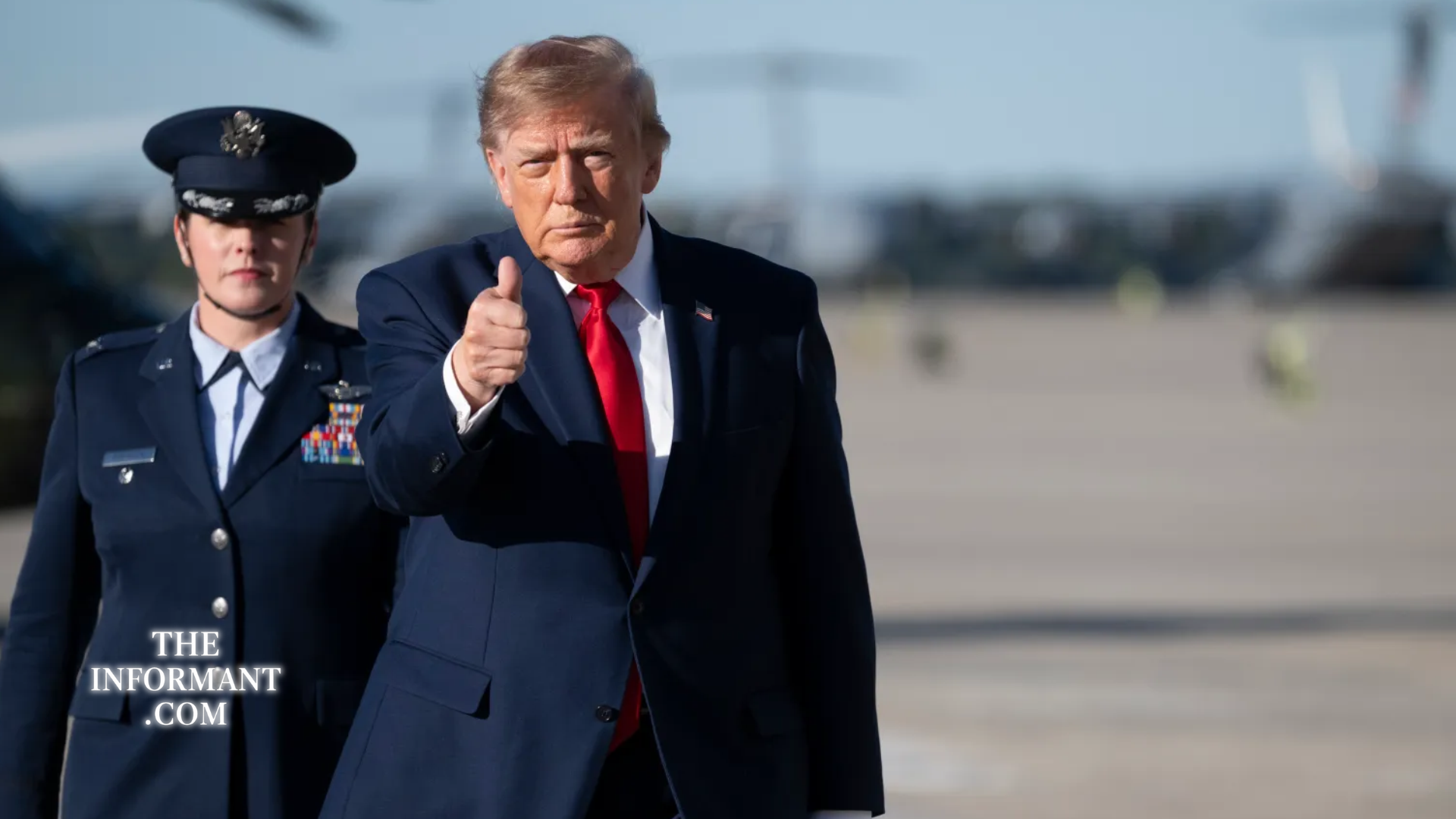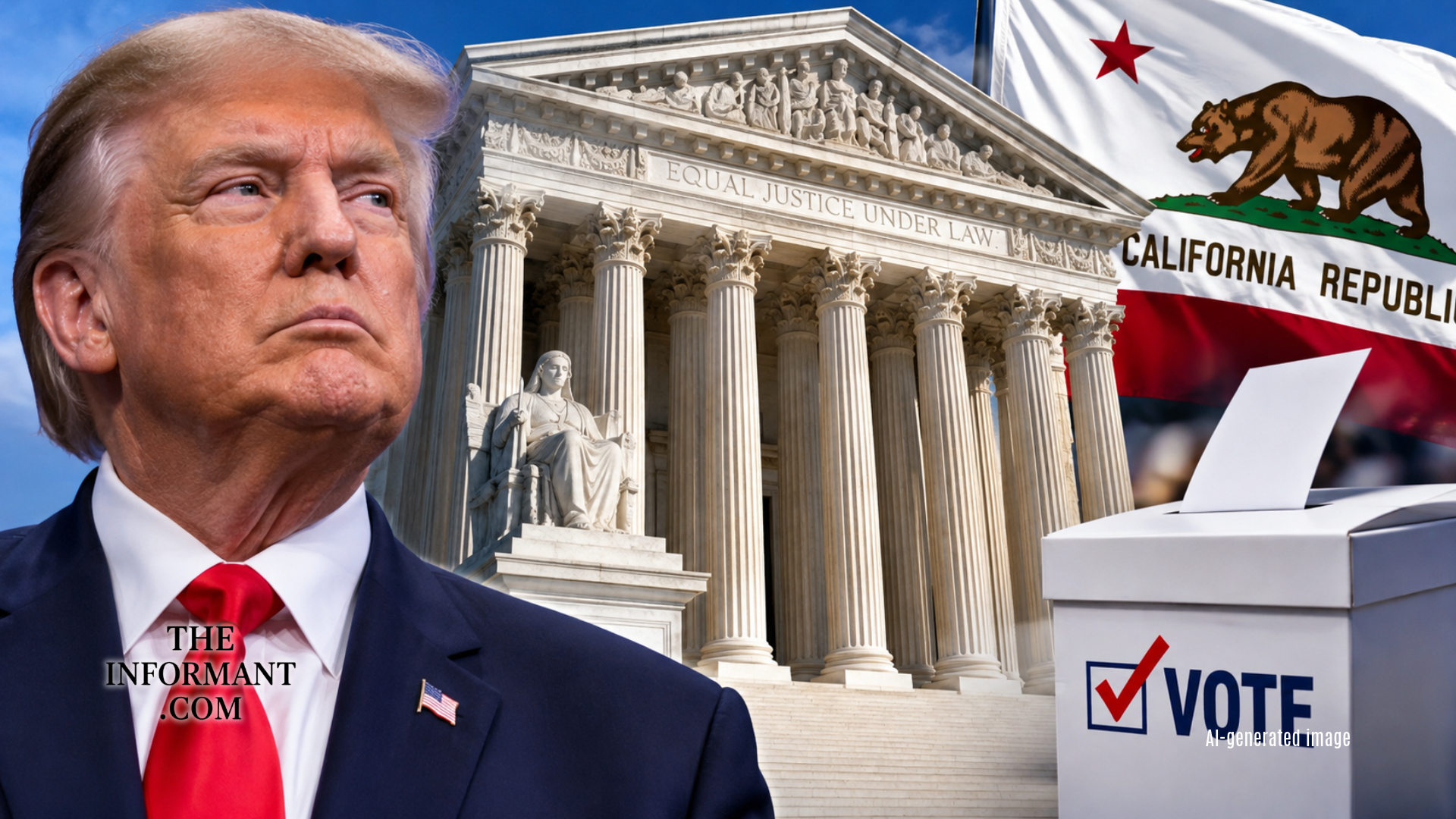
WASHINGTON, D.C. — November 2, 2026. The U.S. Supreme Court rejected an emergency request from President Donald Trump’s administration Monday to require California election officials to separate ballots associated with approximately 20,000 registered voters the federal government identified as potentially ineligible because of their citizenship status.
The decision came just hours before Election Day in the 2026 midterm elections, when voters are determining the composition of Congress for the final two years of Trump’s second presidential term. The justices issued no explanation for their decision, and none publicly dissented.
A DISPUTE OVER 20,000 VOTER RECORDS
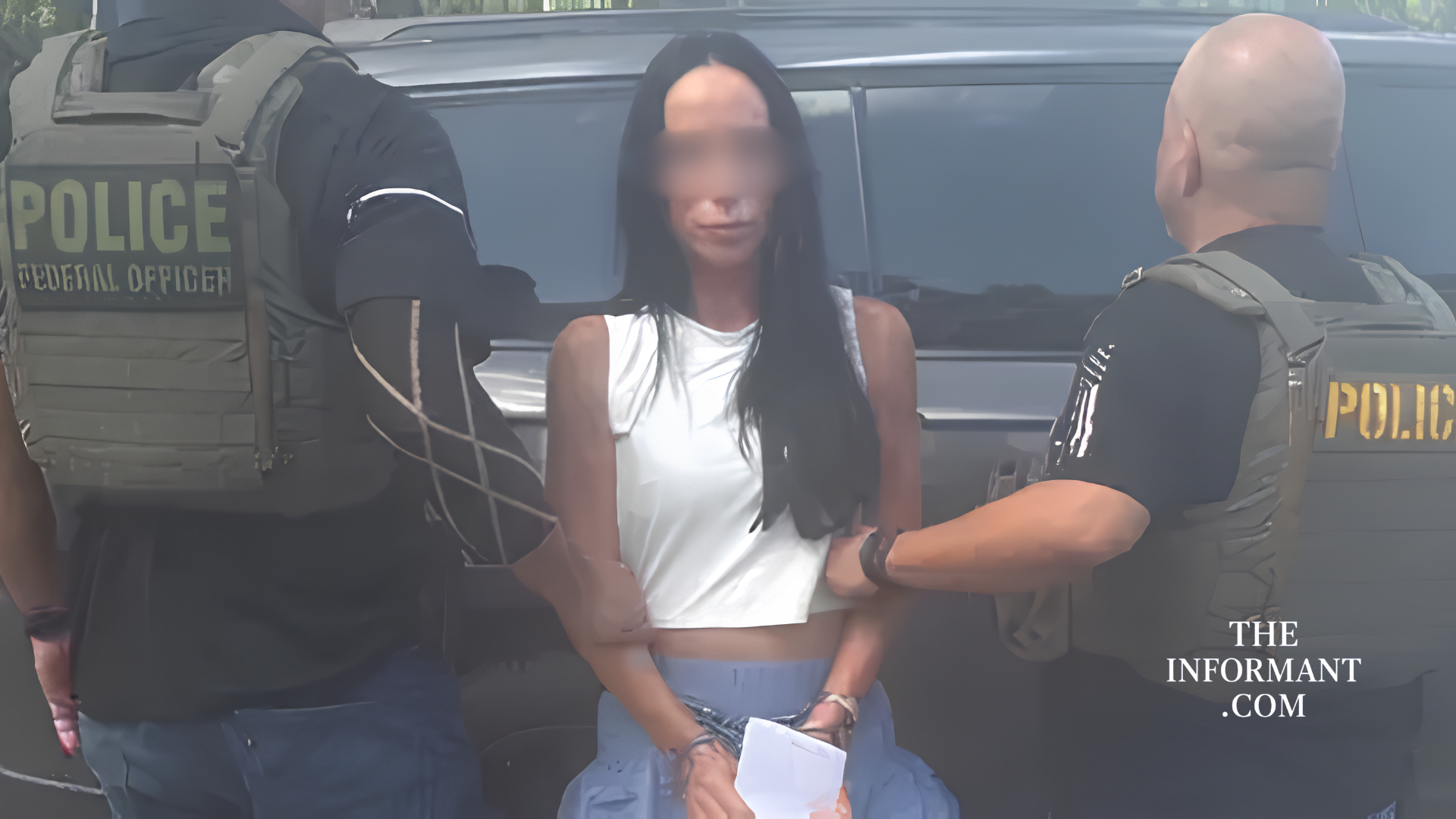
The Justice Department sought to have California election officials set aside ballots linked to approximately 20,000 people flagged as likely noncitizens while their eligibility could be investigated.
California officials disputed the reliability of the federal government’s list, warning that it contained significant errors and that separating ballots could prevent eligible citizens from having their votes counted properly.
The administration argued that segregating the ballots was a limited precaution and that votes determined to be lawful could still be counted afterward.
THE INFORMANT — SUPREME COURT BALLOT DISPUTE
A breakdown of the legal challenge, disputed voter records and court decisions.
FLAGGED VOTER RECORDS
Approximately, according to the Justice Department
BALLOTS RETURNED
California ballots returned as of November 2
THE LEGAL DISPUTE
TRUMP ADMINISTRATION’S REQUEST
Temporarily separate disputed ballots pending citizenship verification.
SUPREME COURT’S ACTION
Denied emergency relief without a written explanation or publicly noted dissent.
WHAT REMAINS UNRESOLVED
Individual eligibility questions and the underlying legal merits.
SOURCES: Associated Press, Reuters and federal court reporting. Figures are not a count of proven ineligible voters.
LOWER COURTS REJECTED THE ADMINISTRATION’S REQUEST
The Supreme Court’s decision followed multiple rulings against the administration in lower federal courts.
U.S. District Judge David O. Carter warned that attempting to separate ballots during an ongoing election could disrupt election administration and undermine public confidence. A divided federal appeals court panel subsequently upheld his order.
The appeals court’s 2–1 decision included support from judges appointed by presidents of different political parties. The dissenting judge argued that California’s refusal to separate the ballots could allow violations of federal election law.
CALIFORNIA OFFICIALS RESPOND TO THE RULING
California Gov. Gavin Newsom welcomed the Supreme Court’s refusal to intervene, describing the outcome as a victory for democracy.
State Attorney General Rob Bonta also criticized the administration’s repeated attempts to obtain emergency court orders affecting California’s election procedures.
Their responses reflected California’s position that the federal government’s request was legally unjustified and risked interfering with voting already underway.
JUSTICE DEPARTMENT ACKNOWLEDGES DATA ERRORS
During a separate federal court hearing, U.S. District Judge Trina Thompson questioned Justice Department attorney Kenneth Kao about inaccuracies in the list used to identify potentially ineligible voters.
Kao acknowledged that describing the data as having a high error rate was fair, while explaining that the department sought assistance from local election registrars to verify the records.
Bill Essayli, the federal prosecutor overseeing the Justice Department’s Los Angeles office, expressed strong confidence in the government’s findings but also acknowledged that some entries might be incorrect.
The competing statements underscored a central issue in the litigation: whether the federal government’s evidence was sufficiently reliable to justify changes to ballot handling during an active election.
ANOTHER FEDERAL JUDGE RAISES CONSTITUTIONAL CONCERNS
In Washington, Chief U.S. District Judge James Boasberg separately ruled against last-minute federal demands directed at California election officials.
Boasberg concluded that the executive branch had likely violated the Constitution’s Elections Clause, which assigns authority over election rules to states and Congress.
In another related proceeding, he declined to issue additional relief sought by Democratic groups, finding that they lacked legal standing and that other legal actions had already addressed the underlying concerns.
MILLIONS OF CALIFORNIA BALLOTS ALREADY RETURNED
California began voting in early October, with ballots mailed to approximately 23 million registered voters.
According to Associated Press election data cited in the report, more than 6 million ballots had already been returned by Monday.
State election officials said locating and separating ballots associated with the federal government’s disputed list at such a late stage would be logistically unworkable.
WHAT THE SUPREME COURT DECISION MEANS
The Supreme Court’s refusal to grant emergency relief leaves the lower-court restrictions in effect for the immediate election period. It does not, by itself, establish that every person on the federal government’s list is eligible to vote, nor does it constitute a detailed ruling on all underlying legal questions.
The case highlights an ongoing disagreement between federal authorities seeking to enforce citizenship requirements and state officials responsible for administering elections while protecting eligible voters’ access to the ballot.
Further litigation and official election procedures may determine how remaining eligibility questions are addressed after Election Day.