TEHRAN — October 29, 2026. Three oil tankers reportedly exploded and caught fire after striking naval mines in the Strait of Hormuz, according to Iran’s Islamic Revolutionary Guard Corps. The announcement has heightened concerns about maritime security in one of the world’s most important energy corridors. However, the Iranian military has not identified the vessels, and independent authorities have not confirmed that three tankers were damaged by mines.
The claims emerged as British maritime security monitors separately reported that a ship had been spotted burning near the coast of Oman. The incident highlights the continuing uncertainty surrounding commercial shipping through the narrow waterway, where Iran and the United States have issued conflicting statements about the safety of navigation routes.
IRAN SAYS THREE TANKERS STRUCK MINES ON AN UNAUTHORIZED ROUTE
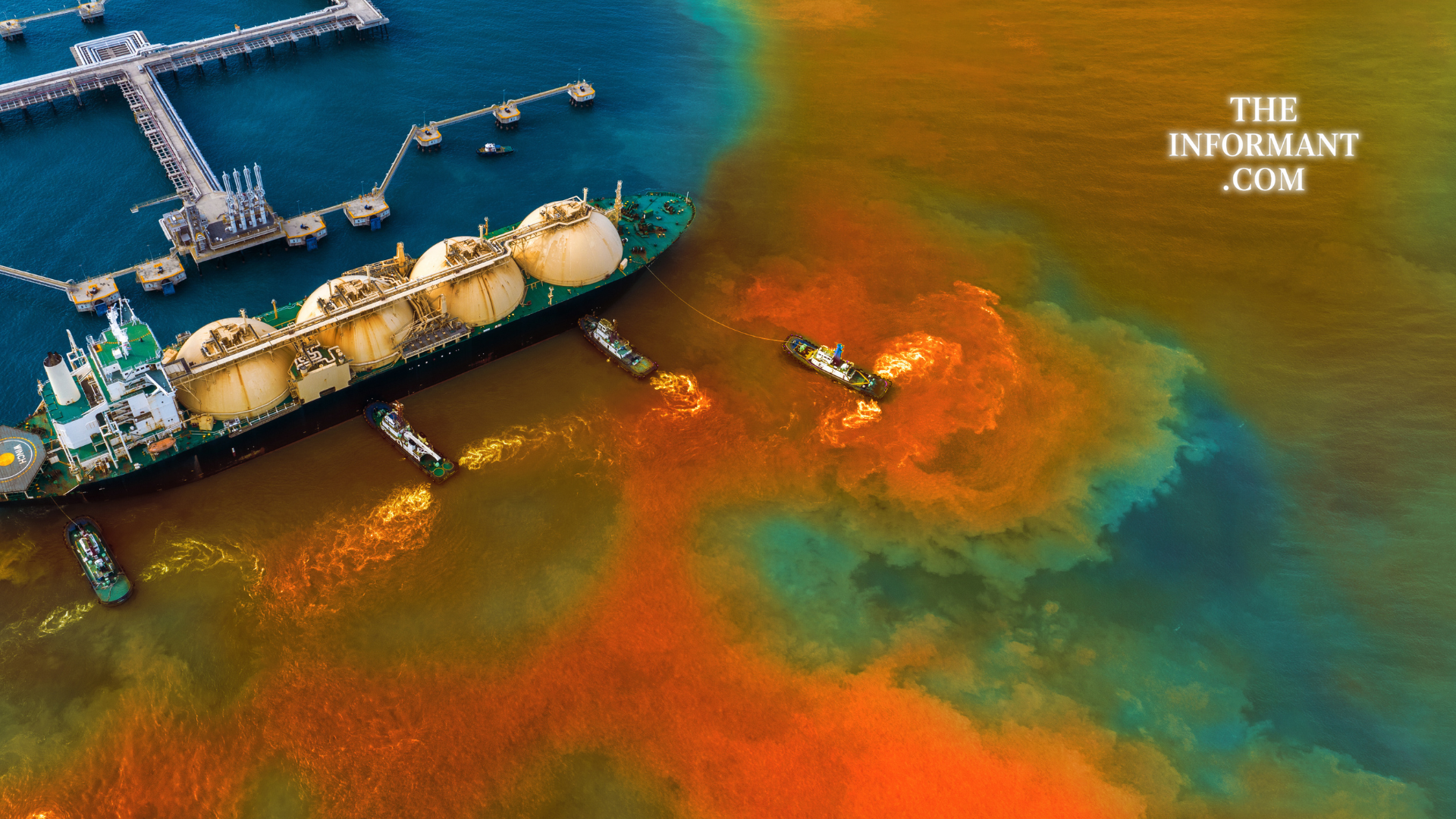
In a statement released Thursday through Iranian state media, the Revolutionary Guards’ navy claimed that three tankers had entered a restricted southern route through the Strait of Hormuz during the previous 24 hours. Iranian officials alleged that the vessels had disabled their radar and navigation equipment, ignored military warnings and subsequently struck naval mines. The Guards said the ships were abandoned after catching fire, but did not provide their names, flag states, ownership details or information about their crews.
The IRGC also warned shipping operators against using routes that Tehran considers unauthorized, maintaining that certain waters remain mined. Iranian authorities placed responsibility on shipowners and crews who disregard their navigation restrictions. These statements have not been independently corroborated, and the circumstances of the alleged explosions remain unclear.
BRITISH MARITIME AGENCY REPORTS ONE VESSEL ON FIRE NEAR OMAN
The United Kingdom Maritime Trade Operations agency issued Warning 185-26 after receiving a report of a vessel on fire approximately nine nautical miles north of Khasab, Oman, at around 03:00 UTC on October 29. The sighting came from the master of another ship passing through the area.
UKMTO did not identify the burning vessel or establish what caused the fire. Information about the crew, possible casualties, structural damage and environmental consequences was unavailable. The agency advised other ships to exercise caution while authorities investigated. Crucially, the report does not establish that the vessel struck a mine or that it was one of the three tankers described by Iranian authorities.
U.S. MILITARY REJECTS IRANIAN CLAIMS ABOUT SHIPPING MINES
The Iranian announcement came shortly after U.S. Central Command challenged claims that commercial vessels were striking mines in the Strait of Hormuz. On October 28, CENTCOM said American forces had cleared the internationally recognized primary transit routes and maintained that those shipping lanes remained free of naval mines.
The U.S. military has highlighted its mine-clearance operations and support for commercial shipping, reporting that thousands of vessels have successfully navigated the region with American assistance. Iran disputes Washington’s assurances and continues to assert control over routes it designates as restricted. The disagreement underscores the difference between U.S.-recognized international shipping lanes and the southern passage identified in Tehran’s latest warning.
WHY THE STRAIT OF HORMUZ MATTERS TO GLOBAL ENERGY MARKETS
Located between Iran and Oman, the Strait of Hormuz connects the Persian Gulf with the Gulf of Oman and serves as a critical route for exports from major energy-producing countries. According to the International Energy Agency, approximately 20 million barrels of crude oil and petroleum products moved through the strait daily in 2025, representing about one-quarter of global seaborne oil trade.
The conflict that began in late February 2026 severely disrupted those shipments. U.S. Energy Information Administration data show that oil flows through the strait fell from an average of 21.6 million barrels per day in the final quarter of 2025 to 4.9 million barrels per day in the second quarter of 2026. Alternative pipelines and export routes have helped offset part of the disruption, but the waterway remains strategically important for energy supplies, particularly to Asian markets.
OIL PRICES FALL DESPITE RENEWED TANKER SECURITY WARNINGS
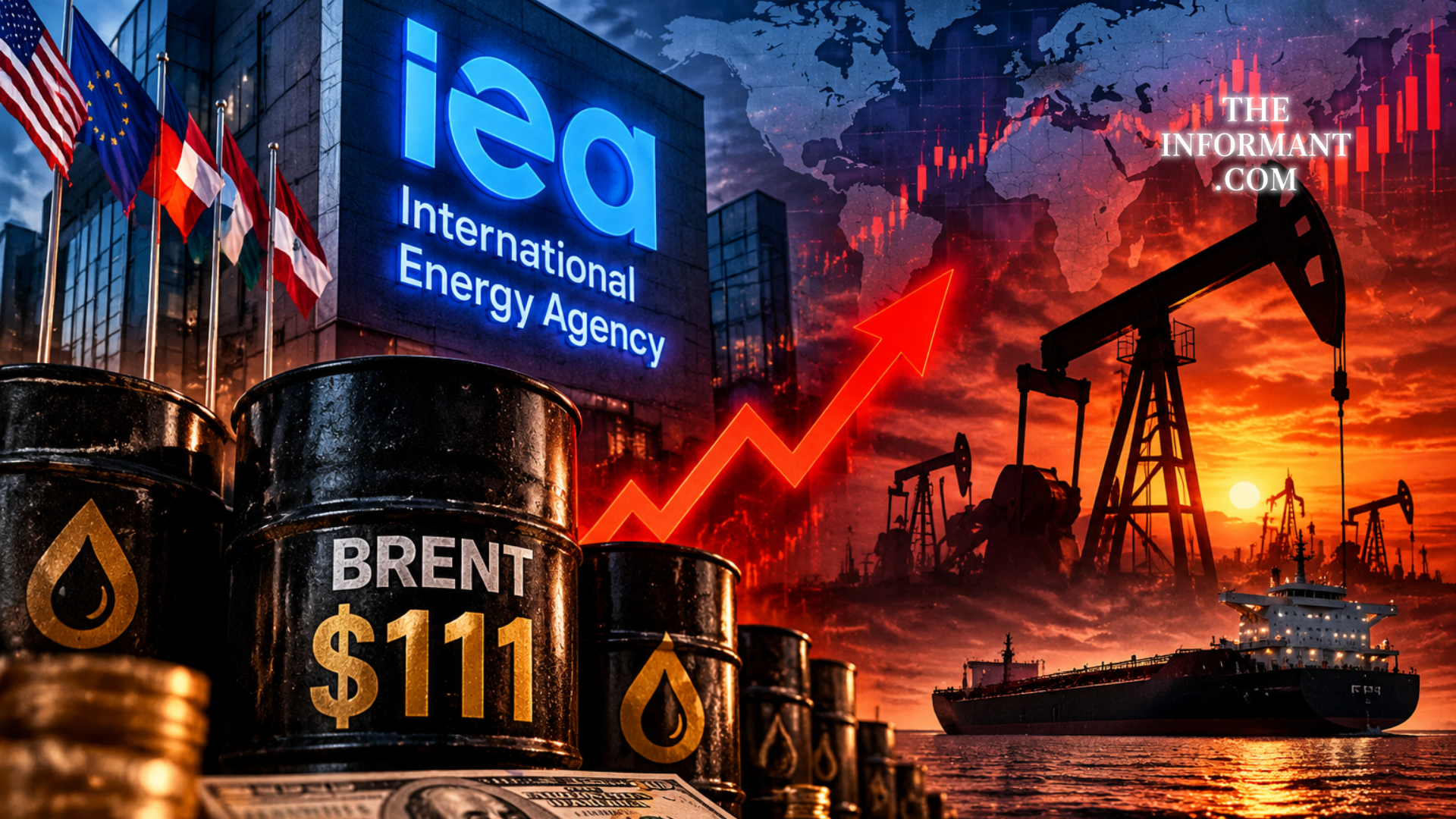
Despite the Iranian announcement, oil prices declined during Thursday’s trading as reports of possible renewed diplomatic efforts eased some concerns about supply disruptions. At 13:14 GMT on October 29, Brent crude futures were trading at $113.77 per barrel, down 1.34%, while U.S. West Texas Intermediate crude futures stood at $100.78, down 1.95%, according to Reuters.
The market reaction illustrates how energy prices respond to several competing developments rather than one event alone. Shipping attacks and possible mine hazards can increase risk premiums, insurance expenses and transportation costs, while diplomatic developments or expectations of improved supply can reduce upward pressure on crude prices.
WHAT REMAINS UNKNOWN ABOUT THE REPORTED EXPLOSIONS?
Several fundamental questions remain unanswered: which vessels were allegedly involved, whether naval mines caused the reported damage, whether crews were evacuated safely and whether any oil or fuel entered the surrounding waters. Iranian authorities have not released sufficient independently verifiable evidence to establish the full extent of the claimed incidents.
For maritime operators and energy markets, the next important developments will be the results of the UKMTO investigation, identification of any damaged vessels and new statements from regional maritime authorities. Until independent evidence becomes available, the claim that three tankers exploded after striking mines remains an Iranian military account rather than an established finding.