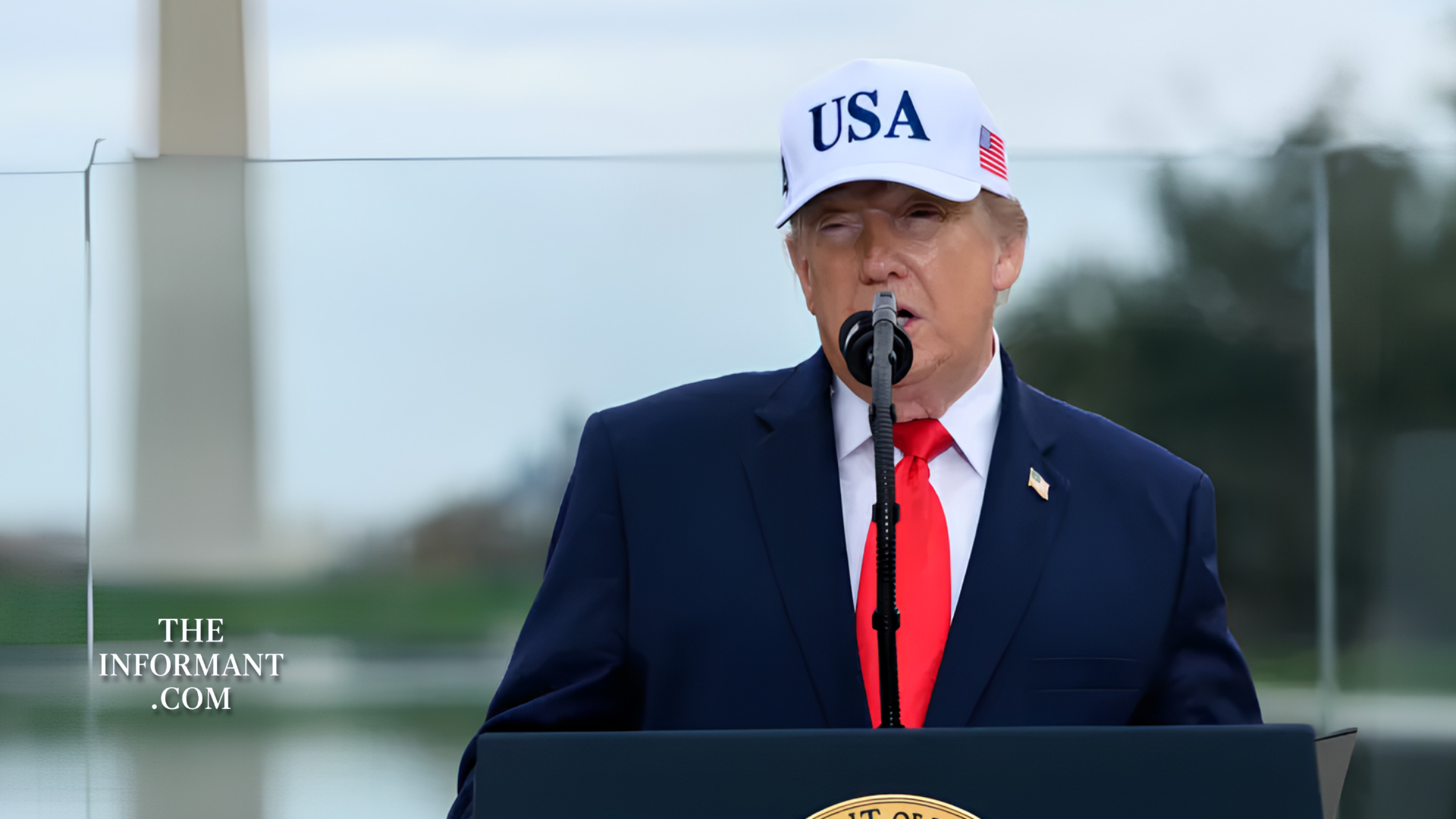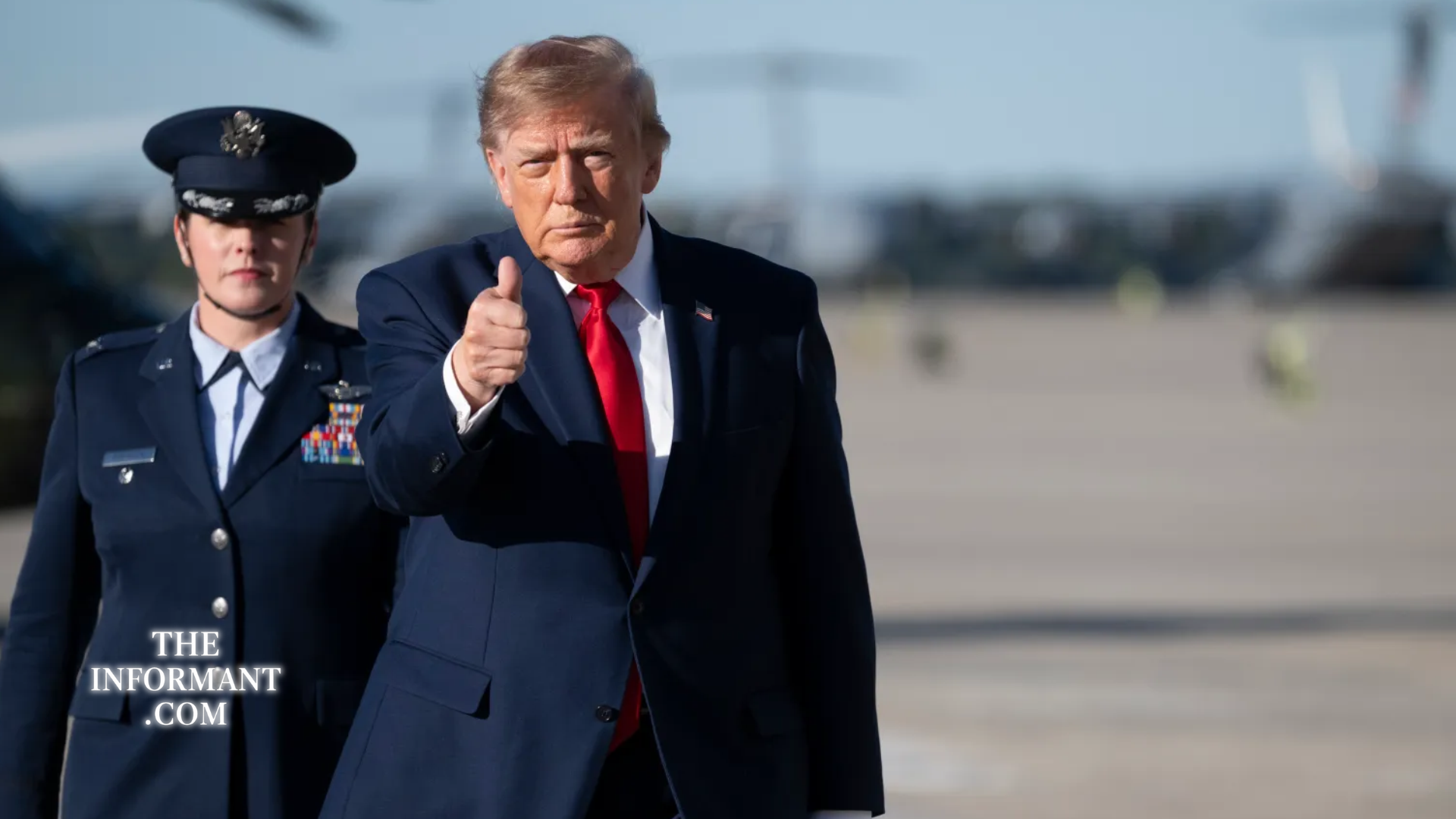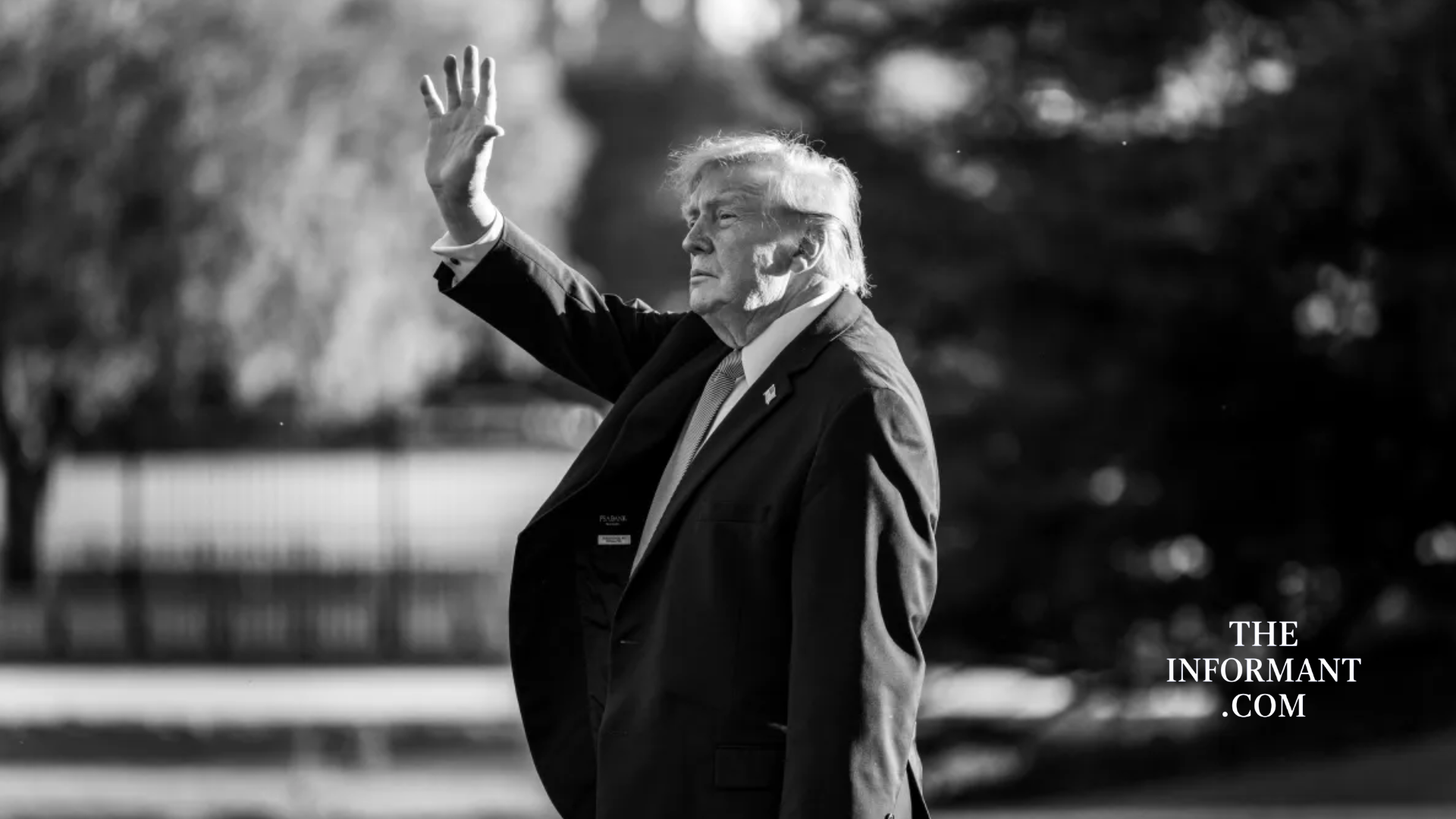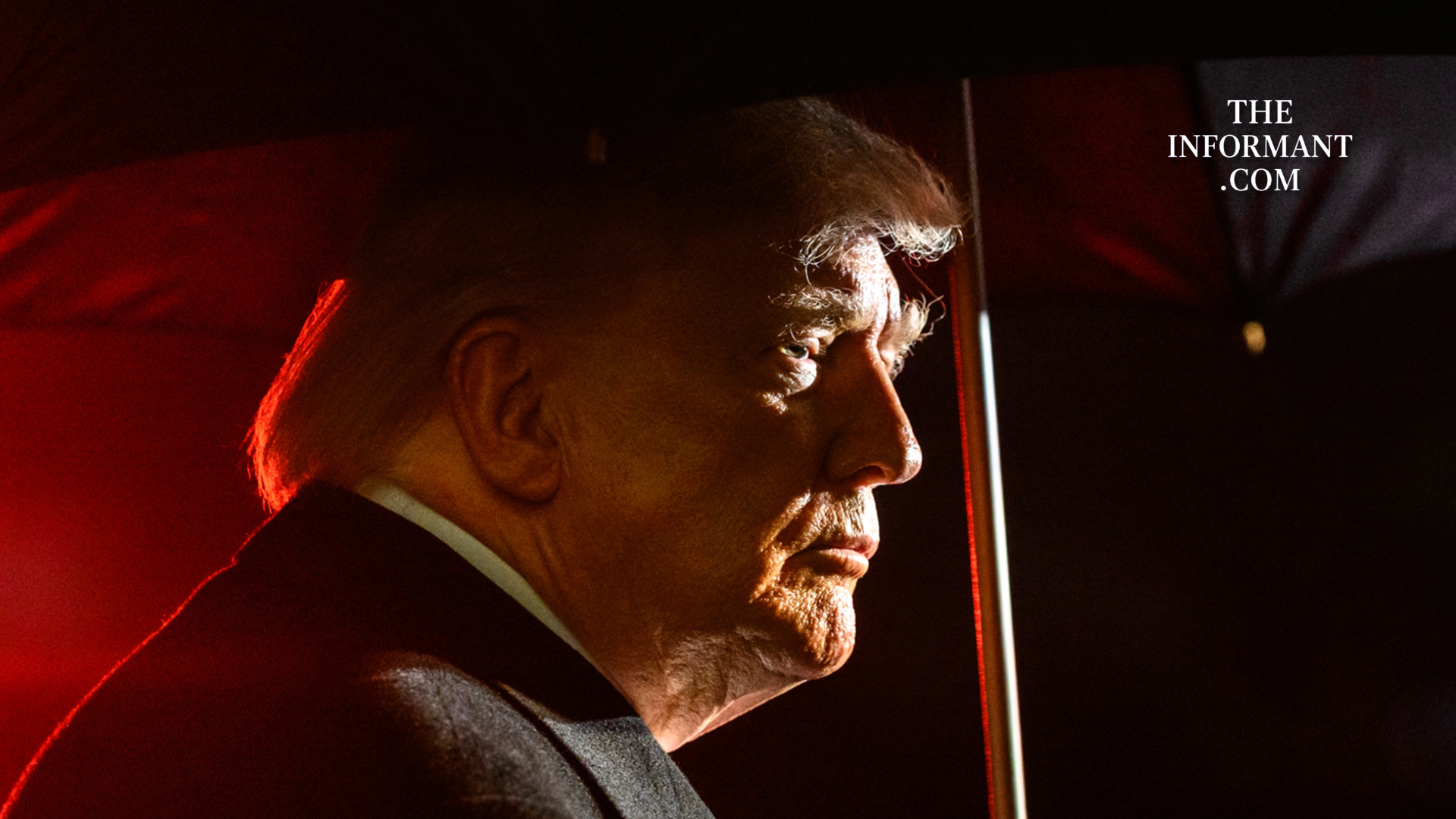
WASHINGTON, D.C. — November 4, 2026. The White House is promoting President Donald Trump’s so-called “Donroe Doctrine,” a foreign policy strategy aimed at strengthening American influence across the Western Hemisphere. In a social media post highlighting a November 3 New York Post article, the administration claimed that its approach has expanded U.S. regional dominance through diplomatic agreements, anti-cartel operations and efforts to reduce China’s influence in Latin America.
WHAT IS THE “DONROE DOCTRINE”?
The term combines Trump’s name with the Monroe Doctrine, the 1823 U.S. foreign policy declaration opposing European intervention in the Americas.
The administration uses the modern expression to describe a strategy emphasizing U.S. leadership, regional security cooperation and resistance to rival powers seeking greater economic or military influence in the hemisphere.
Supporters portray the policy as a restoration of American geopolitical influence, while critics question whether it could encourage interventionism or undermine the sovereignty of neighboring countries.
WHITE HOUSE CLAIMS CONTROL OVER TWO-THIRDS OF THE HEMISPHERE
The New York Post article highlighted by the White House argues that Trump’s strategy has strengthened American influence over nearly two-thirds of the Western Hemisphere.
The claim is based on the administration’s relationships with regional governments, security arrangements and political developments involving countries traditionally aligned with Washington.
However, the expression “control” does not establish that the United States exercises legal authority over those territories. Diplomatic alignment, economic influence and territorial sovereignty are different concepts.
No universally accepted geopolitical measurement establishes that Washington controls two-thirds of the hemisphere.
The Donroe Doctrine is taking back the Western Hemisphere.
— The White House (@WhiteHouse) November 4, 2026
"President Trump’s 'Donroe Doctrine' has solidified the US grip over almost two-thirds of the Western Hemisphere, cutting deals with pro-America governments, targeting drug cartels, and booting Chinese influence" pic.twitter.com/sdQniEsMxA
VENEZUELA PLAYS CENTRAL ROLE IN THE STRATEGY
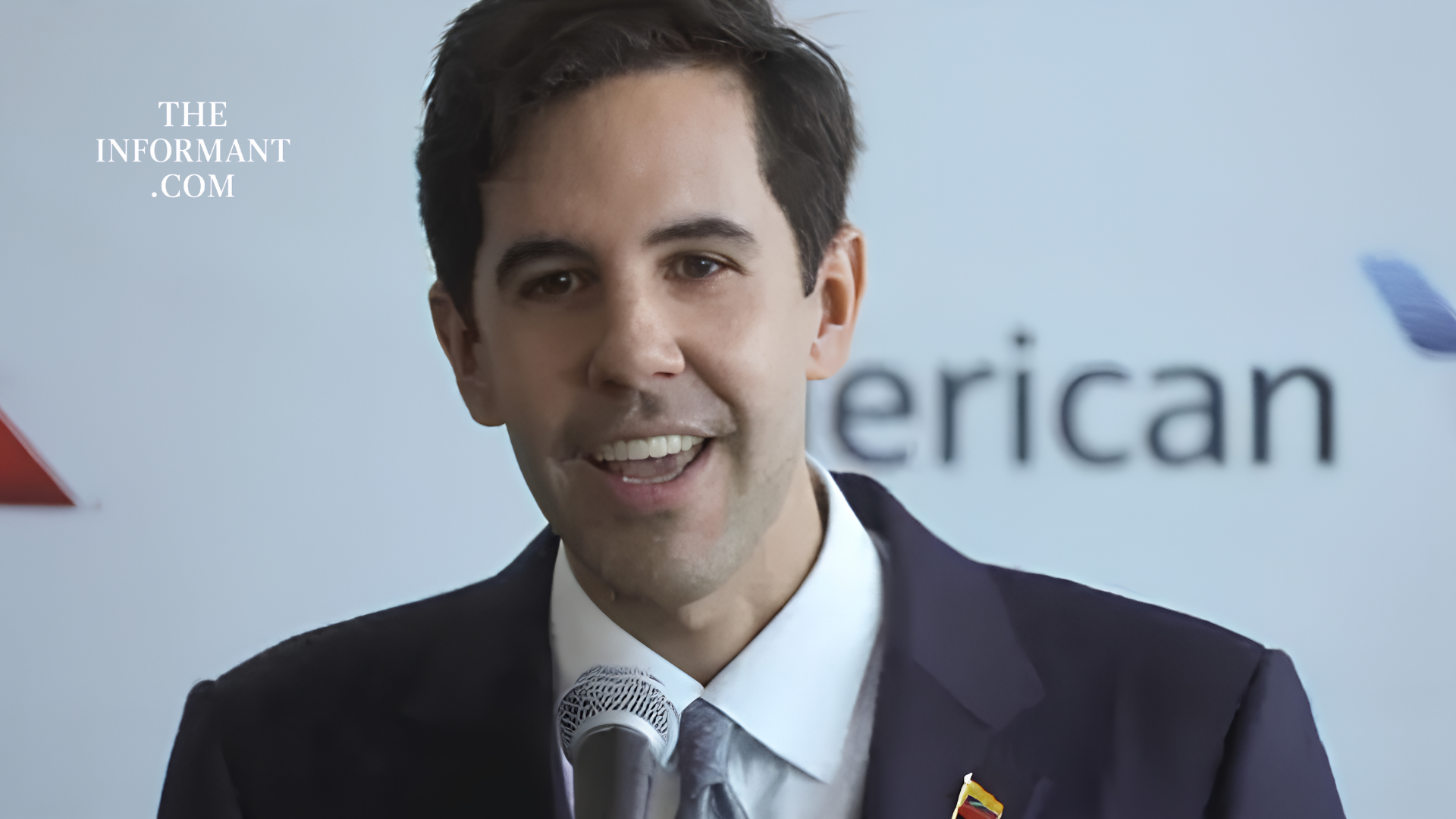
Venezuela is among the most prominent examples cited by supporters of the Donroe Doctrine.
The administration points to the capture of Nicolás Maduro, subsequent political developments and negotiations involving Venezuela’s energy sector as evidence of a shift in regional power.
The New York Post also highlights U.S. involvement in oil-related arrangements and cooperation with regional governments.
These developments raise broader questions about Venezuela’s political sovereignty, international law and the future of its energy resources.
REGIONAL SECURITY AND ANTI-CARTEL OPERATIONS
Another major component of the administration’s approach involves efforts to confront transnational drug trafficking organizations.
The White House has emphasized expanded intelligence cooperation, security partnerships and regional initiatives designed to disrupt cartel operations.
The reported “Shield of the Americas” framework is presented as an example of efforts to coordinate regional defense and security priorities.
The effectiveness of these initiatives must be assessed through documented outcomes rather than policy announcements alone.
COUNTERING CHINA’S INFLUENCE IN LATIN AMERICA
The administration also identifies China’s growing economic presence as a major strategic concern.
Beijing has developed significant trade, infrastructure and investment relationships throughout Latin America, including in energy, transportation and critical minerals.
Trump’s strategy seeks to strengthen U.S. partnerships and discourage arrangements that Washington considers harmful to its national security interests.
However, Latin American governments maintain their own foreign policy priorities and may continue developing economic relationships with both the United States and China.
A NEW CHAPTER IN U.S. FOREIGN POLICY
The White House’s promotion of the Donroe Doctrine reflects a broader effort to present Trump’s regional policies as a major geopolitical achievement.
While diplomatic agreements, security initiatives and developments in Venezuela may demonstrate changes in U.S. engagement, claims of hemispheric dominance remain political interpretations.
The long-term consequences will depend on the durability of regional partnerships, economic outcomes, international responses and the policies adopted by governments throughout the Americas.