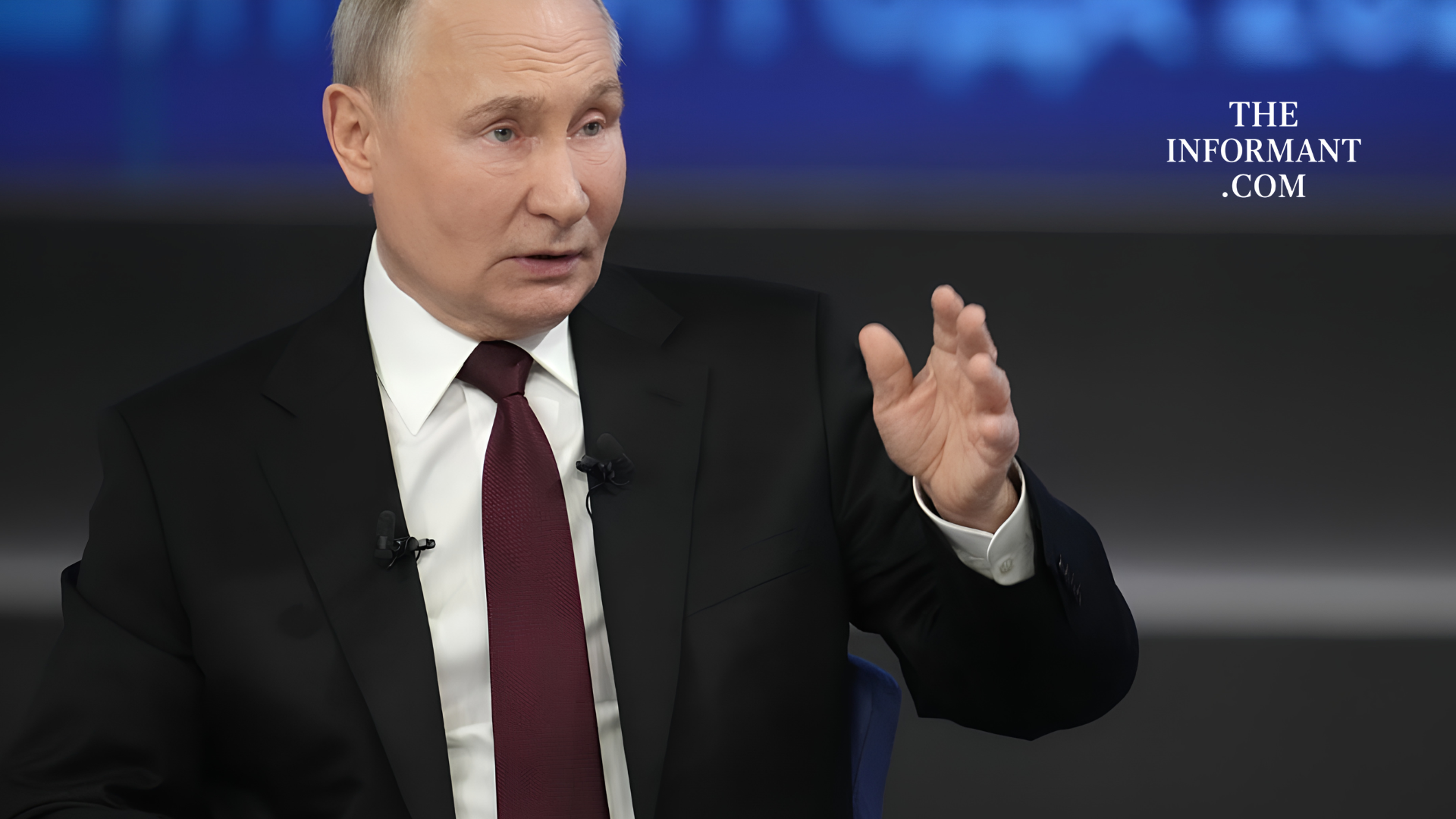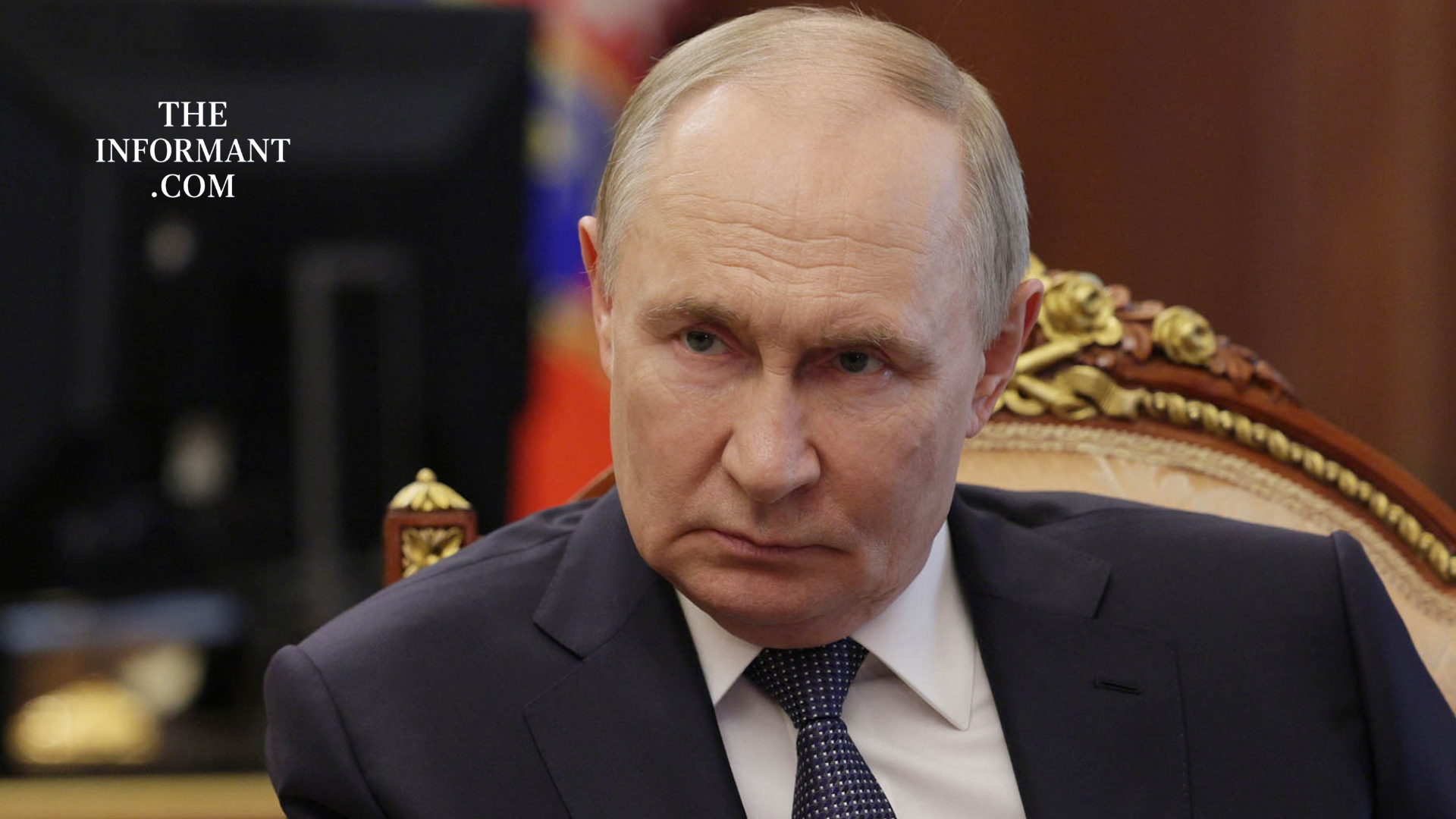
MOSCOW, Russia — October 29, 2026. Russian President Vladimir Putin said Thursday that his country was prepared for a potential war with Europe but did not want such a confrontation, while expressing support for efforts to restore diplomatic relations with European governments.
The remarks followed a rare telephone conversation with Finnish President Alexander Stubb and Norwegian Prime Minister Jonas Gahr Støre, who contacted Putin on October 27 to discuss the war in Ukraine and possible diplomatic steps toward ending the conflict.
Putin’s comments came during the Russia-Africa summit in Moscow, where he also addressed international security and Russia’s relations with Western countries.
PUTIN SAYS RUSSIA IS PREPARED FOR WAR BUT DOES NOT SEEK IT
Putin described Russia as militarily prepared for a confrontation with Europe while emphasizing that Moscow did not want a direct conflict.
The Russian president warned that a broader confrontation could have serious consequences for all parties involved.
His comments combined a warning about Russia’s military capabilities with an expressed willingness to pursue diplomatic engagement.
The statement did not constitute an announcement of a new military operation against a European country.
It also did not establish that Russia and European governments had reached any agreement to reduce their military deployments or security tensions.
RUSSIAN PRESIDENT SUPPORTS RESTORING EUROPEAN RELATIONS
Putin said Moscow would support steps aimed at restoring normal relations with European countries.
He welcomed the initiative by Finland and Norway to reopen direct communication with the Kremlin.
The Russian leader described the diplomatic contact as constructive and suggested that dialogue could help address disagreements involving regional security.
However, he did not announce specific concessions concerning Ukraine, NATO or Russia’s military posture.
The remarks therefore represented an expression of diplomatic openness rather than a negotiated agreement.
FINLAND AND NORWAY HOLD RARE 90-MINUTE CALL WITH PUTIN
On October 27, Finnish President Alexander Stubb and Norwegian Prime Minister Jonas Gahr Støre spoke with Putin for approximately 90 minutes.
The conversation was conducted from Helsinki and marked an unusual direct exchange between European leaders and the Russian president.
The Nordic leaders initiated the call in consultation with Ukraine.
According to official statements from Finland and Norway, the discussion focused on ending the war in Ukraine, reducing tensions and preparing for future negotiations.
Both leaders emphasized that Finland and Norway would continue supporting Ukraine.
They also clarified that they were speaking on behalf of their own governments rather than representing the European Union or Europe as a whole.
NORDIC LEADERS CALL FOR DE-ESCALATION
Stubb and Støre described their conversation with Putin as substantive despite significant disagreements.
The Finnish president emphasized that direct discussions were necessary because the outcome of the war would affect European security.
Støre stressed the human and material costs of the conflict and urged measures to reduce hostilities.
Following the call, the two leaders spoke with Ukrainian President Volodymyr Zelenskyy to discuss the exchange.
Ukrainian officials welcomed the consultation, noting that the initiative had been coordinated with Kyiv.
The diplomatic effort was intended to communicate European concerns directly to Moscow ahead of further negotiations.
KREMLIN MAINTAINS CONDITIONS FOR PEACE IN UKRAINE
Despite Putin’s statements about restoring relations, the Kremlin continued to insist that any lasting peace agreement must account for Russia’s security interests.
In its official account of the October 27 conversation, Moscow argued that European Union and NATO policies had contributed to prolonging the conflict.
The Kremlin also reiterated its position that a settlement must address what it describes as the underlying causes of the war.
Ukraine and its European supporters reject Russia’s justification for the invasion and maintain that any peace agreement must respect Ukraine’s sovereignty and territorial integrity.
The competing positions remain a major obstacle to a negotiated settlement.
PEACE TALKS EXPECTED IN ABU DHABI
The Nordic leaders’ outreach was connected to plans for renewed negotiations involving Russia, Ukraine and the United States.
According to official statements, the three countries are expected to hold talks in Abu Dhabi during the first half of November.
The discussions would address possible steps toward ending hostilities and establishing longer-term security arrangements.
The planned meeting follows previous diplomatic contacts involving U.S. representatives and Russian officials.
However, no comprehensive ceasefire or final peace agreement has been announced.
The negotiations remain prospective, and their outcome is uncertain.
EUROPEAN GOVERNMENTS DIVIDED OVER CONTACT WITH PUTIN
The call also generated disagreement among European governments about whether direct engagement with Putin could help advance peace negotiations.
Some officials supported reopening communication channels to prevent Europe from being excluded from discussions affecting its security.
Others questioned whether such contact would produce meaningful concessions from Moscow.
Leaders in Denmark and Sweden expressed reservations about the initiative, while Polish officials urged caution.
The debate reflects differences over how European governments should combine diplomatic engagement with sanctions, military assistance to Ukraine and deterrence measures.
NATO SECURITY REMAINS A CENTRAL CONCERN
Finland and Norway share borders with Russia and are members of NATO.
Both countries have emphasized the importance of maintaining security and stability in northern Europe and the Baltic Sea region.
Their governments continue to support Ukraine while seeking to reduce the risk of a wider military confrontation.
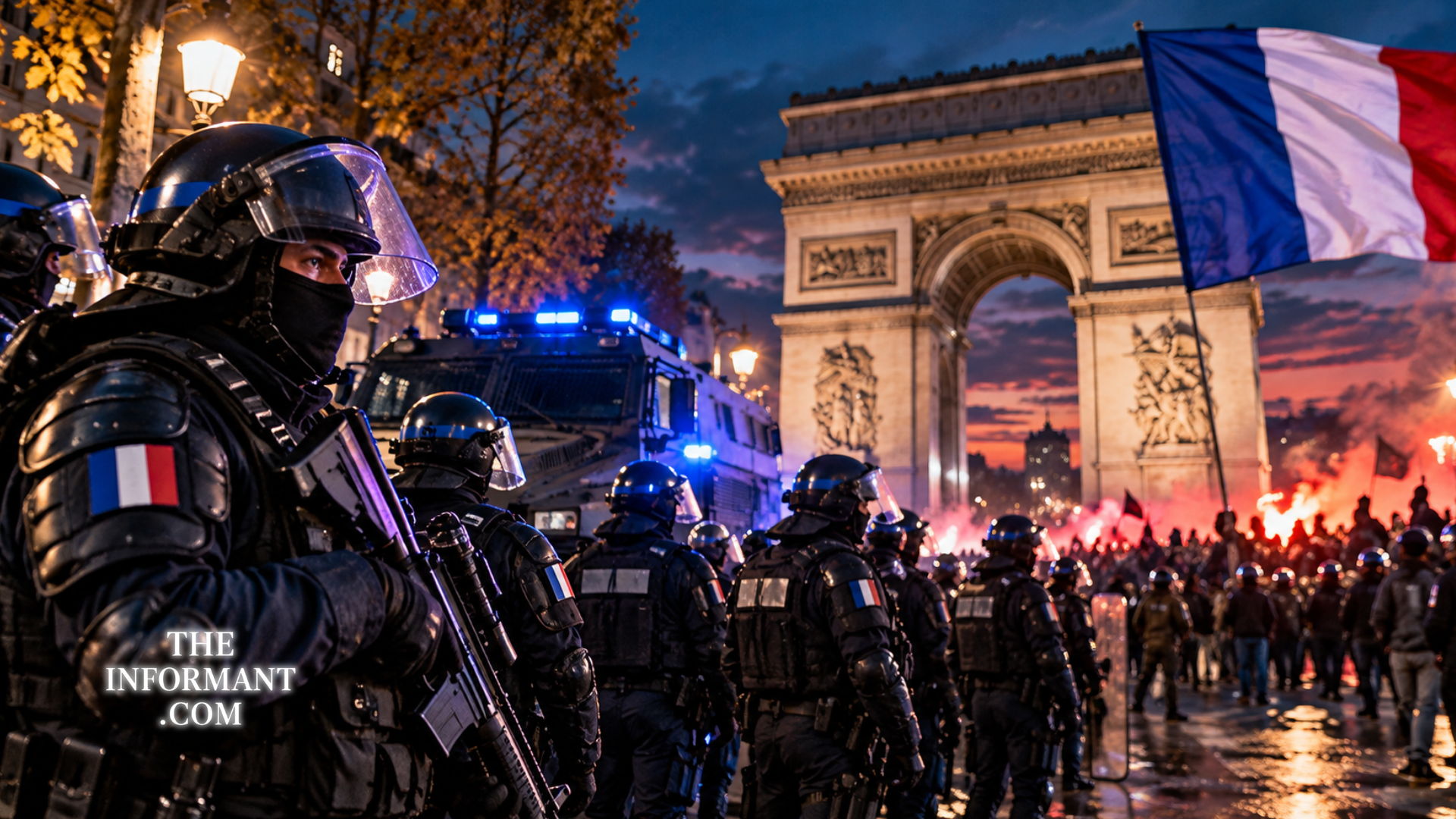
Putin’s comments about readiness for war come against that security backdrop.
Russia has repeatedly criticized NATO’s expansion and military activities near its borders.
NATO maintains that its defensive posture is intended to protect member states and deter aggression.
No direct armed conflict between Russia and NATO was announced following the Nordic leaders’ telephone conversation.
HUMANITARIAN CEASEFIRE DOES NOT END WIDER FIGHTING
The diplomatic discussions also occurred amid a localized humanitarian arrangement around Oleshky in Ukraine’s Kherson region.
According to the Kremlin, the temporary ceasefire was intended to facilitate humanitarian operations and civilian assistance.
The arrangement did not establish a nationwide cessation of hostilities.
Russian and Ukrainian forces continued military operations elsewhere, including long-range attacks affecting civilian areas.
The contrast between limited humanitarian measures and continued fighting illustrates the challenges facing broader peace negotiations.
WHAT HAPPENS NEXT?
Attention will now turn to the planned negotiations in Abu Dhabi and whether Russia, Ukraine and the United States can identify terms for reducing hostilities.
Finland and Norway have indicated that they intend to maintain direct communication with Moscow when necessary.
European governments will also continue debating the role they should play in negotiations involving Ukraine.
Putin’s latest remarks signal both military readiness and an expressed interest in restoring diplomatic ties.
Whether that language leads to concrete measures will depend on future negotiations, changes in military activity and agreements accepted by the parties involved.
For now, the war in Ukraine continues, and no comprehensive settlement has been reached.