TOLEDO, Spain — October 28, 2026. A devastating collision between two high-speed passenger trains in central Spain killed dozens of people and injured many others Wednesday morning, prompting a major emergency response and the suspension of rail services connecting Madrid with southern Spain.
The accident occurred at approximately 8:54 a.m. local time near Urda, in the province of Toledo, when a Renfe AVE train struck the rear of a stationary Iryo train on the Madrid-Seville high-speed railway. Several carriages derailed, with some plunging down an embankment.
DEATH TOLL RISES AS RESCUE OPERATIONS CONTINUE
Authorities in Castilla-La Mancha initially confirmed at least 30 fatalities, but subsequent media reports placed the number of deaths between 46 and 50 or more.
The number of injured passengers also remains under assessment, with reports of dozens of people requiring urgent medical attention and some sources citing as many as 179 injuries.
Regional President Emiliano García-Page warned that the death toll could rise as emergency workers attempted to reach damaged carriages.
Rescue teams continued searching the wreckage, while medical personnel worked to stabilize injured passengers and arrange hospital transfers.
The figures remain preliminary and may change as authorities complete their assessments.
RENFE AVE TRAIN STRIKES STATIONARY IRYO SERVICE
According to Spain’s railway infrastructure administrator, Adif, the collision occurred at kilometer marker 118 of the Madrid-Andalusia high-speed railway.
The accident involved a Renfe AVE train traveling from Madrid toward Seville and an Iryo service that had stopped on the tracks.
Preliminary information indicates that the Renfe train struck the stationary Iryo service from behind.
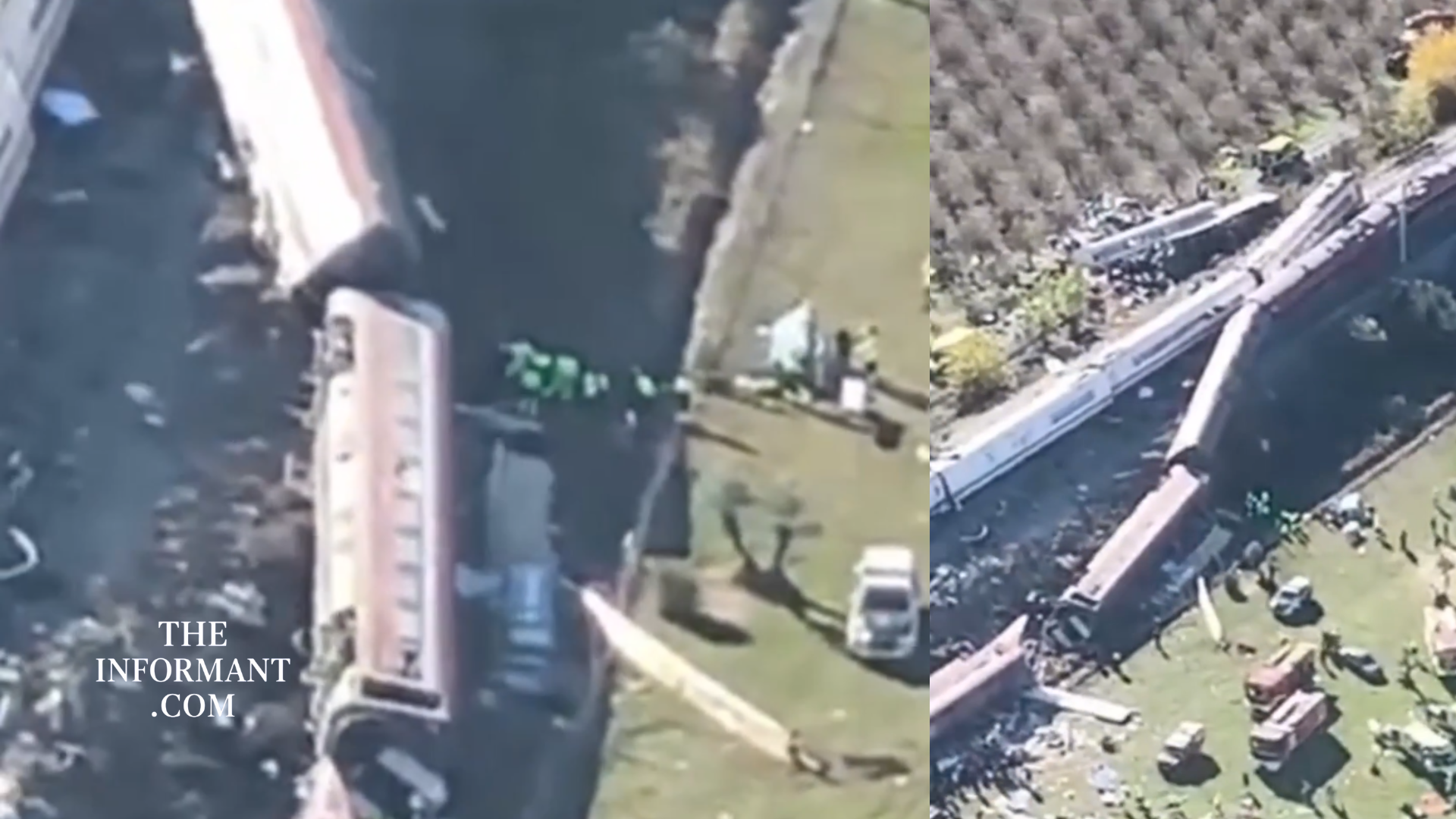
The impact caused several carriages to leave the tracks, with some falling down an embankment near Urda.
The exact sequence of events remains under investigation.
APPROXIMATELY 544 PASSENGERS WERE ON BOARD
The two trains were carrying approximately 544 passengers when the collision occurred.
Initial figures indicated that 397 passengers were aboard the Renfe AVE service, while 147 people were traveling on the Iryo train.
The scale of the accident complicated rescue operations because emergency crews had to reach passengers inside severely damaged railway carriages.
Some survivors were evacuated from the trains and received medical assistance near the accident site.
Authorities established emergency coordination procedures to manage the rescue effort and transport injured passengers to medical facilities.
CARRIAGES DERAIL AND FALL DOWN EMBANKMENT
The force of the collision caused multiple train carriages to derail.
Photographs and videos from the scene showed damaged railway cars, emergency vehicles and rescue personnel working along the elevated rail corridor.
At least two carriages were reported to have fallen down an embankment, creating additional challenges for emergency teams attempting to reach people trapped inside.
The rural location of the accident required responders to coordinate access routes for ambulances, firefighters and specialized rescue equipment.
Authorities continued evaluating the structural condition of the wreckage before carrying out further recovery operations.
INVESTIGATORS EXAMINE POSSIBLE SIGNALING FAILURE
Early reports raised questions about a possible malfunction involving the railway’s LZB signaling and train-control system.
According to preliminary accounts, a signaling problem may have caused several trains in the area to stop before railway traffic controllers authorized some services to resume.
Investigators are examining whether the Renfe train received permission to continue while the Iryo service remained stationary.
However, neither a signaling malfunction nor human error has been established as the definitive cause of the collision.
The investigation will need to examine train-control records, communications between drivers and traffic controllers, signaling equipment and operational procedures.
Authorities have not announced a final determination of responsibility.
MADRID-ANDALUSIA HIGH-SPEED RAIL SERVICE SUSPENDED
Adif suspended high-speed rail traffic on the affected Madrid-Andalusia corridor following the accident.
Trains traveling through the disrupted section were stopped at stations while railway authorities assessed the situation.
The interruption affected services connecting Madrid with destinations in southern Spain.
Adif established assistance points for affected passengers and families at major stations, including Madrid-Puerta de Atocha, Sevilla-Santa Justa, Córdoba-Julio Anguita and Málaga-María Zambrano.
Rail operators also provided information about ticket changes and cancellations for travelers affected by the suspension.
SPANISH GOVERNMENT MOBILIZES EMERGENCY RESPONSE
Emergency services in Castilla-La Mancha deployed firefighters, medical personnel, Civil Guard officers and Civil Protection teams to the accident site.
Regional authorities established medical assistance areas to assess injured passengers and coordinate transfers.
Spanish Prime Minister Pedro Sánchez and other political leaders canceled scheduled activities as the government responded to the disaster.
Regional President García-Page traveled to the area and received updates from emergency personnel.
The priority remained rescuing survivors, identifying victims and providing assistance to their families.
SUPPORT AVAILABLE FOR PASSENGERS AND FAMILIES
Renfe, Iryo and Adif established dedicated telephone lines for people directly affected by the collision.
Renfe’s assistance number is 900 10 10 20, while Iryo established 900 001 403 and Adif provided 900 00 14 02.
Authorities asked members of the public not directly affected by the accident to avoid overwhelming the assistance lines.
Family members seeking information were encouraged to use official channels rather than rely on unverified lists or social media posts.
WHAT HAPPENS NEXT?
Emergency crews will continue recovery operations while investigators examine the circumstances that led to the collision.
Railway authorities must also inspect the damaged infrastructure before determining when service can safely resume.
Officials are expected to release updated casualty figures as hospitals, emergency services and forensic teams complete their assessments.
The investigation will focus on whether signaling systems, traffic-control decisions or other operational factors contributed to the disaster.
For now, Spain faces a major railway tragedy, with dozens of families awaiting information and authorities working to establish the full scale and cause of the accident.