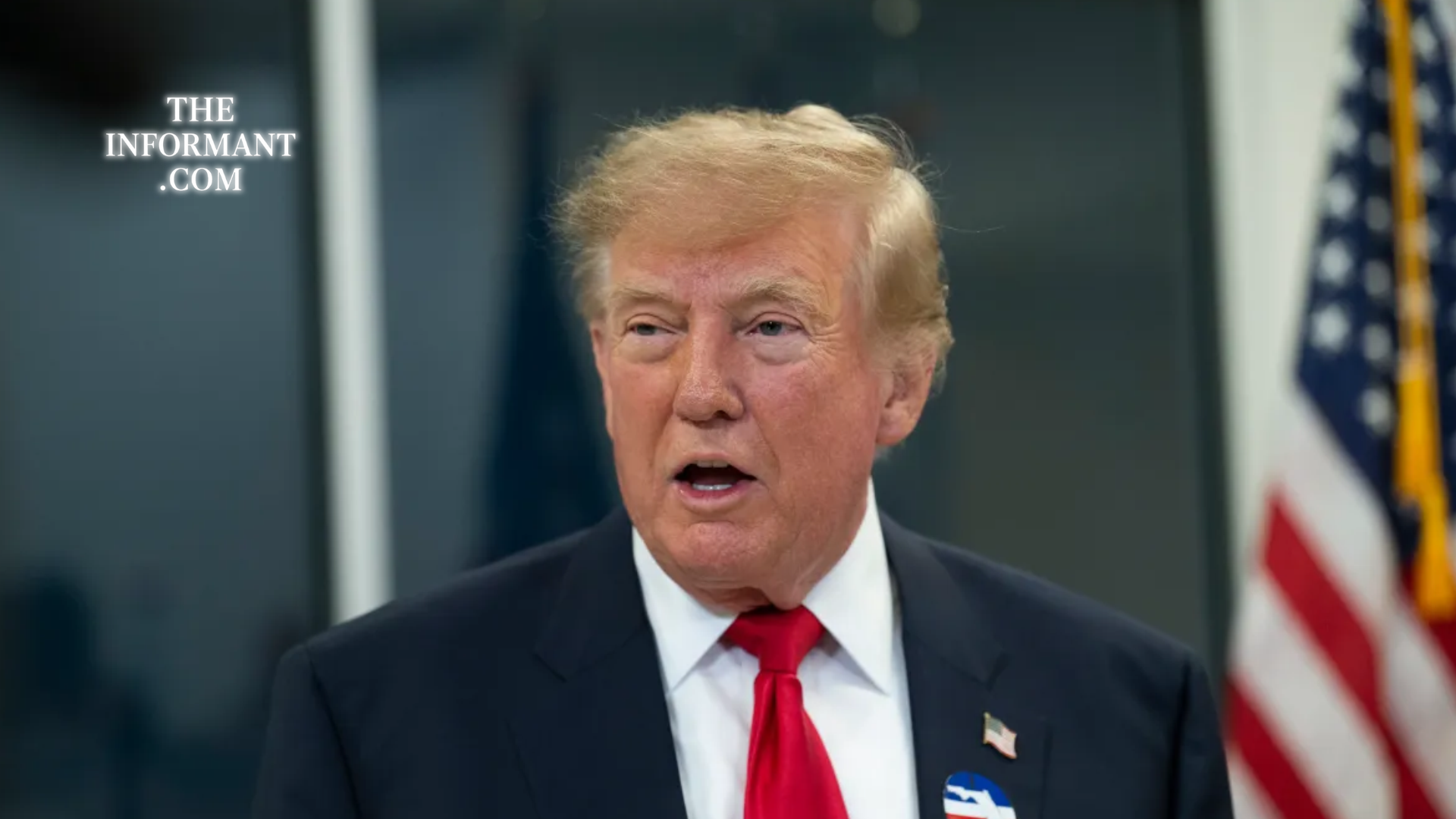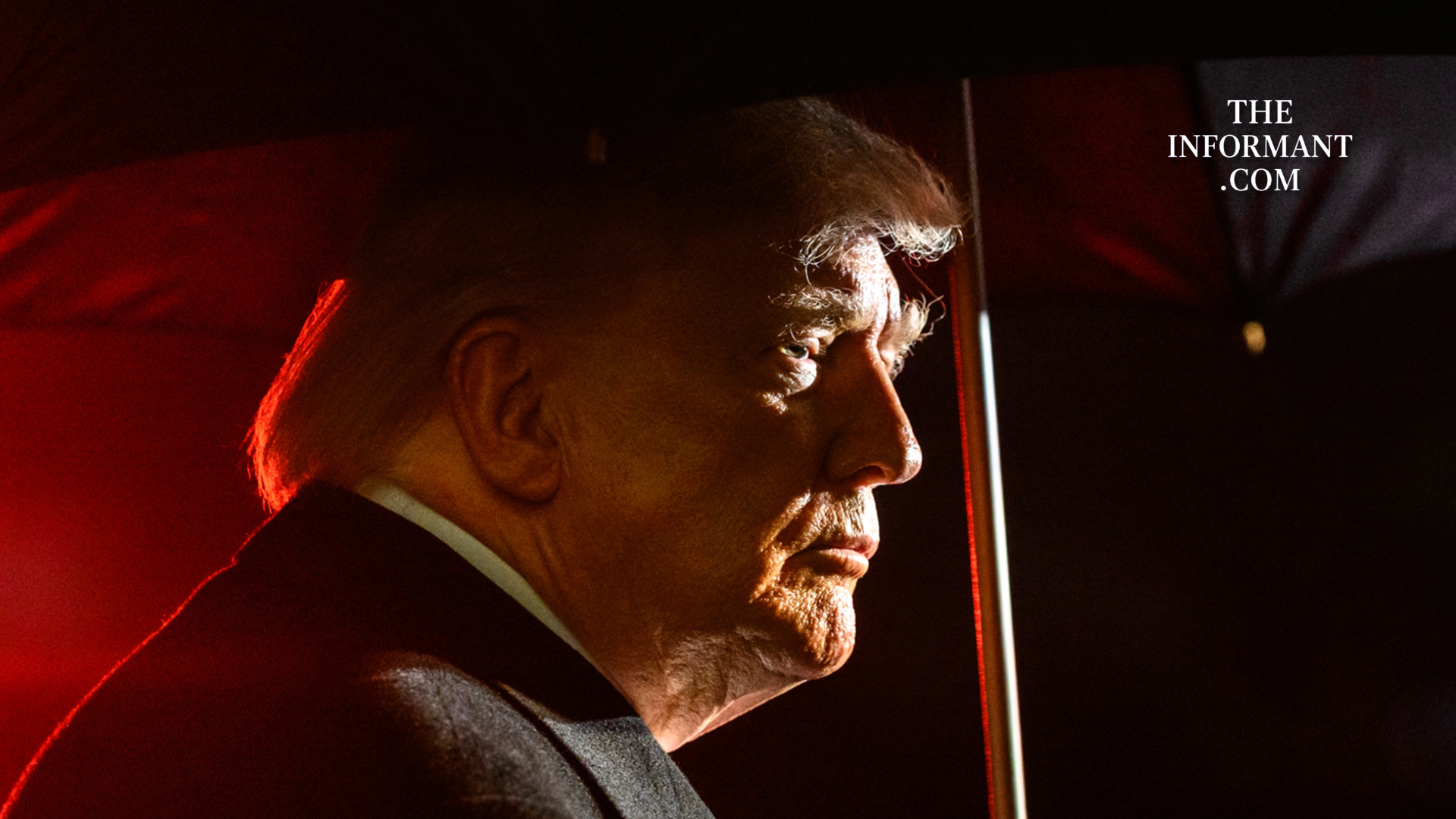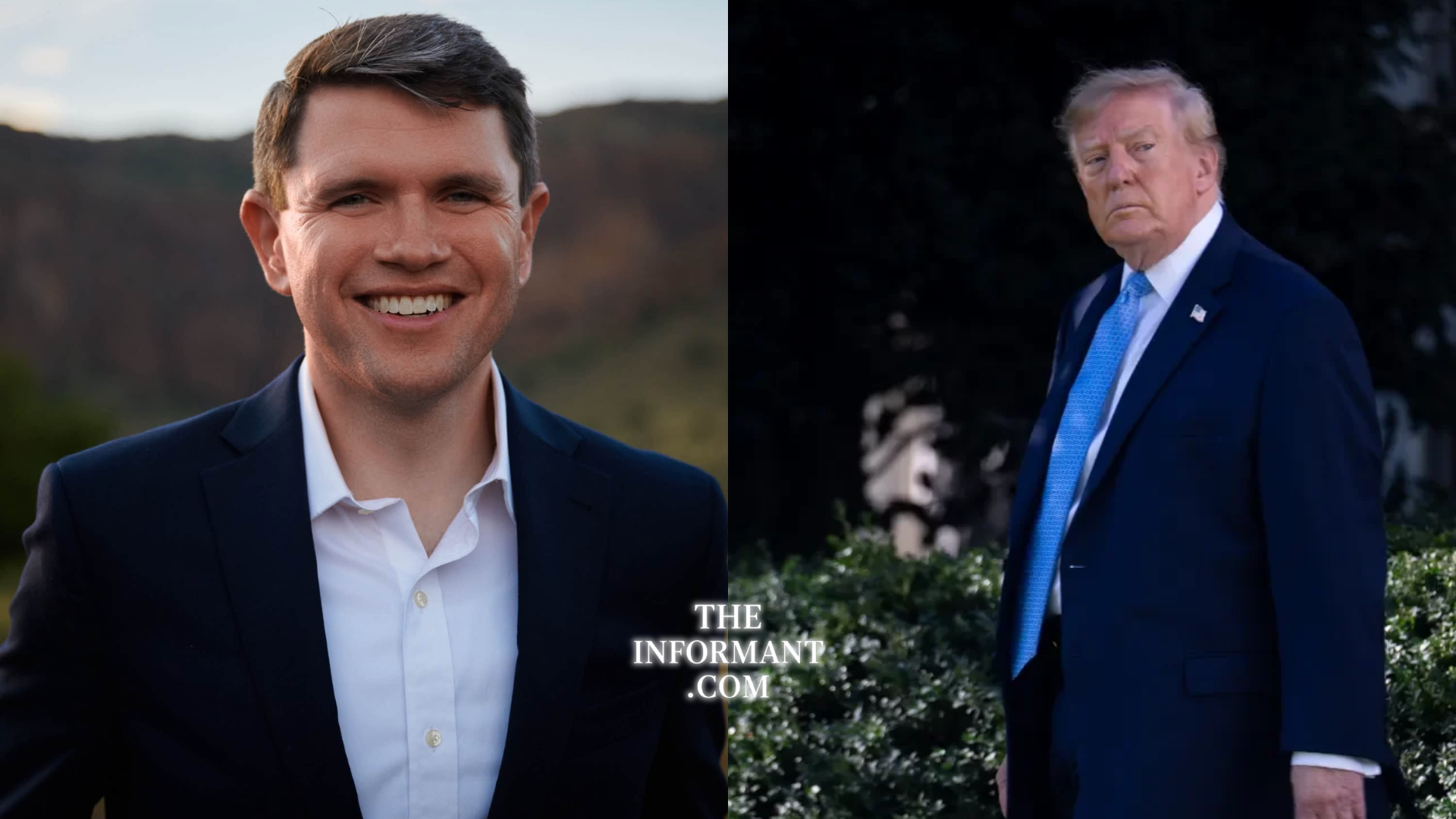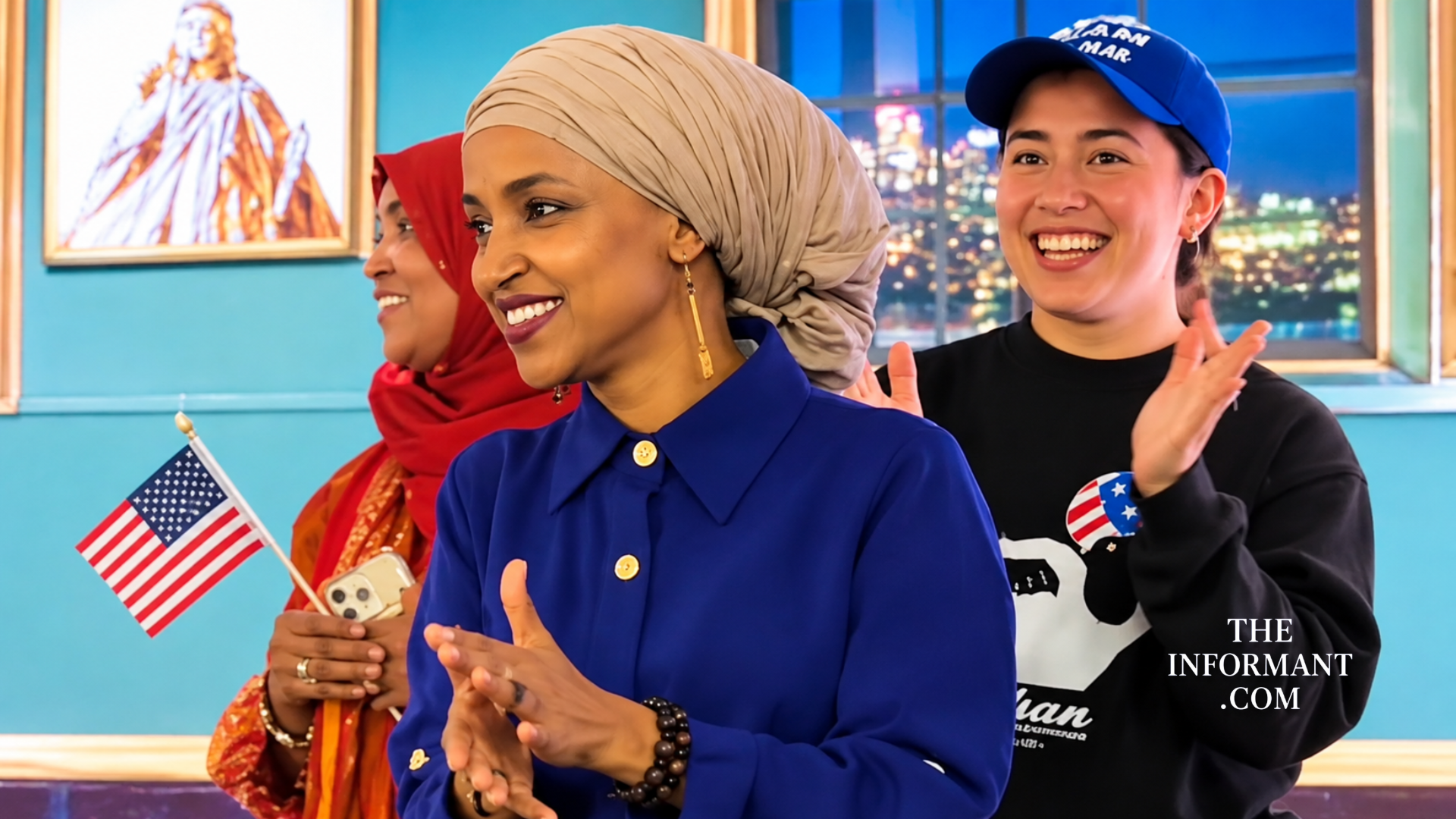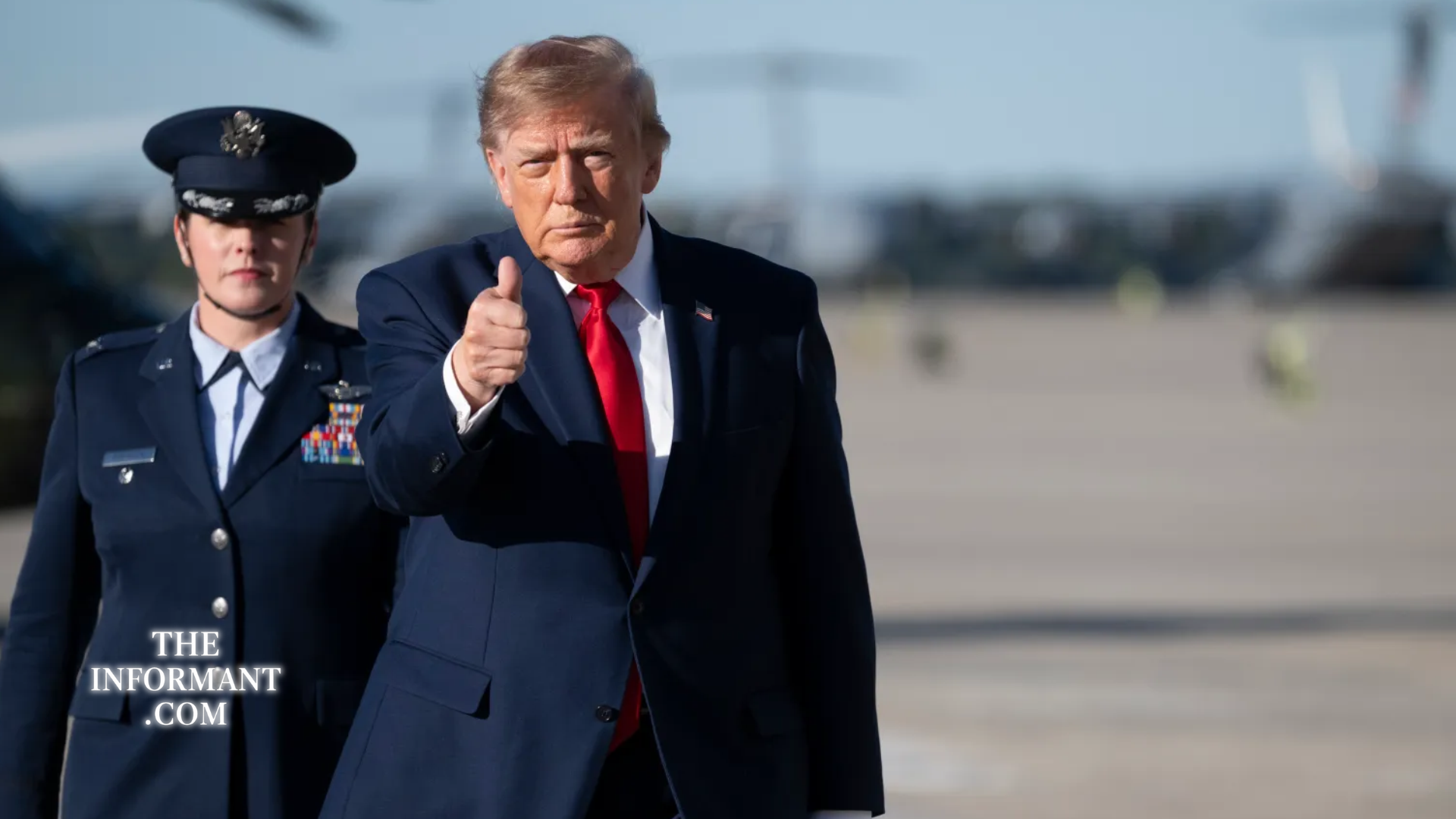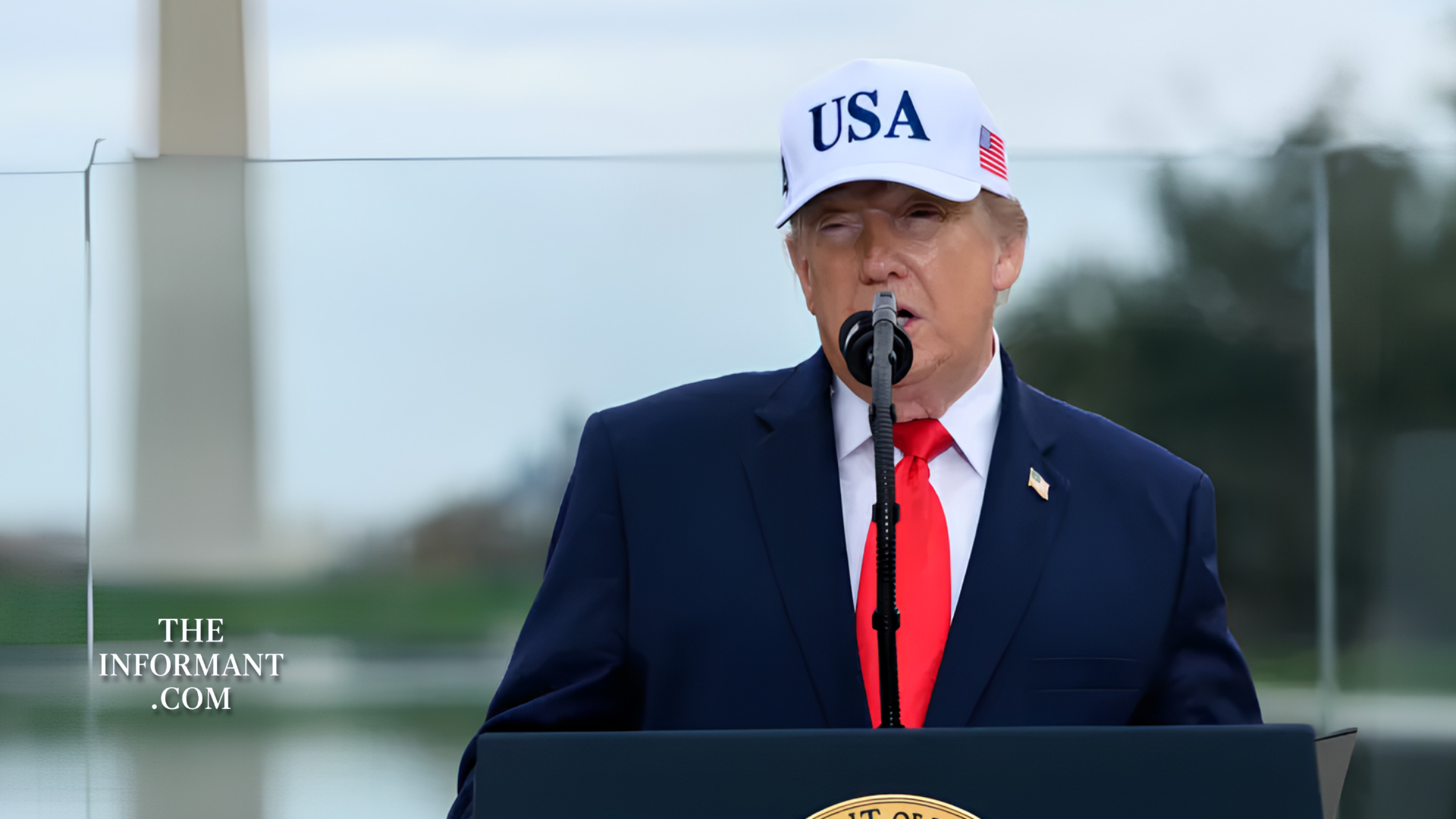
WASHINGTON, D.C. — November 4, 2026. President Donald Trump has signaled that he is willing to work with congressional Democrats on financial policies that could benefit both parties, following an election in which Democrats were projected to take control of the House of Representatives and Senate. His comments suggest the possibility of limited bipartisan cooperation despite significant disagreements over immigration, government spending and other policy priorities.
TRUMP OPENS THE DOOR TO BIPARTISAN NEGOTIATIONS
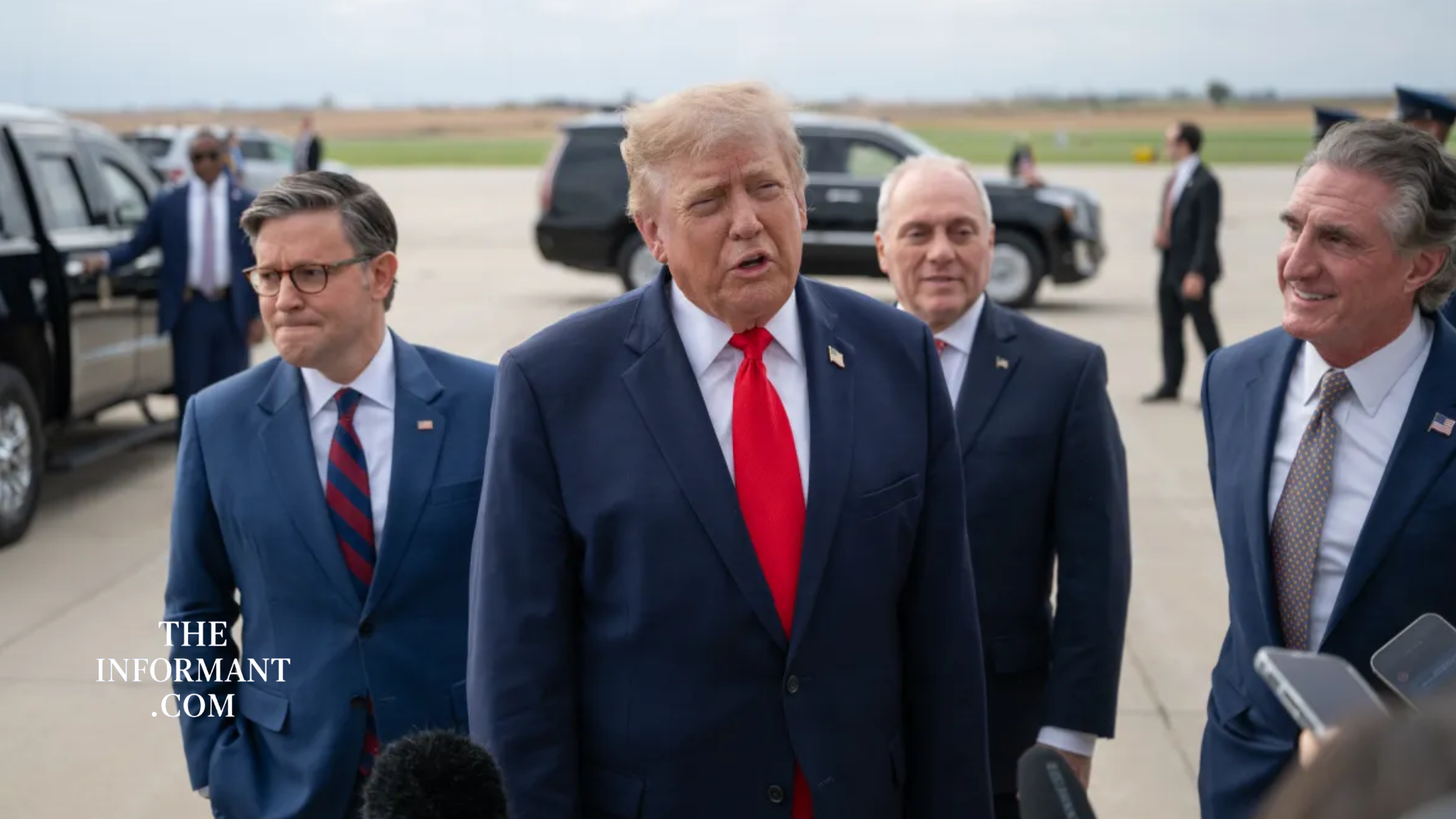
In remarks attributed to the president in election-day financial coverage, Trump suggested that he could cooperate with Democrats on more issues than many observers expect.
The comments come as the administration prepares for a new political environment in Washington following the November 3 midterm elections.
Although Trump has frequently criticized Democratic leaders, his willingness to discuss mutually beneficial financial proposals could create opportunities for negotiations on selected economic issues.
No specific bipartisan agreement has been announced.
🚨 BREAKING: President Trump announces he can work with Senate and House Democrats on FINANCIAL IDEAS "that would be mutually beneficial"
— Eric Daugherty (@EricLDaugh) November 4, 2026
TRUMP: "I can work with them on many more things than people understand."
CNBC: "He's ready to deal."
"The president said he can absolutely… pic.twitter.com/KaveikGIFn
CREDIT CARD INTEREST RATES EMERGE AS POSSIBLE ISSUE
One potential area of cooperation is a proposed cap on credit card interest rates.
Trump previously supported limiting credit card interest rates to 10% for one year, an idea that has also attracted interest from some progressive lawmakers.
In January, Trump and Democratic Senator Elizabeth Warren discussed the issue, demonstrating that the proposal has already generated conversations across party lines.
However, the president has not announced a new agreement or confirmed that he intends to pursue a particular interest-rate cap with the incoming Democratic majority.
Financial institutions and some lawmakers have warned that strict interest-rate limits could reduce access to credit for certain consumers.
DEMOCRATS PREPARE TO TAKE CONTROL OF CONGRESS
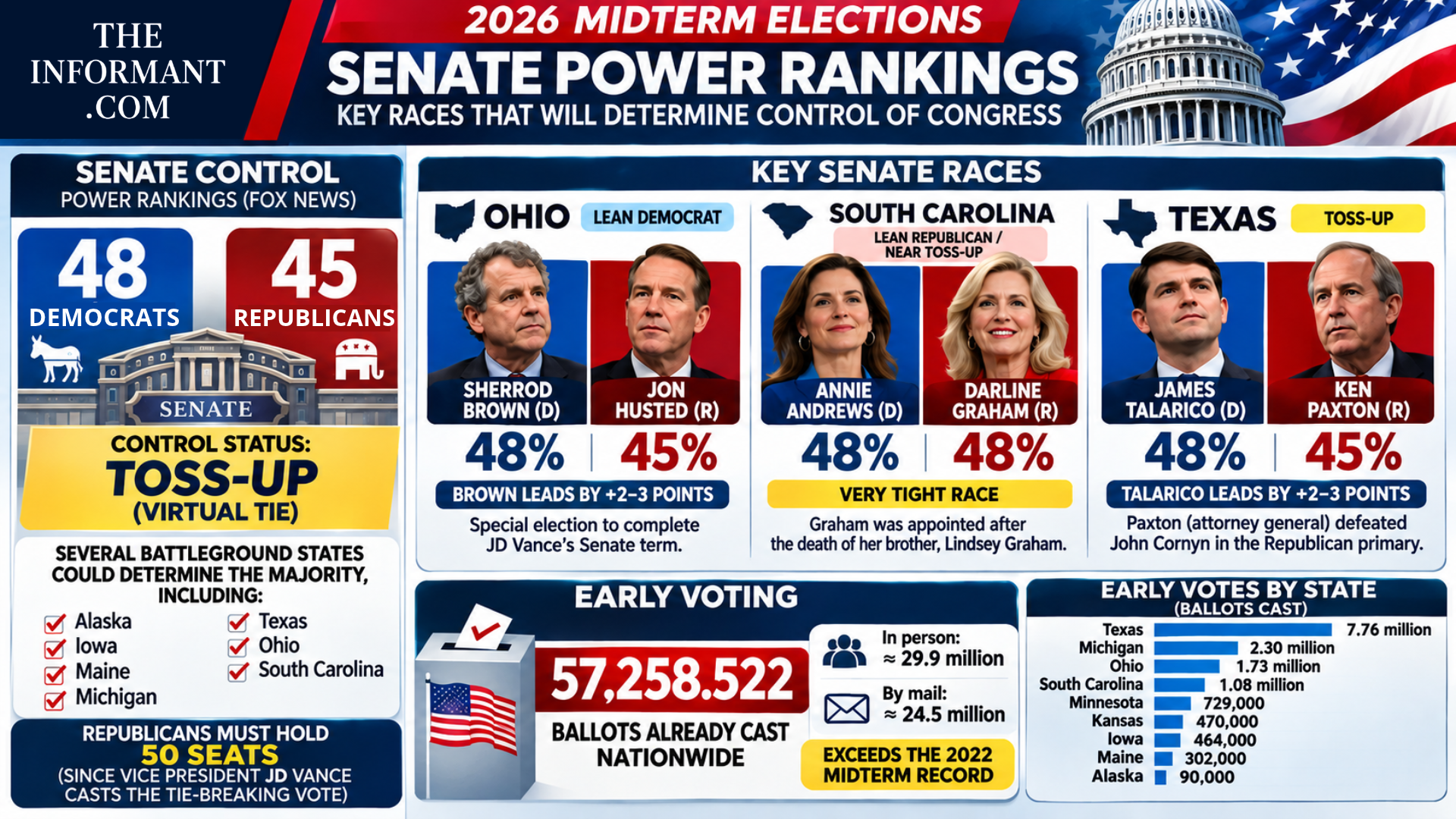
The November 3 elections produced major Democratic gains, with news organizations projecting that the party would gain control of both chambers of Congress.
The results could significantly affect Trump’s legislative agenda during the final two years of his presidency.
A Democratic-controlled House and Senate would be able to advance their own legislative priorities, increase congressional oversight and challenge administration proposals.
However, the exact size of the incoming Senate majority must be established through completed election results rather than early projections.
SENATE RULES COULD SHAPE NEGOTIATIONS
Most legislation in the Senate can face a filibuster, meaning that 60 votes are generally required to invoke cloture and end debate.
If Democrats ultimately hold 56 seats, they would generally need four additional votes to reach that threshold, assuming all 56 support the measure.
That hypothetical calculation should not be confused with a confirmed election result or a guarantee that a bill would pass.
Budget reconciliation legislation follows different procedures and can advance with a simple majority when applicable requirements are met.
PRESIDENTIAL VETO REMAINS A MAJOR FACTOR
Even with Democratic majorities in Congress, Trump would retain the constitutional authority to veto legislation.
Overriding a presidential veto requires a two-thirds vote in both the House and Senate, provided the necessary members are present and voting.
In a fully voting 100-member Senate, that would require 67 votes.
The president’s veto authority means bipartisan negotiations could become necessary for major legislation opposed by the White House.
A NEW POLITICAL TEST FOR WASHINGTON
Trump’s remarks suggest that economic affordability could become one area of negotiation between the White House and congressional Democrats.
Nevertheless, disagreements over immigration, border enforcement and federal spending remain substantial.
Whether the two sides can translate political statements into legislation will depend on specific proposals, congressional negotiations and the willingness of both parties to compromise.