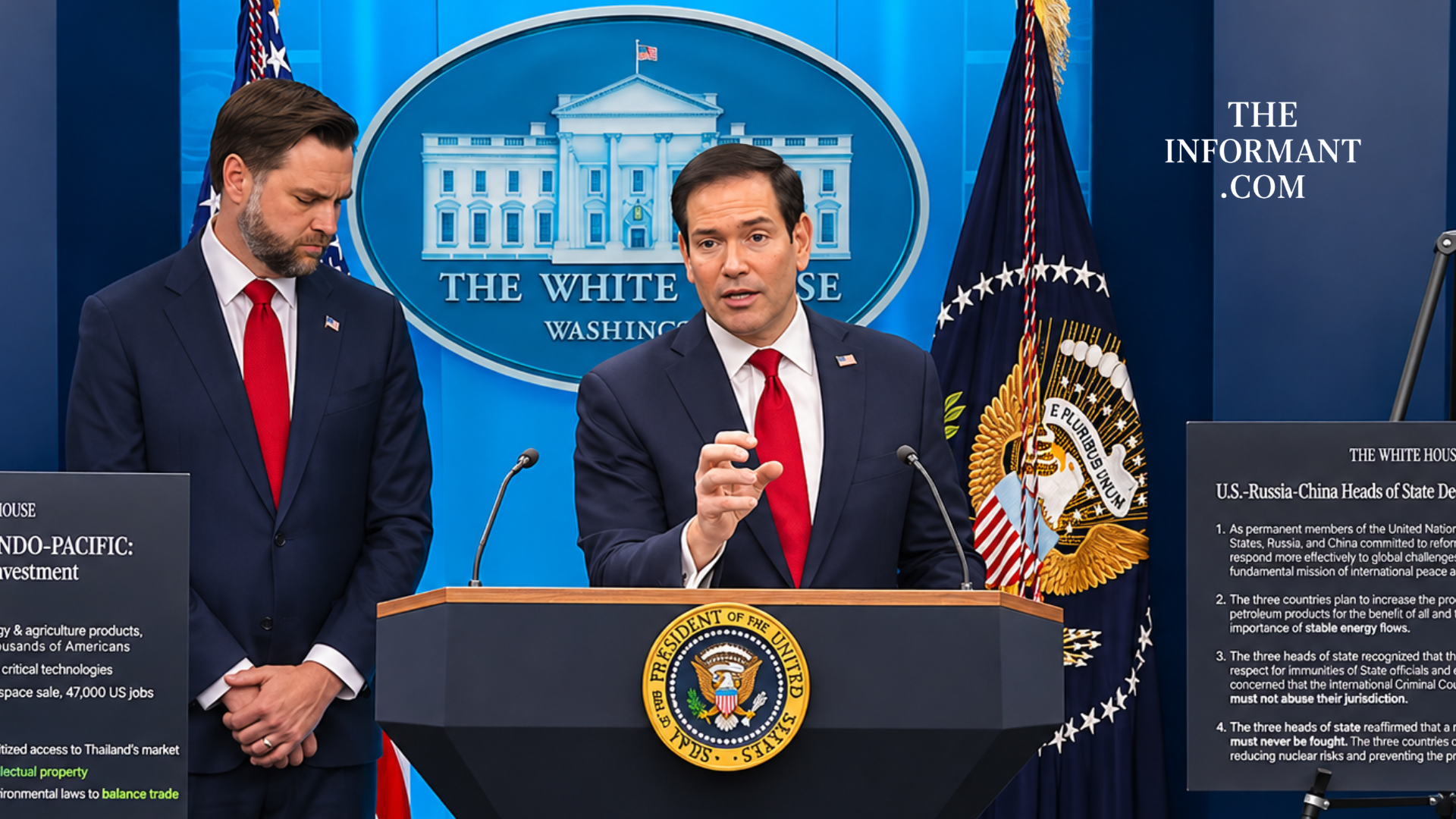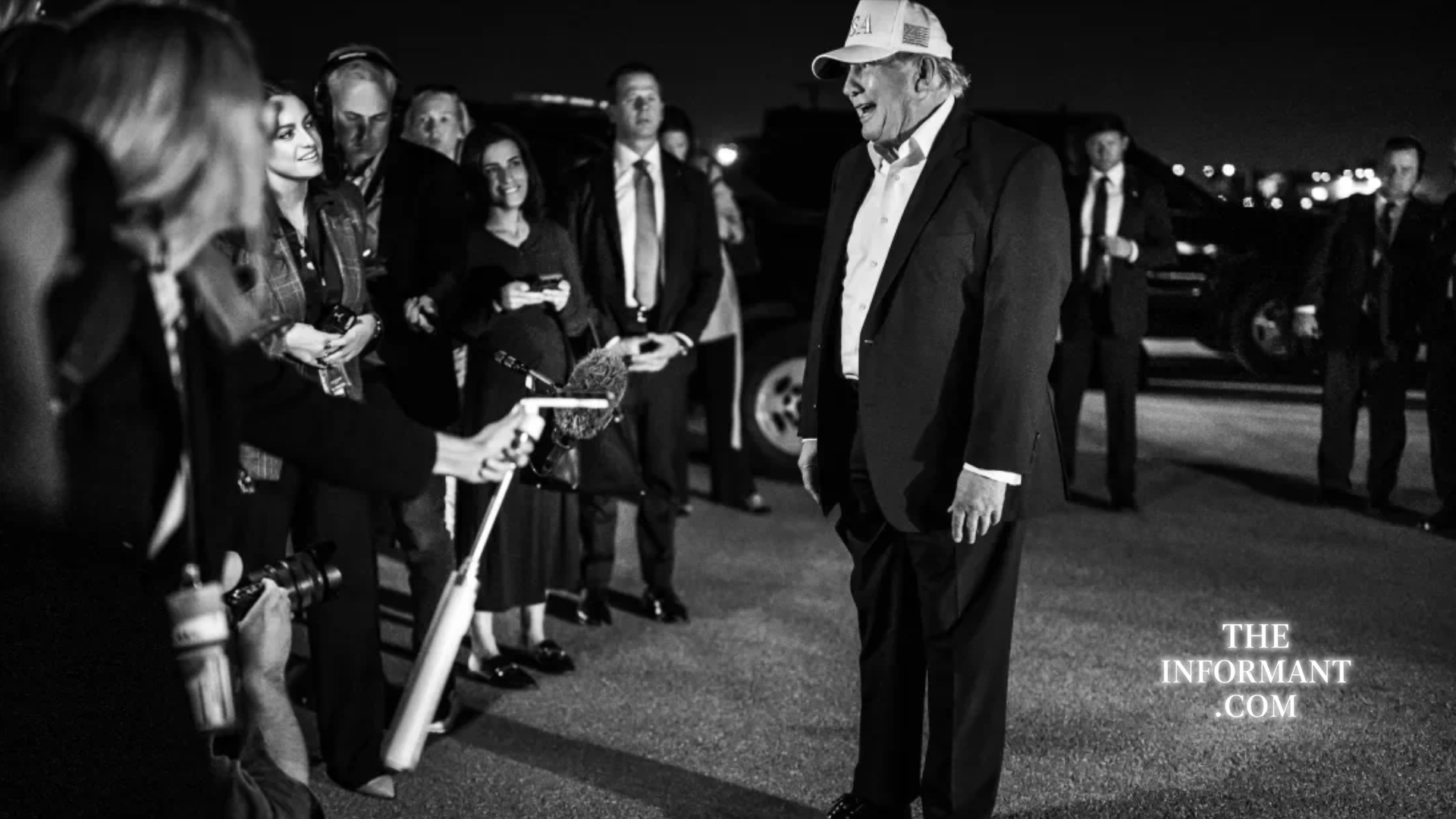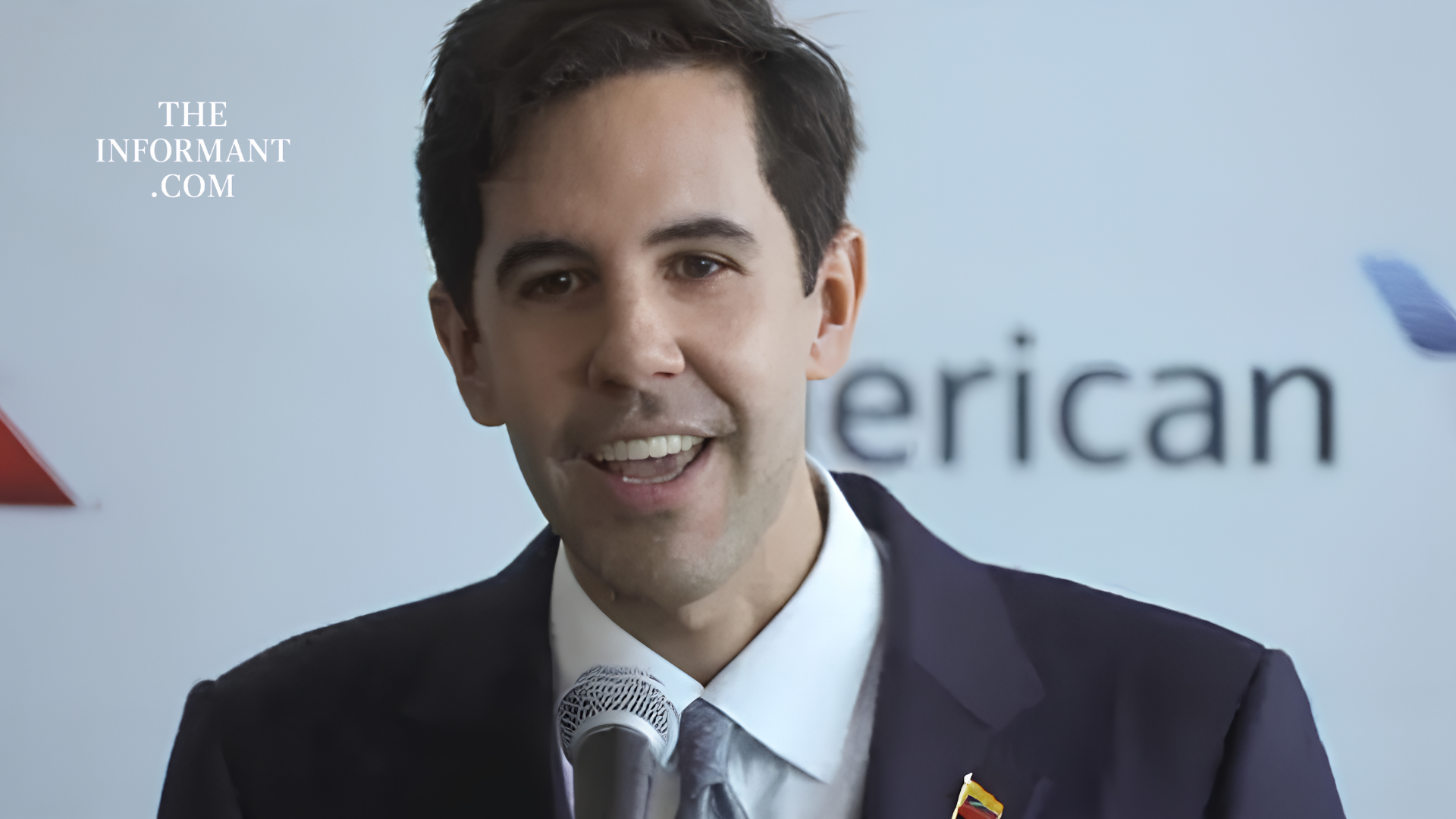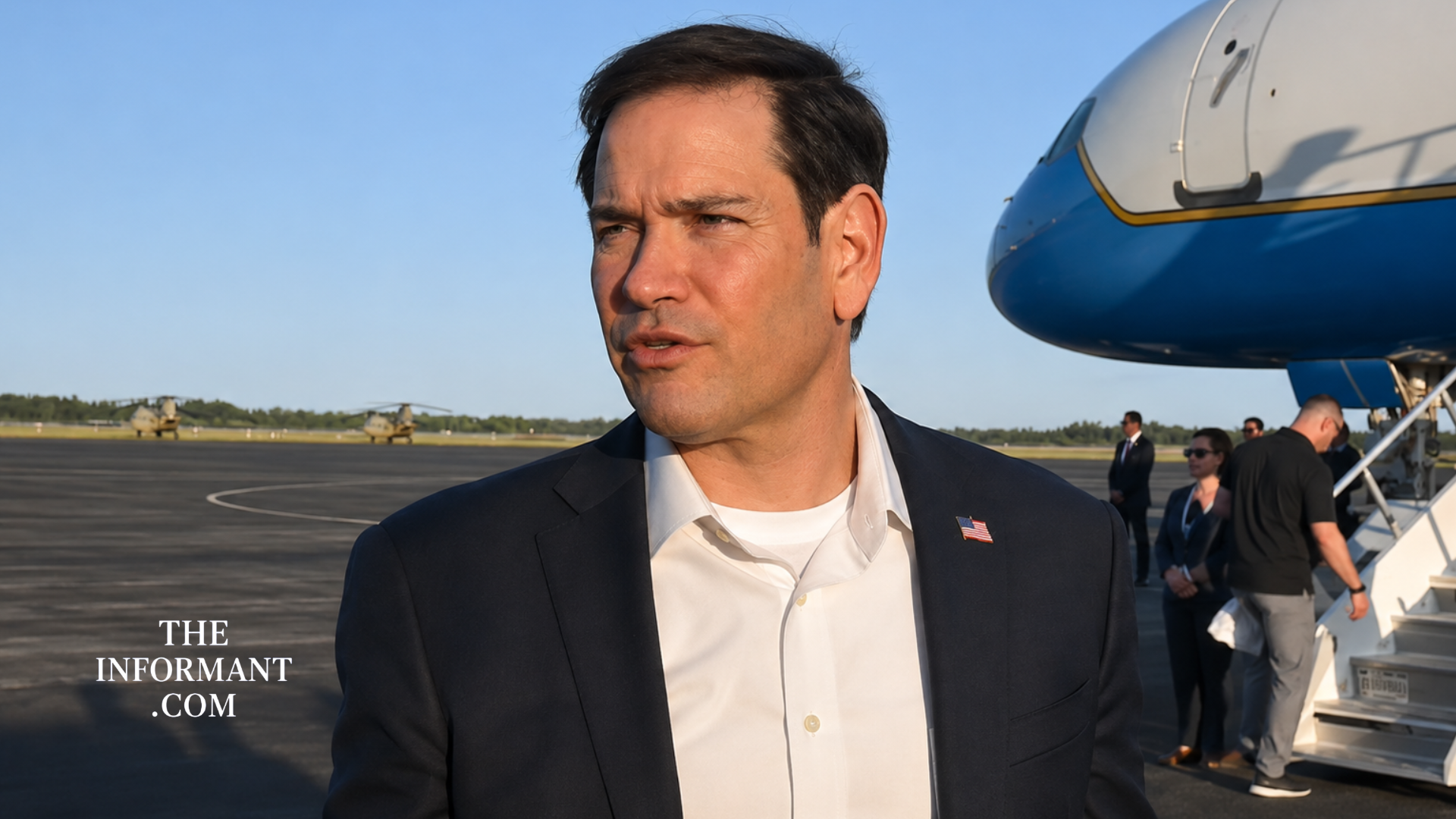
HOMESTEAD, FLORIDA — November 9, 2026. U.S. Secretary of State Marco Rubio defended President Donald Trump’s decision to launch military operations against Iran, arguing that national security decisions are not always popular but can still be necessary. Speaking to reporters at Homestead Air Reserve Base on Sunday, November 8, Rubio said the president had confronted a longstanding nuclear threat that previous administrations had failed to resolve.
RUBIO DEFENDS TRUMP’S DECISION ON IRAN
Rubio made the remarks shortly before departing Florida for a Group of Seven foreign ministers’ meeting in Paris.
The secretary of state argued that Trump had identified what the administration considers a serious threat from Iran’s nuclear ambitions and acted to address it.
He emphasized that presidents are responsible for confronting difficult national security challenges, even when their decisions generate public opposition.
Rubio described preventing Iran from obtaining a nuclear weapon as an objective that should command broad political support in the United States.
His comments represented a defense of the administration’s military policy, rather than an independent assessment of the campaign’s results.
SECRETARY RUBIO: I think the president took on something that other presidents have failed to do. Sometimes, when you do the right thing, you don't know whether it's popular or not, but it's still the right thing to do. Presidents are elected to take on the hard things, sometimes… pic.twitter.com/Ps5pAGhnFi
— Department of State (@StateDept) November 8, 2026
EIGHT MONTHS OF WAR AND GROWING ECONOMIC PRESSURE
The United States and Israel launched a military campaign against Iran in late February 2026, beginning a conflict that has continued for more than eight months.
The administration has presented the operation as an effort to prevent Iran from acquiring nuclear weapons and to reduce threats posed by its military capabilities.
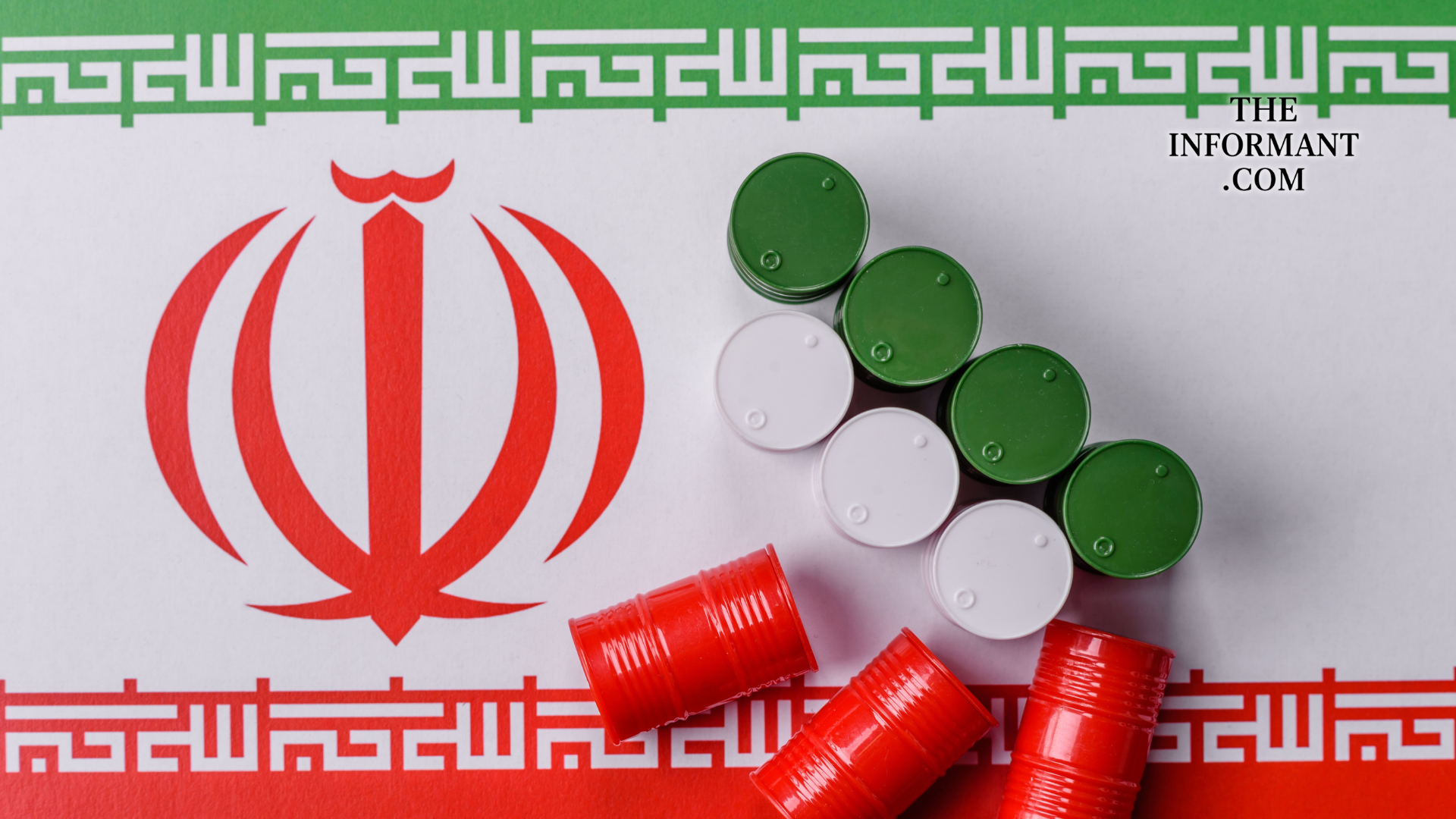
The fighting has disrupted energy shipments through the Strait of Hormuz, a strategically important maritime route connecting Persian Gulf producers with global markets.
Higher energy prices have contributed to economic pressure in the United States and other countries.
The conflict has also raised questions about the humanitarian consequences of the fighting, the security of regional shipping and the prospects for a negotiated settlement.
MIDTERM ELECTION RESULTS INTENSIFY DEBATE
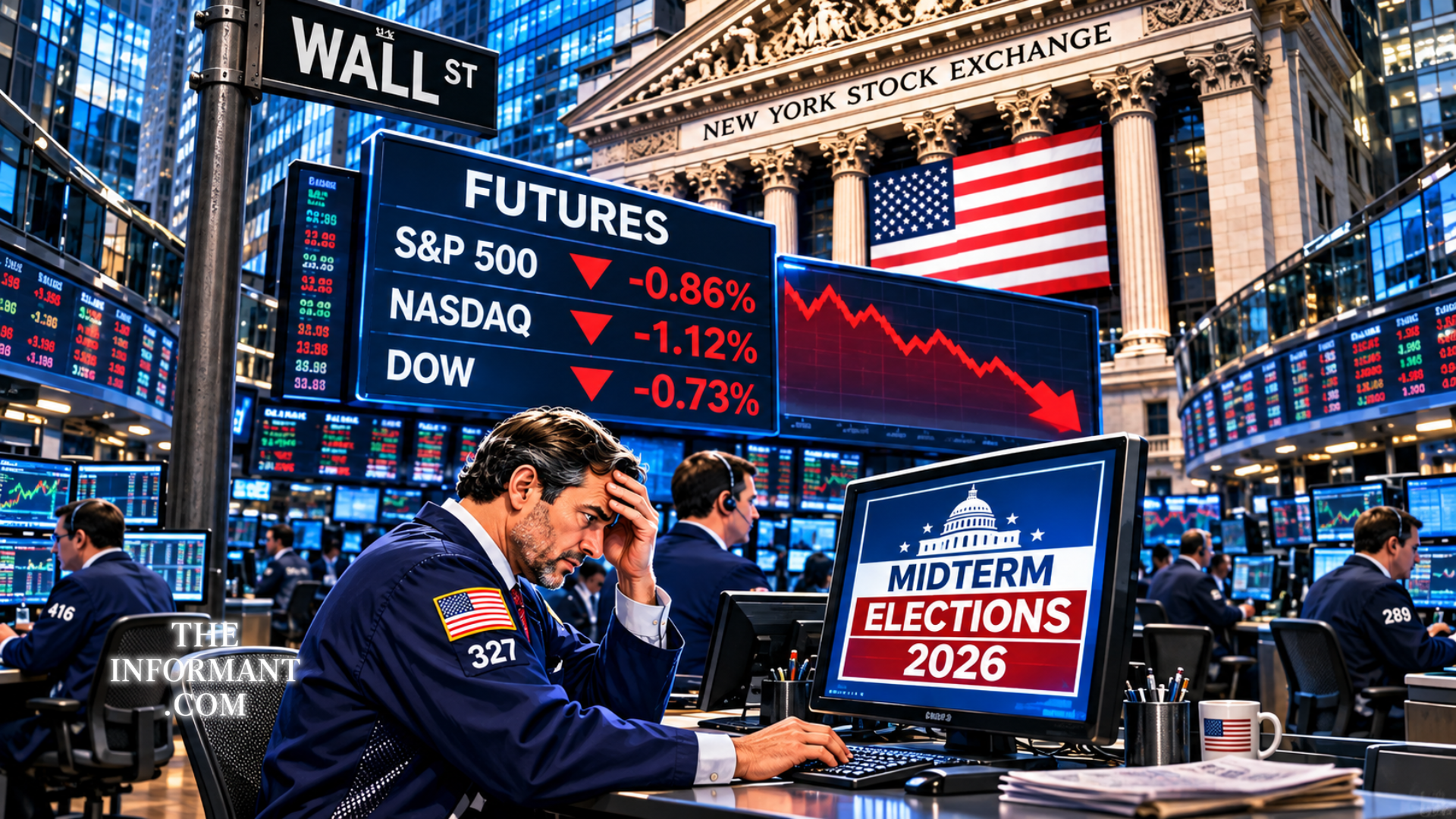
Rubio’s comments followed the November 3 U.S. midterm elections, in which Democrats won control of both chambers of Congress.
The war and its economic consequences became major issues during the campaign.
Vice President JD Vance publicly argued that the conflict contributed to Republican electoral losses.
Asked about Vance’s remarks, Rubio declined to assess the election results directly, explaining that he generally avoids domestic political commentary in his role as secretary of state.
Instead, he defended the president’s decision on national security grounds.
The distinction highlighted differing emphases within the administration: Rubio focused on the stated security rationale, while Vance addressed the political consequences.
DIPLOMATIC NEGOTIATIONS REMAIN STALLED
Rubio acknowledged that negotiations aimed at ending the conflict have not produced a breakthrough.
He said the administration continues to prefer a diplomatic resolution but considers several Iranian demands unacceptable or unrealistic.
Disputed issues include sanctions, the U.S. maritime blockade, Iranian assets and broader regional security arrangements.
Tehran has sought relief from economic and military pressure as part of negotiations.
The United States has maintained that any agreement must address the security concerns that prompted its military campaign.
Despite ongoing contacts through regional intermediaries, the parties remain divided over the conditions necessary for a lasting settlement.
TENSIONS CONTINUE AROUND THE STRAIT OF HORMUZ
The Strait of Hormuz remains a central point of concern because of its importance to international oil and gas shipments.
The United States has maintained a maritime blockade affecting Iranian ports, while military incidents have continued in the region.
Asked about recent strikes near Iran’s Qeshm Island, Rubio said U.S. forces would respond to threats against American personnel and commercial shipping.
He characterized such actions as defensive measures.
Iranian authorities have challenged U.S. military operations and the blockade, while negotiations continue over possible arrangements to reduce hostilities.
RUBIO HEADS TO PARIS FOR G7 TALKS
Rubio traveled to France for meetings with foreign ministers from Canada, France, Germany, Italy, Japan and the United Kingdom.
The gathering is expected to address the Iran conflict, the war in Ukraine, international energy security and emerging technologies.
European governments are also evaluating how the U.S. midterm results could affect Washington’s foreign policy during the remainder of Trump’s presidency.
Rubio indicated that the administration would continue engaging with allies despite domestic political changes.
The discussions offer an opportunity for the United States to explain its approach to Iran and assess diplomatic options with major international partners.
WHAT HAPPENS NEXT?
The administration faces pressure to clarify how the conflict could end, what conditions would make an agreement acceptable and how it intends to address the economic consequences.
The incoming Democratic-controlled Congress is expected to intensify scrutiny of the war, including its costs, military objectives and legal oversight.
For now, Rubio’s message remains that the administration considers its actions against Iran necessary, regardless of their political popularity.
Whether the military campaign ultimately produces a durable security arrangement or a negotiated settlement remains unresolved.