SHENZHEN, CHINA — November 19, 2026.
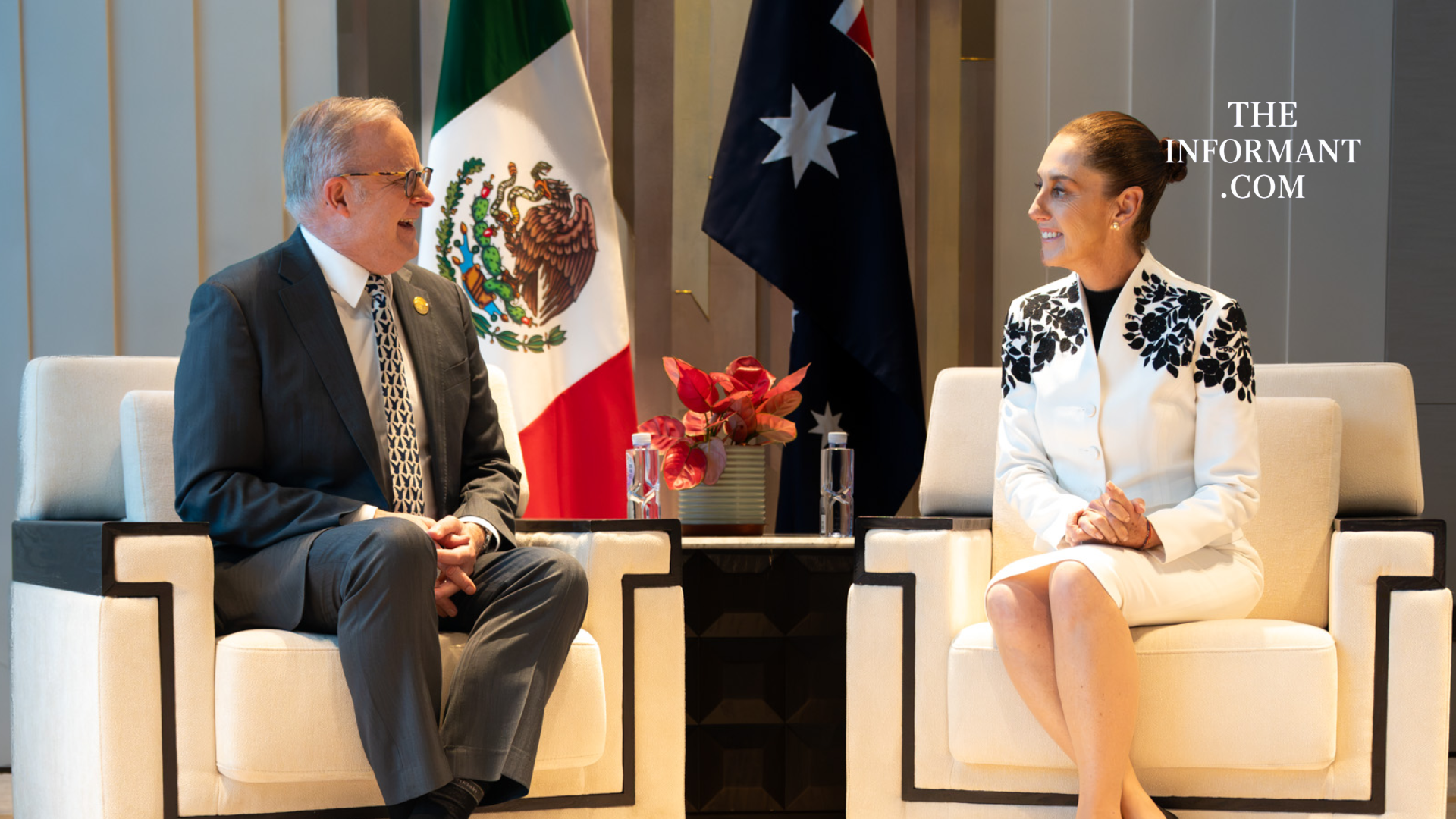
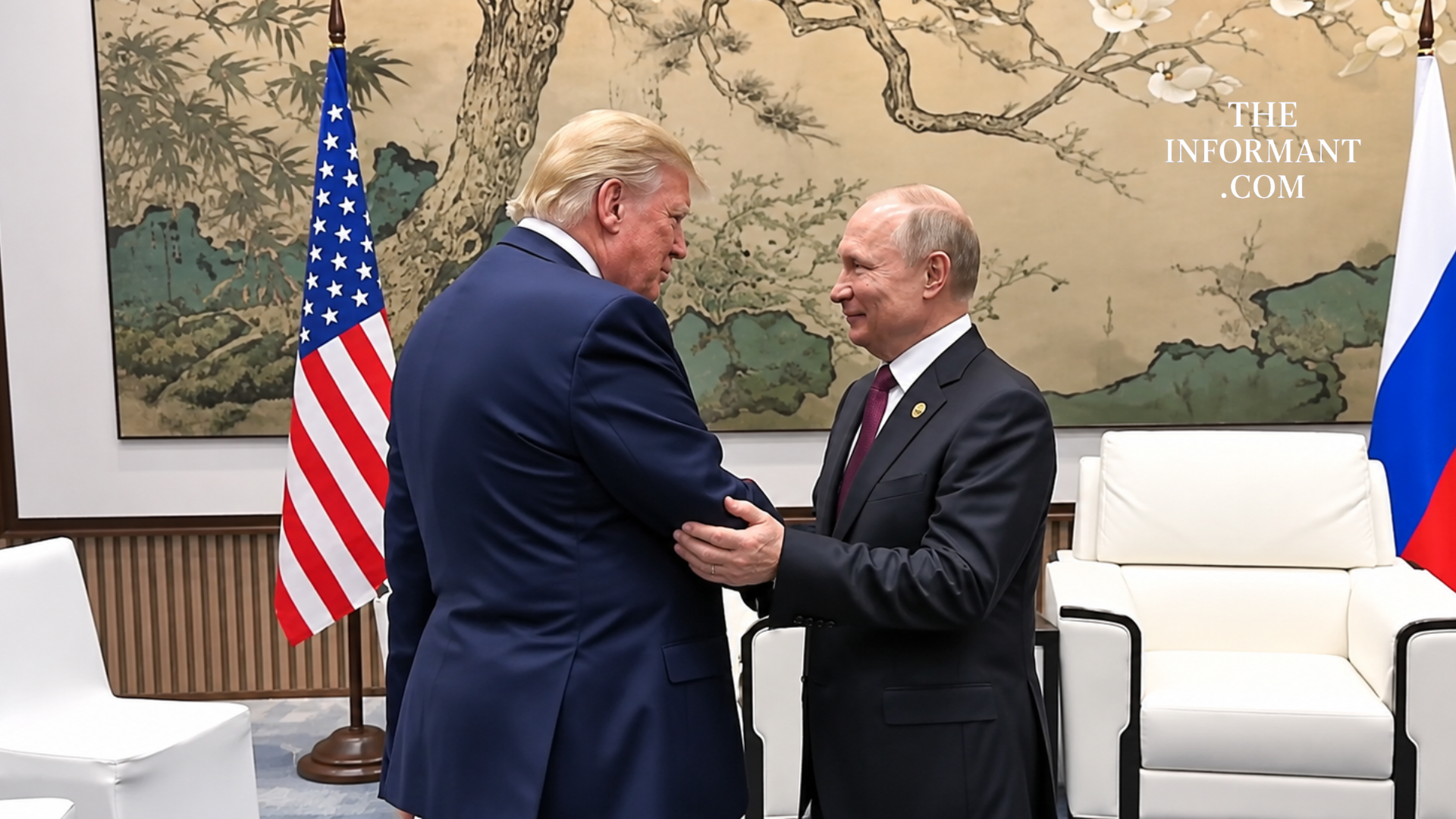
🇺🇸🇨🇳🇷🇺 U.S. President Donald J. Trump, Chinese President Xi Jinping and Russian President Vladimir Putin held their first-ever formal trilateral summit Thursday in Shenzhen, China, marking an unprecedented diplomatic encounter among the leaders of three major nuclear powers.
The meeting took place at Kylin Villa, on the sidelines of the Asia-Pacific Economic Cooperation (APEC) summit, and concluded with a four-point joint declaration addressing nuclear security, United Nations reform, global energy supplies and international judicial jurisdiction.
TRUMP CALLS THE FIRST TRILATERAL MEETING AN HONOR
🎙️ During the opening session, Trump welcomed the opportunity to meet jointly with Xi and Putin, describing the gathering as an important moment for international diplomacy.
The American president thanked Xi for hosting the meeting and expressed hope that direct discussions could help the three governments make progress despite their differences.
Trump also emphasized the responsibilities shared by Washington, Beijing and Moscow in addressing major global challenges.
His remarks reflected the administration’s stated preference for direct engagement with other major powers, although the meeting’s significance ultimately depends on the implementation of any agreements reached.
XI CALLS FOR COOPERATION AMONG MAJOR POWERS
🇨🇳 Xi Jinping opened the meeting by emphasizing the importance of peaceful coexistence and constructive relations among the three countries.
The Chinese leader argued that major powers have a particular responsibility to contribute to international stability and address common security challenges.
Xi also highlighted the need for cooperation in a world facing geopolitical tensions, economic uncertainty and growing concerns over nuclear weapons.
The summit provided China with an opportunity to host discussions involving both Washington and Moscow during its chairmanship of APEC 2026.
.@POTUS: "Today marks the first-ever trilateral meeting between our countries… It's an honor for me to be with you, and let's see if we can get something done." pic.twitter.com/HKoElWYiuK
— Rapid Response 47 (@RapidResponse47) November 19, 2026
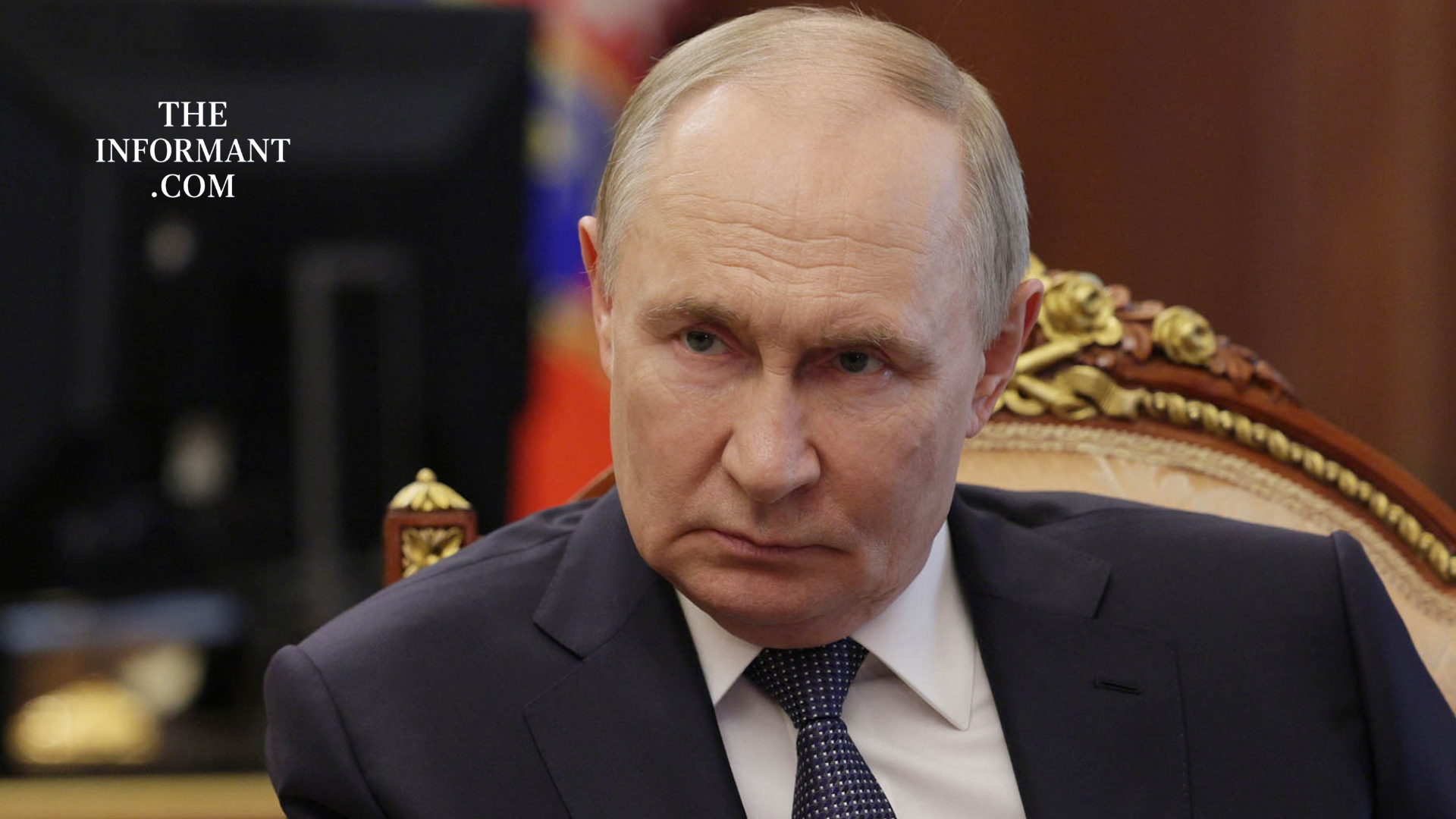
PUTIN EMPHASIZES SHARED SECURITY INTERESTS
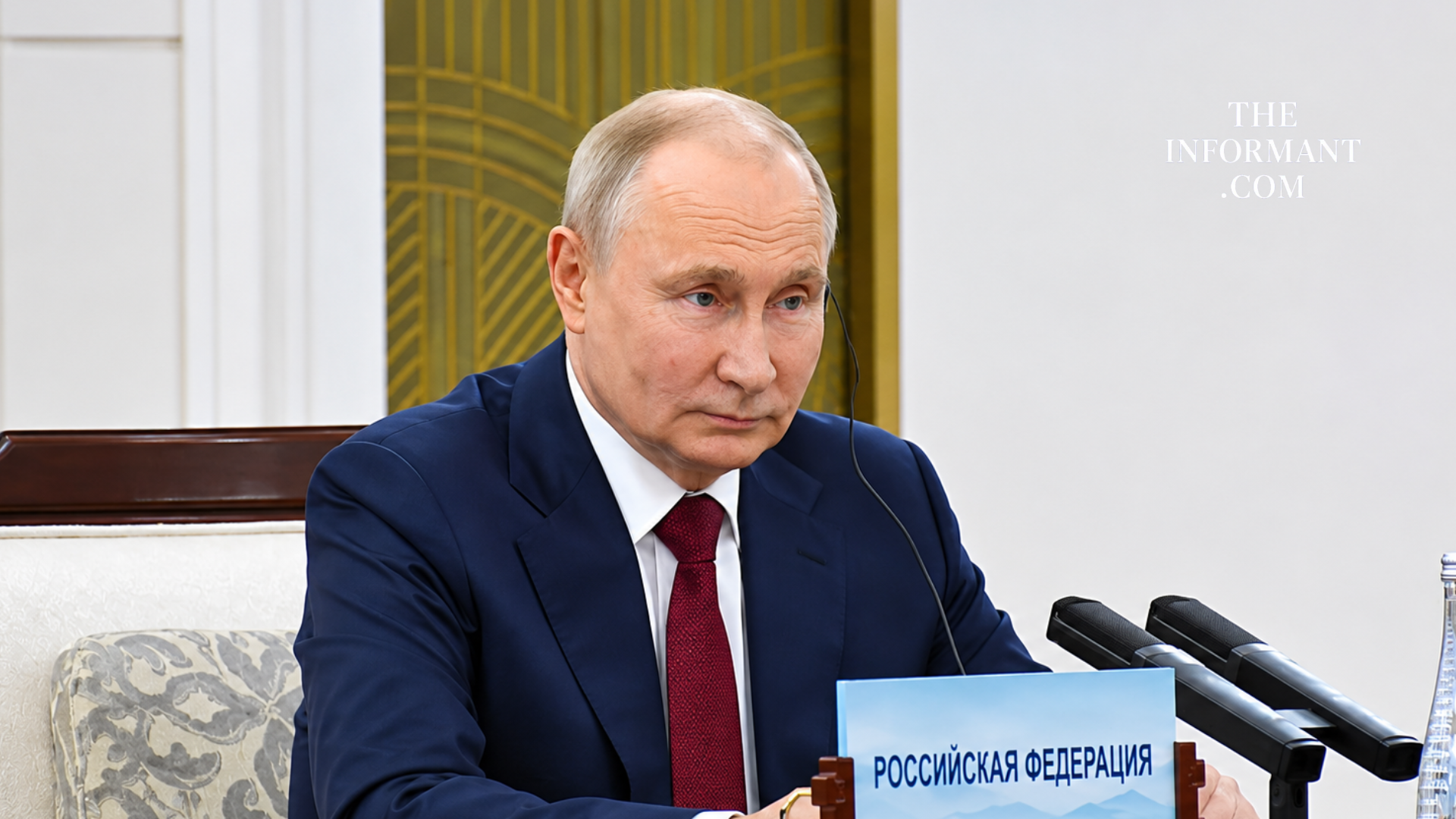
🇷🇺 Russian President Vladimir Putin thanked China for organizing the summit and described cooperation among the three countries as potentially important for international peace.
Putin referred to common interests in confronting international terrorism, transnational organized crime and other security threats.
The Russian leader said cooperation should be based on mutual respect, equality and a balance of national interests.
His participation came as Russia’s war in Ukraine continued to shape Moscow’s relations with Western governments.
LEADERS HOLD APPROXIMATELY 80 MINUTES OF TALKS
🌎 The trilateral meeting began at approximately 4:30 p.m. local time and concluded around 5:50 p.m., according to international reporting.
The gathering followed separate diplomatic discussions between Trump and Xi, as well as contacts involving Trump and Putin during the summit.
The three presidents discussed international security and strategic stability against the backdrop of the war in Ukraine, tensions in the Middle East and disagreements over nuclear arms control.
Following the closed-door session, the three governments released a document titled the U.S.-Russia-China Heads of State Declaration toward Peace.
THREE COUNTRIES ISSUE FOUR-POINT DECLARATION
📄 The declaration established four areas of cooperation.
First, the United States, Russia and China committed to pursuing reforms at the United Nations to improve its ability to respond to international challenges and maintain peace and security.
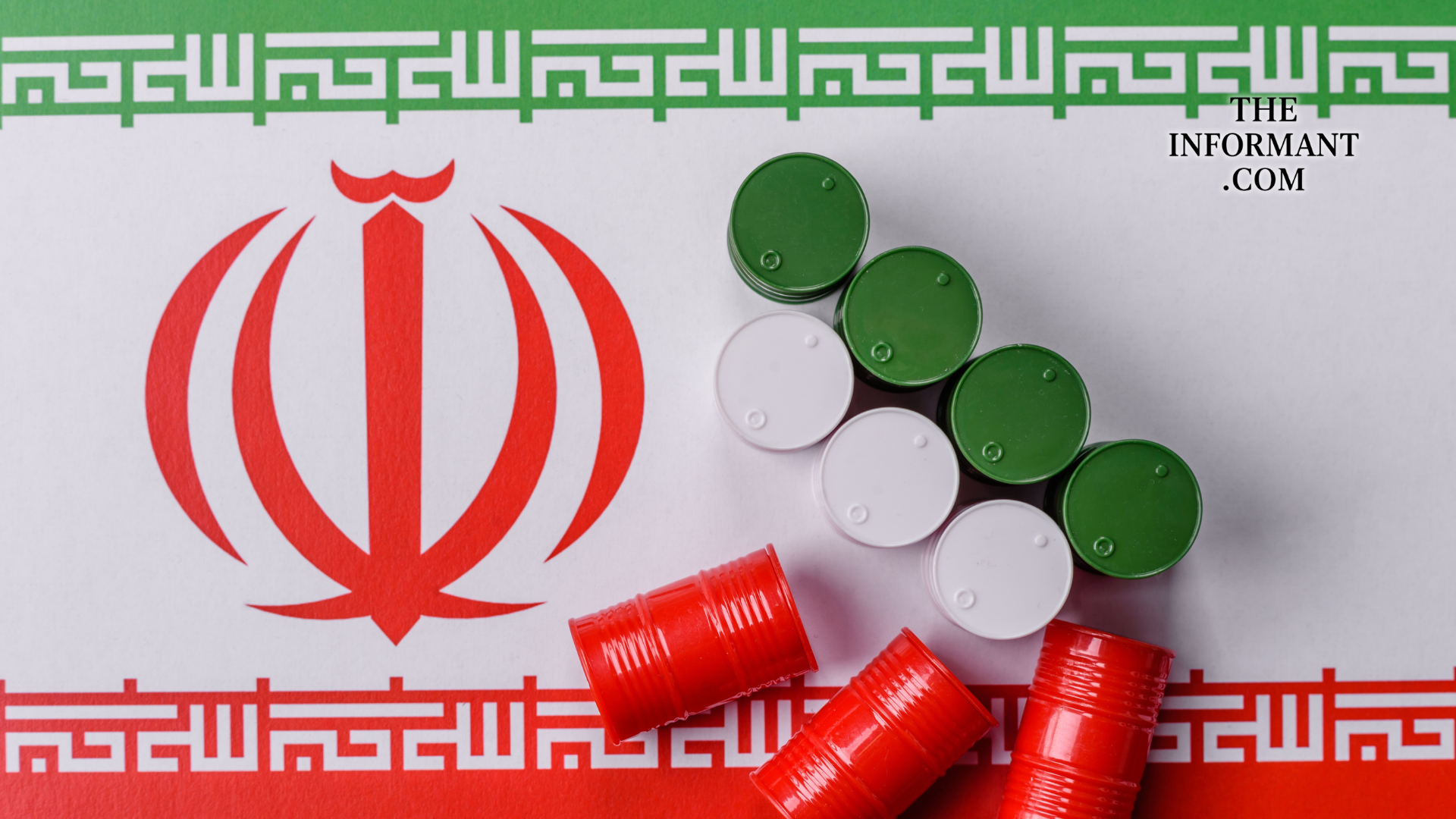
Second, the three countries outlined plans to increase the production and supply of refined petroleum products while emphasizing the importance of stable international energy flows.
Third, the leaders recognized the importance of state consent and the immunities of government officials, stating that the International Criminal Court and similar institutions should not abuse their jurisdiction.
Finally, the declaration reaffirmed the principle that nuclear war must never be fought and committed the three governments to dialogue on reducing nuclear risks and preventing nuclear weapons proliferation.
NUCLEAR ARMS CONTROL EMERGES AS A CENTRAL ISSUE
☢️ Nuclear security was among the most significant subjects surrounding the summit.
The United States and Russia possess the world’s largest nuclear arsenals, while China’s nuclear capabilities have expanded in recent years.
The leaders’ agreement to continue dialogue on nuclear risks represents a diplomatic commitment, but it does not establish a new arms reduction treaty, binding verification measures or specific disarmament targets.
Any future nuclear agreement would require additional negotiations over the scope, implementation and verification of potential restrictions.
NO UKRAINE PEACE AGREEMENT ANNOUNCED
⚖️ Although the summit addressed international security, the joint declaration did not establish a ceasefire or peace agreement concerning Russia’s war in Ukraine.
The document also did not announce a resolution to existing disagreements over trade, technology restrictions or other major geopolitical disputes.
Its provisions represent areas of intended cooperation rather than a comprehensive settlement of the conflicts affecting relations among the three countries.
A HISTORIC DIPLOMATIC ENCOUNTER WITH UNCERTAIN OUTCOMES
🌐 The Shenzhen summit marked a rare moment of direct engagement among three governments whose decisions have far-reaching consequences for international security and economic stability.
For the United States, the meeting offered an opportunity to engage simultaneously with China and Russia. For Beijing, it underscored China’s role as host of a major international diplomatic gathering. For Moscow, it provided another platform for high-level discussions with Washington.
The three leaders left Shenzhen with a joint declaration and a commitment to continued dialogue, but no publicly announced breakthrough on the war in Ukraine or a binding nuclear arms control agreement.
The next test will be whether the governments translate their commitments into concrete negotiations and measurable policy changes.