SHENZHEN, CHINA — November 19, 2026.
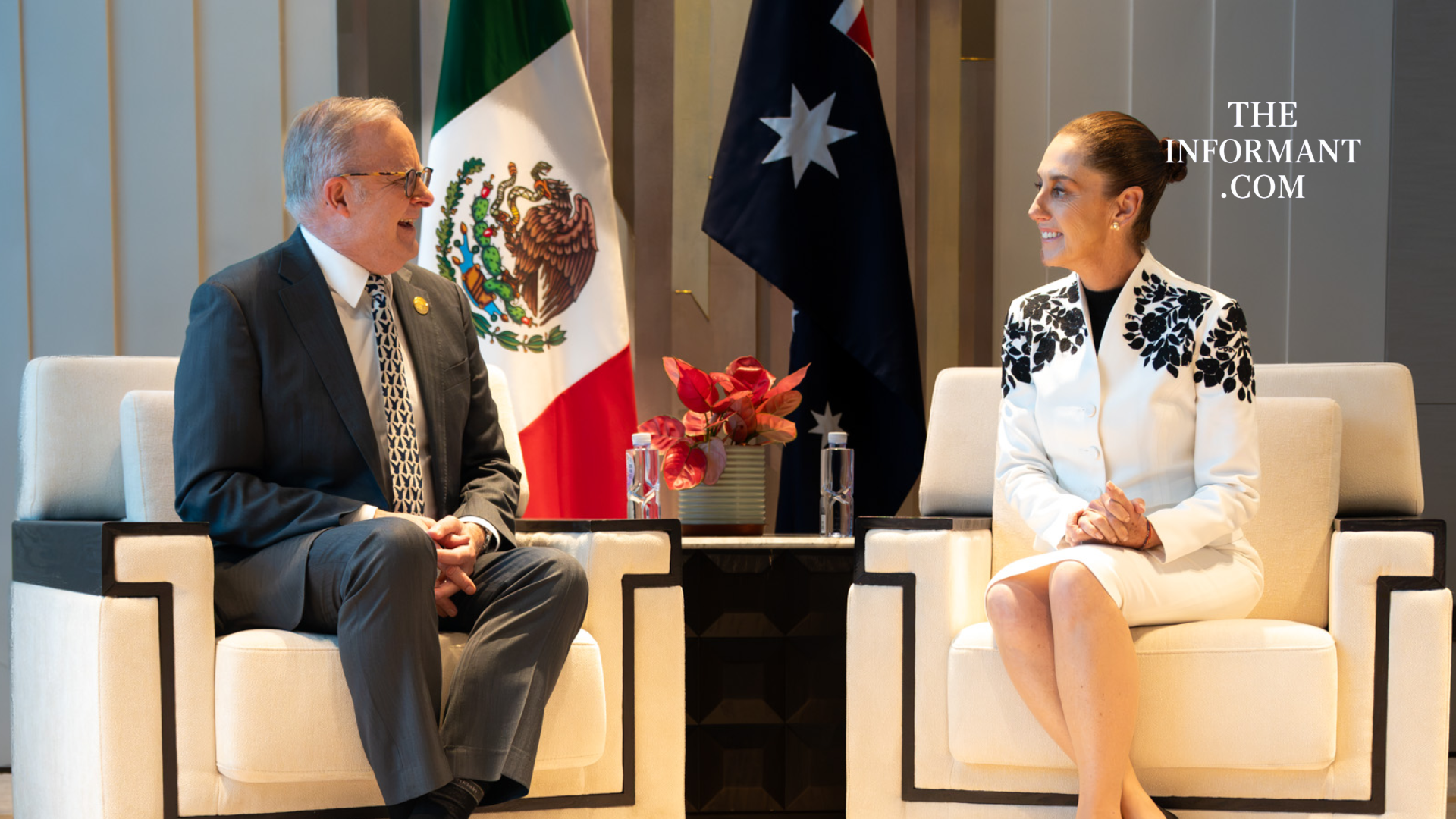
🇦🇺🇲🇽 Australian Prime Minister Anthony Albanese and Mexican President Claudia Sheinbaum held their first bilateral meeting Thursday on the sidelines of the Asia-Pacific Economic Cooperation (APEC) summit in Shenzhen, China, emphasizing the importance of free trade, investment and closer economic cooperation.
The meeting brought together the leaders of two major Pacific economies as their countries mark 60 years of diplomatic relations in 2026.
ALBANESE HIGHLIGHTS BENEFITS OF FREE AND OPEN TRADE
Following the meeting, Albanese shared a message welcoming his first encounter with Sheinbaum and highlighting the economic opportunities available to both countries.
The Australian leader emphasized that free and open trade supports employment, economic growth and new business opportunities.
His comments reflected Australia’s broader position at APEC, where Albanese has advocated international cooperation and rules-based trade amid global economic uncertainty.
The meeting also underscored the potential for deeper engagement between Australian businesses and Mexico’s expanding industrial and energy sectors.
SHEINBAUM CALLS AUSTRALIA-MEXICO RELATIONS “VERY ACTIVE”
During the meeting, Sheinbaum described bilateral relations as active and highlighted Australia’s role as an important investor in Mexico.
The Mexican president welcomed the opportunity to strengthen cooperation and invited Albanese to visit Mexico.
Albanese, meanwhile, emphasized the significance of the bilateral relationship and identified Australia as Mexico’s fourth-largest foreign investor.
The investment ranking was cited during the meeting and should be understood as the Australian leader’s characterization rather than a newly published comparative investment statistic.
WOODSIDE ENERGY AND PEMEX PROJECT TAKE CENTER STAGE
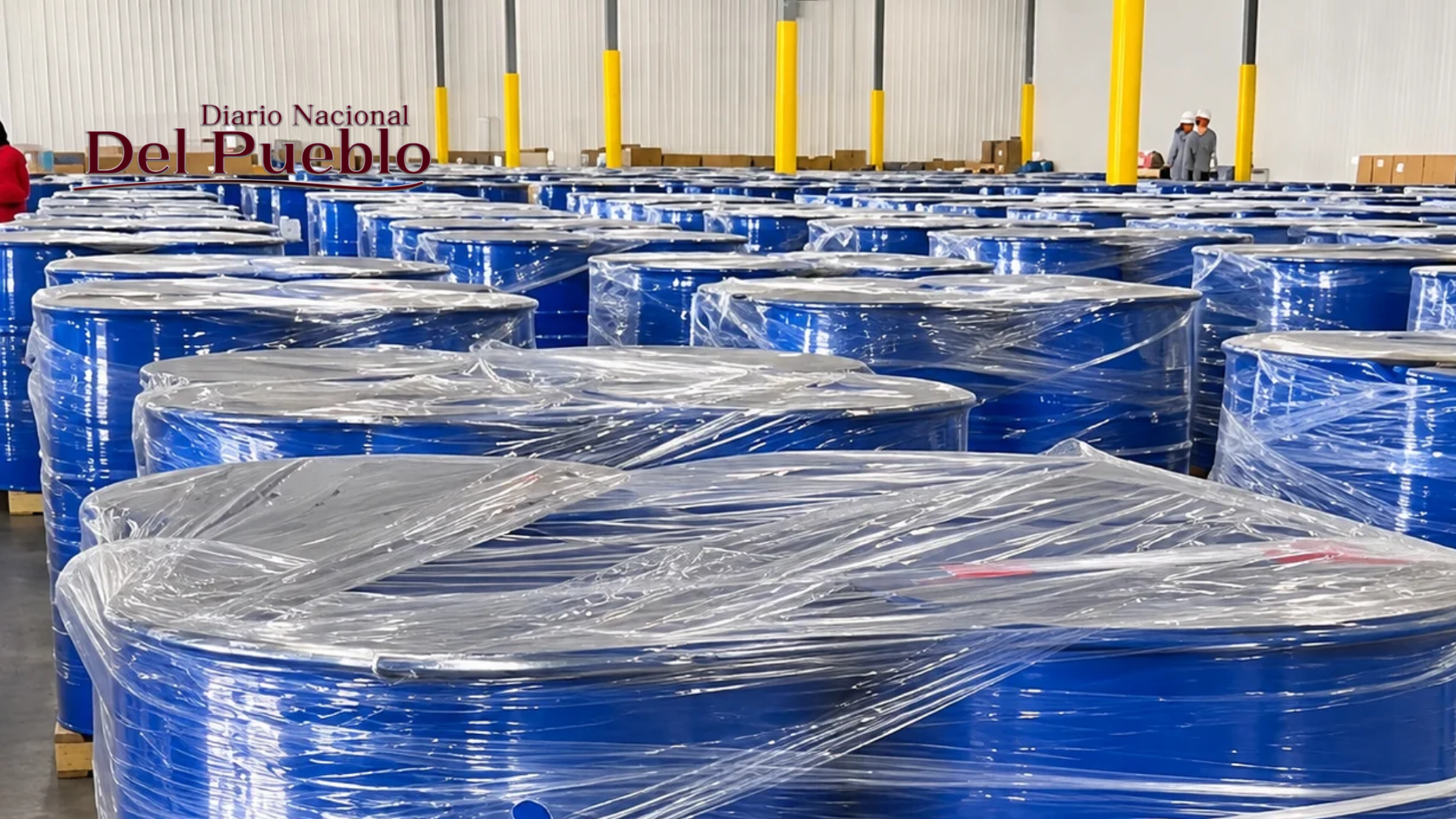
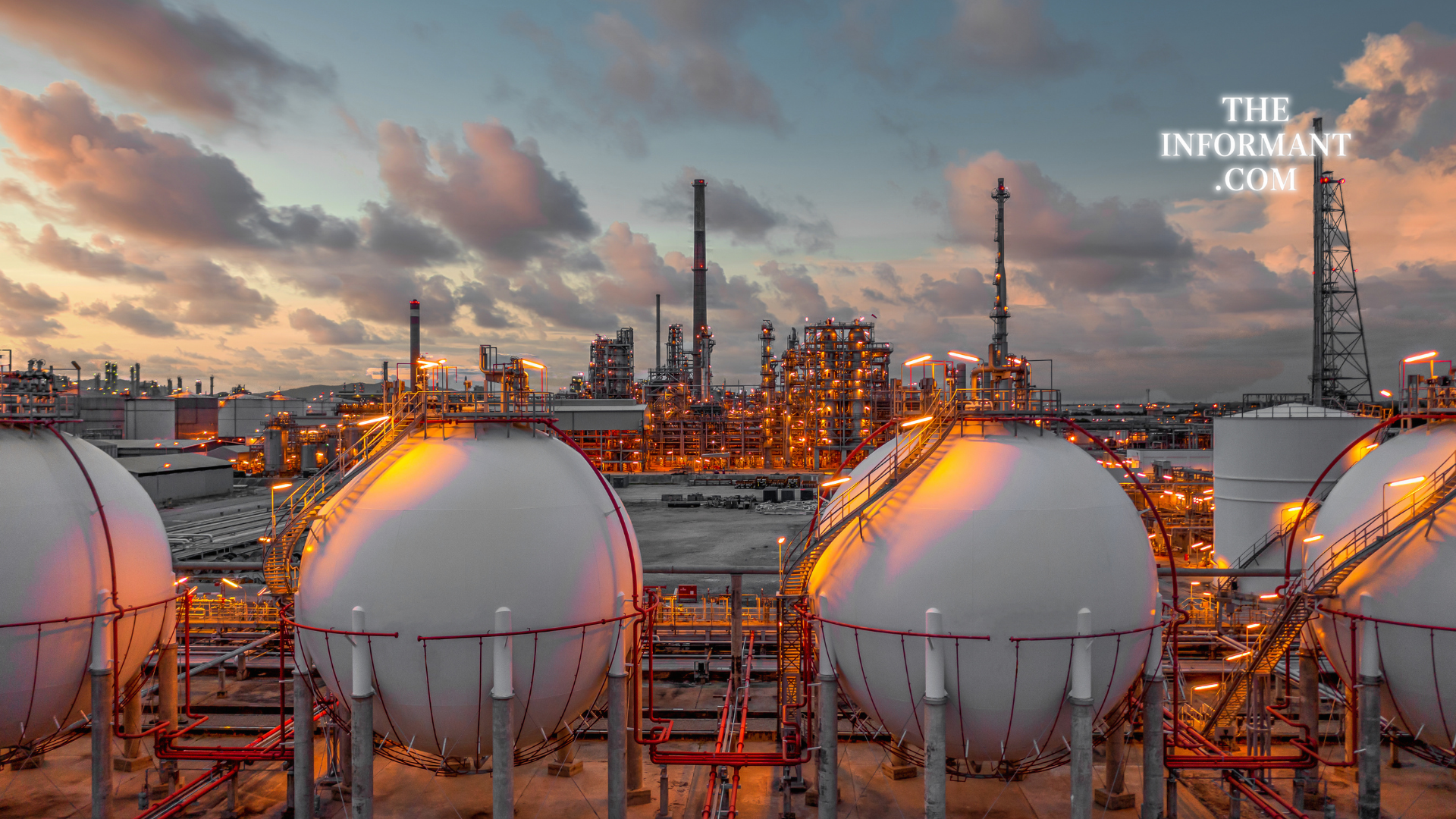
Energy cooperation featured prominently in the discussions, particularly the Trion deepwater oil project in the Gulf of Mexico.
The project involves Australian energy company Woodside Energy and Mexico’s state-owned oil company, Petróleos Mexicanos (Pemex).
Sheinbaum highlighted the investment as an example of the economic relationship between the two countries and pointed to associated activity in northeastern Mexico.
The project also has implications for infrastructure and maritime logistics linked to the port of Matamoros in Tamaulipas.
While both leaders welcomed the investment, no additional financing agreement or new production commitment was publicly announced during the meeting.
PLAN MEXICO OFFERS NEW INVESTMENT OPPORTUNITIES
The leaders also discussed opportunities associated with Plan México, the Mexican government’s strategy to attract investment, strengthen domestic production and expand industrial development.
Potential areas for cooperation include mining, agribusiness, infrastructure, renewable energy and technologies associated with the energy transition.
Australian companies have experience in several of these industries, making them potential participants in Mexico’s investment and development plans.
However, the meeting did not establish specific new investment amounts, project contracts or binding commercial agreements.
MEXICO AND AUSTRALIA MARK 60 YEARS OF DIPLOMATIC RELATIONS
The bilateral meeting coincided with the 60th anniversary of diplomatic relations between Australia and Mexico.
Both countries participate in APEC and the Group of 20 (G20), providing platforms for cooperation on international economic issues.
They are also members of MIKTA, an informal partnership involving Mexico, Indonesia, South Korea, Türkiye and Australia.
During their discussions, the leaders emphasized the value of strengthening coordination through these international forums.
The two governments also expressed interest in more resilient supply chains, innovation and sustainable economic growth.
APEC SUMMIT PROVIDES PLATFORM FOR ECONOMIC COOPERATION
The meeting took place during the 33rd APEC Economic Leaders’ Meeting in Shenzhen, where participating economies have been discussing regional prosperity, open trade and the challenges facing global supply chains.
In his address to APEC leaders, Albanese emphasized the importance of ensuring that international trade benefits the populations represented by member economies.
The Australian prime minister also acknowledged the effects of global inflation, military conflicts and supply chain disruptions on international economic stability.
For Mexico, the summit has provided opportunities to promote investment and strengthen diplomatic relations with Asia-Pacific partners.
WHAT COMES NEXT FOR AUSTRALIA AND MEXICO?
The discussions concluded with both governments expressing interest in continuing their cooperation and identifying opportunities for greater economic integration.
Sheinbaum’s invitation for Albanese to visit Mexico could provide a future opportunity for additional bilateral talks, although no confirmed visit date was announced.
The potential expansion of investment in energy, infrastructure and other sectors will depend on subsequent negotiations and decisions by governments and businesses.
For now, the meeting represents a renewed commitment to trade dialogue and economic cooperation, rather than the announcement of a finalized trade agreement.