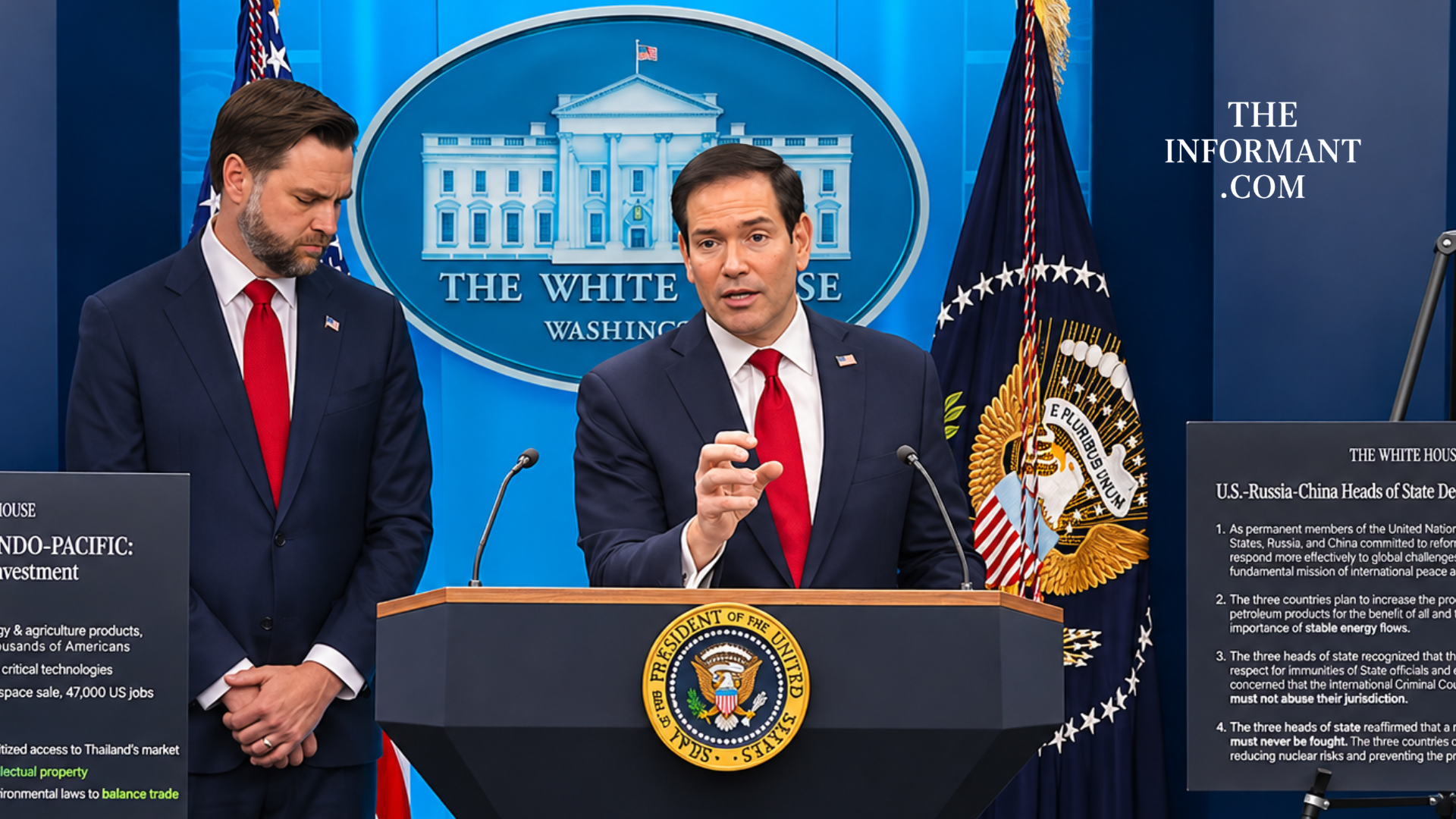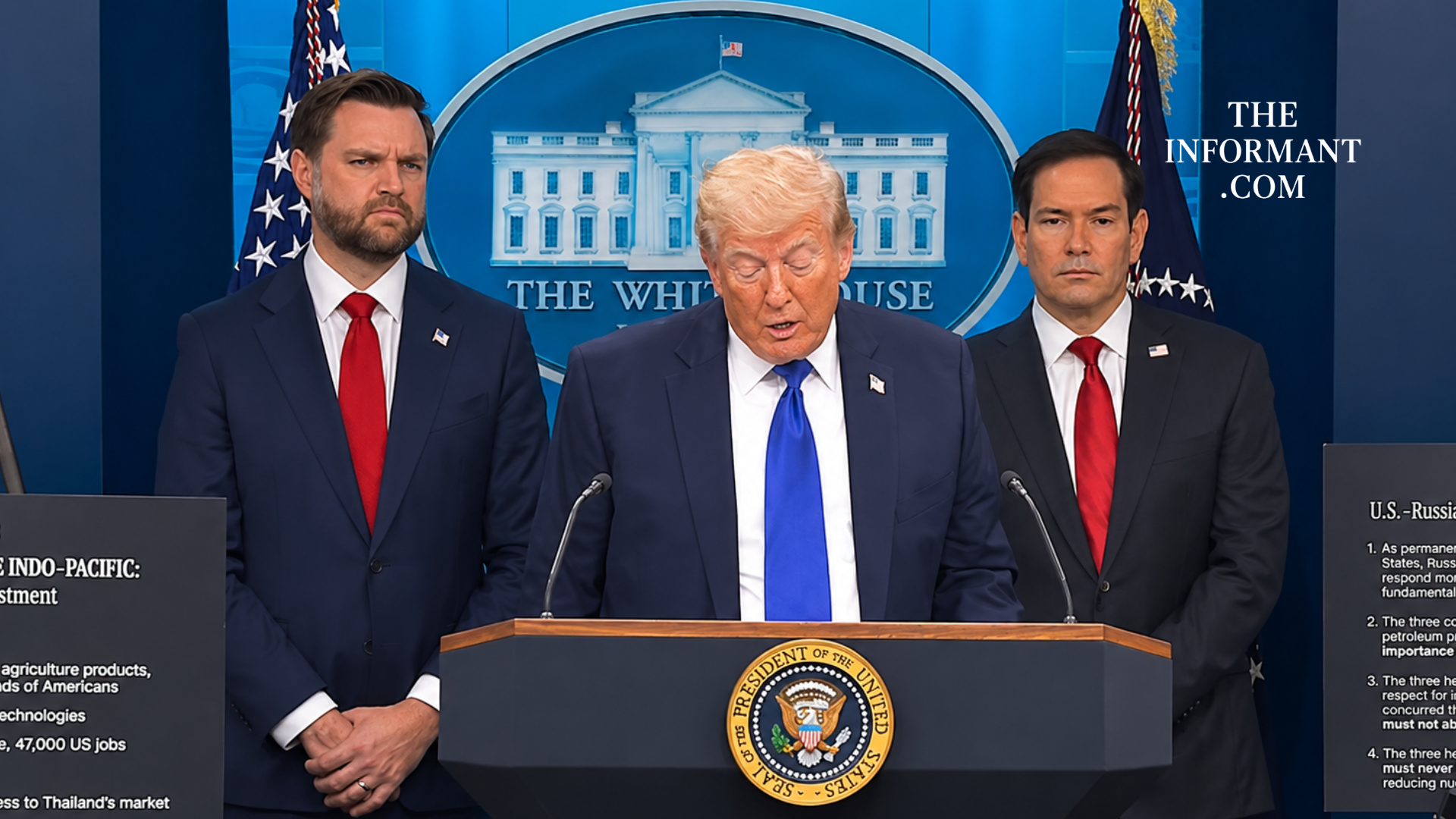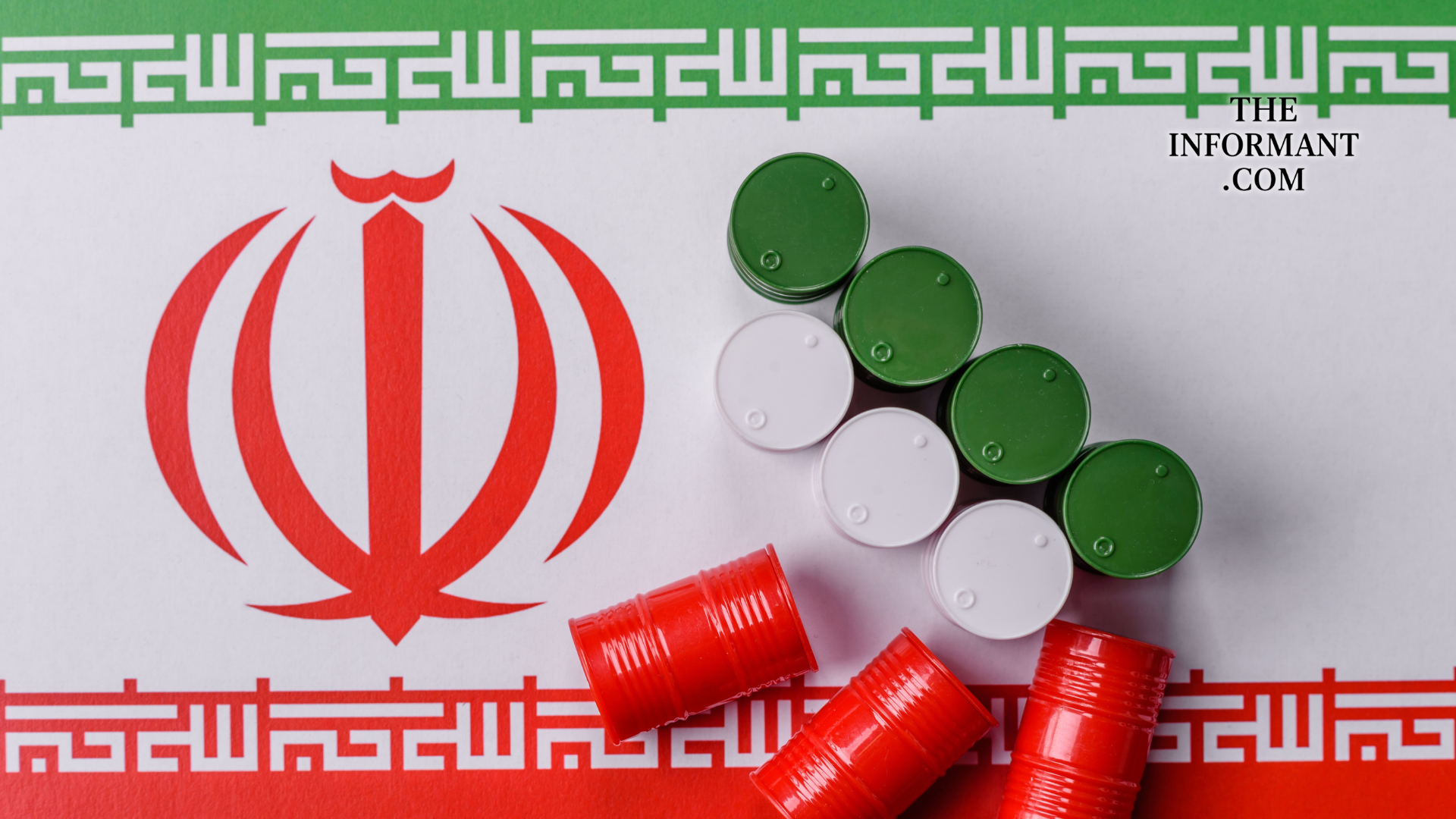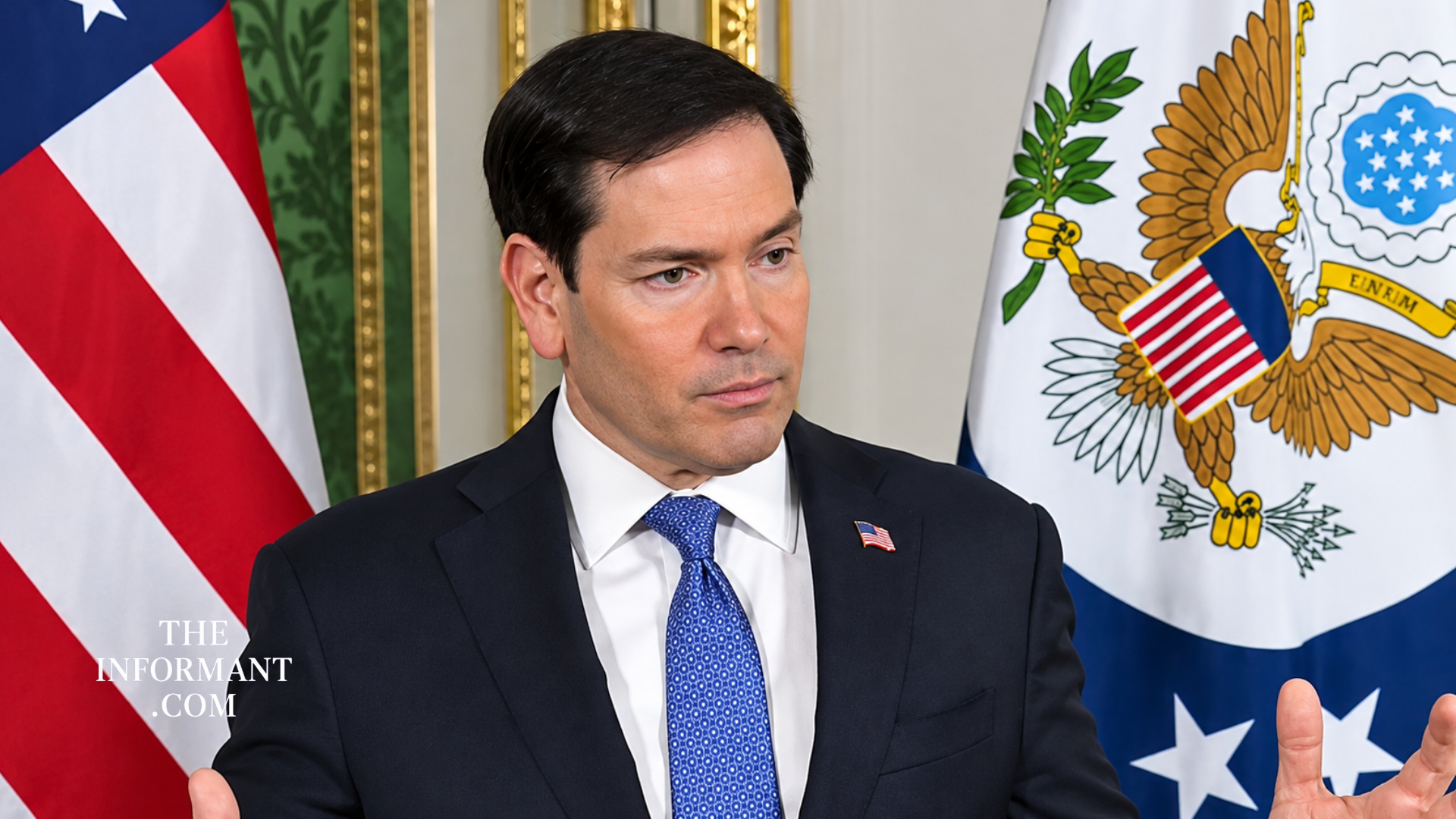
WASHINGTON, D.C. — November 10, 2026. U.S. Secretary of State Marco Rubio has accused the Iranian government of being a central force behind destabilizing activities across the Middle East, arguing that Tehran’s regional influence is a major obstacle to security. In remarks shared in a video attributed to the U.S. Department of State, Rubio said he believes countries throughout the region recognize the role Iran plays in regional tensions.
RUBIO IDENTIFIES IRAN AS A COMMON FACTOR
Rubio argued that the Iranian government is connected to multiple sources of instability across the Middle East.
He described Tehran as a common factor behind activities that threaten regional security and said he believes neighboring countries share that assessment.
His statement reflects the U.S. administration’s position that Iranian foreign policy and its relationships with armed groups represent significant security challenges.
The remarks did not identify a specific new military operation, sanctions package or diplomatic agreement.
SECRETARY RUBIO: Behind every single one of these destabilizing activities in the Middle East there's one common denominator — the Iranian regime. They are behind all the instability in the region. They are the source of instability in the region. I think the countries of the… pic.twitter.com/whACGnMwDY
— Department of State (@StateDept) November 10, 2026
U.S. CONCERNS OVER IRAN’S REGIONAL INFLUENCE
Washington has long accused Iran of providing financial, military and political support to armed organizations operating in different parts of the Middle East.
Those concerns include Iran’s relationships with Hezbollah in Lebanon, the Houthis in Yemen and armed groups in Iraq.
American officials have argued that these relationships allow Tehran to influence regional conflicts and threaten U.S. personnel and partner countries.
Iran has defended its relationships with regional allies as part of its security strategy and opposition to U.S. and Israeli influence.
The extent of Tehran’s operational control over individual groups varies and should not be assumed to be identical in every conflict.
REGIONAL GOVERNMENTS FACE DIFFERENT SECURITY CONCERNS
Rubio suggested that governments across the Middle East recognize the threats he associates with Iran.
Several countries have expressed concern about Iranian military capabilities, regional armed groups and the possibility of wider confrontation.
However, governments in the region do not necessarily share identical policies toward Tehran.
Some favor stronger deterrence and security cooperation with the United States, while others emphasize diplomacy, de-escalation and maintaining communication with Iran.
Rubio’s statement therefore represents his assessment of regional opinion rather than evidence of a unanimous position among Middle Eastern governments.
IRAN’S ROLE REMAINS A SUBJECT OF INTERNATIONAL DISPUTE
The United States and Iran have longstanding disagreements involving regional security, sanctions, military activities and Iran’s nuclear program.
Washington has accused Tehran of supporting organizations responsible for attacks and instability, while Iranian officials have criticized American military involvement and Israeli operations in the region.
Analysts also identify other factors contributing to Middle Eastern conflicts, including territorial disputes, domestic political divisions, rival security interests and the actions of local armed organizations.
Those factors complicate any claim that a single government is responsible for every source of regional instability.
STATEMENT HIGHLIGHTS WASHINGTON’S SECURITY POSITION
Rubio’s comments reinforce the administration’s emphasis on confronting activities it attributes to the Iranian government.
The statement may also be relevant to discussions with U.S. partners about regional security and diplomatic coordination.
However, the supplied remarks do not establish whether the administration is preparing additional military action or new sanctions.
No specific policy announcement was included in the quoted statement.
WHAT HAPPENS NEXT?
Further developments will depend on official U.S. policy announcements, Iran’s response and the positions adopted by governments across the Middle East.
The central issue remains how countries in the region address security threats while seeking to prevent further escalation.
For now, Rubio’s remarks underscore the U.S. government’s criticism of Tehran’s regional activities, without establishing a new policy decision or proving that Iran is responsible for every conflict in the region.