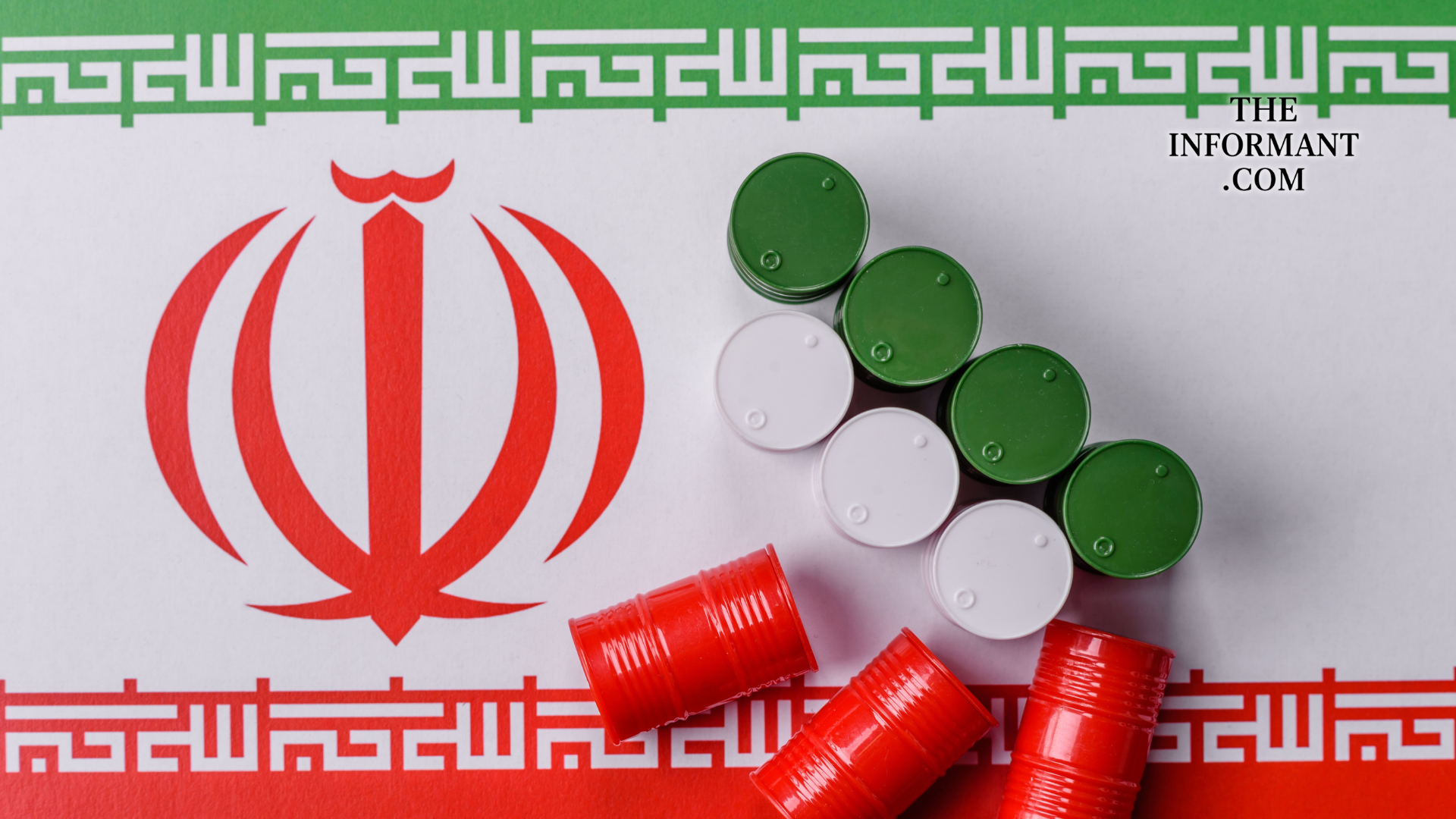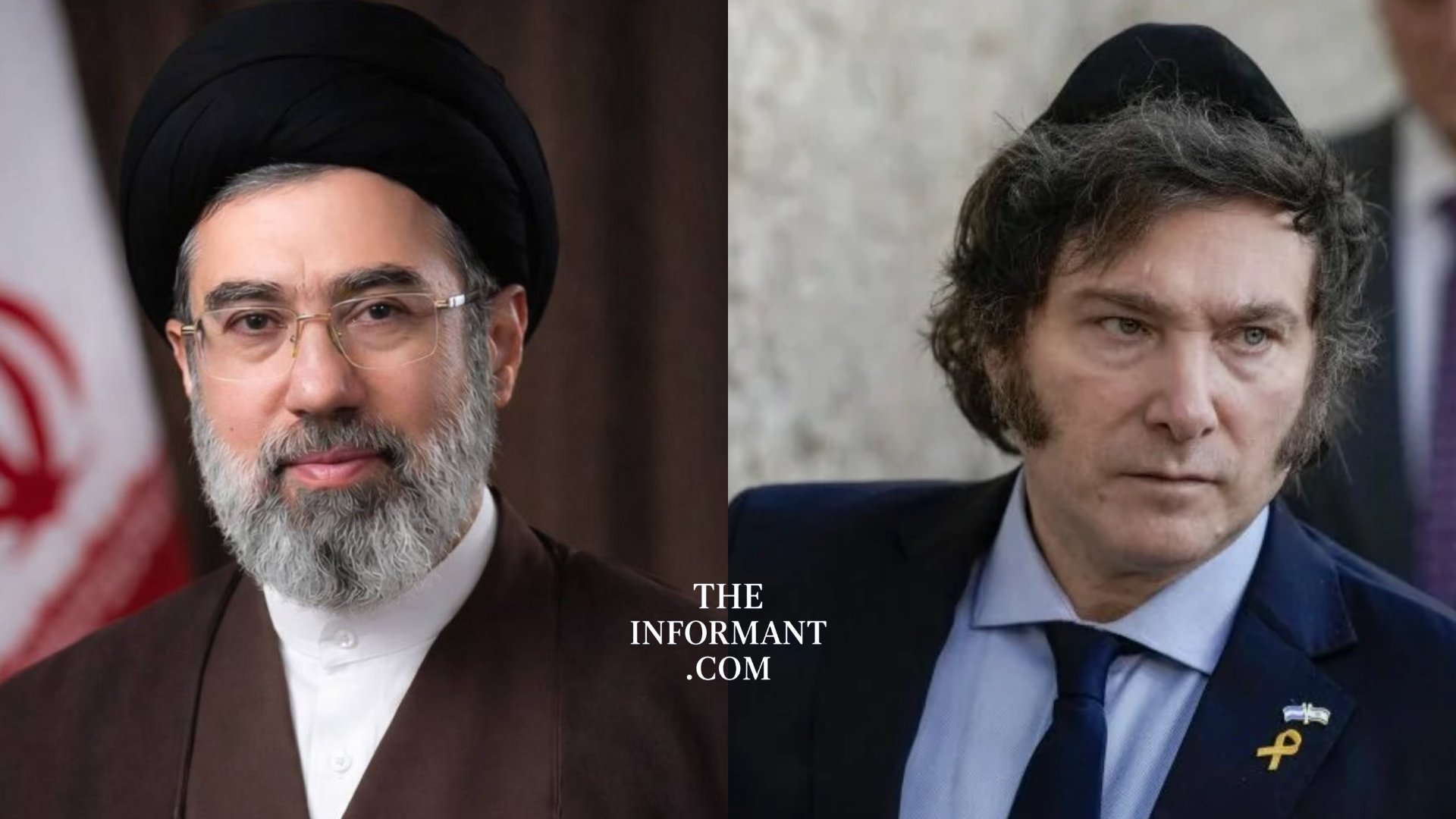
TEHRAN, IRAN — November 11, 2026. Iran has officially designated Argentina’s Navy and Air Force as terrorist organizations, escalating a diplomatic dispute with President Javier Milei’s government over its decision to classify Iran’s Islamic Revolutionary Guard Corps (IRGC) as a terrorist entity. The announcement was issued Wednesday by Iran’s Ministry of Foreign Affairs, which described the measure as a reciprocal response to Argentina’s earlier designation. Tehran also warned that Buenos Aires would bear responsibility for the consequences of the decision, although Iranian authorities did not specify what additional actions, if any, could follow.
IRAN ANNOUNCES RETALIATORY DESIGNATION AGAINST ARGENTINA
Iran’s Foreign Ministry announced that the Argentine Navy and Air Force would be classified as terrorist organizations under Iranian law, accusing the South American country of taking a hostile position against the Islamic Republic. The ministry argued that Argentina’s designation of the IRGC violated fundamental principles of international law because the organization is an official component of Iran’s armed forces. Tehran characterized its own response as an application of reciprocity, a principle it invoked to justify taking measures against the military branches of a country that had imposed a similar classification on an Iranian institution.
The Iranian announcement specifically identified Argentina’s naval and air forces but did not include the Argentine Army. Authorities also did not announce military operations, sanctions against named Argentine officials or immediate enforcement measures associated with the designation. As a result, the announcement represents a significant diplomatic escalation, while its practical consequences remain unclear. The classification reflects Iran’s official position and should not be interpreted as independent evidence that either Argentine military branch has engaged in terrorist activity.
ARGENTINA’S DESIGNATION OF THE IRGC TRIGGERED THE DISPUTE
The confrontation follows Argentina’s decision, announced on March 31, 2026, to classify Iran’s Islamic Revolutionary Guard Corps as a terrorist organization. The measure was adopted under President Javier Milei, whose administration has pursued closer diplomatic and security cooperation with the United States and Israel. Buenos Aires linked the designation to longstanding allegations concerning Iranian involvement in terrorist attacks carried out in Argentina during the 1990s, particularly the bombing of the AMIA Jewish community center in Buenos Aires.
Argentina’s decision also followed efforts by the administration of U.S. President Donald Trump to encourage international partners to take similar action against the IRGC. The United States designated the organization as a foreign terrorist organization in 2019, marking an unusually direct use of that classification against a component of another country’s official armed forces. Iran rejected Argentina’s decision and accused the Milei administration of acting under foreign political pressure, laying the groundwork for the retaliatory measure announced this week.
THE 1992 AND 1994 BUENOS AIRES BOMBINGS REMAIN CENTRAL
The dispute is closely connected to two major terrorist attacks in Argentina. In March 1992, a bombing destroyed the Israeli Embassy in Buenos Aires, killing 29 people and injuring many others. Two years later, on July 18, 1994, a truck bomb struck the headquarters of the Argentine Israelite Mutual Association, known as AMIA, killing 85 people and injuring hundreds. The AMIA bombing remains the deadliest terrorist attack in Argentina’s history and continues to shape the country’s relations with Iran.
Argentine investigators and judicial authorities have accused Iranian officials and Hezbollah, the Lebanese armed organization supported by Tehran, of involvement in the attacks. Iran has consistently denied responsibility, while the investigations have generated years of diplomatic disputes, international arrest requests and unresolved legal proceedings. Argentina’s 2026 designation of the IRGC reflects its government’s position on those allegations, but the historical attacks and the legal responsibility of particular individuals remain distinct from Iran’s latest decision to classify Argentine military institutions as terrorist organizations.
TEHRAN INVOKES A 2019 LAW ON RECIPROCAL ACTION
Iran’s Foreign Ministry cited legislation adopted in 2019 after Washington designated the IRGC as a terrorist organization. The Iranian law establishes a framework for reciprocal measures against countries that support or comply with the U.S. designation. Tehran maintains that Argentina’s action falls within the scope of that legislation and therefore provides a domestic legal basis for classifying the Argentine Navy and Air Force in the same manner.
The legal argument is part of Iran’s stated justification and does not mean that the designation has automatic effect under Argentine law or within other countries. Terrorism-related classifications operate within different national legal systems, and their consequences depend on the laws, sanctions mechanisms and enforcement procedures of the governments involved. No independent international judicial finding was announced alongside Tehran’s statement, and the Iranian government did not provide evidence of terrorist conduct by the Argentine military branches it named.
IRAN WARNS ARGENTINA ABOUT POSSIBLE CONSEQUENCES
In its official statement, Iran warned that responsibility for any consequences arising from the dispute would rest with the Argentine government. The warning introduced additional uncertainty into an already strained bilateral relationship, particularly because Tehran did not explain whether it was referring to diplomatic restrictions, financial measures, travel limitations or other responses. Without a specific announcement, it would be premature to interpret the statement as a threat of imminent military action.
The latest move follows an earlier diplomatic confrontation in which Argentina declared Iran’s chargé d’affaires in Buenos Aires persona non grata and ordered him to leave the country. That decision reflected Buenos Aires’ objections to Tehran’s response to the IRGC designation and its longstanding concerns over Iran’s cooperation with investigations into the AMIA attack. The reciprocal classifications now add another layer of disagreement to a relationship already affected by security accusations and conflicting diplomatic priorities.
SIMILAR IRANIAN MEASURES HAVE TARGETED OTHER COUNTRIES
Argentina is not the only country whose military institutions have been targeted by Iranian reciprocal designations. On November 1, Tehran announced that it had classified the United Kingdom’s Royal Navy and Royal Air Force as terrorist organizations, while also describing Britain’s foreign intelligence service, MI6, as a hostile group. That decision followed British measures involving the IRGC and was justified through the same Iranian legal framework adopted in 2019.
The similarity between the British and Argentine cases suggests that Tehran is using reciprocal designations as a broader diplomatic response to foreign governments that classify the IRGC as a terrorist organization. Such actions can increase political tensions and complicate bilateral relations, but their practical consequences differ from the enforcement of criminal judgments or the initiation of armed conflict. The Iranian government has not demonstrated that the classifications will result in immediate operational changes involving Argentine military personnel.
WHAT HAPPENS NEXT BETWEEN IRAN AND ARGENTINA?
The immediate question is whether either government will announce additional diplomatic or legal measures following Tehran’s designation. Argentina’s earlier decision against the IRGC remains part of its national security policy, while Iran has now formally responded through its own domestic legislation. Any further escalation could affect diplomatic representation, official exchanges or other aspects of bilateral relations, although no specific new measures have been confirmed in the initial reporting.
For now, the central development is a reciprocal political and legal dispute between two governments with longstanding disagreements over terrorism allegations and regional alliances. Iran has classified two branches of Argentina’s armed forces as terrorist organizations, but the decision does not establish criminal wrongdoing by those institutions or signal that the countries are at war. The consequences will depend on subsequent government announcements and any concrete measures taken to implement the designation.