VICTORIA, AUSTRALIA — November 12, 2026. A 17-year-old boy who disappeared during a camping trip in the rugged Australian wilderness has been found alive after six days, bringing an emotional end to an extensive search involving police, rescue specialists and volunteers. The teenager, identified publicly only as William, was discovered Thursday morning by a Victoria Police helicopter crew near a creek in the Gippsland region, approximately 185 kilometers east of Melbourne. Rescuers located him after spotting a fishing tackle box from the air and examining the surrounding terrain with the helicopter’s camera. Despite spending nearly a week exposed to the elements, William was conscious, responsive and in relatively good condition when officers reached him.
TEENAGER DISAPPEARS DURING CAMPING TRIP NEAR WALHALLA
William was last seen around 4 p.m. on Friday, November 6, near Stoney Creek Road and the T2 Track in Walhalla East, where he had been camping with another teenager. According to Victoria Police, his mother had dropped the pair off for a weekend outdoors. William walked away from their makeshift campsite to collect additional camping equipment but failed to return, prompting his companion to search the surrounding area before authorities became involved.
The teenager had left his mobile phone, food and water behind and was wearing only shorts and work boots. Police believed he may have become disoriented while navigating the unfamiliar terrain, which includes dense vegetation, steep slopes, waterways and isolated tracks. His family expressed growing concern as the days passed, particularly because he had limited camping experience and was unfamiliar with the area. The circumstances made it difficult for rescuers to determine how far he might have traveled or where he could have taken shelter.
SIX-DAY SEARCH MOBILIZES POLICE, DOGS AND RESCUE VOLUNTEERS
The disappearance triggered a large-scale search coordinated by Victoria Police from a command post in Cowwarr. Officers from several regional stations worked alongside specialist search-and-rescue personnel, police dog teams, mounted officers, helicopter crews and State Emergency Service volunteers. Divers were also deployed to examine nearby waterways, while teams on foot searched difficult ground and remote tracks that could not easily be reached by vehicles.
As the operation continued, investigators expanded the search perimeter and appealed to local residents, hunters and campers for information. Authorities specifically asked people with trail cameras or hunting cameras in the surrounding bushland to review recordings from the days after William disappeared. The effort eventually involved more than 100 emergency personnel and volunteers, according to Associated Press reporting. Police repeatedly emphasized that they were continuing the search despite the challenging terrain and the lack of confirmed sightings.
6일 동안 호주 밀림에서 실종됐던 17세 소년,
— 가치를같이 (@KoreAgenda) November 12, 2026
헬기가 찾아낸 기적의 순간.(11월12일)
지난 11월 6일, 호주 빅토리아주 월할라 인근 숲에서 의붓형제와 캠핑하던 17세 소년 윌리엄이 추가 장비를 가지러 이동했다가 실종.
🚨 6일간의 필사적인 수색
– 경찰견·구조대·잠수팀·헬기 총출동
– 100명…
HELICOPTER CREW SPOTS FISHING TACKLE BOX FROM THE AIR
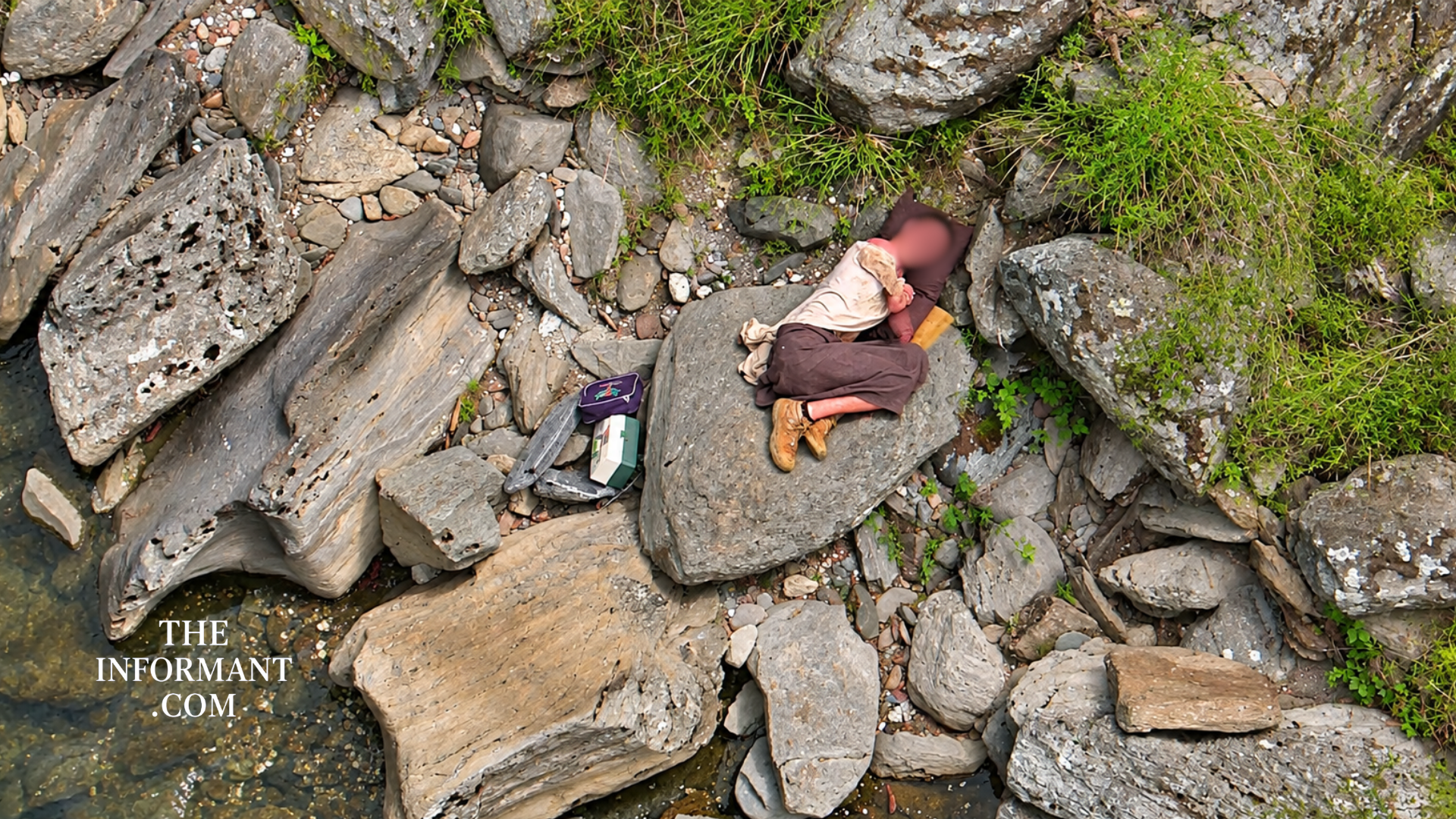
The breakthrough came Thursday morning, November 12, when a Victoria Police Air Wing crew conducting an aerial search noticed a fishing tackle box in bushland roughly two kilometers east of Stoney Creek. The object attracted attention because investigators had previously identified a tackle box among the items missing from William’s camping equipment. Rather than passing over the location, the crew examined it more closely using the helicopter’s camera.
As the officers zoomed in, they spotted William lying near a creek. The teenager had spent part of his ordeal in a steep, isolated section of the landscape, where he was difficult to see from surrounding tracks. The discovery transformed the search into an immediate rescue operation, with the helicopter crew preparing to reach him in terrain that remained difficult to access on foot. The fishing tackle box proved to be the crucial visual clue that helped rescuers find him.
WILLIAM GIVES RESCUERS A THUMBS-UP BEFORE BEING LIFTED TO SAFETY
Video supplied by Victoria Police shows William reacting as the helicopter approaches the creek. According to accounts of the rescue, the teenager had been resting on rocks when the aircraft’s noise alerted him to the presence of search crews. He raised his thumb in acknowledgment, signaling that he was conscious and responsive after six days alone in the bushland. The gesture became one of the most memorable images of the operation.
Flight officers were lowered from the helicopter to reach William and secure him for extraction. He was then winched to safety and transported back to the search command post, where his family was waiting for news. The rescue required coordination between the aircraft crew and personnel on the ground, particularly because of the steep and uneven terrain around the creek. The footage documents the moment that ended days of uncertainty for the teenager’s family and the teams involved in the search.
HOW WILLIAM SURVIVED SIX DAYS IN THE AUSTRALIAN BUSH
Reports published after the rescue indicate that William survived by drinking water from the creek and consuming a small amount of food he had available. He had been exposed to changing weather conditions while wearing minimal clothing, with scratches and sunburn among the visible effects of his time outdoors. Police and medical personnel described him as being in good spirits and generally healthy, although he required further examination after spending several days in a remote environment.
The teenager’s location near a water source may have helped him remain hydrated, but the terrain also presented serious risks. Steep embankments, limited access routes and the absence of a phone complicated his ability to seek assistance. His survival should not be interpreted as evidence that such conditions are safe; prolonged exposure, dehydration, injuries and sudden changes in weather can create life-threatening emergencies in remote bushland. Authorities transported William to a hospital for monitoring as a precaution.
EMOTIONAL REUNION WITH HIS MOTHER AFTER RESCUE
William’s return to the search command post led to an emotional reunion with his mother, Elizabeth Barkley, who had spent nearly a week waiting for news of her son. She expressed relief that he had been found alive and was able to communicate with rescuers. During media interviews, she also used humor to describe how closely she intended to keep him at home after the frightening experience.
The family had previously told reporters that William had limited experience in the wilderness and might struggle to navigate unfamiliar surroundings. His mother had explained that he is autistic, a detail relevant to the family’s concerns about how he might respond to becoming lost. That information does not establish why he disappeared or how he survived; investigators attributed his disappearance to possible disorientation in the terrain. Following the rescue, the family’s immediate priority was his medical assessment and recovery.
VICTORIA POLICE THANK RESCUE TEAMS AND COMMUNITY VOLUNTEERS
Victoria Police publicly thanked the organizations and volunteers who supported the operation, including the State Emergency Service, Ambulance Victoria, Bush Search and Rescue, Australian Search and Rescue K9, Search and Rescue Dogs K9 and the Cowwarr Football Netball Club. The coordinated effort brought together personnel with different specialties, from aerial observation and water searches to ground navigation and canine search operations.
The outcome demonstrated the value of maintaining multiple search methods over several days. Ground teams had covered extensive areas, while aerial crews continued checking locations that were difficult to reach from the surrounding tracks. Ultimately, the discovery of a small piece of camping equipment allowed officers to identify William’s position and carry out the rescue. Police described the teenager as safe and in good spirits after his recovery, ending a search that had drawn significant attention across Australia.
A REMARKABLE END TO SIX DAYS OF UNCERTAINTY
The rescue of William on November 12 brought relief to his family, the search teams and the wider community after six days of uncertainty. The teenager was found approximately two kilometers from the area where he had disappeared, a relatively short distance that nevertheless placed him beyond easy reach in difficult terrain. His recovery illustrates how challenging searches can become in dense wilderness, even when the missing person is not far from the original location.
The police helicopter footage provides a powerful record of the final moments of the operation, showing the teenager acknowledging rescuers before being brought to safety. While the exact sequence of his movements during the six days remains subject to his own account and any further police findings, the confirmed outcome is clear: William was rescued alive, reunited with his mother and taken for medical observation. The successful operation was the result of sustained work by emergency services and community volunteers who continued searching until he was found.