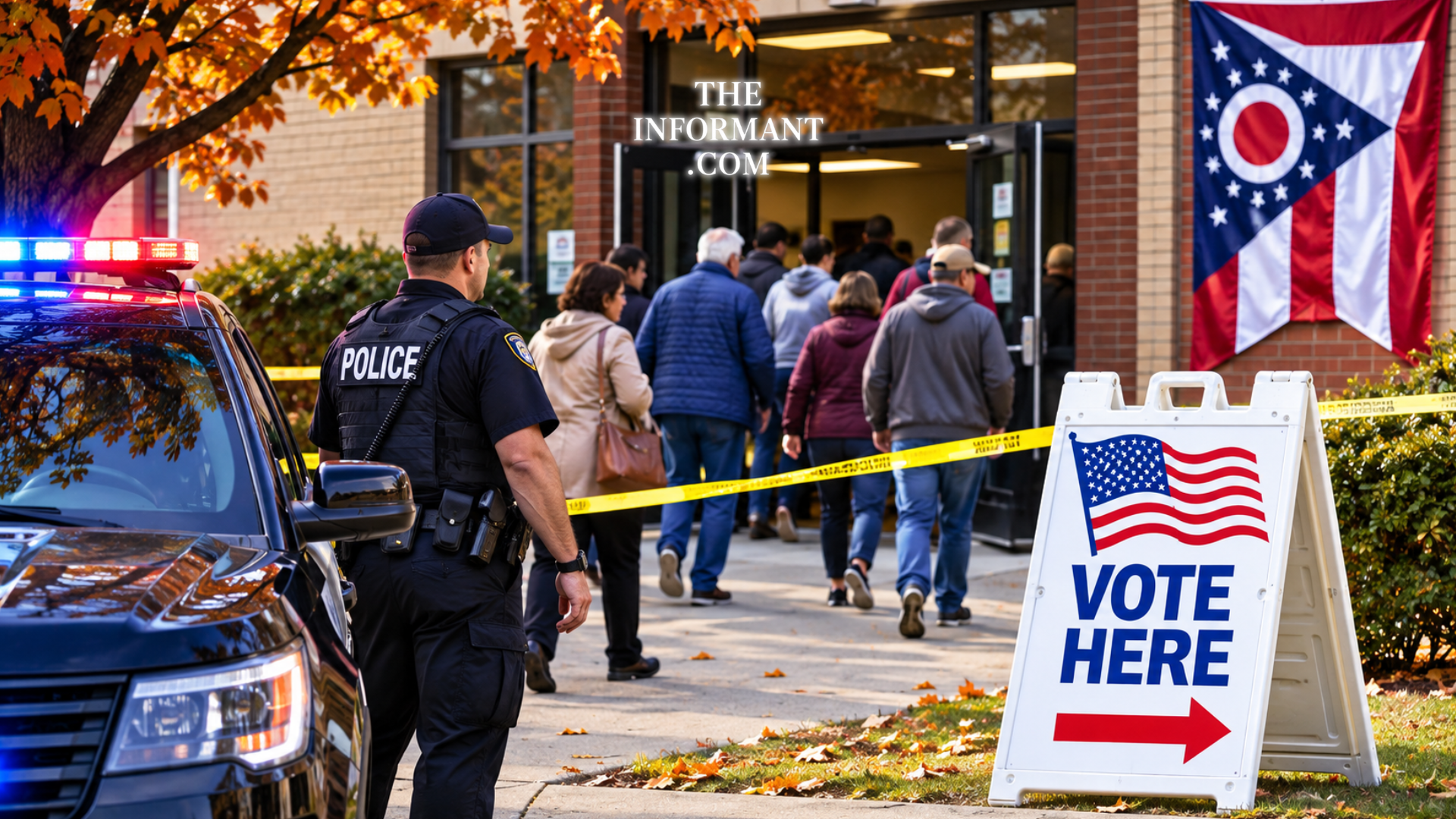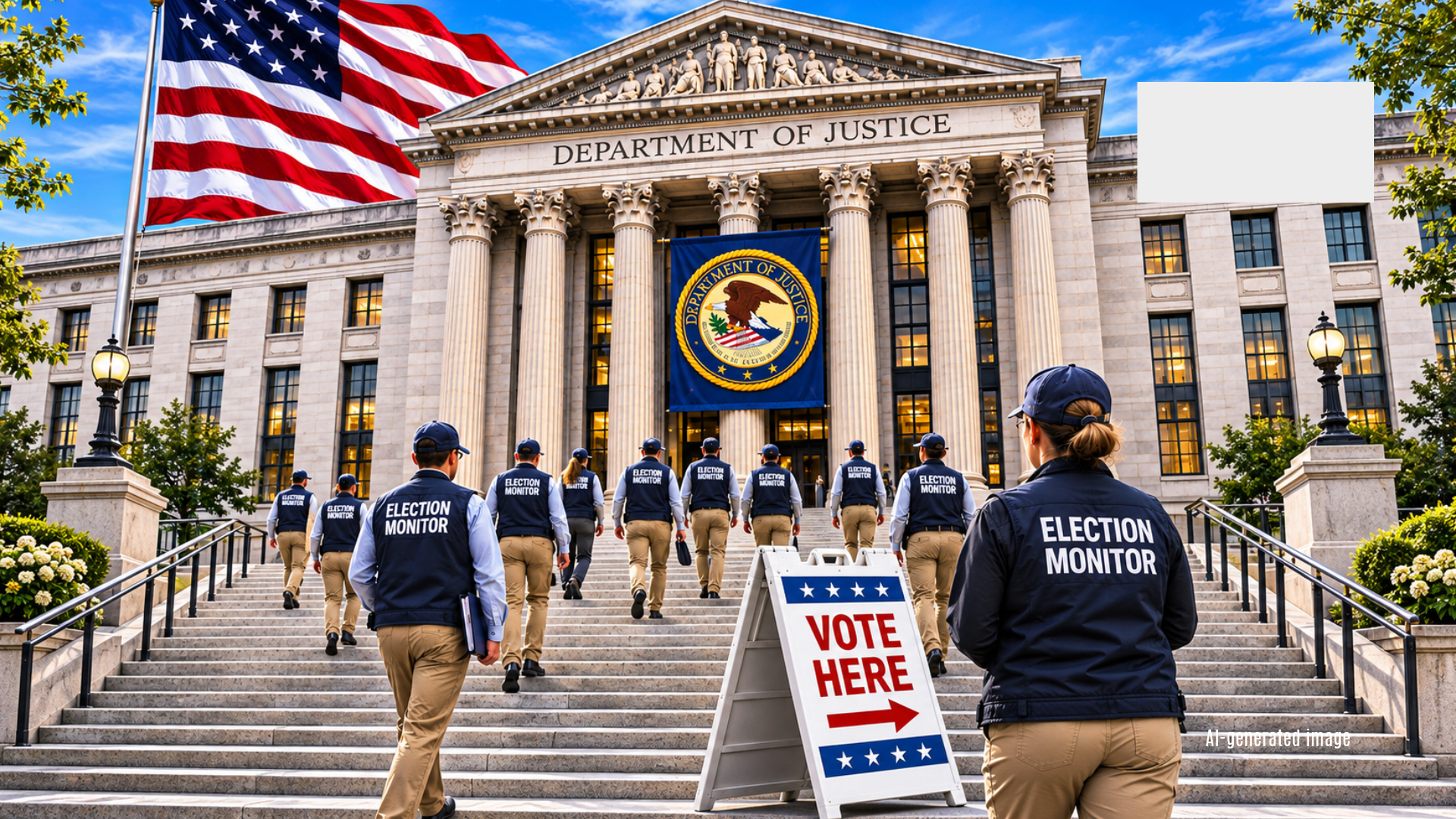
WASHINGTON, D.C. — November 3, 2026. As Americans head to the polls for the 2026 midterm elections, the U.S. Department of Justice has launched an election-monitoring operation unlike any it has announced before. Approximately 1,000 federal monitors and observers are being deployed across all 50 states, marking the first time the department has extended its Election Day monitoring presence to every state simultaneously. The operation comes amid heightened scrutiny of voting procedures, election security and the federal government’s role in supervising compliance with voting-rights laws.
The Justice Department announced the nationwide deployment Tuesday, identifying more than 120 counties and cities where personnel are expected to monitor or observe election activities. The operation is being coordinated by the department’s Civil Rights Division, with participants drawn from several DOJ components, U.S. Attorney’s Offices and the federal Office of Personnel Management. The announcement confirms an expanded federal presence, but it does not mean officials will be stationed at every polling place or assume responsibility for conducting local elections.
WHAT THE FEDERAL ELECTION MONITORS WILL BE WATCHING
According to the Justice Department, the monitors’ central responsibility is assessing compliance with federal laws protecting voting rights. Their work includes identifying potential discrimination, unlawful barriers to voting, accessibility problems affecting people with disabilities and conduct that could constitute voter intimidation or suppression.
The department cited the Voting Rights Act, Help America Vote Act, National Voter Registration Act, Americans with Disabilities Act and other federal statutes as part of the legal framework for its operation. Civil Rights Division personnel will also maintain contact with state and local election administrators as voting and related monitoring activities continue.
HARMEET DHILLON DEFENDS EXPANDED FEDERAL MONITORING
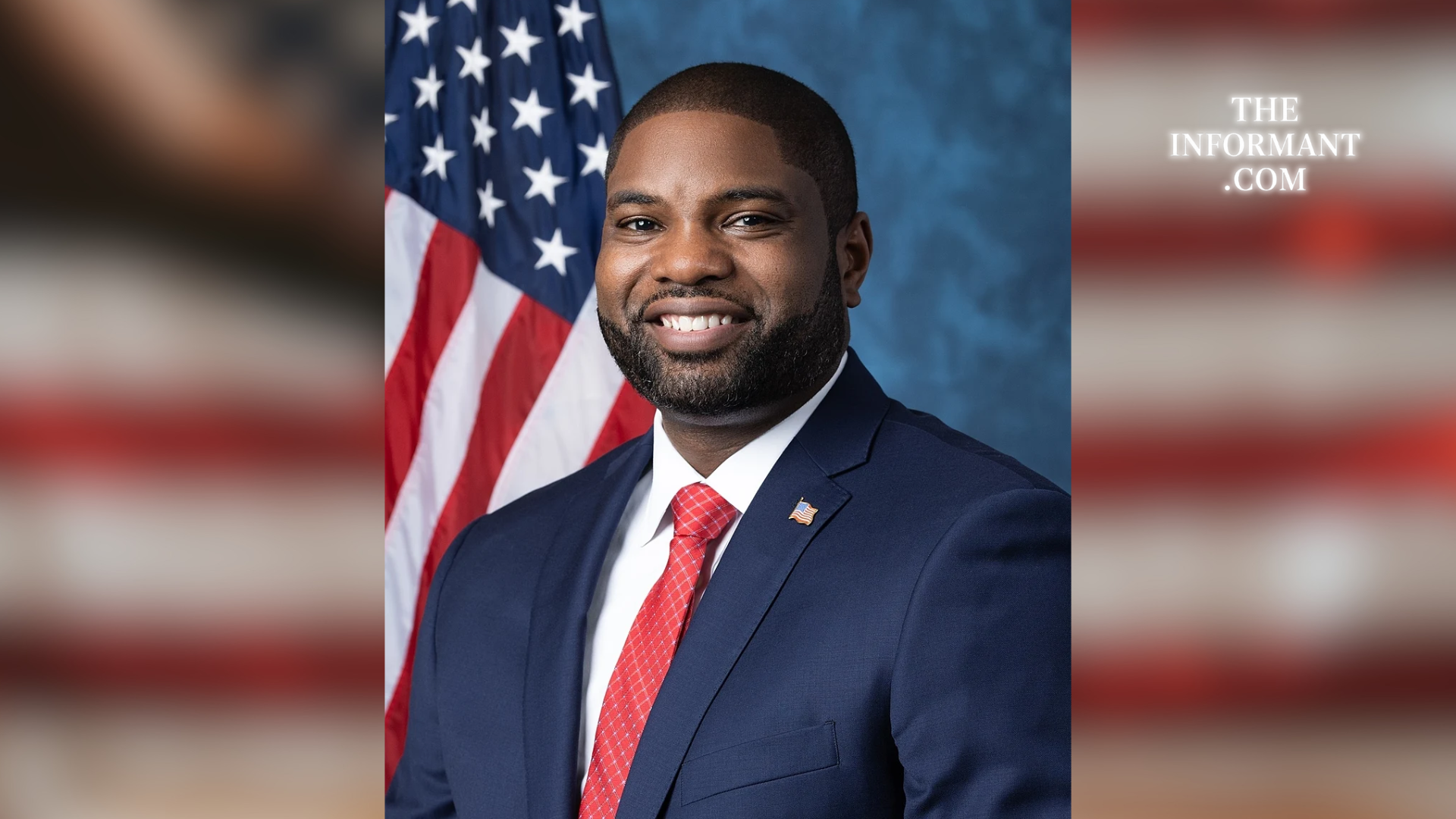
Assistant Attorney General Harmeet K. Dhillon, who leads the Civil Rights Division, said the nationwide operation reflects the administration’s emphasis on election integrity and transparency.
The department described the deployment as the largest of its kind in DOJ history. Federal election monitoring itself is not new: administrations from both major political parties have deployed Justice Department personnel since the Voting Rights Act was enacted in 1965.
The unprecedented feature of the November 3 announcement is its geographic reach, covering all 50 states instead of the smaller groups of states selected in previous national elections.
MORE THAN 120 JURISDICTIONS INCLUDED IN THE DEPLOYMENT
The department published a detailed list of counties and cities selected for monitoring. In New York, those jurisdictions include New York County, Kings County, Westchester County, Albany County and Erie County.
Other locations include Los Angeles and San Diego counties in California; Miami-Dade, Broward and Palm Beach counties in Florida; Harris and Dallas counties in Texas; Philadelphia in Pennsylvania; and multiple communities in Michigan, Georgia and other states.
The list identifies areas where federal personnel intend to observe election activities. It does not disclose the precise number of monitors assigned to every jurisdiction, nor does inclusion establish that wrongdoing occurred in any of those locations.
WHY THE DEPLOYMENT IS RAISING QUESTIONS
The expanded operation has generated contrasting reactions. Justice Department officials argue that greater monitoring can help identify violations of federal law, protect access to voting and support confidence in election administration.
Some Democratic officials, civil-rights advocates and local election administrators have expressed concern that the scale of federal involvement could create confusion or result in inappropriate interactions with voters.
Reuters has reported that several states have issued guidance concerning the authority and conduct of federal observers. The department has maintained that its personnel will comply with applicable laws and will not interfere with the voting process.
FEDERAL MONITORING DOES NOT MEAN FEDERAL CONTROL OF ELECTIONS
State and local election authorities remain responsible for administering voting, managing ballots, conducting counts and carrying out certification procedures under applicable law.
Federal monitors have a different role: observing activities relevant to federal voting-rights protections and documenting potential violations. Their presence does not automatically give them authority to handle ballots, operate voting machines, interrupt voting or determine election outcomes.
This distinction is especially important amid Election Day reports of equipment problems and procedural disputes. A jurisdiction’s appearance on the DOJ monitoring list does not prove that federal officials anticipated a malfunction, discovered fraud or intervened in ballot counting.
HOW THE 2026 OPERATION COMPARES WITH PREVIOUS ELECTIONS
The expansion becomes clearer when compared with earlier Justice Department announcements. During the 2022 midterm elections, federal monitors were assigned to 64 jurisdictions across 24 states. For the 2024 presidential election, the department announced monitoring in 86 jurisdictions across 27 states.
The 2026 effort now extends to all 50 states, with roughly 1,000 personnel deployed. The increase represents a substantial change in scale, although the historical figures describe geographic coverage rather than a complete comparison of staffing levels.
DOJ ELECTION MONITORING: 2022–2026
STATES COVERED BY DOJ MONITORS
Bar scale: 0 to 50 states
HISTORICAL DEPLOYMENT SCOPE
| YEAR | STATES | LOCAL AREAS |
|---|---|---|
| 2022 | 24 | 64 |
| 2024 | 27 | 86 |
| 2026 | 50 | 120+ |
DOJ election monitoring focuses on compliance with federal voting-rights laws. The deployment does not place federal monitors at every polling location or transfer responsibility for election administration and vote counting away from state and local authorities.
DOJ — November 3, 2026 Announcement
DOJ — 2024 Election Monitoring
DOJ — 2022 Election Monitoring
Publication date: November 3, 2026. Historical and announced deployment figures, not live election monitoring statistics.
WHAT HAPPENS AFTER ELECTION DAY?
The Justice Department said its Civil Rights Division would remain engaged with election officials and review reports of potential violations of federal voting-rights laws. Whether any particular complaint results in further investigation or enforcement action depends on the evidence and applicable legal standards.
The next significant questions concern how the expanded deployment operated in practice, whether monitors documented violations, and how state and local election officials assessed the federal presence. The monitoring announcement itself does not establish misconduct or predict the outcome of any election.
For now, November 3, 2026, marks a new milestone in federal election observation: the first nationwide DOJ deployment covering every U.S. state during the same Election Day.