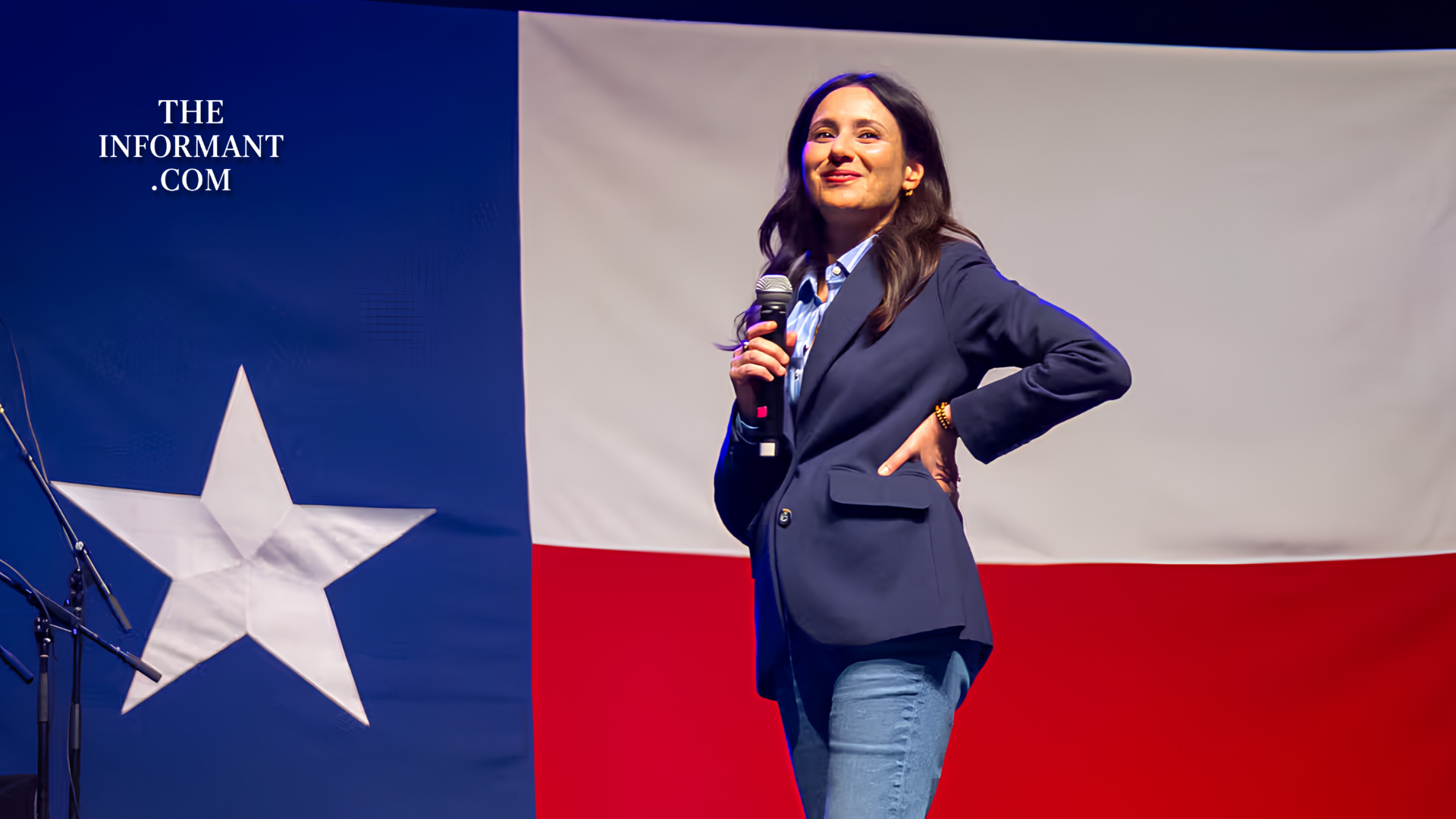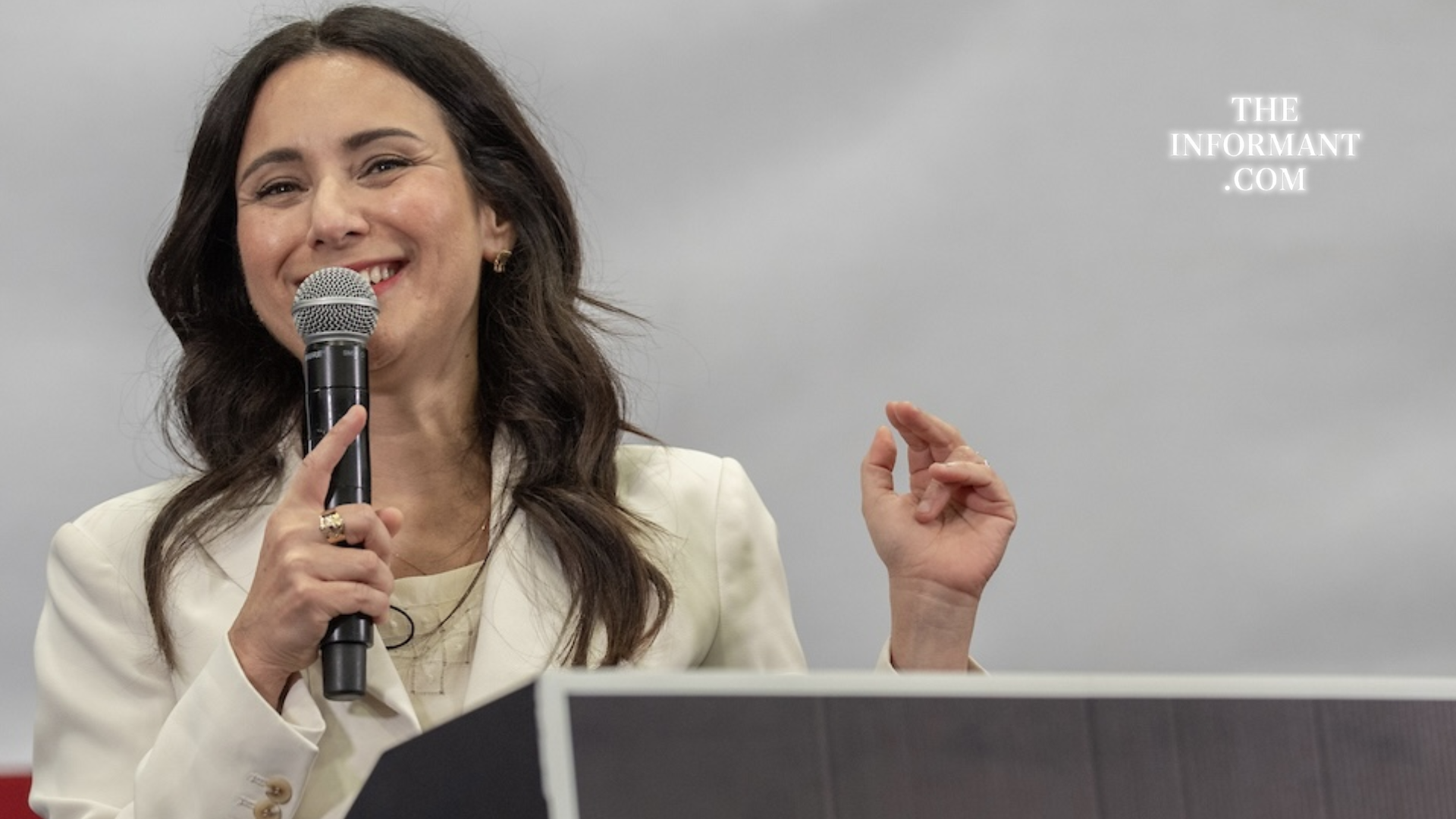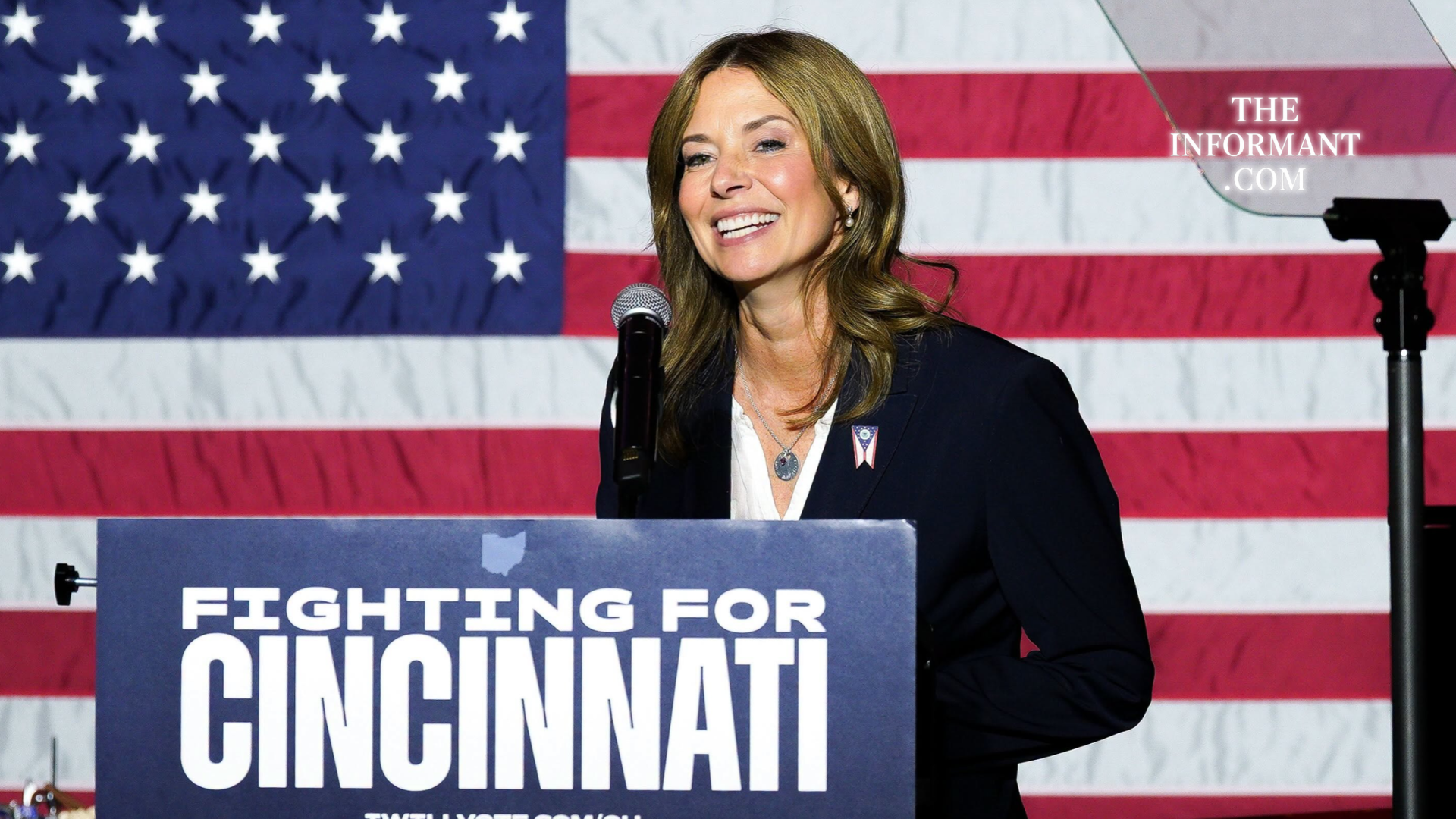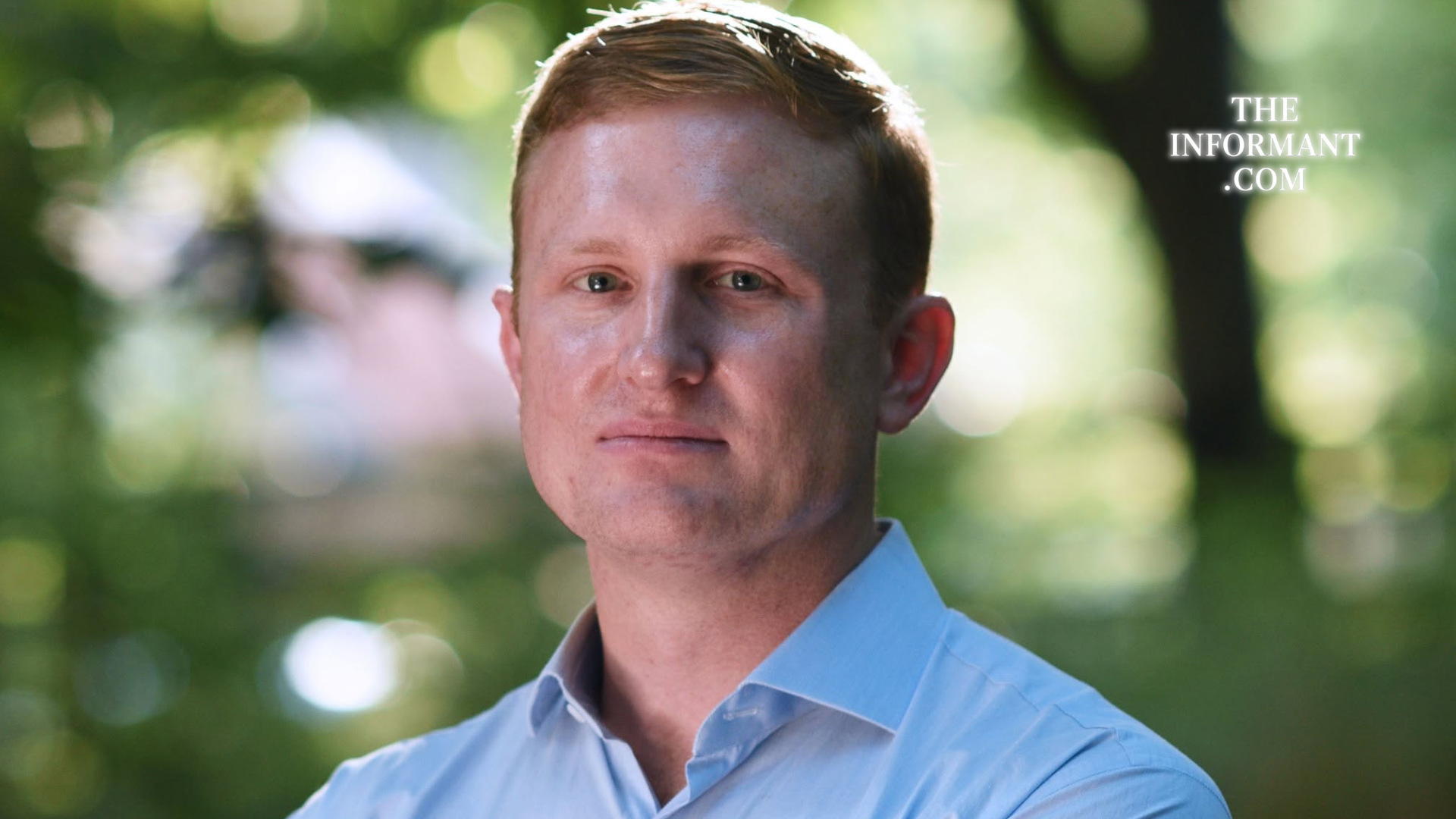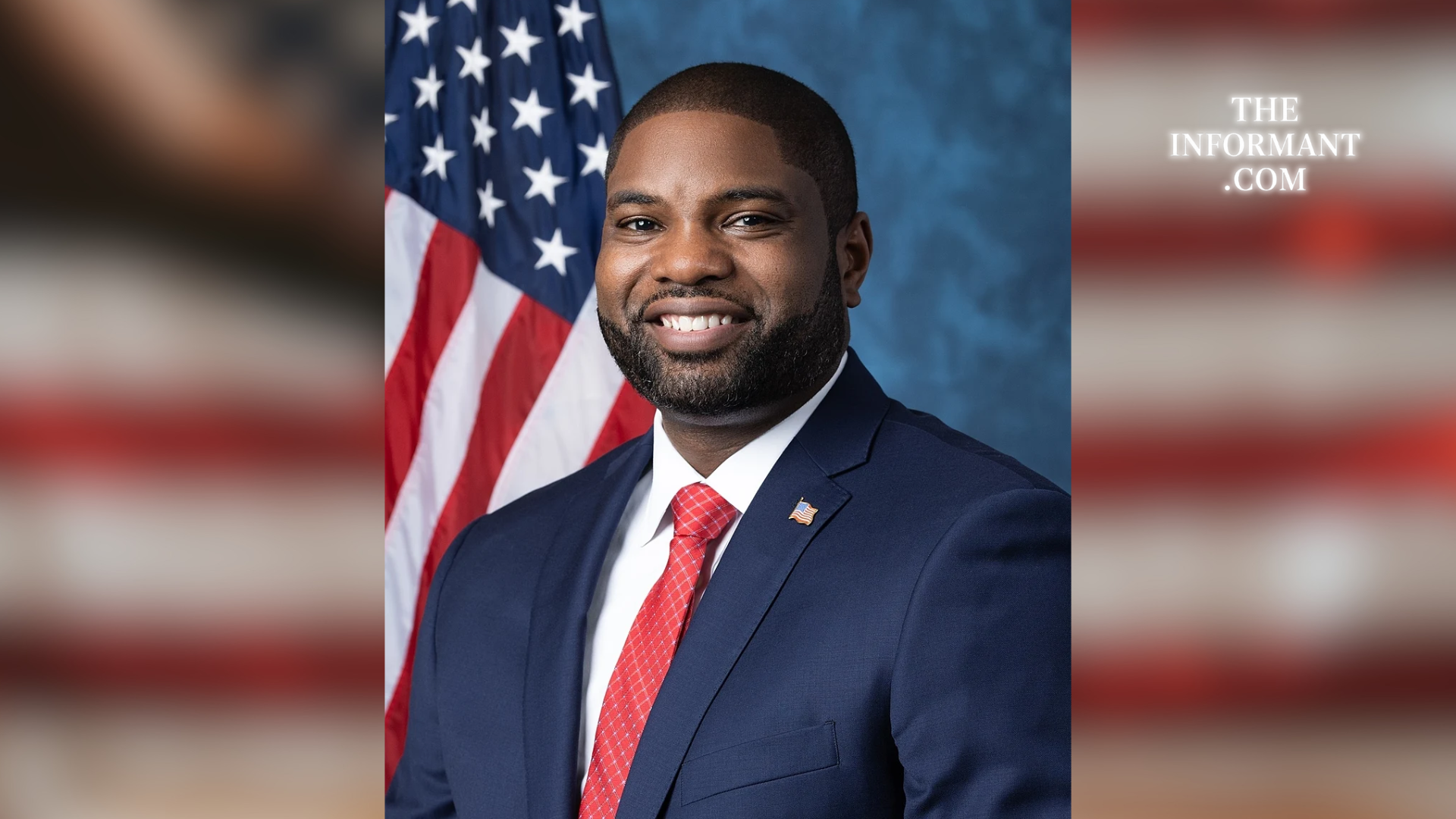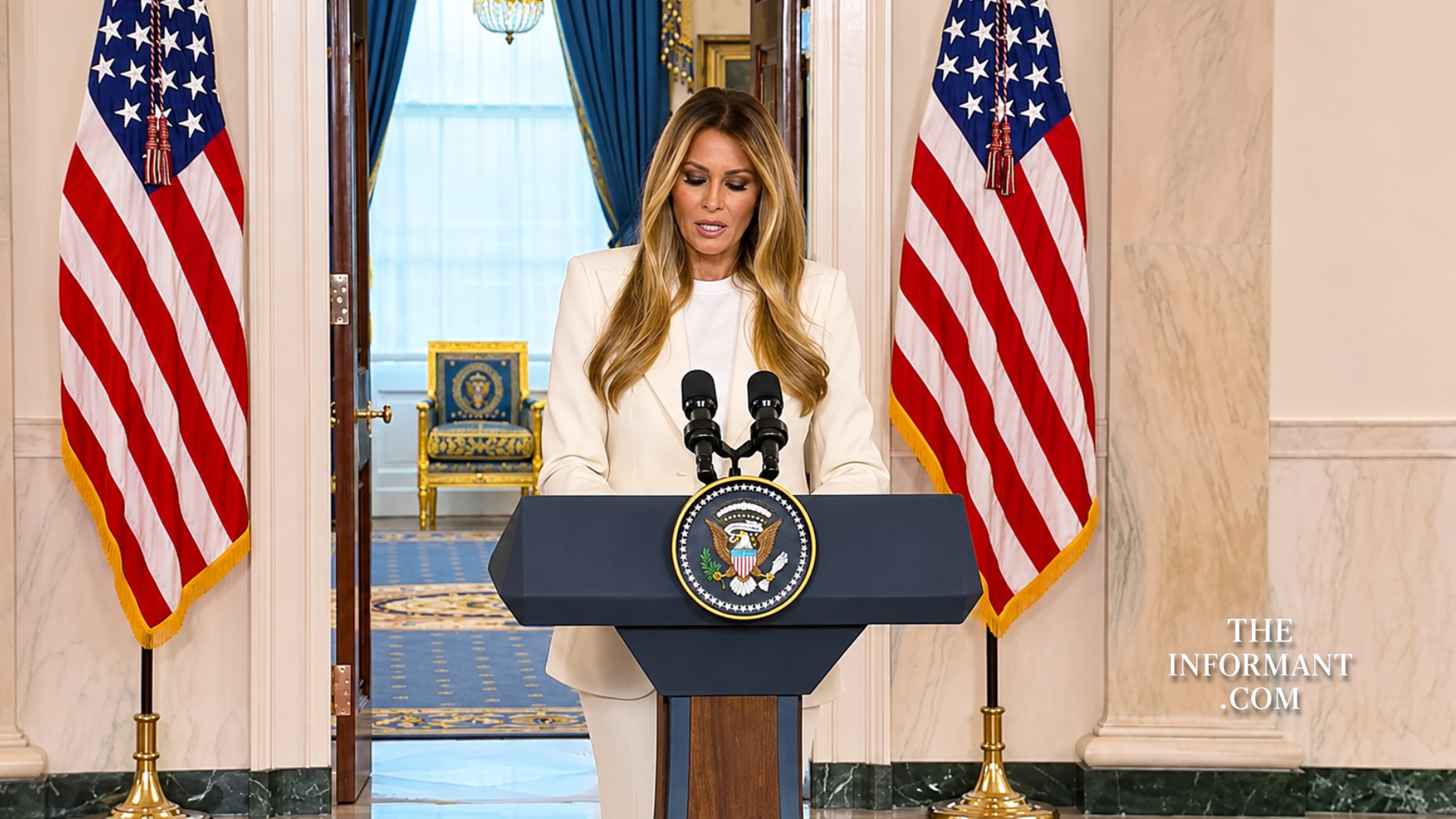
WASHINGTON, D.C. — November 5, 2026. First Lady Melania Trump brought representatives of Russia and Ukraine together at the White House on Thursday following a temporary humanitarian ceasefire in Oleshky, a Russian-occupied city in southern Ukraine. The unusual diplomatic gathering highlighted her role in facilitating an agreement that allowed humanitarian assistance and civilian evacuations in an area severely affected by the war.
MELANIA TRUMP CALLS FOR HUMANITY OVER WAR
During her remarks, the First Lady urged both nations to build on the cooperation demonstrated in Oleshky and pursue a more enduring peace.
She called on representatives to recognize their shared responsibility toward innocent civilians suffering from the conflict.
Melania expressed hope that the humanitarian agreement could become a starting point for broader cooperation, describing the initiative as a potential source of hope amid years of war.
A SIX-DAY CEASEFIRE IN SOUTHERN UKRAINE
The White House announced the humanitarian arrangement on October 23, following discussions involving representatives from Russia and Ukraine.
The ceasefire took effect on October 27 and lasted six days, ending November 1, according to Associated Press reporting.
Its purpose was to temporarily halt military operations around Oleshky, allowing humanitarian teams to deliver essential supplies and assist civilians wishing to leave the city.
Oleshky, located in Ukraine’s Kherson region, has been under Russian occupation since the early stages of the full-scale invasion in 2022.
"Now we must use the courage we brought to Oleshky to find common ground through a shared concern for the suffering of innocent people." ❤️@FLOTUS Melania Trump unites Russia and Ukraine following the historic ceasefire that she brokered in Oleshky.
— The White House (@WhiteHouse) November 5, 2026
It's the first time in… pic.twitter.com/9jQ3zm038o
HUNDREDS OF CIVILIANS RECEIVE HUMANITARIAN ASSISTANCE
The temporary agreement allowed humanitarian convoys to operate in an area where residents had faced severe shortages of food, clean water, medicine and electricity.
Melania Trump said the operation created the capacity to evacuate more than 750 people.
Independent reporting indicates that hundreds of civilians were evacuated, although precise totals differ among sources.
Residents were offered assistance in reaching Ukrainian-controlled territory, Russian-controlled areas or remaining in Oleshky with additional humanitarian supplies.
RUSSIAN AND UKRAINIAN REPRESENTATIVES ATTEND WHITE HOUSE EVENT
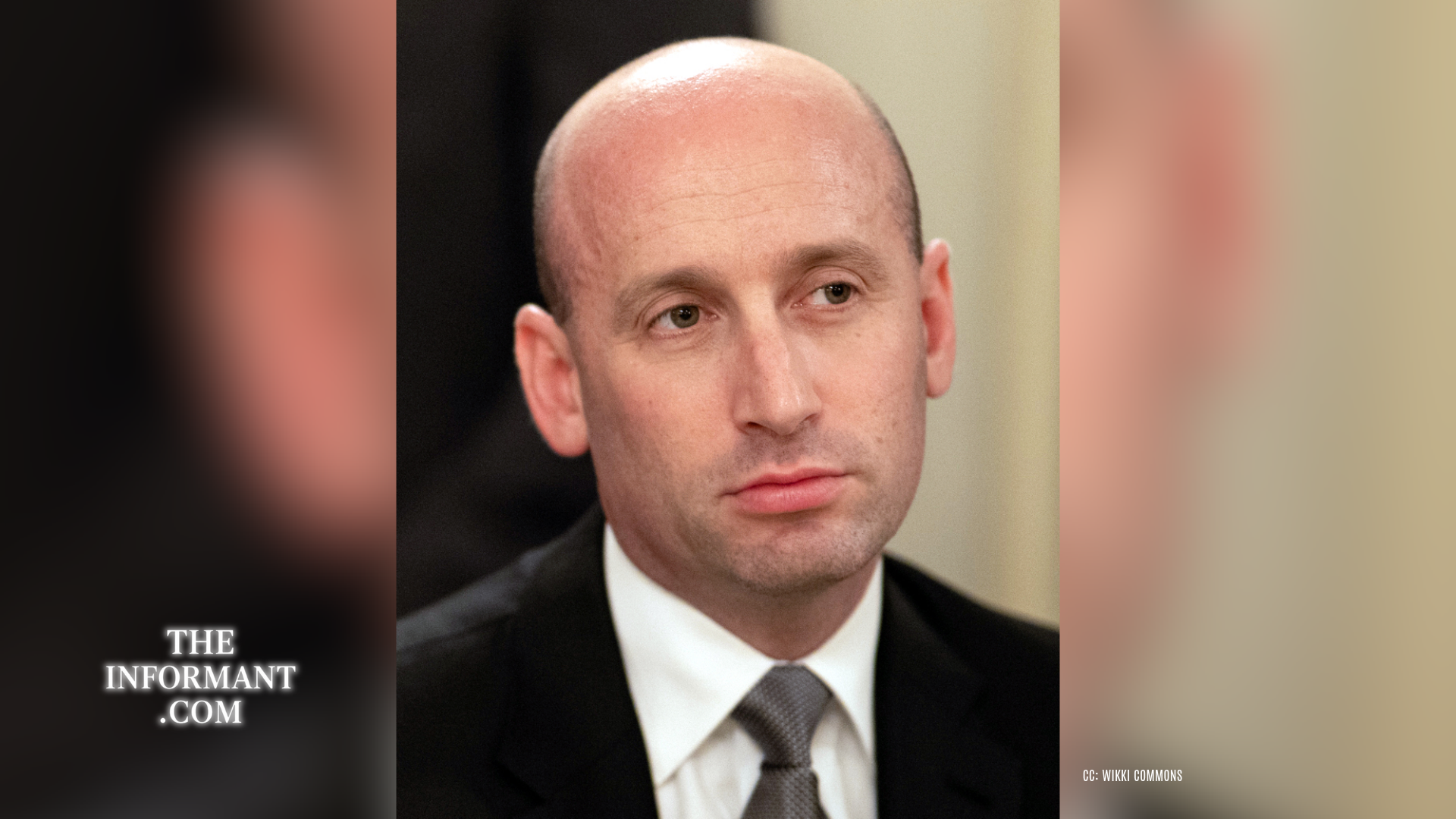
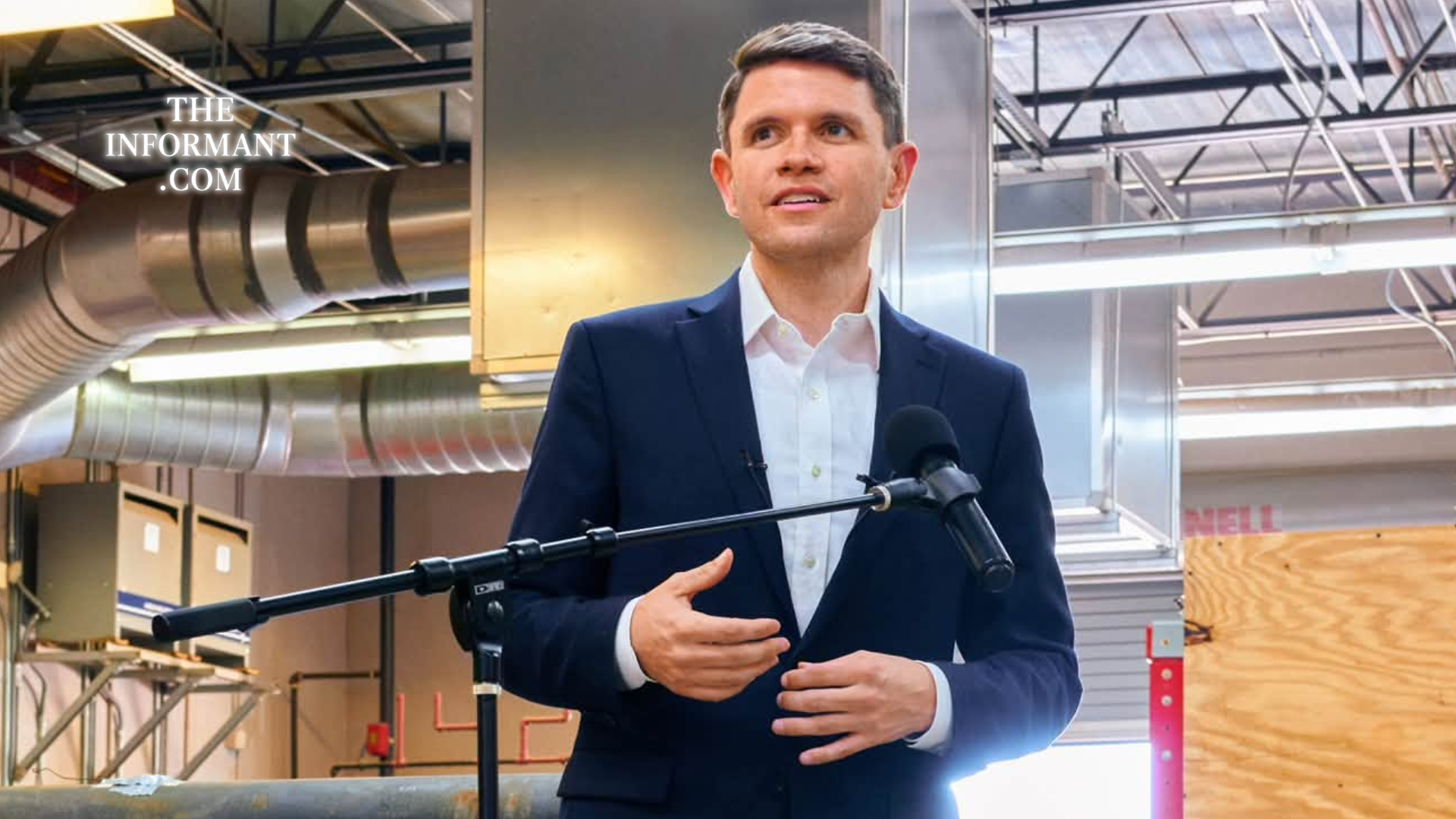
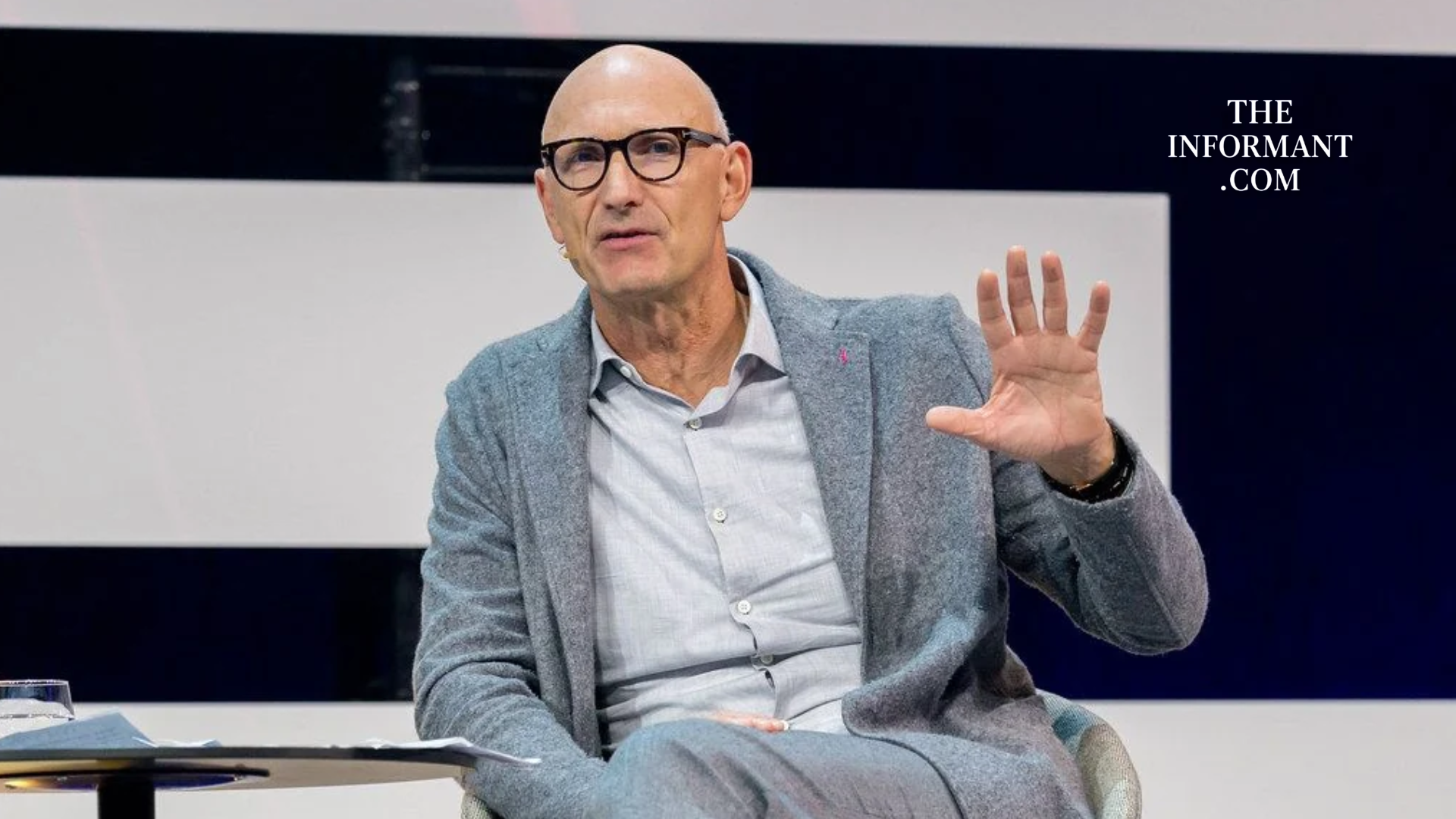
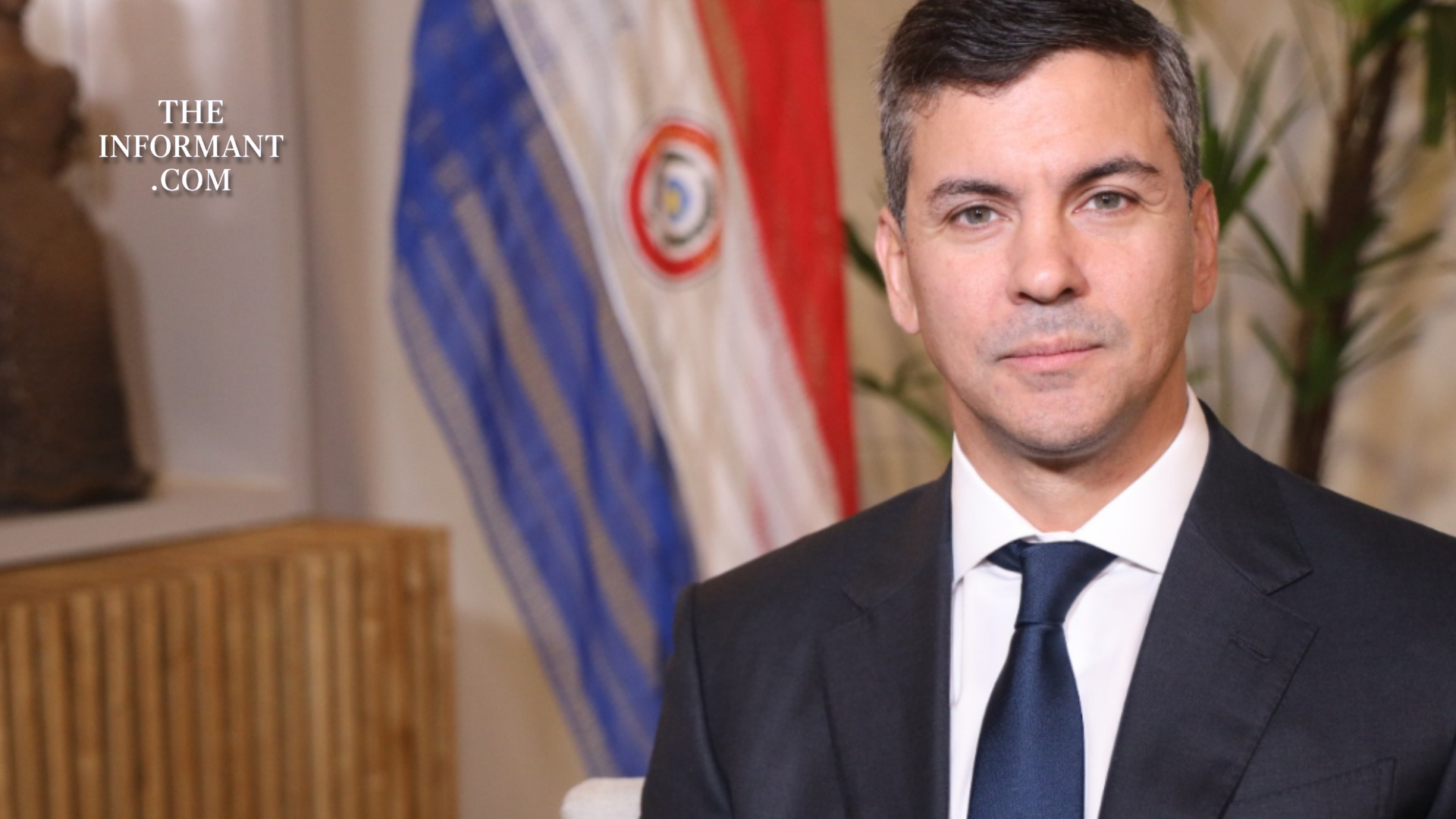
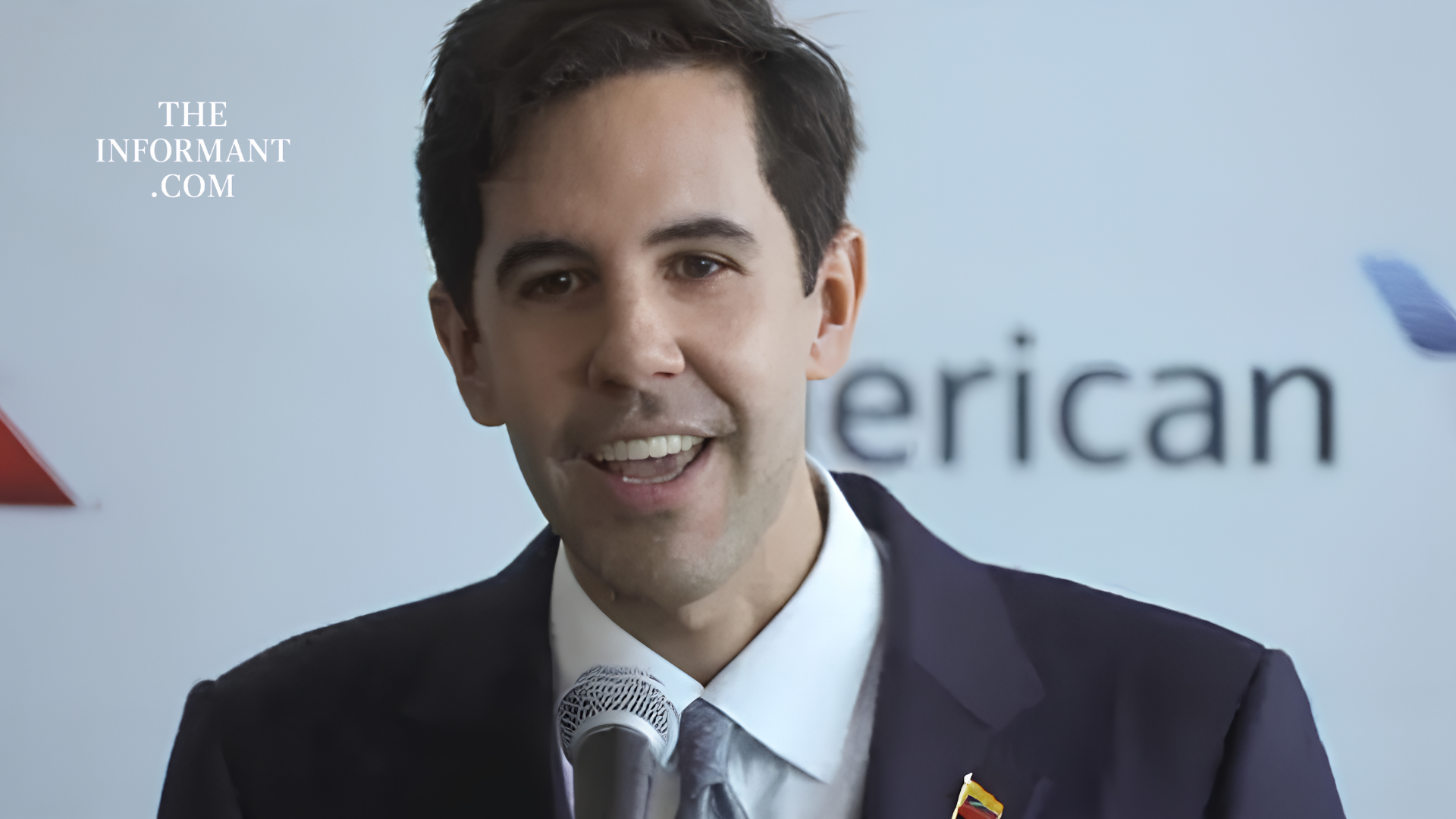
Among the attendees were Russian presidential envoy Kirill Dmitriev, Ukrainian lawmaker Davyd Arakhamia and Ukrainian human rights commissioner Dmytro Lubinets.
The meeting represented an unusual moment of direct engagement involving officials from countries still engaged in active conflict.
Russian and Ukrainian representatives acknowledged the humanitarian cooperation that made the temporary ceasefire possible.
However, the meeting did not constitute a comprehensive peace agreement or a resolution of the territorial disputes underlying the war.
FIRST LADY’S UNUSUAL DIPLOMATIC ROLE
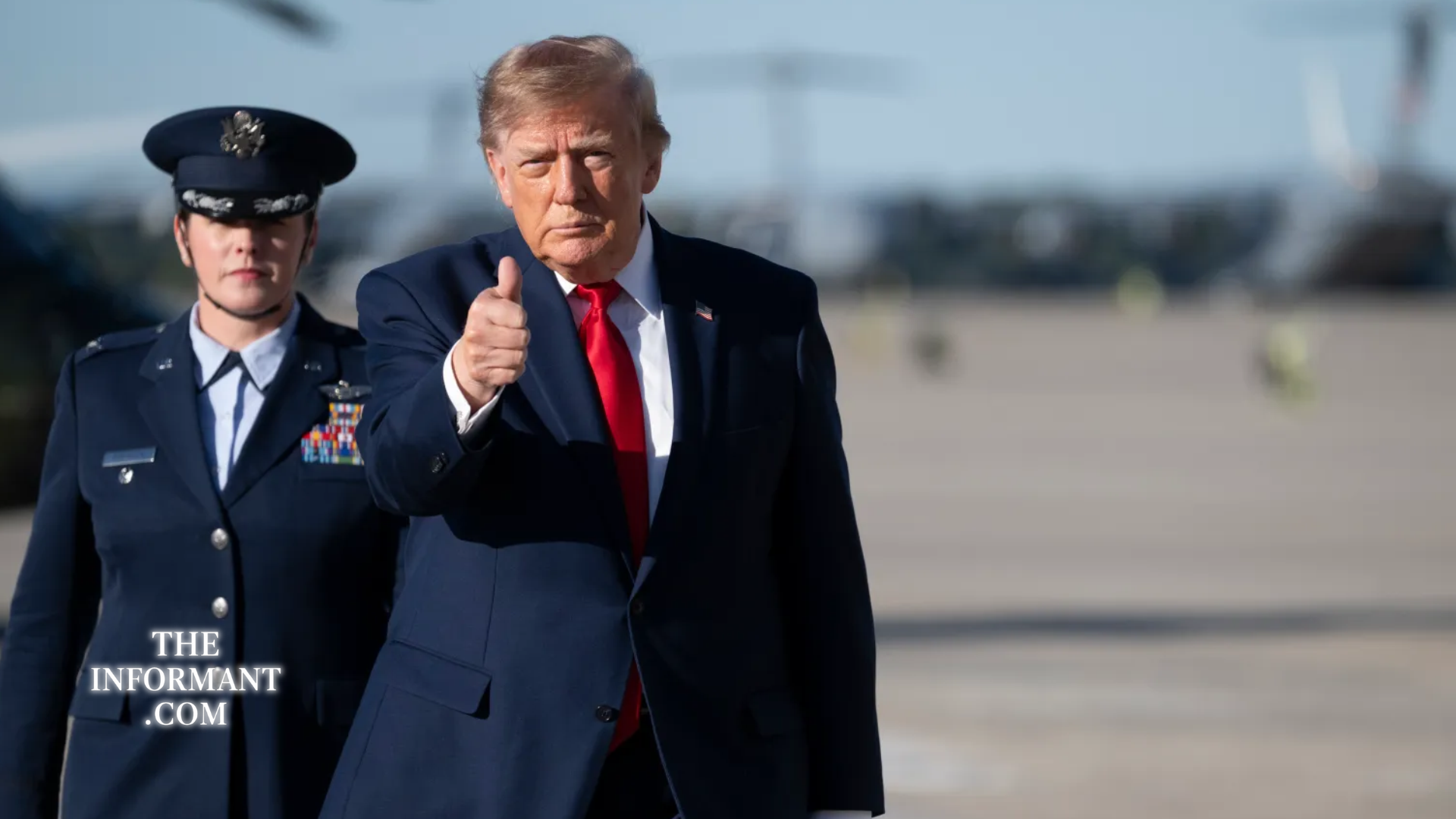
The White House has characterized Melania Trump’s participation as an unprecedented diplomatic initiative by an American First Lady.
According to the administration, she helped initiate communication between both sides and participated in coordinating the terms and logistics of the humanitarian operation.
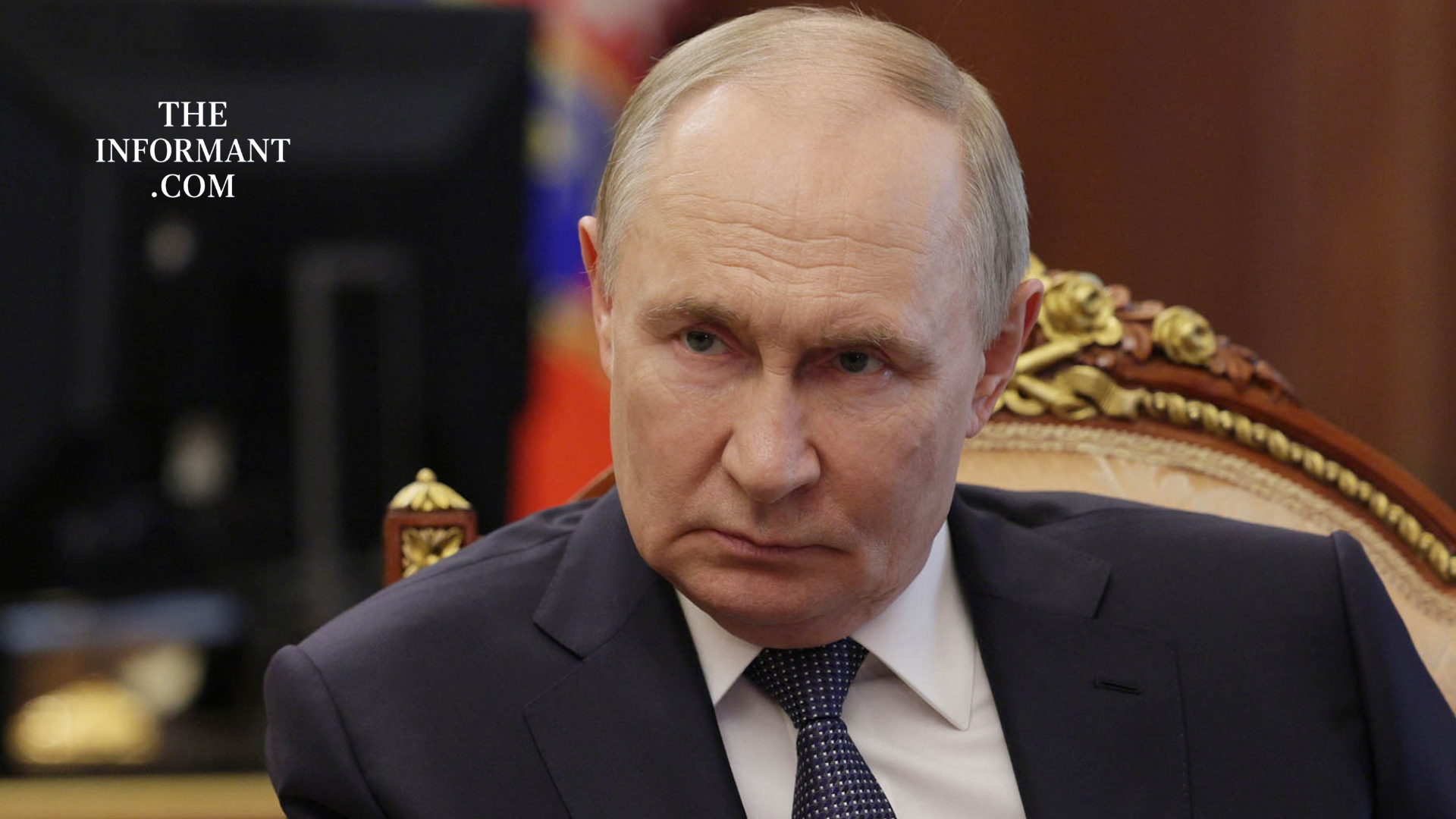
The First Lady said she had contacted Russian President Vladimir Putin and Ukrainian President Volodymyr Zelenskyy through personal letters.
While the White House describes her role as historic, the claim that no previous First Lady has ever convened representatives of warring nations in a comparable setting requires a broader historical assessment.
PEACE TALKS EXPECTED TO CONTINUE
The humanitarian meeting comes ahead of additional U.S.-mediated discussions involving Russia and Ukraine, expected in Abu Dhabi on November 10 and 11.
Those talks are separate from the localized Oleshky ceasefire and could address broader issues related to the conflict.
Despite the humanitarian breakthrough, fighting continues elsewhere in Ukraine.
Melania Trump expressed hope that the cooperation achieved in Oleshky could encourage further negotiations and a more lasting agreement.
For now, the initiative demonstrates that limited humanitarian coordination is possible even while the wider conflict remains unresolved.