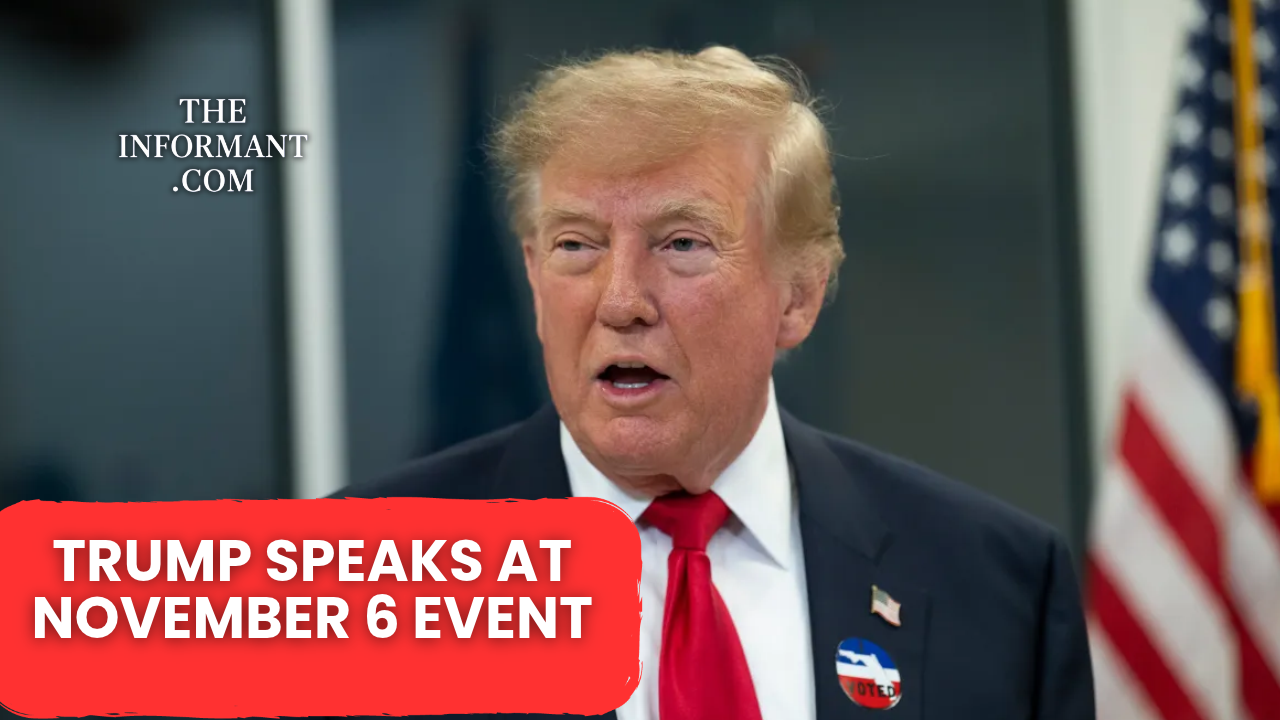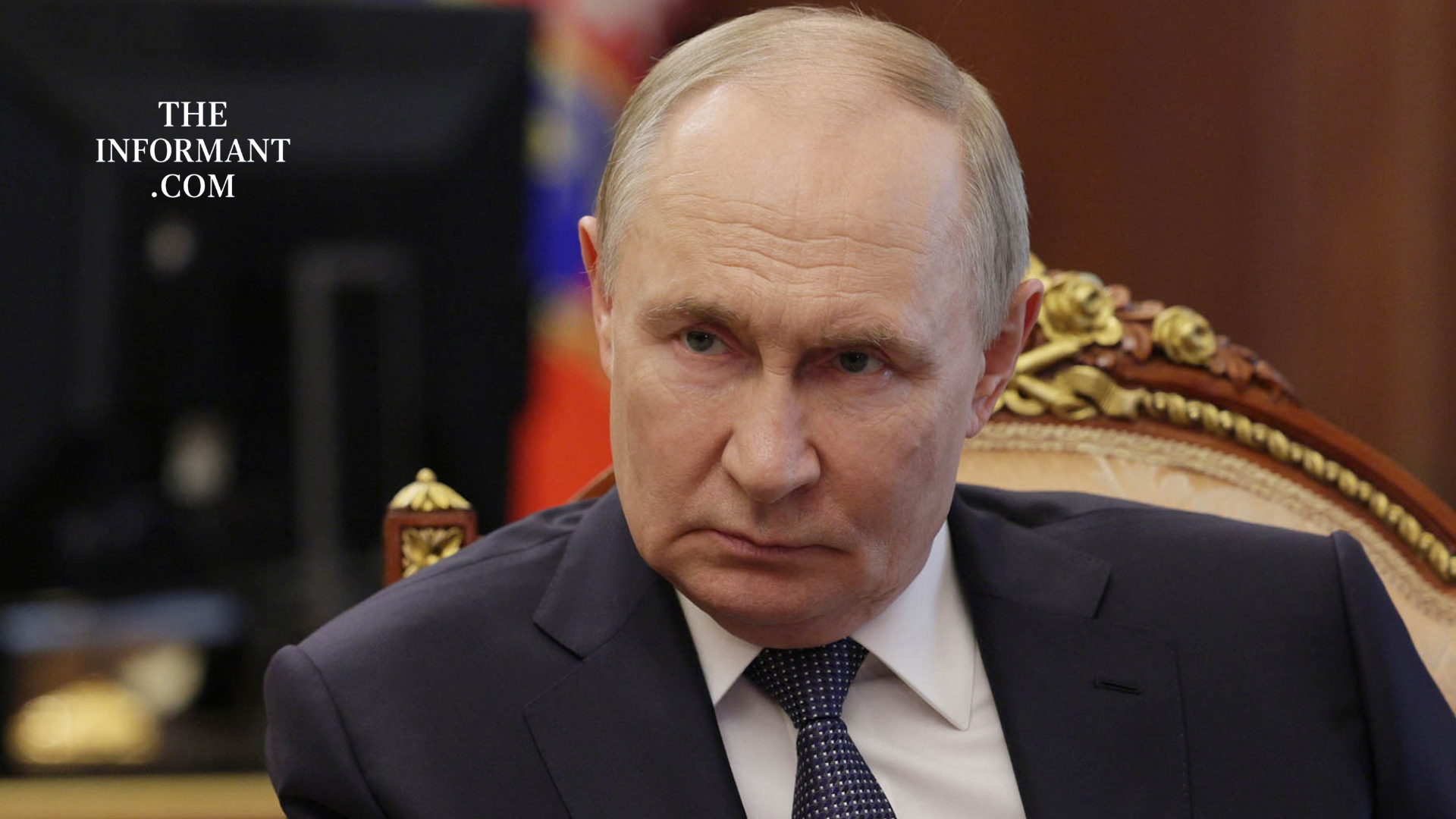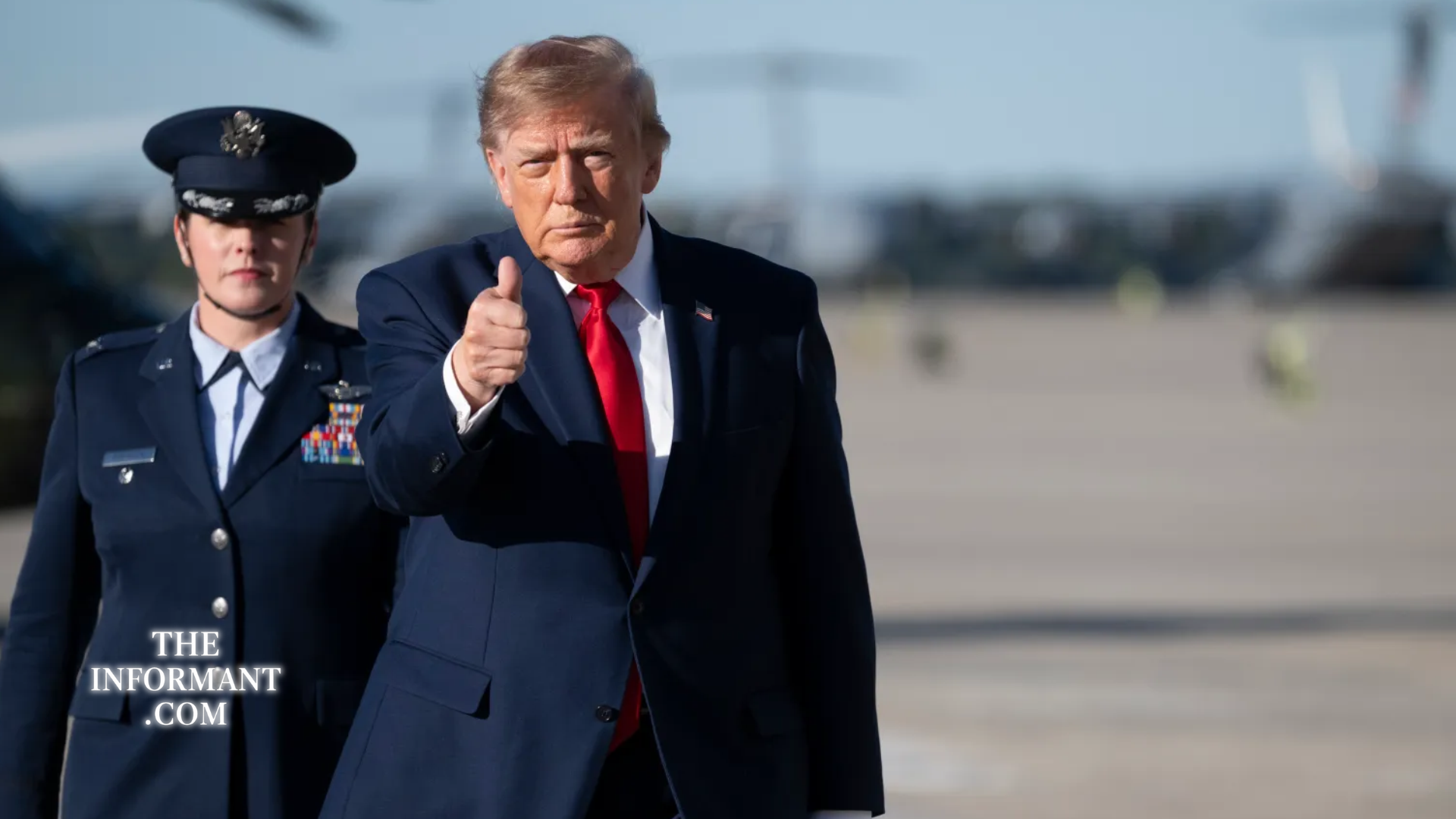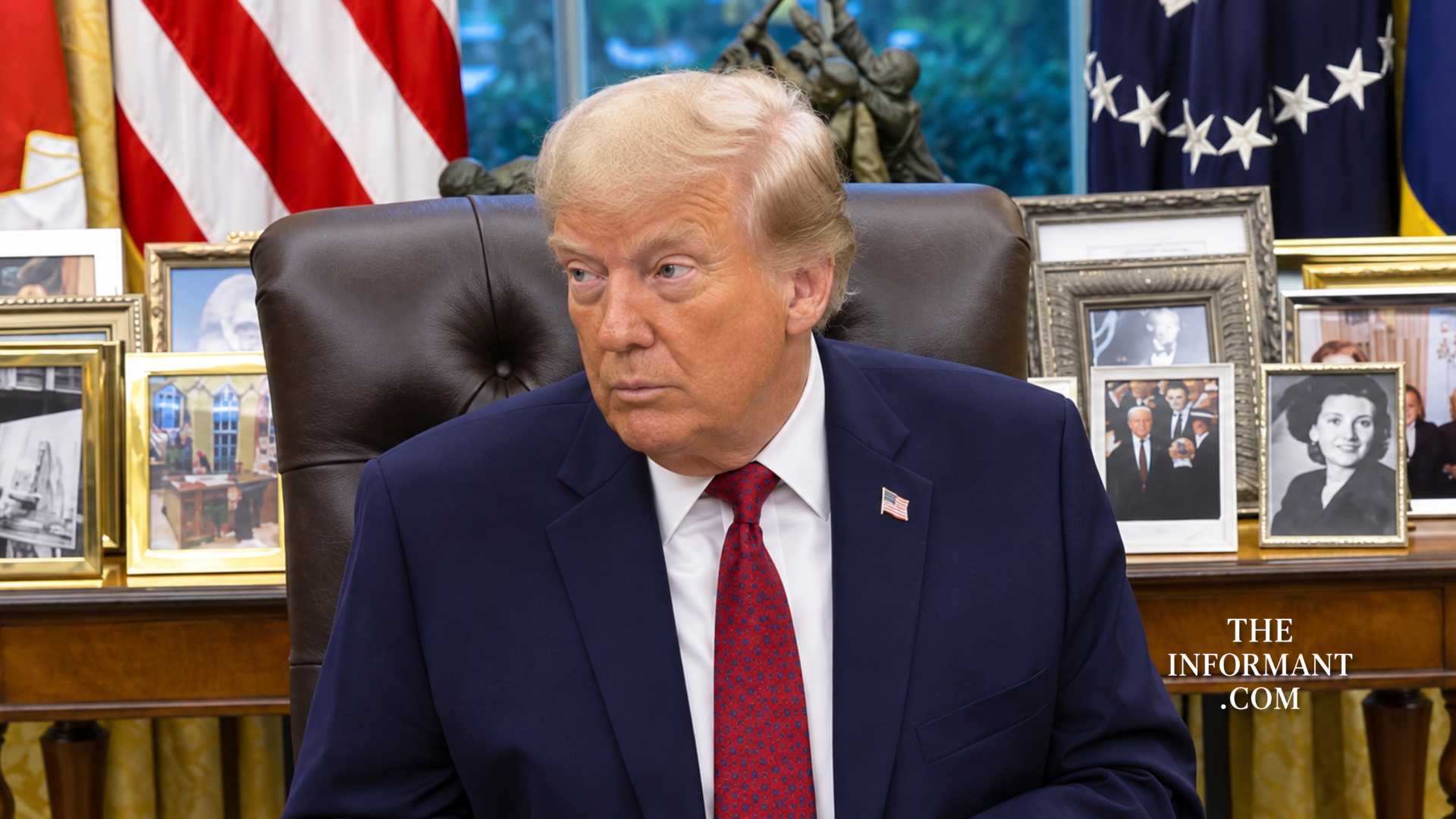
WASHINGTON, D.C. — November 6, 2026. President Donald Trump has suggested that a major diplomatic agreement aimed at ending Russia’s war in Ukraine could extend beyond the conflict and involve much of Europe. Speaking to reporters at the White House on November 5, Trump said an agreement could be reached soon following a private meeting with Russian President Vladimir Putin’s special envoy, Kirill Dmitriev.
TRUMP PREDICTS SWEEPING INTERNATIONAL AGREEMENT
The president described the potential agreement as a major diplomatic development that could affect countries beyond Ukraine.
He said the arrangement might involve the entire European continent and expressed confidence that the outcome would be welcomed internationally.
However, Trump did not disclose the substance of his discussions with Dmitriev or identify specific terms that Russia, Ukraine or European governments had accepted.
His comments therefore represent a prediction about negotiations, not the announcement of a completed peace agreement.
.@POTUS: "There's going to be an agreement. It's going to be a big agreement, and it's going to involve more than Ukraine… I could even say it might involve all of Europe. It's going to be a big, beautiful agreement — and everybody is going to be thrilled." pic.twitter.com/jBE2me9OBV
— Rapid Response 47 (@RapidResponse47) November 5, 2026
PRESIDENT MEETS WITH PUTIN’S SPECIAL ENVOY
Trump confirmed that he met privately with Dmitriev during the Russian official’s visit to Washington.
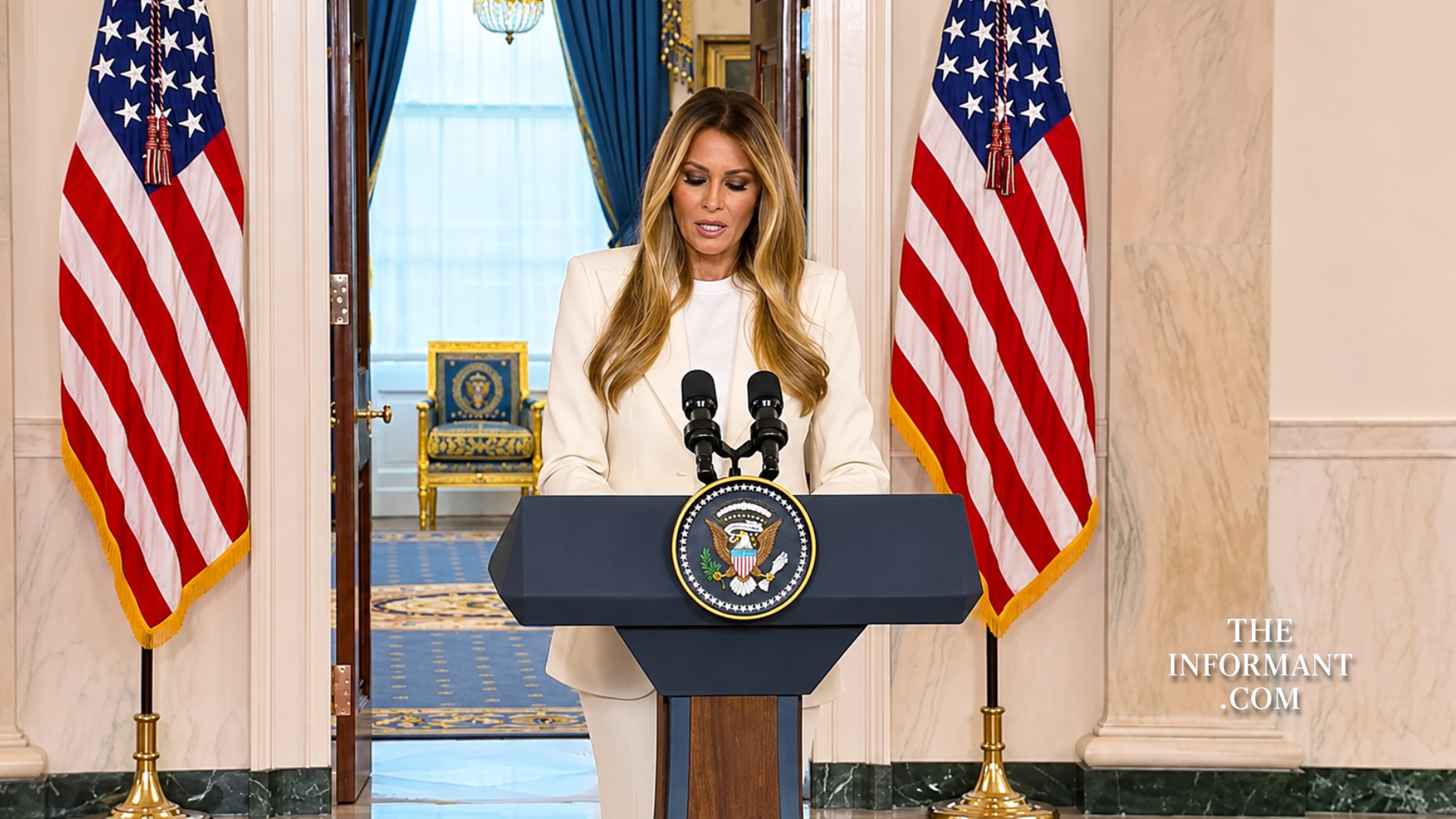
The meeting followed a White House gathering hosted by First Lady Melania Trump, attended by representatives from Russia and Ukraine.
When reporters asked whether he had also met with the Ukrainian delegation, Trump said he had not.
The separate meeting with Moscow’s representative has raised questions about how Washington intends to balance negotiations with Russia against Ukraine’s participation in decisions affecting its sovereignty and security.
EUROPEAN SECURITY COULD BECOME PART OF NEGOTIATIONS
Trump’s remarks suggest that future discussions could extend to broader security arrangements involving European governments.
His adviser Jared Kushner separately participated in discussions in Brussels with Ukrainian, NATO and European representatives.
Those conversations addressed possible security guarantees for Ukraine, measures to reduce military escalation and the development of a wider European security framework.
Any comprehensive agreement would face difficult questions concerning Ukraine’s territorial integrity, international security commitments and the role of NATO.
NEW PEACE TALKS SCHEDULED IN ABU DHABI
Representatives of the United States, Ukraine and Russia are scheduled to participate in negotiations in Abu Dhabi on November 10 and 11.
The discussions are expected to address possible steps toward ending the war and establishing security arrangements intended to prevent renewed hostilities.
The planned meeting follows years of unsuccessful diplomatic efforts and continued fighting following Russia’s full-scale invasion of Ukraine in February 2022.
No final agreement has been announced ahead of the talks.
MELANIA TRUMP’S HUMANITARIAN INITIATIVE PROVIDES BACKDROP
Trump’s remarks came on the same day Melania Trump hosted Russian and Ukrainian representatives at the White House to recognize a temporary humanitarian ceasefire in Oleshky, a Russian-occupied city in southern Ukraine.
The localized six-day truce allowed humanitarian assistance and civilian evacuations.
Although the operation demonstrated limited cooperation between the warring parties, it did not establish a nationwide ceasefire or end the conflict.
The First Lady urged both sides to build on humanitarian cooperation and pursue more lasting diplomatic solutions.
UKRAINE AND EUROPE FACE MAJOR QUESTIONS
A potential agreement covering the broader European security order would have consequences beyond Ukraine.
European governments have emphasized the importance of maintaining NATO’s collective defense arrangements, while Ukrainian officials continue to seek enforceable guarantees against future Russian attacks.
Trump has not explained how his proposed agreement would reconcile these positions with Russia’s demands.
The prospect of a wider deal has therefore generated both diplomatic interest and concerns about the terms Washington might consider.
NO AGREEMENT HAS BEEN FINALIZED
Despite Trump’s optimistic language, the administration has not released a negotiated text, confirmed a signing date or announced that the parties have accepted a common framework.
The next major diplomatic development is expected during the Abu Dhabi discussions.
Until then, the president’s statements should be understood as an indication of his negotiating ambitions rather than confirmation that peace has been secured.