ASUNCIÓN, PARAGUAY — November 6, 2026. Former Paraguayan presidential candidate Paraguayo “Payo” Cubas was confronted and forced to leave an anti-government demonstration in downtown Asunción after protesters accused him of attempting to use the country’s banking crisis for political advantage. The incident occurred Thursday, November 5, as public anger intensified over the collapse of Ueno Bank and the political controversy surrounding President Santiago Peña.
PROTESTERS REJECT PAYO CUBAS
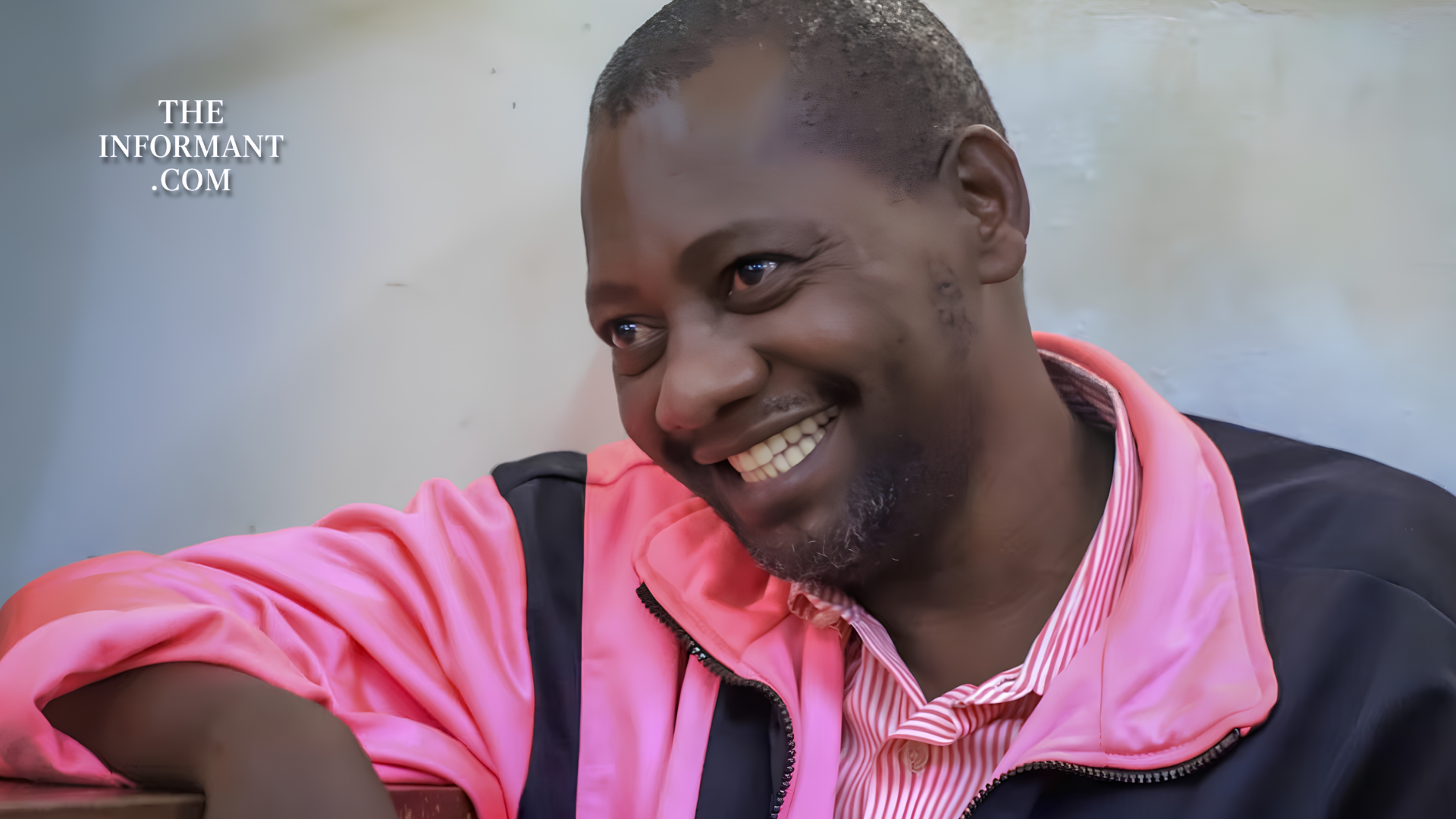
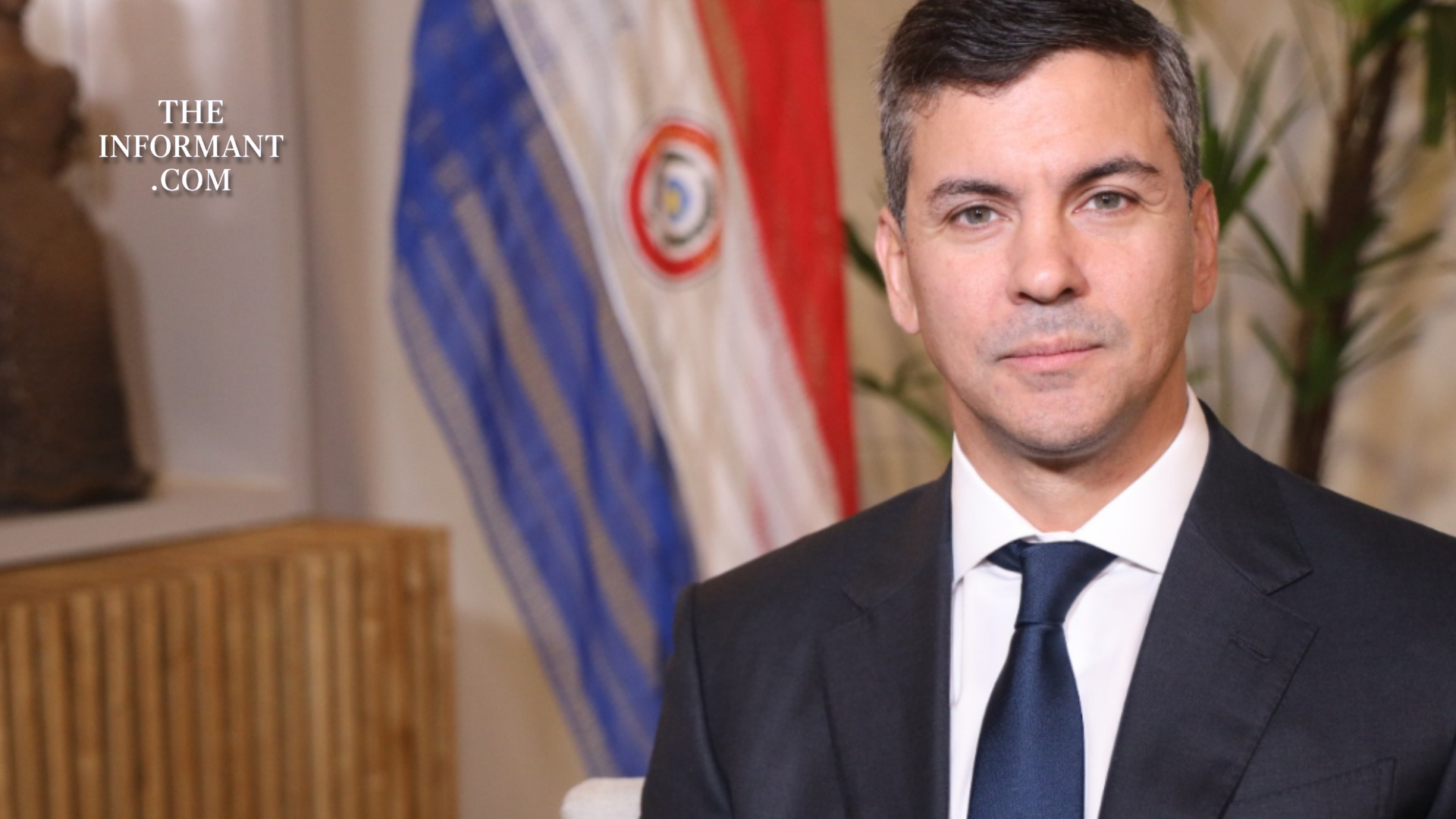
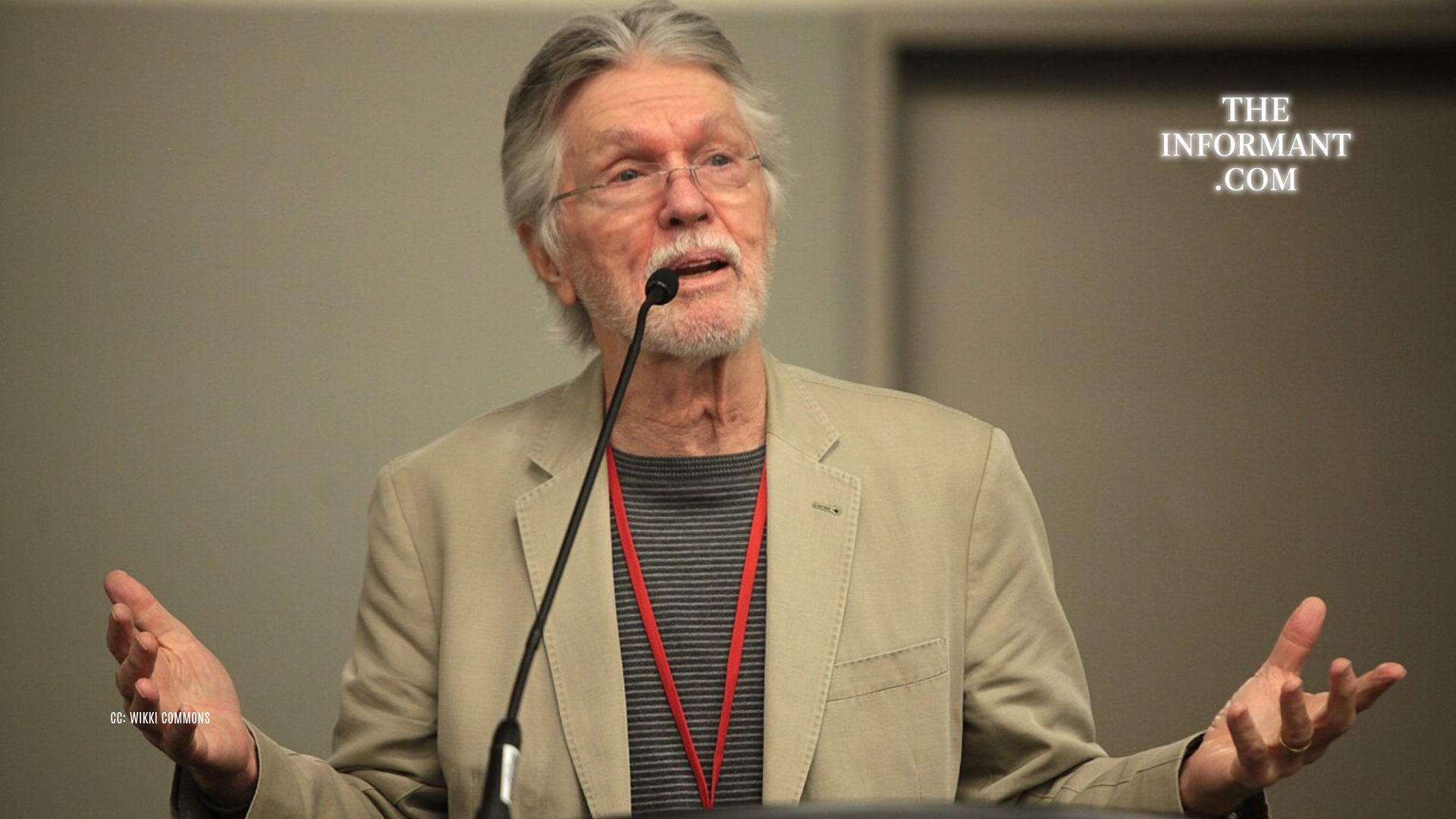
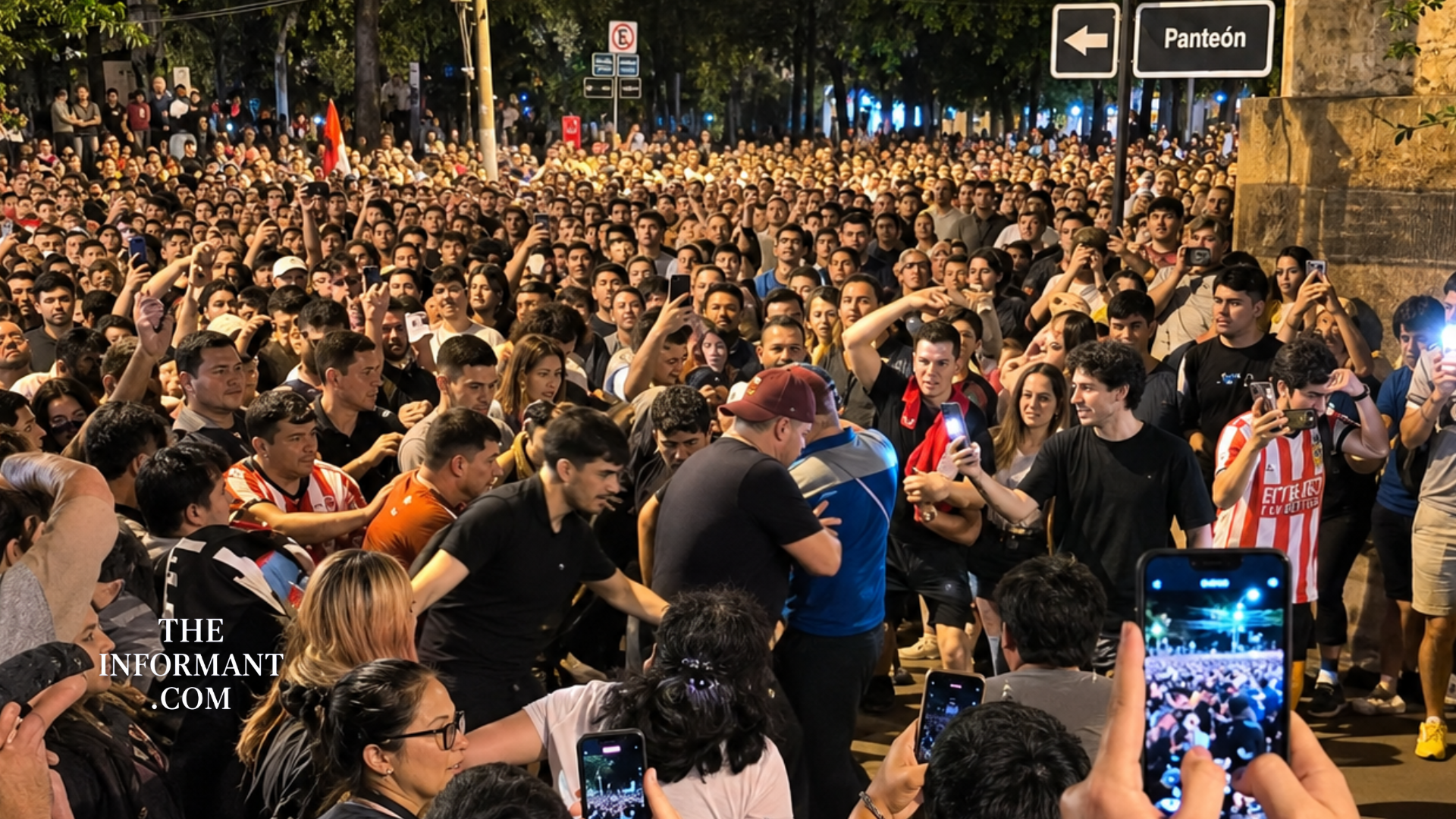
Cubas, a former senator and leader of the National Crusade movement, arrived near the National Pantheon of Heroes intending to join demonstrators protesting the banking crisis.
Instead, several participants confronted him with boos and accusations that he had contributed to Paraguay’s political divisions.
According to local reporting, protesters pushed him away from the gathering, and some threw eggs in his direction.
The confrontation ended with Cubas being removed from the demonstration.
MANIFESTANTES ABUCHEAN Y EXPULSAN A EXCANDIDATO PRESIDENCIAL EN PARAGUAY
— News On Demand (@OnDemand_News) November 6, 2026
🇵🇾🚨 Paraguayo "Payo" Cubas, exsenador y excandidato presidencial que obtuvo casi el 23% de los votos en 2023, fue rechazado por manifestantes en Asunción cuando intentó sumarse a las protestas por la…
A SYMBOLIC RED CARD FOR THE POLITICIAN
Reports circulating in Paraguayan and regional media described demonstrators showing Cubas a symbolic red card, a gesture commonly associated with expulsion in soccer.
The message was directed at political figures whom some participants accused of trying to take control of a protest movement organized by citizens.
Protesters reportedly shouted accusations that Cubas had divided the opposition and questioned his political record.
The incident reflected the anger of those participants, although their actions should not be interpreted as representing the views of every demonstrator.
WHY PROTESTERS CRITICIZED THE FORMER CANDIDATE
Cubas received nearly 23% of the vote in Paraguay’s 2023 presidential election, finishing third in a race won by Santiago Peña.
His candidacy attracted voters dissatisfied with the country’s established political parties.
During the Asunción confrontation, some demonstrators accused Cubas of weakening the opposition vote in that election.
Others criticized his political movement over the subsequent conduct of lawmakers elected on its lists.
In particular, protesters mentioned senators Javier Vera, known as “Chaqueñito,” and Zenaida Delgado, whose later alignment with government-backed initiatives generated controversy.
These criticisms were voiced by protesters and do not establish that Cubas was responsible for the country’s banking crisis.
UENO BANK COLLAPSE SPARKS NATIONAL ANGER
The confrontation occurred amid a financial crisis following the intervention of Ueno Bank by the Central Bank of Paraguay.
Regulators initiated resolution proceedings after finding that the bank’s solvency had fallen below half of the required minimum.
Ueno reported approximately 2.9 million customers, making the disruption particularly significant in a country of roughly 6.1 million people.
The suspension of banking services left many customers temporarily unable to access their accounts, wages and savings.
Authorities have announced measures intended to protect depositors and facilitate the return of eligible funds.
BANKING CRISIS PUTS PRESIDENT PEÑA UNDER PRESSURE
The collapse has also intensified scrutiny of President Santiago Peña because of his previous business connections to Grupo Vázquez, the company associated with Ueno Bank’s ownership.
Peña has denied wrongdoing and said he ended his financial relationship with the business group before the current crisis.
On November 5, the president offered his resignation amid mounting pressure and impeachment proceedings.
However, lawmakers rejected the resignation offer, and the Senate continued considering the impeachment case on November 6.
Peña therefore remained president as the proceedings continued.
PROTESTS CONTINUE IN ASUNCIÓN
Demonstrations have taken place near the National Congress and Ueno Bank facilities, with participants demanding accountability and access to their funds.
Local police also reported incidents involving property damage and confrontations during Thursday night’s protests.
Seven people were detained following disturbances near a bank branch, and an officer was injured.
Those incidents were separate from the confrontation involving Cubas and should not automatically be attributed to him or his supporters.
PUBLIC ANGER EXTENDS BEYOND PARTY POLITICS
The rejection of Cubas illustrates tensions within the demonstrations over whether established political figures should participate in a movement driven by public frustration.
While some protesters oppose the government’s handling of the banking crisis, others have also expressed distrust toward opposition leaders.
The dispute comes as authorities continue investigating Ueno Bank’s financial condition, its management and the handling of public deposits.
For the thousands of families struggling to regain access to their money, the central questions remain how quickly funds can be recovered and whether those responsible for any wrongdoing will be held accountable.