CARACAS, Venezuela — October 29, 2026. Venezuelan opposition leader and Nobel Peace Prize laureate María Corina Machado delivered her first formal public address Thursday since returning to the country after nearly 10 months abroad, declaring that Venezuela’s democratic transition is irreversible and calling for presidential elections in 2027.
Speaking at the Universidad Católica Andrés Bello in Caracas, Machado said she had returned to complete the political mission she began before leaving the country in December 2025. Her remarks followed an emotional homecoming on October 25, when thousands of supporters filled streets and highways, waving Venezuelan flags and chanting “Libertad,” the Spanish word for freedom.
MACHADO DELIVERS FIRST FORMAL ADDRESS SINCE RETURN
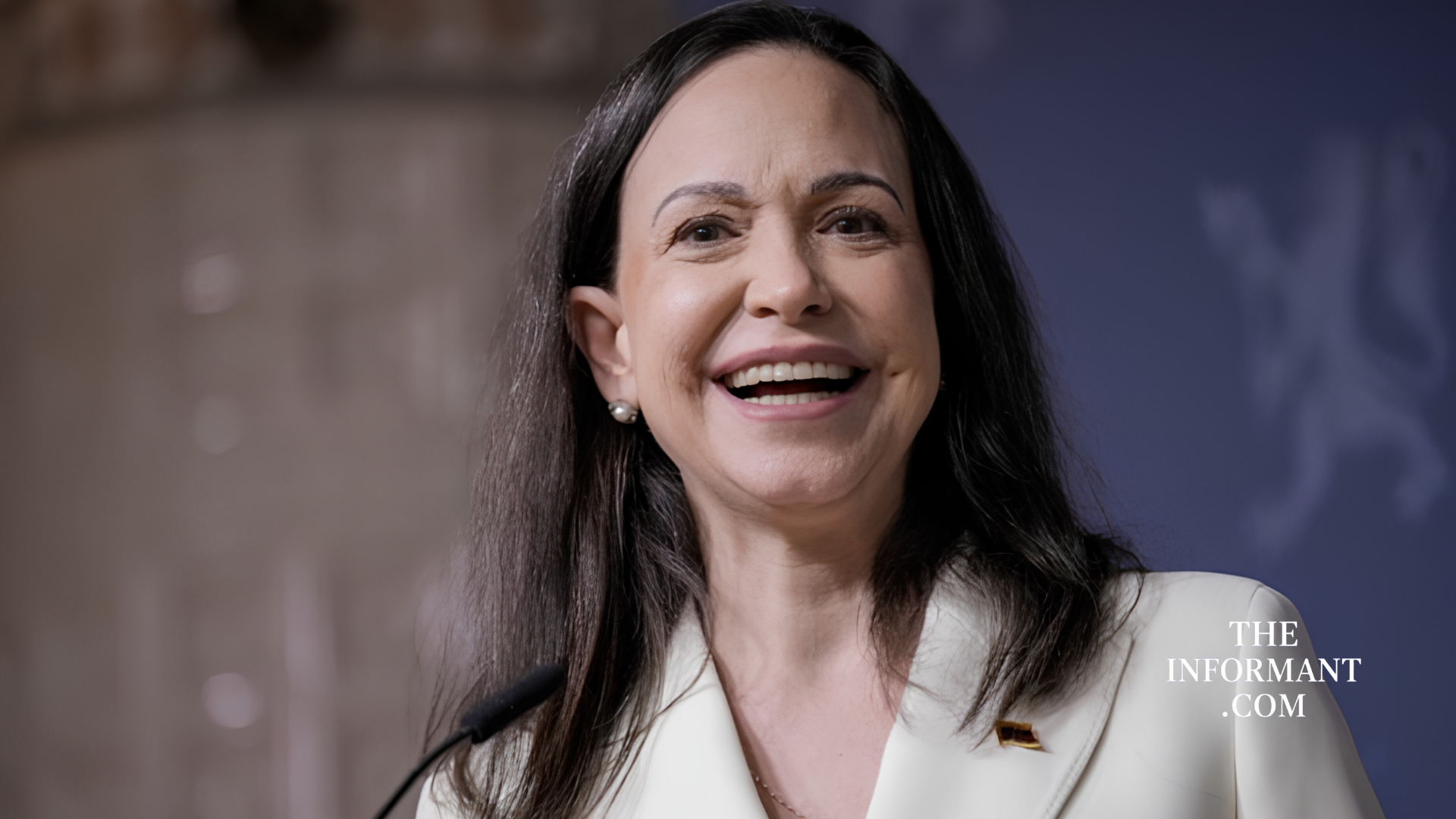
Machado appeared before journalists, political allies and invited guests at the university where she studied industrial engineering.
A message reading “Seamos libres,” meaning “Let us be free,” appeared behind her as she addressed Venezuela’s political future.
The opposition leader described the country’s democratic transition as irreversible and said it must be peaceful, organized and responsive to the population’s urgent needs.
She said she had returned to fulfill a political mandate and mobilize Venezuelan society for the next stage of the transition.
Her appearance marked her first formal press conference in Venezuela since her unexpected return on Sunday.
THOUSANDS CHANT “FREEDOM” DURING EMOTIONAL HOMECOMING
Machado’s arrival on October 25 prompted large gatherings of supporters across western and central Venezuela.
She first appeared publicly at a church in Barquisimeto, in Lara state, where residents greeted her with applause, prayers and chants of “Libertad.”
Her journey to Caracas took approximately eight hours as crowds gathered along highways and surrounded her vehicle.
Supporters waved national flags, carried signs and followed the convoy on motorcycles and in cars.
Machado greeted people through the sunroof, shook hands and embraced supporters as she traveled toward the capital.
The scenes demonstrated the enthusiasm of her supporters but did not constitute an electoral vote or establish the views of the entire Venezuelan population.
OPPOSITION LEADER SAYS DEMOCRATIC TRANSITION IS IRREVERSIBLE
During Thursday’s address, Machado said Venezuela had entered a new political phase following the removal of Nicolás Maduro from power in January.
She described the transition as an opportunity to rebuild democratic institutions and restore constitutional government.
Machado also emphasized that her political movement had pursued a peaceful strategy despite years of repression and confrontation with the former Maduro administration.
She called for justice, reparations and guarantees that past abuses would not be repeated.
Her statements reflected the opposition’s political objectives rather than a completed institutional transition.
MACHADO SUPPORTS PRESIDENTIAL ELECTIONS IN 2027
One of the most significant announcements concerned the timetable for Venezuela’s next presidential election.
Machado said the United States had outlined a sequence of political reforms that could lead to presidential voting in 2027.
According to her account, the proposed process includes changes to the country’s Supreme Tribunal of Justice and National Electoral Council.
Those reforms would be followed by constitutional steps intended to establish a new presidential election.
Machado said the timetable reflected the urgency of restoring democratic legitimacy.
However, no final election date has been formally established by Venezuela’s electoral authorities.
TRUMP ADMINISTRATION PLAYS CENTRAL ROLE IN TRANSITION
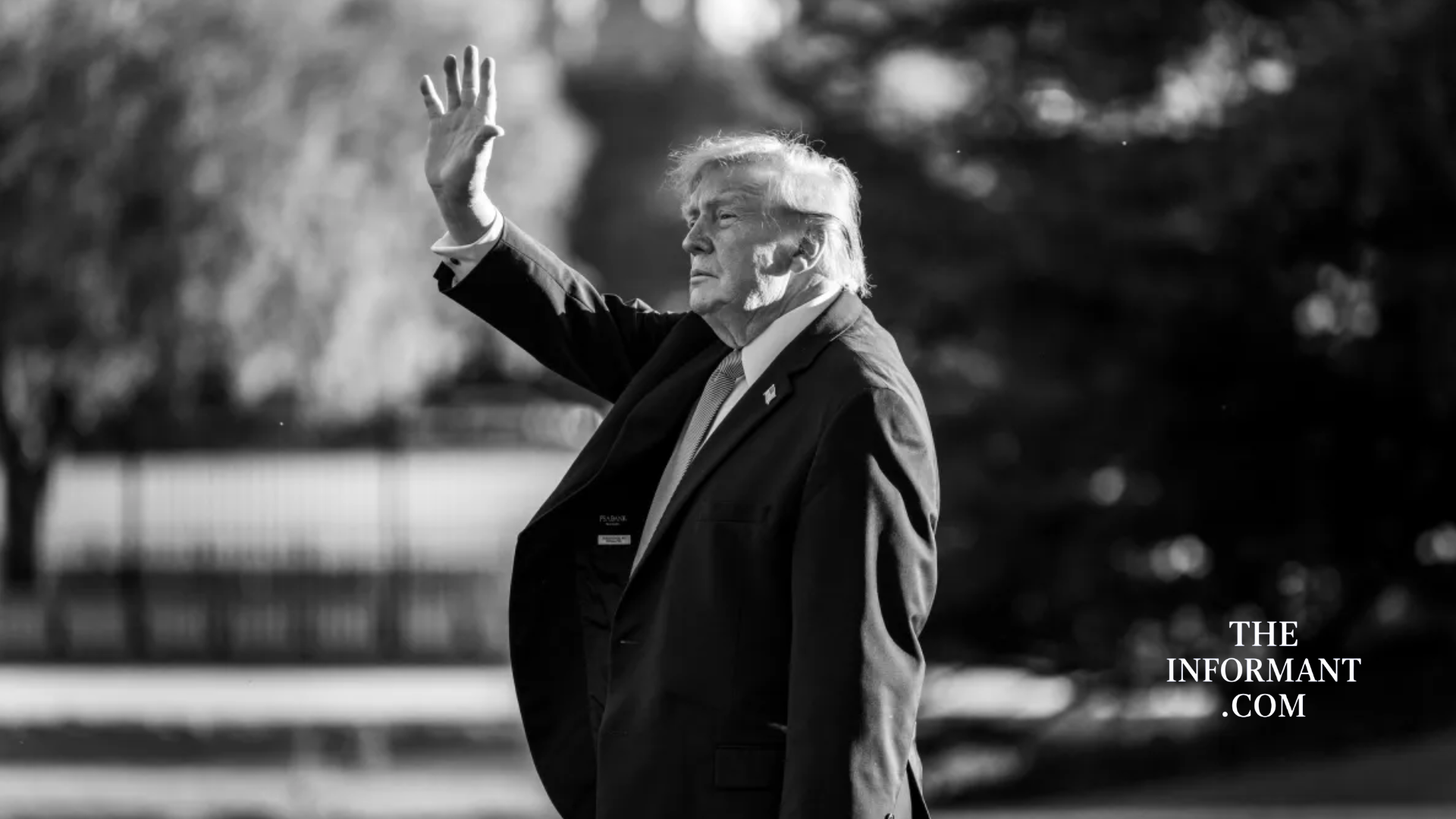
Machado thanked President Donald Trump, Secretary of State Marco Rubio and the U.S. government for their role in the political developments that followed the January operation against Maduro.
U.S. forces captured Maduro on January 3 and transferred him to the United States, where he faces federal criminal charges.
Maduro has denied the allegations against him.
His former vice president, Delcy Rodríguez, subsequently assumed the interim presidency.
Washington has maintained working relations with Rodríguez’s administration while supporting negotiations over institutional reforms and a future election.
Machado’s return has introduced another influential political figure into those discussions.
DELCY RODRÍGUEZ PROMISES ELECTIONS UNDER RENEWED AUTHORITY
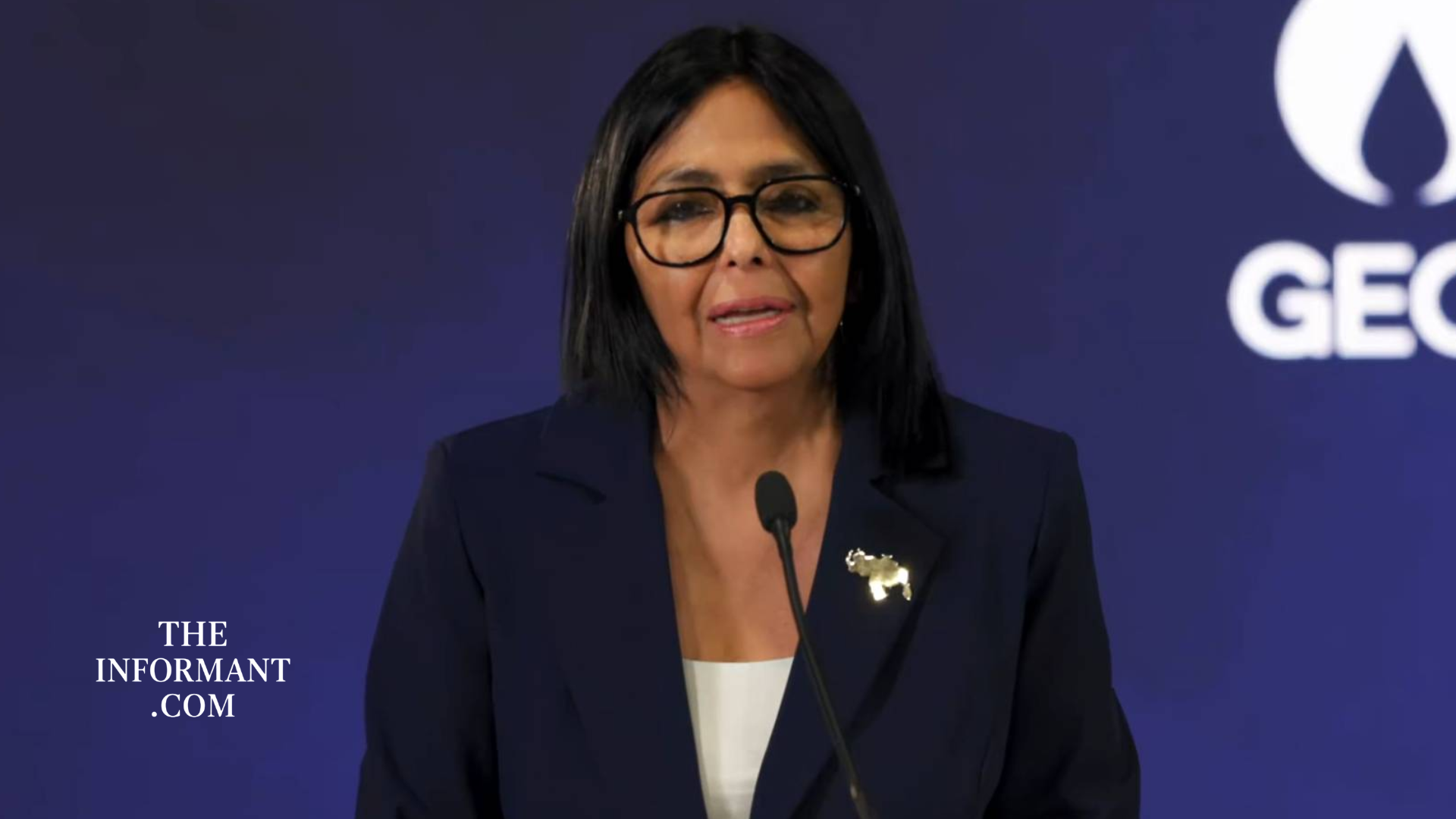
Interim President Delcy Rodríguez also addressed the country’s political future Thursday.
She said Venezuela would hold elections required by its constitution and that voting would be administered by a renewed electoral authority.
Rodríguez did not announce a specific date.
Her government has participated in negotiations supported by the United States concerning judicial and electoral reforms.
The interim administration has also pursued economic agreements with Washington, particularly involving Venezuela’s oil industry.
The competing political priorities of Rodríguez’s government and Machado’s opposition movement remain central to the transition.
DISPUTED 2024 ELECTION REMAINS CENTRAL TO OPPOSITION DEMANDS
Machado was barred from running in Venezuela’s 2024 presidential election.
Her political ally Edmundo González Urrutia became the principal opposition candidate.
The Maduro government declared victory, while the opposition published polling-station records indicating that González had won by a substantial margin.
The result was disputed internationally, and the government’s failure to release comprehensive polling-station results drew widespread criticism.
Machado has continued to argue that the opposition’s electoral mandate must be recognized.
Her latest statements connect that dispute to demands for a new election conducted under reformed institutions.
MACHADO SEEKS TO MOBILIZE VOTERS INSIDE AND OUTSIDE VENEZUELA
Machado said her movement intends to reactivate the citizen networks that monitored the 2024 election.
Those networks collected and preserved voting records used by the opposition to challenge the official results.
The new effort will focus on voter registration, public participation and coordination among opposition organizations.
It will also seek to address barriers faced by Venezuelans living abroad.
Millions of Venezuelans have emigrated in recent years, making overseas voter registration an important issue in any future national election.
Machado has emphasized that the electoral process must allow eligible citizens to participate.
POLITICAL PRISONERS AND NATIONAL RECONCILIATION REMAIN PRIORITIES
Since returning, Machado has met with political allies and families of people detained for political reasons.
Her activities have included discussions with relatives of hundreds of prisoners and representatives of opposition organizations.
She has called for accountability, justice and national reconciliation as part of the transition.
Human rights organizations have documented political detentions and restrictions on civil liberties in Venezuela.
The interim government has released some prisoners as negotiations continue, but disputes remain over the number of people detained and the conditions for their release.
Machado has said restoring political freedoms must be a central part of the country’s future.
WHAT HAPPENS NEXT?
Machado is expected to continue meeting political organizations, civil society representatives and supporters as she seeks to organize participation in the proposed transition.
Negotiations involving the interim government and U.S. officials are expected to focus on judicial reforms, electoral institutions and the timetable for presidential voting.
The opposition leader has expressed support for elections in 2027, but the process remains dependent on political agreements and constitutional procedures.
For now, Machado’s return has brought renewed public attention to Venezuela’s unresolved political questions.
Her declaration that the democratic transition is irreversible represents a statement of political determination, while the country’s future leadership and electoral arrangements remain undecided.