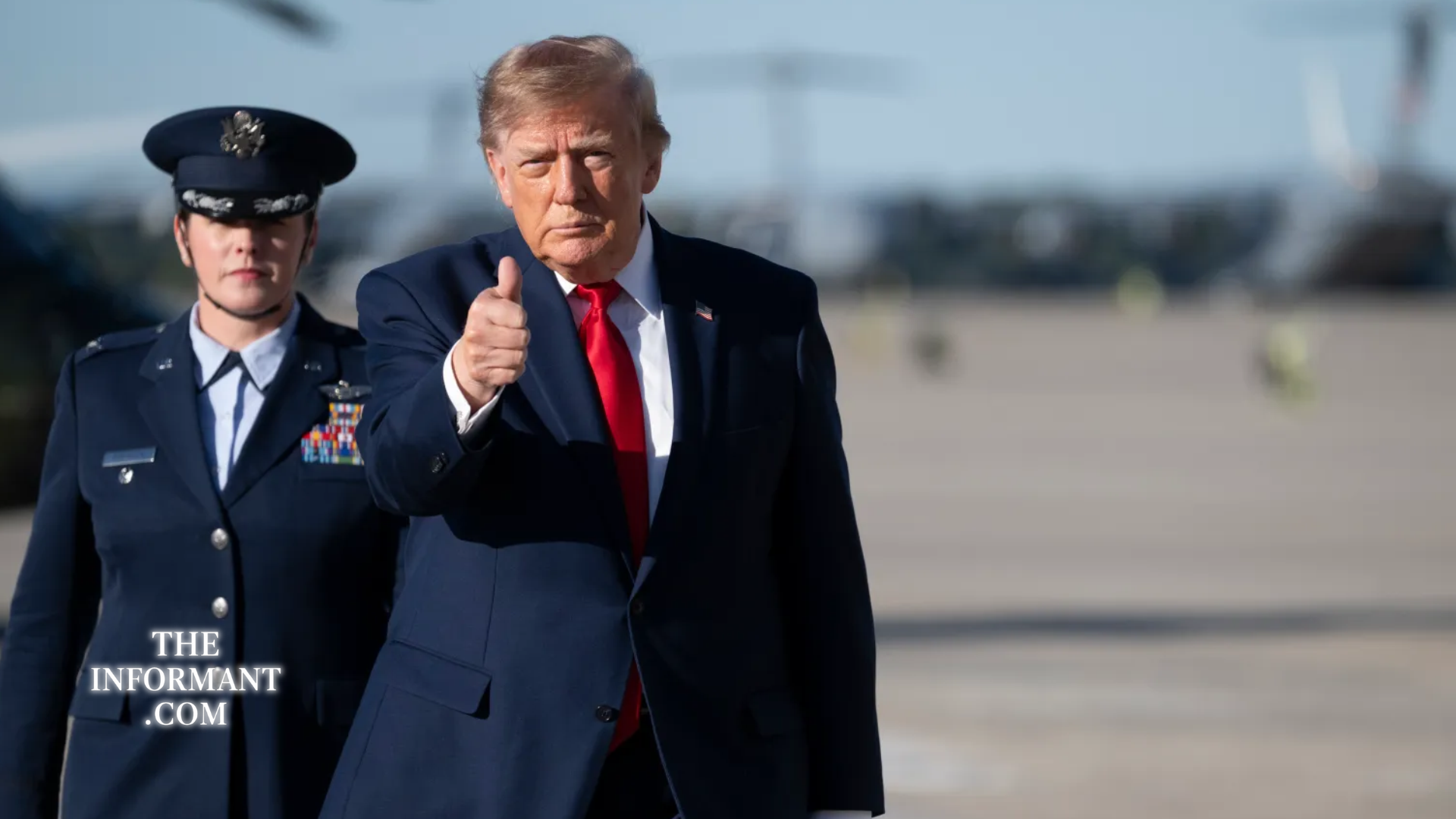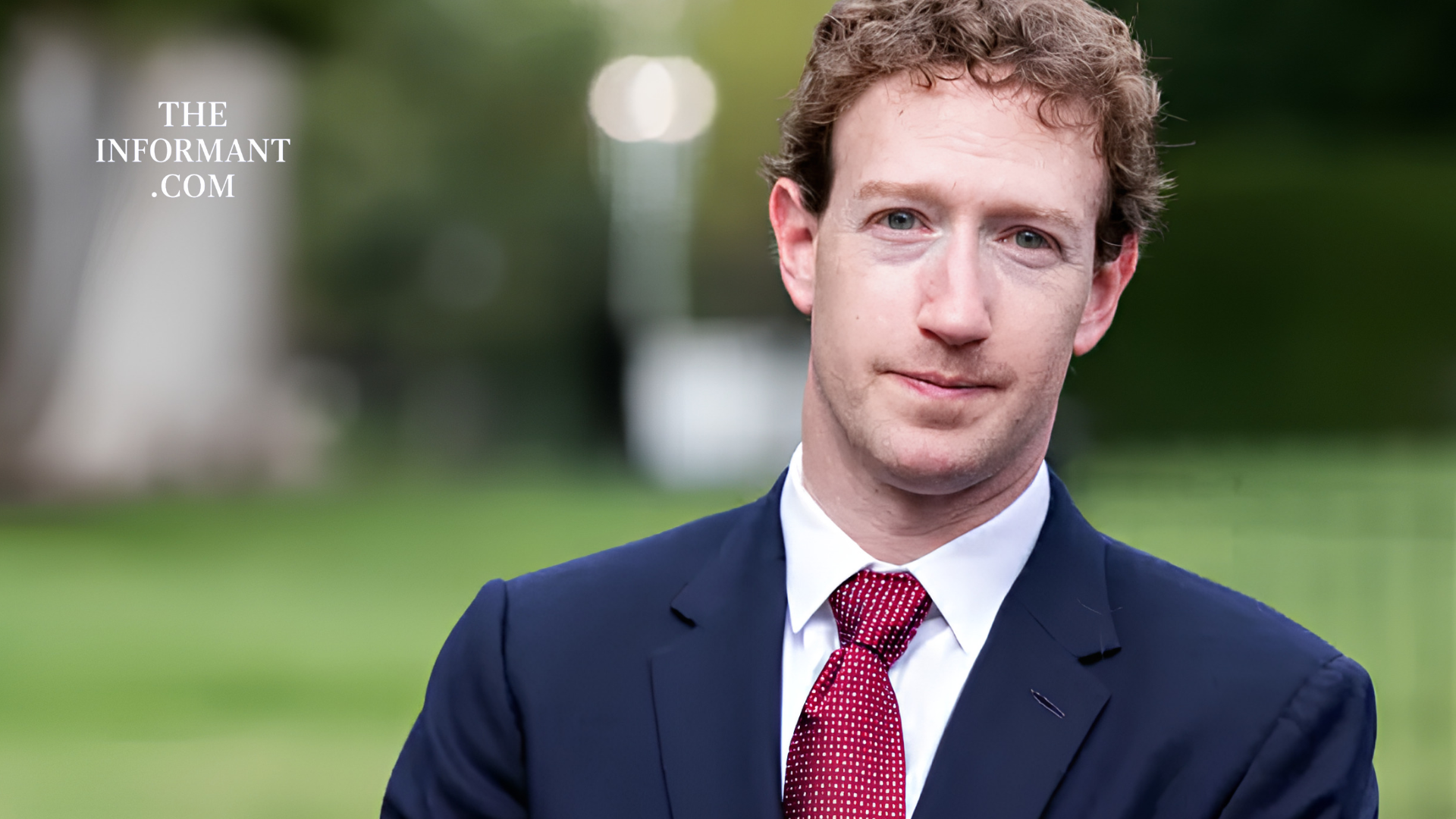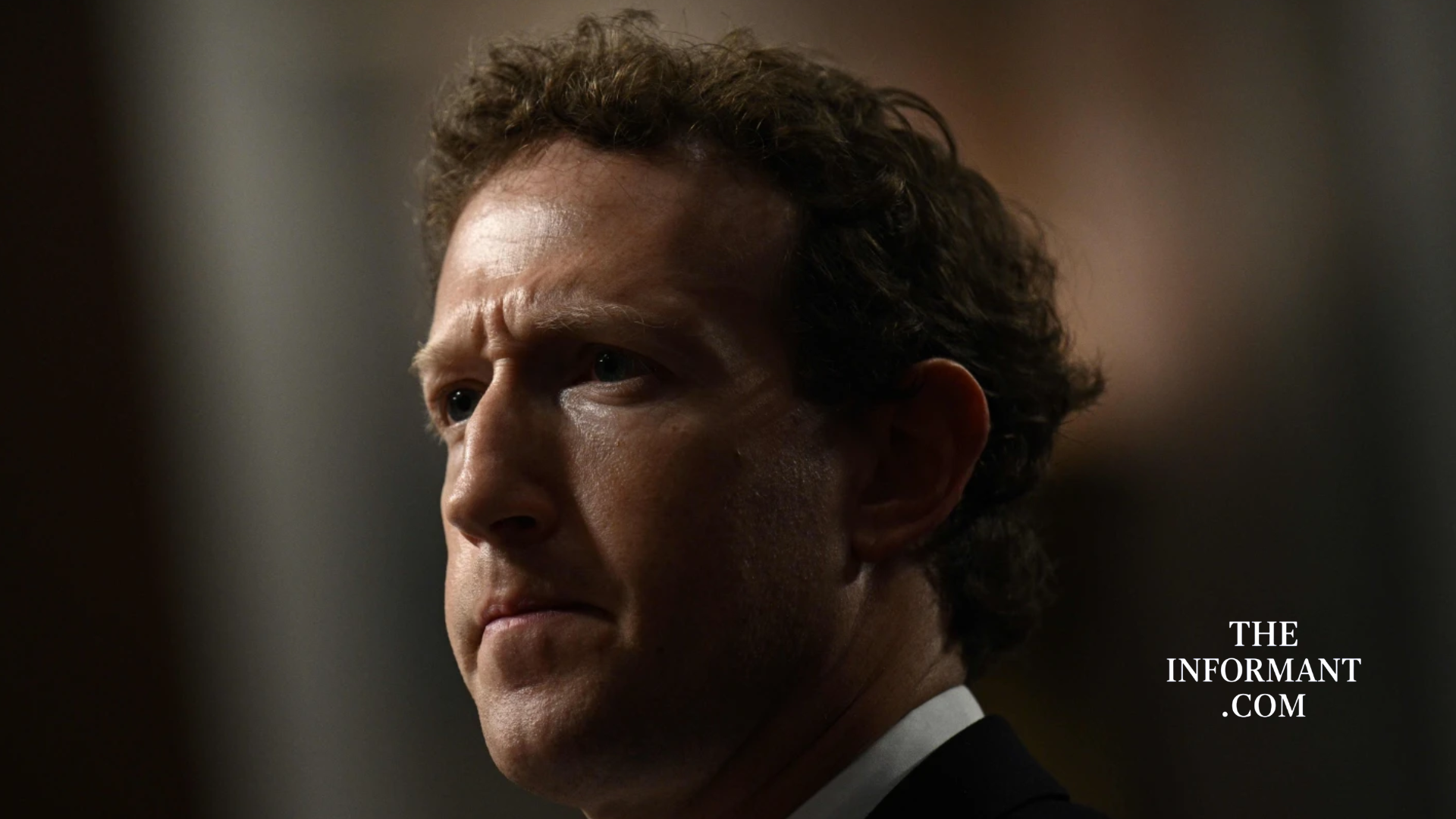
JERUSALEM — October 30, 2026. Israel has completed counting votes from its October 27 parliamentary election, producing a divided Knesset in which Prime Minister Benjamin Netanyahu’s Likud party emerged as the largest political force but neither major bloc secured enough seats to govern with an outright majority. The results set the stage for negotiations over the country’s next government while election authorities examine allegations of foreign interference that have not been substantiated as widespread electoral fraud.
The Central Elections Committee published its completed count early Friday, awarding Likud 27 seats and Gadi Eisenkot’s Yashar party 21. Netanyahu’s right-wing and religious bloc secured 53 seats, compared with 48 for the principal opposition bloc. The two predominantly Arab political lists won a combined 19 seats, leaving both larger blocs short of the 61-seat majority in Israel’s 120-member parliament.
LIKUD WINS THE MOST SEATS, BUT NETANYAHU LOSES HIS PARLIAMENTARY MAJORITY
Likud’s 27 seats make it the largest individual party in the incoming Knesset. Its existing political allies, however, do not provide the parliamentary majority necessary to govern without additional cooperation. The bloc includes Otzma Yehudit with seven seats, United Torah Judaism with seven, Shas with six and Religious Zionism with six.
The 53-seat total leaves Netanyahu’s bloc eight seats short of an outright majority. This means that winning the largest party delegation has not automatically secured him another governing coalition. The formation of the next government will depend on parliamentary agreements, negotiations and the constitutional process overseen by President Isaac Herzog.
GADI EISENKOT’S OPPOSITION BLOC SECURES 48 SEATS
The principal opposition bloc is led by Gadi Eisenkot, whose Yashar party won 21 seats. Naftali Bennett’s B’Yachad received 12 seats, while the Democrats won eight and Yisrael Beytenu secured seven.
Together, these parties hold 48 seats, leaving them 13 short of a parliamentary majority. Eisenkot and other opposition leaders must therefore consider whether arrangements involving parties outside their current bloc are possible.
The numerical balance alone does not determine which political leader will form the next government. Party positions, willingness to cooperate and the level of support a candidate can obtain in the Knesset will be decisive.
ARAB PARTIES HOLD A RECORD 19 SEATS
The Joint List secured 11 seats, while Ra’am, also known as the United Arab List, won eight. Their combined 19-seat delegation represents a record result for predominantly Arab parties in Israel’s parliament.
The outcome makes these parties potentially significant participants in discussions about parliamentary cooperation. Nevertheless, their combined representation should not be treated as a prearranged coalition with either Netanyahu or Eisenkot.
Several parties have previously expressed opposition to governing agreements with the Arab lists. That political divide complicates negotiations, even though the election results leave the parties representing Palestinian citizens of Israel with substantial parliamentary representation.
DOUBLE-ENVELOPE BALLOTS HAVE NOW BEEN COUNTED
One of the final steps in the election process involved so-called double-envelope ballots, a system used by certain voters casting ballots away from their regular polling stations, including soldiers, diplomats and hospitalized citizens.
These ballots require additional verification to prevent duplicate voting while preserving secrecy. Earlier reports estimated that between 430,000 and 480,000 such ballots were awaiting processing.
By early October 30, the Central Elections Committee had incorporated the outstanding votes into the completed national count. The final reported distribution remained 53 seats for Netanyahu’s bloc, 48 for the opposition and 19 for the Arab parties.
Turnout reached 77.9%, with 5,716,665 ballots cast. The results remain subject to routine verification and possible minor corrections before formal submission to the president.
ISRAEL ELECTION RESULTS 2026
| PARTY | SEATS |
|---|---|
| Likud | 27 |
| Yashar | 21 |
| B’Yachad | 12 |
| Joint List | 11 |
| The Democrats | 8 |
| Ra’am | 8 |
| Yisrael Beytenu | 7 |
| Otzma Yehudit | 7 |
| United Torah Judaism | 7 |
| Shas | 6 |
| Religious Zionism-Zehut | 6 |
| TOTAL | 120 |
Central Elections Committee results as reported by The Times of Israel
Associated Press: Coalition negotiations
FOREIGN INTERFERENCE ALLEGATIONS PROMPT SECURITY INVESTIGATION
Alongside the vote count, Israel’s election authorities have sought an investigation into allegations of possible improper foreign funding intended to influence voter mobilization.
Central Elections Committee chairman Justice Noam Sohlberg requested that Shin Bet chief David Zini examine the suspicions and report relevant findings. Israeli media have reported allegations involving possible foreign financing of political activity in Arab communities, while Likud has also raised claims about alleged voter bribery and other irregularities.
Those allegations must be distinguished from established findings. Sohlberg himself acknowledged that the suspicions had not been verified. Acting elections committee director Dean Livne rejected claims of systematic violations of the voting process, and the Shin Bet described its inquiry as limited in scope.
Authorities have investigated specific suspected offenses, but no finding has established that widespread fraud altered the national election results. Ra’am chairman Mansour Abbas has denied his party’s involvement in wrongdoing and expressed support for an investigation.
ISRAEL’S PRESIDENT PREPARES TO BEGIN GOVERNMENT CONSULTATIONS
The Central Elections Committee is scheduled to submit the verified results to President Isaac Herzog on November 4. Herzog will then consult representatives of the elected parties before assigning a lawmaker the task of attempting to form a government.
The new Knesset is scheduled to be sworn in on November 10. The parliamentary majority threshold remains 61 seats, although government formation can also involve more complex arrangements, including outside parliamentary support.
The immediate political question is not which party received the most votes, but whether any candidate can assemble sufficient parliamentary backing to establish a functioning government.
WHAT HAPPENS NEXT AFTER ISRAEL’S INCONCLUSIVE ELECTION?
Israel’s next phase will involve coalition discussions among parties with differing positions on security, governance, religion and relations with the country’s Arab minority.
Netanyahu remains prime minister during the government-formation process, but the completed election count does not provide his existing bloc with an outright majority. Eisenkot’s opposition faces a similar challenge.
The outcome now rests on negotiations, presidential consultations and parliamentary procedures rather than further large-scale vote counting. The election produced a clear largest party, but it did not produce a clear governing majority.