PANAMA — October 30, 2026. The pavement appears torn apart, with deep fractures cutting through a roadway and sections of asphalt displaced across the ground. These are among the striking images left by the powerful magnitude 7.7 earthquake that struck Panama on October 9, causing extensive damage to communities, roads and public infrastructure. Nearly three weeks later, emergency crews are still assessing the destruction, while the latest national figures show that tens of thousands of residents have been caught up in the disaster’s aftermath.
The earthquake struck at 12:56 p.m. local time, according to the United States Geological Survey. Its epicenter was approximately 12 kilometers west-southwest of Pitaloza Arriba, at a depth of 12.6 kilometers. Strong shaking was felt across much of Panama and neighboring areas, sending people outside buildings and triggering emergency evacuations. Scientists also recorded a powerful sequence of aftershocks, including another major earthquake later the same afternoon.
ROADS CRACK OPEN IN PANAMA’S VERAGUAS PROVINCE
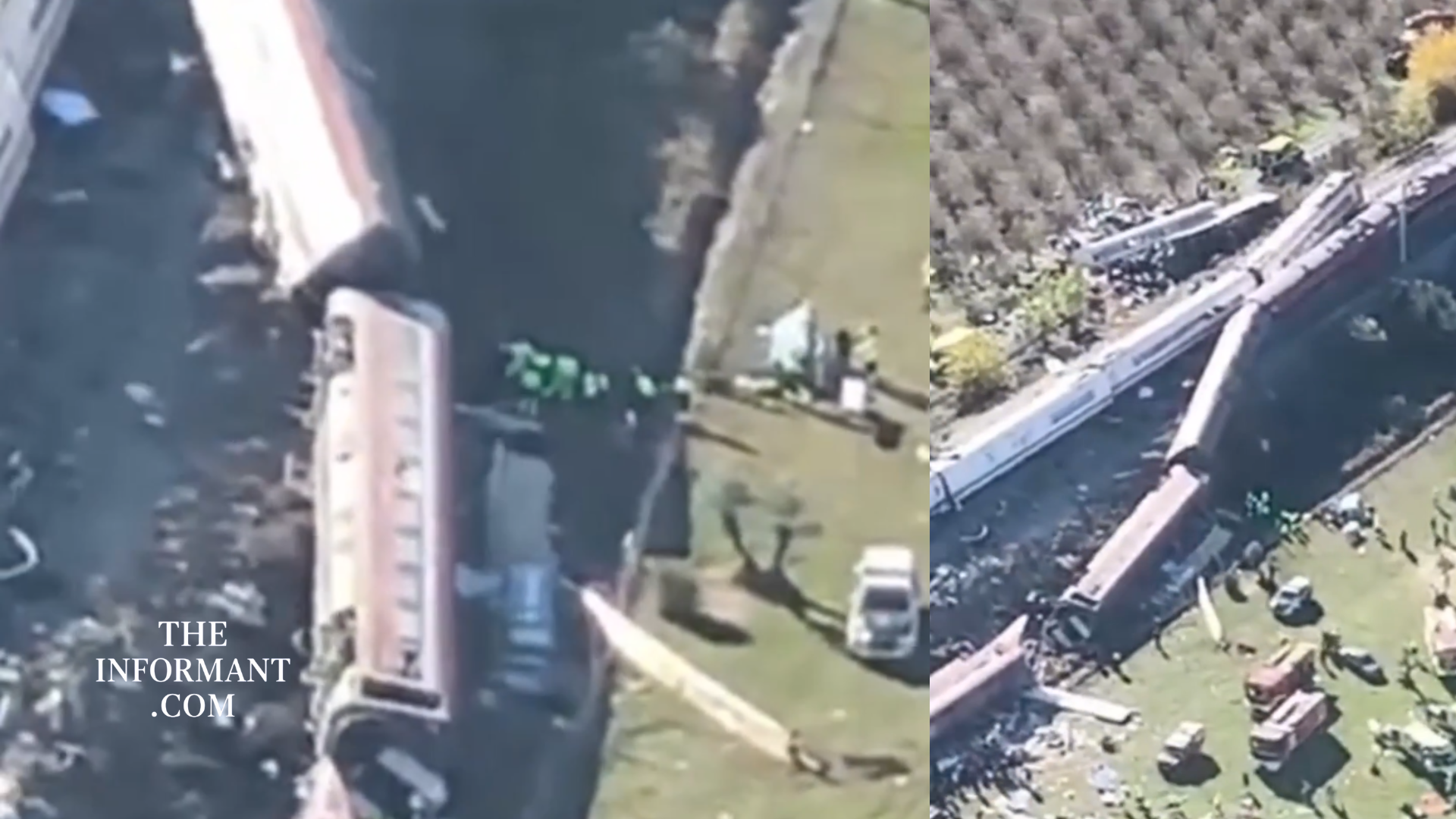
Some of the most dramatic damage occurred along the roadway connecting communities near Torio and Mariato in Veraguas province. Photographs and videos published after the earthquake revealed deep fissures, collapsed pavement and portions of the road that had become severely uneven or impassable.
Mariato Mayor Ángel Batista personally documented the damage and appealed for government assistance. The condition of the road raised concerns about access to communities and the ability of emergency vehicles to reach families requiring assistance.
Although the damage is real, it is important to distinguish footage showing the road after the earthquake from recordings that actually capture the ground breaking apart in real time. Not every viral video attributed to the disaster has been authenticated.
BUILDINGS, CHURCHES AND PUBLIC INFRASTRUCTURE SUSTAIN DAMAGE
Beyond the fractured roads, the earthquake damaged homes, schools, medical facilities, bridges and historic structures. In Penonomé, sections of buildings collapsed, leaving vehicles damaged beneath falling debris. Other communities reported damage to churches, government properties and residential structures.
Initial assessments identified extensive destruction across the central provinces, including Veraguas, Coclé, Herrera and Los Santos. Panama’s government declared a national state of emergency on October 10, allowing authorities to mobilize additional resources for emergency assistance, repairs and damage inspections.
LATEST OFFICIAL REPORTS CONFIRM TWO DEATHS AND 27 INJURIES
The human consequences became clearer as disaster-response teams reached additional communities. According to figures from Panama’s National Civil Protection System, reported by local media on October 29, the disaster had resulted in two deaths and 27 injuries.
The same assessment counted 55,212 people and 17,048 homes within the government’s damage-and-needs evaluation process. Authorities also documented damage affecting 619 educational facilities, 120 health facilities and numerous roads and bridges.
These figures remain preliminary. Being included in a damage assessment does not necessarily mean a person was physically injured or displaced.
AFTERSHOCKS AND GROUND INSTABILITY COMPLICATE RECOVERY
The earthquake was followed by numerous aftershocks. The USGS warned that the initial seismic event created significant potential for landslides and soil liquefaction, a process that can cause saturated ground to lose strength during intense shaking.
Both processes can damage roads and foundations, although the precise mechanism responsible for every reported fracture requires engineering or geological investigation. Scientists caution against assuming that any individual crack automatically represents the surface rupture of the main earthquake fault.
VIRAL FOOTAGE REQUIRES CAREFUL VERIFICATION
The disaster also generated widespread circulation of dramatic recordings on social media. Some clips genuinely documented collapsed structures, damaged roads and frightened residents, while fact-checking organizations identified other footage incorrectly attributed to Panama’s earthquake.
The verified road damage near Mariato offers an authentic example of the earthquake’s destructive effects. However, footage presented as showing the exact instant the ground opens should be authenticated separately before being described as evidence of that specific moment.
RECOVERY CONTINUES WEEKS AFTER THE EARTHQUAKE
Panamanian authorities continue evaluating homes, roads, public buildings and essential services while coordinating humanitarian assistance to affected families. Repairs to damaged transportation routes remain important, particularly for communities whose access to supplies and medical care has been disrupted.
The October 9 earthquake illustrates how a powerful seismic event can leave consequences extending far beyond the initial shaking. The next developments to watch are the rehabilitation of damaged highways, updated casualty figures and the long-term needs of families whose homes and communities were affected.