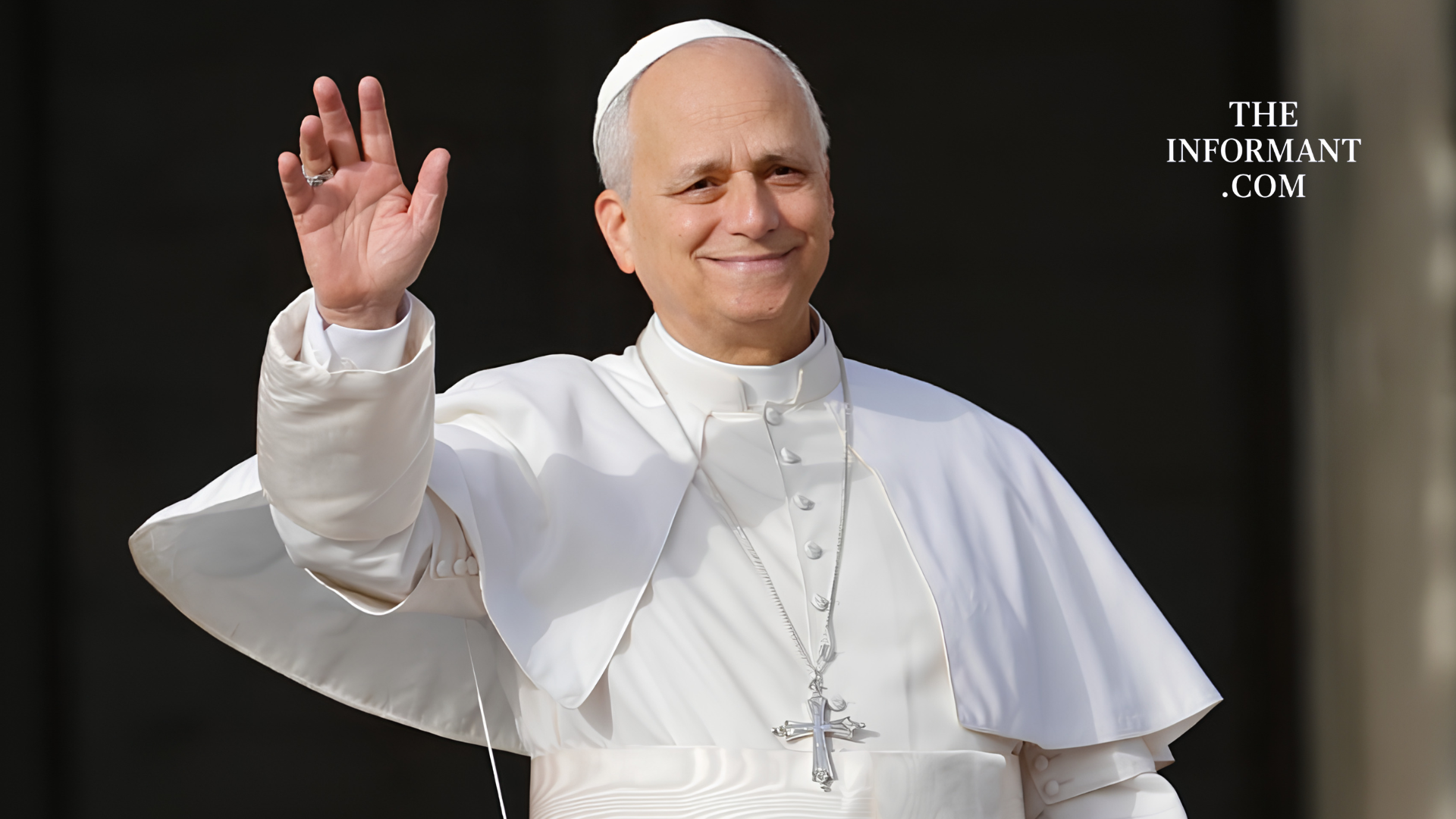
VATICAN CITY — October 30, 2026. Pope Leo XIV has become the first known pontiff to vote in a United States general election after submitting a mail-in ballot ahead of the November 3 midterm elections. The Vatican confirmed the historic development Friday, highlighting the American-born pope’s longstanding commitment to democratic participation.
VATICAN CONFIRMS HISTORIC VOTE
The pontiff, born Robert Francis Prevost in Chicago, Illinois, remains a registered U.S. voter. According to the Holy See Press Office, Leo XIV exercised his voting rights as an American citizen by submitting a ballot associated with his Illinois registration.
The Vatican emphasized that the pope considers democratic participation both a civic right and a responsibility. Officials also confirmed that he participated in elections while residing in Peru, where he spent much of his religious career before becoming head of the Catholic Church in May 2025.
POPE’S VOTING HISTORY IN ILLINOIS
Election records show that Prevost participated in several U.S. elections dating back to 2000. He requested Democratic primary ballots in 2008 and 2010 and Republican primary ballots in 2012, 2014 and 2016.
However, these records do not establish his political affiliation or reveal which candidates he supported. Illinois does not require voters to register with a political party, and selecting a party’s primary ballot does not necessarily indicate support for its candidates in a general election.
A HISTORIC MOMENT AHEAD OF THE MIDTERMS
The development comes days before Americans vote in elections that will determine control of Congress, alongside numerous state and local offices. Leo XIV’s Illinois ballot includes contests for the U.S. Senate and governor.
His participation is particularly notable because he is the first U.S.-born pope and now the first known sitting pontiff to cast a ballot in an American election. His citizenship allows him to participate in the electoral process despite residing at the Vatican.
POLITICAL QUESTIONS AND PUBLIC REACTION
The pope’s voting history has renewed public interest in his political positions, particularly because he has previously spoken about immigration, armed conflict and human dignity. His public statements, however, should not be interpreted as proof of support for any particular U.S. political party or candidate.
While the historical significance of his vote has attracted international attention, the secrecy of the ballot remains intact. Neither Vatican officials nor election records have disclosed his choices, leaving the identity of the candidates he supported unknown.