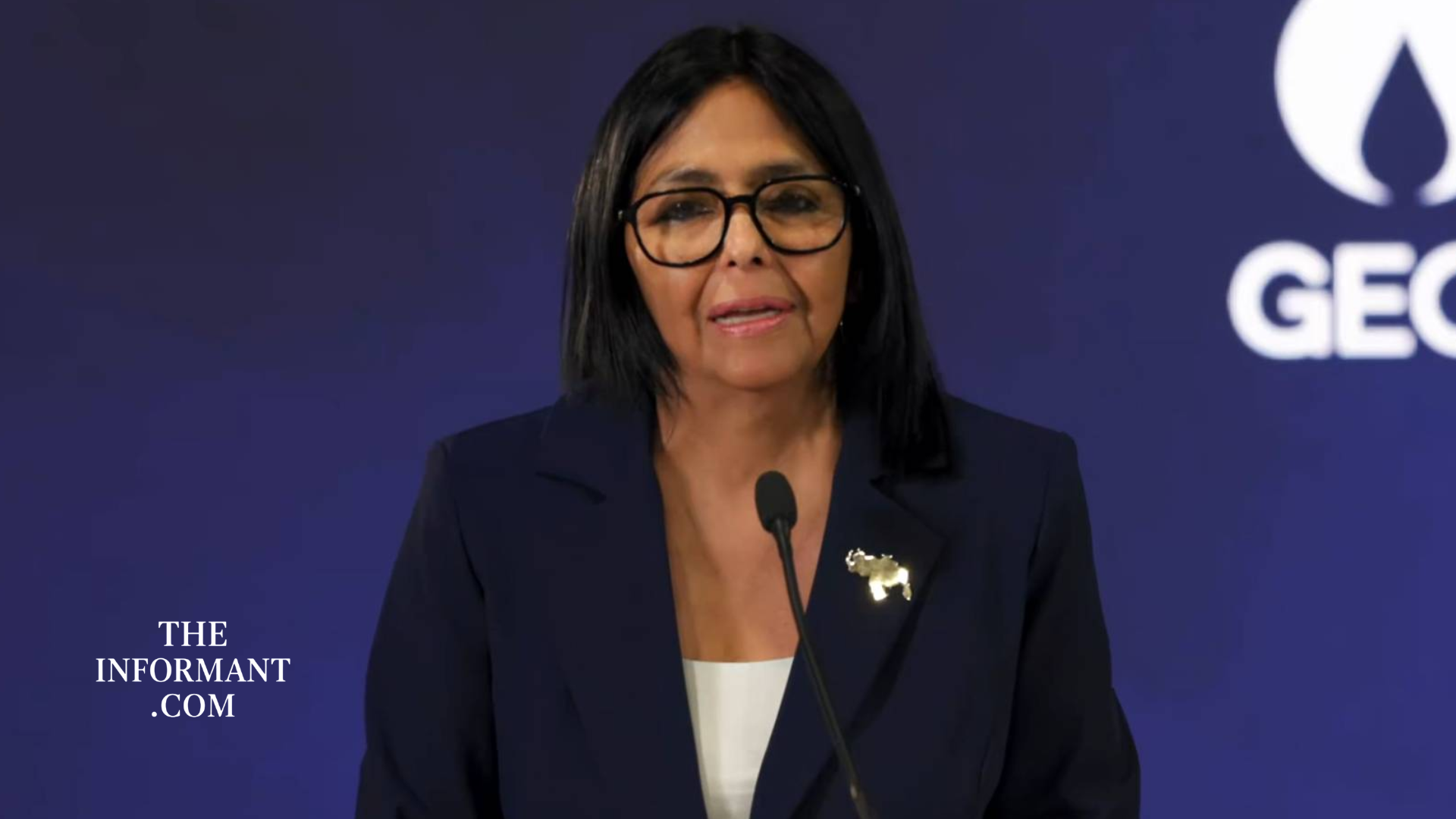
CARACAS, Venezuela — October 30, 2026. Venezuela’s acting President Delcy Rodríguez has announced plans to review state-owned assets that could be returned to their former owners or transferred to private businesses, signaling a potential change in the country’s economic policies after decades of nationalizations and government control over major industries.
VENEZUELA OPENS DOOR TO RETURNING SEIZED ASSETS
In a televised address on October 29, Rodríguez said she had instructed government officials to evaluate assets considered nonessential to state operations and determine whether they could be returned to previous owners or offered to private investors.
The acting president emphasized that private property is a constitutionally protected right and said the review process was already well advanced.
The announcement could affect businesses and properties taken over by the Venezuelan government during previous administrations, although authorities have not identified which assets would qualify for restitution or sale.
A POSSIBLE REVERSAL OF HUGO CHÁVEZ-ERA NATIONALIZATIONS
The initiative could mark a significant departure from policies implemented under former President Hugo Chávez, whose administration nationalized companies and strategic assets across sectors including energy, electricity, telecommunications and heavy industry.
Many of those takeovers generated legal disputes involving domestic companies and international investors. Several arbitration claims arising from nationalizations remain unresolved.
Rodríguez’s announcement raises the possibility that some of these assets could return to private ownership, but no comprehensive restitution plan has been published.
GOVERNMENT COMMISSION REVIEWS PUBLIC ASSETS
According to Reuters, Rodríguez appointed a government commission in April to audit and classify state-owned assets, including infrastructure in the energy, electricity and mining industries.
The commission has been examining which properties the government considers essential and which could potentially be transferred to private operators.
Rodríguez said the review has progressed substantially but did not provide a timetable, a list of eligible properties or the legal procedures that would govern their transfer.
PRIVATE PROPERTY AND INVESTOR CONFIDENCE
The acting president defended the constitutional protection of private property as part of a broader economic agenda intended to encourage business activity.
Returning previously expropriated assets could help address longstanding property disputes, while public offerings could create opportunities for private companies to acquire or operate government-controlled facilities.
However, the potential economic benefits will depend on the transparency of the process, the legal status of individual properties and whether investors consider the proposed arrangements reliable.
ENERGY AND MINING SECTORS ALSO UNDER REVIEW
The announcement comes as Venezuela pursues additional commercial agreements in strategic industries.
Rodríguez said the government was negotiating 44 energy contracts under petroleum legislation approved earlier this year. Officials have also reported 61 signed oil agreements, although detailed terms have not been publicly disclosed.
Negotiations involving gold, aluminum and iron were also mentioned as part of efforts to expand economic activity.
These developments suggest that the asset review forms part of a broader initiative to increase private-sector participation in the Venezuelan economy.
QUESTIONS REMAIN OVER IMPLEMENTATION
Despite the announcement, the government has not confirmed how many properties could be returned, which former owners might qualify or whether compensation and outstanding legal claims would be addressed.
The distinction between returning property to a previous owner and selling a state asset to a new investor will also be important, particularly for companies whose ownership remains disputed.
For former property owners, the announcement represents a potential opportunity to pursue restitution, but it does not establish an immediate legal entitlement to recover any specific asset.
VENEZUELA FACES A TEST OF ECONOMIC REFORM
Rodríguez’s proposal comes as Venezuela attempts to reshape its economic policies and expand cooperation with private investors.
The initiative could eventually reverse some nationalizations carried out during the Chávez era, but its significance will depend on whether the government publishes clear procedures and completes actual transfers.
For now, the announcement marks a policy proposal and an ongoing review rather than confirmation that previously expropriated properties have already been returned.